| If you do
NOT see the Table of Contents frame to the left of this page, then
Click here to open 'USArmyGermany' frameset |
||||||||||||||||||||||||||||||||||||||||||||||||||||||||||||||||||||||||||||||||||||||||||||||||||||||||
|
VII Corps |
||||||||||||||||||||||||||||||||||||||||||||||||||||||||||||||||||||||||||||||||||||||||||||||||||||||||
|
|
||||||||||||||||||||||||||||||||||||||||||||||||||||||||||||||||||||||||||||||||||||||||||||||||||||||||
|
||||||||||||||||||||||||||||||||||||||||||||||||||||||||||||||||||||||||||||||||||||||||||||||||||||||||
|
|
||||||||||||||||||||||||||||||||||||||||||||||||||||||||||||||||||||||||||||||||||||||||||||||||||||||||
|
||||||||||||||||||||||||||||||||||||||||||||||||||||||||||||||||||||||||||||||||||||||||||||||||||||||||
| VII Corps History | ||||||||||||||||||||||||||||||||||||||||||||||||||||||||||||||||||||||||||||||||||||||||||||||||||||||||
|
||||||||||||||||||||||||||||||||||||||||||||||||||||||||||||||||||||||||||||||||||||||||||||||||||||||||
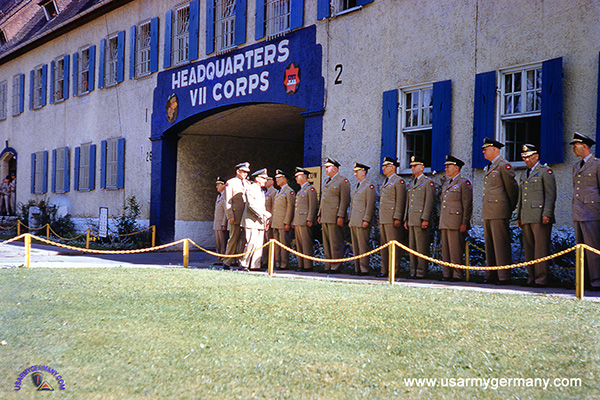
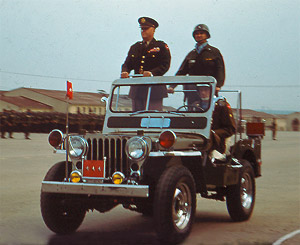
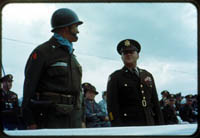
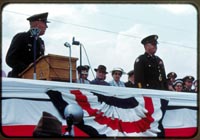
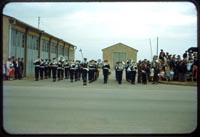
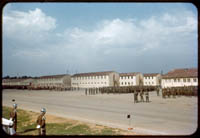
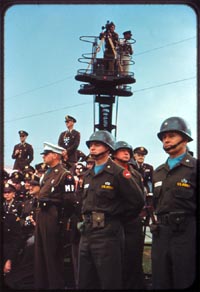
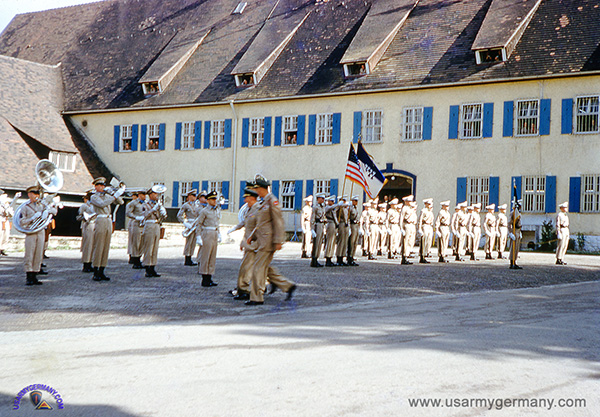 CG VII Corps and distinguished guest review VII Corps Band and 110th MP Platoon |
||||||||||||||||||||||||||||||||||||||||||||||||||||||||||||||||||||||||||||||||||||||||||||||||||||||||
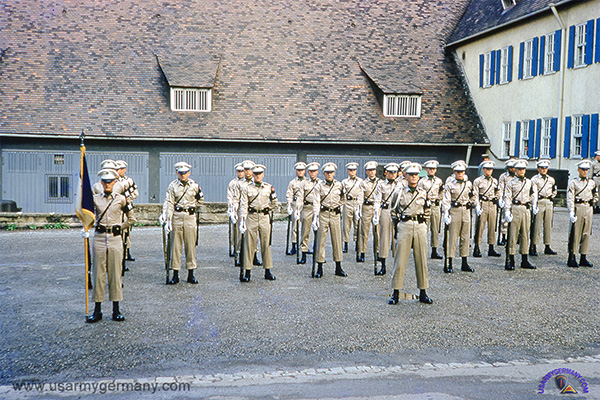 The 110th MP Platoon - Parade, REST |
||||||||||||||||||||||||||||||||||||||||||||||||||||||||||||||||||||||||||||||||||||||||||||||||||||||||
| (Source: The Stuttgart Citizen, March 22, 1992) | ||||||||||||||||||||||||||||||||||||||||||||||||||||||||||||||||||||||||||||||||||||||||||||||||||||||||
| VII Corps Commanders (after corps arrived in Germany in Oct 1951) | ||||||||||||||||||||||||||||||||||||||||||||||||||||||||||||||||||||||||||||||||||||||||||||||||||||||||
|
||||||||||||||||||||||||||||||||||||||||||||||||||||||||||||||||||||||||||||||||||||||||||||||||||||||||
 |
||||||||||||||||||||||||||||||||||||||||||||||||||||||||||||||||||||||||||||||||||||||||||||||||||||||||
| 1951 | ||||||||||||||||||||||||||||||||||||||||||||||||||||||||||||||||||||||||||||||||||||||||||||||||||||||||
| (Source: STARS & STRIPES, November 21, 1951) | ||||||||||||||||||||||||||||||||||||||||||||||||||||||||||||||||||||||||||||||||||||||||||||||||||||||||
| A brief article in the Nov 21 issue stated that VII Corps was now operational in Europe. The corps is under the command of Maj Gen Withers A. Burress. Top staff officers of the corps at Stuttgart include Brig Gen Robert G, Gard, Corps Arty CG, and Brig Gen Hammond M. Monroe, chief of staff. (Webmaster note: In November 1951, headquarters of VII Corps was set up at Helenen Kaserne. In 1952 Helenen Kaserne was renamed Kelley Barracks in honor of Staff Sergeant Jonah E. Kelley, of the 78th Infantry Division, who was posthumously awarded the Medal of Honor for actions occurring during WWII. VII Corps was assigned to Seventh Army on November 2, 1951 - source: US Army Border Operations in Germany, 1945-1983, by William E. Stacy.) |
||||||||||||||||||||||||||||||||||||||||||||||||||||||||||||||||||||||||||||||||||||||||||||||||||||||||
| (Source: STARS & STRIPES, November 21, 1951) | ||||||||||||||||||||||||||||||||||||||||||||||||||||||||||||||||||||||||||||||||||||||||||||||||||||||||
VII Corps assigned units:  Hq Company, VII Corps Hq & Hq Battery, VII Corps Artillery 321st Signal Battalion 29th Transportation Truck Company
66th Engineer Topographic Company Hq Company, VII Corps Hq & Hq Battery, VII Corps Artillery 321st Signal Battalion 29th Transportation Truck Company
66th Engineer Topographic Company
|
||||||||||||||||||||||||||||||||||||||||||||||||||||||||||||||||||||||||||||||||||||||||||||||||||||||||
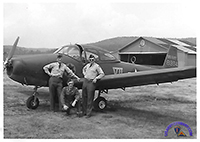
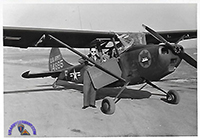
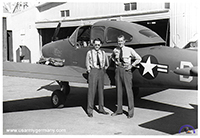
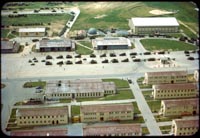
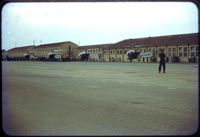
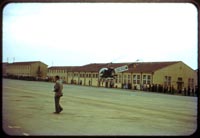
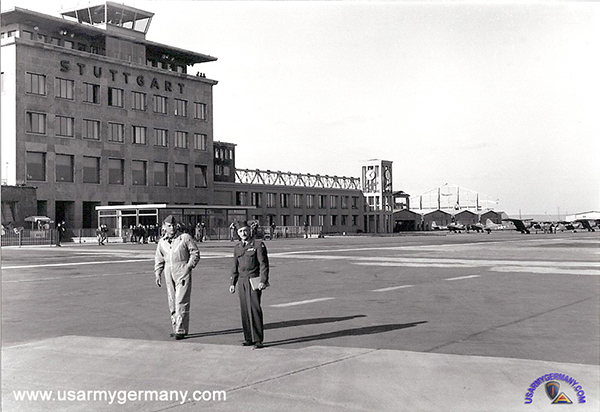 Stuttgart airfield, civilian side. Several US Army air sections were located on the right hand side. |
||||||||||||||||||||||||||||||||||||||||||||||||||||||||||||||||||||||||||||||||||||||||||||||||||||||||
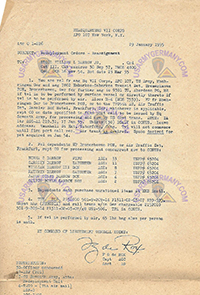
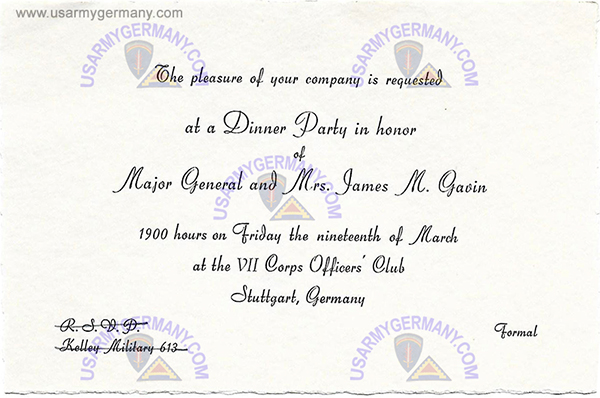 Invitation to a Dinner Party at the VII Corps Officers' Club (Jason Darrow) |
||||||||||||||||||||||||||||||||||||||||||||||||||||||||||||||||||||||||||||||||||||||||||||||||||||||||
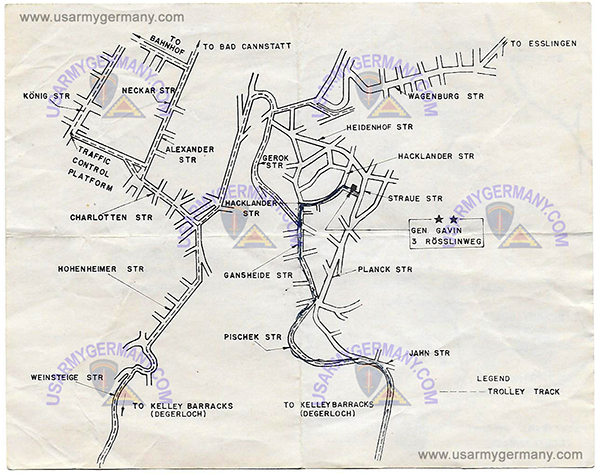 Strip map to MG James Gavin's quarters in Stuttgart (Jason Darrow) (Click on the image to view the map at a higher resolution) |
||||||||||||||||||||||||||||||||||||||||||||||||||||||||||||||||||||||||||||||||||||||||||||||||||||||||
| 1952 | ||||||||||||||||||||||||||||||||||||||||||||||||||||||||||||||||||||||||||||||||||||||||||||||||||||||||
| (Source: Email from Jason Darrow, son of Lt Col William M. Darrow, Jr., HQ VII Corps, 1952-1955) | ||||||||||||||||||||||||||||||||||||||||||||||||||||||||||||||||||||||||||||||||||||||||||||||||||||||||
| Maj William Darrow (later promoted to Lt Col) was assigned to Headquarters VII Corps at Kelley Barracks in 1952. He worked in the Ordnance Section. The Darrow family lived off post in Sonnenberg, just north of Möhringen. |
||||||||||||||||||||||||||||||||||||||||||||||||||||||||||||||||||||||||||||||||||||||||||||||||||||||||
| 1954 | ||||||||||||||||||||||||||||||||||||||||||||||||||||||||||||||||||||||||||||||||||||||||||||||||||||||||
| (Source: Seventh Army Annual History) | ||||||||||||||||||||||||||||||||||||||||||||||||||||||||||||||||||||||||||||||||||||||||||||||||||||||||
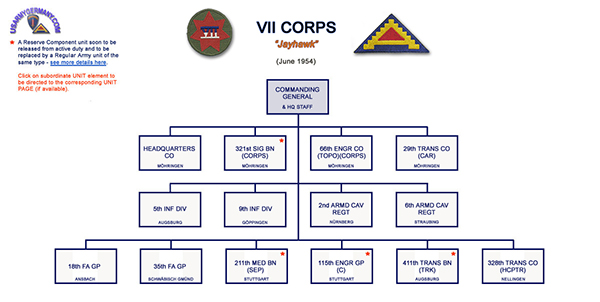 VII Corps Organization, June 1954 (Walter Elkins) |
||||||||||||||||||||||||||||||||||||||||||||||||||||||||||||||||||||||||||||||||||||||||||||||||||||||||
| 1956 | ||||||||||||||||||||||||||||||||||||||||||||||||||||||||||||||||||||||||||||||||||||||||||||||||||||||||
| (Source: Walter Elkins) | ||||||||||||||||||||||||||||||||||||||||||||||||||||||||||||||||||||||||||||||||||||||||||||||||||||||||
|
||||||||||||||||||||||||||||||||||||||||||||||||||||||||||||||||||||||||||||||||||||||||||||||||||||||||
|
||||||||||||||||||||||||||||||||||||||||||||||||||||||||||||||||||||||||||||||||||||||||||||||||||||||||
|
|
||||||||||||||||||||||||||||||||||||||||||||||||||||||||||||||||||||||||||||||||||||||||||||||||||||||||
| Early 1960s | ||||||||||||||||||||||||||||||||||||||||||||||||||||||||||||||||||||||||||||||||||||||||||||||||||||||||
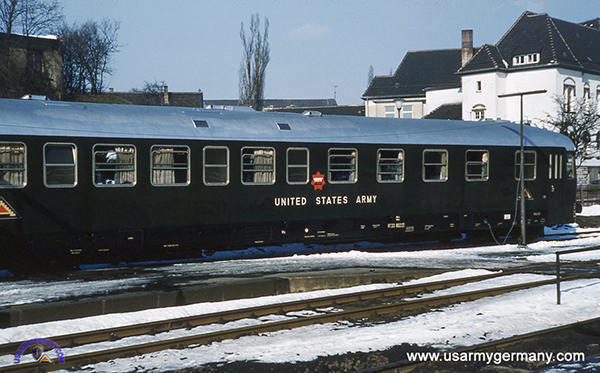 VT 33-802, a one-car command train, sporting the VII Corps and 7th Army insignias at an unidentified German train station (Webmaster's collection) |
||||||||||||||||||||||||||||||||||||||||||||||||||||||||||||||||||||||||||||||||||||||||||||||||||||||||
| Webmaster note: If you have any information on the use of command trains by the commanding generals of V and VII Corps, please contact the webmaster. | ||||||||||||||||||||||||||||||||||||||||||||||||||||||||||||||||||||||||||||||||||||||||||||||||||||||||
| 1963 | ||||||||||||||||||||||||||||||||||||||||||||||||||||||||||||||||||||||||||||||||||||||||||||||||||||||||
| (Source: Email from Vale Barnes, HHC, VII Corps, July 1963-April 1965) | ||||||||||||||||||||||||||||||||||||||||||||||||||||||||||||||||||||||||||||||||||||||||||||||||||||||||
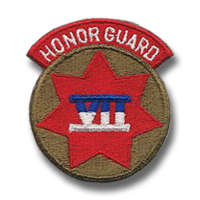
| VII Corps Honor Guard I noticed at the end of the section I was looking at for VII Corps, you show an additional patch. Which is an honor guard attached to the VII Corps patch as if it was one. We had two honor guards in Hq and Hq Company VII Corps located at Kelley Barracks. Both were assigned to be the flag bearers for the commanding General, Lt. Gen Truman and visiting General. The honor guard themselves were the soldiers from the attached LLRP company, but they didn't wear honor guard patches. I was one of the two from late 1963 until Apil 1965. I'm going to have to dig out my old uniform and see if that is actually one patch or two. Both of us were also issued a special steel pot just for Honor Guard ceremonies, which had the VII Corps emblem on both sides. That was too much of a treasure to leave behind and I still have it today. It's a little worse for wear, but still in pretty good shape being 50 years old. I've inquired in the past about others having steel pots like this and no one knew for sure. If that patch is actually a single patch and not two separate as I thought, it might be pretty rare itself. I've seen a lot of pictures of soldiers of all ranks in many different ceremonies and I've never seen a steel pot that was OD Green with any insignias other than an officers rank. I still have a copy of the Jayhawk newsletter somewhere from one of the two times I was general's orderly before becoming exempt because of the honor guard status. And at a Corps headquarters, it really is being a general's orderly for the day. However my copy from back in 1963 is somewhat basic compared to the one displayed from 1968. Then again, maybe ours was just covering our posts activities and it was a daily paper or news sheet. More on the Honor Guards HQ VII Corps This was back when the Draft was a major source of manpower for the Army and most were in their late twenties when drafted. Since the post was primarily full of truck drivers and clerks, there really were not any companies that anyone might call a company full of soldiers with a lot of discipline. Yes they all had their specialties, but soldiering wasn't one of them. Since the LRRP company was full of mostly young airborne volunteers and attached to VII Corps headquarters, keeping in shape along with drilling was a normal part of their daily lives. Why settle for a company full of men that can't keep in step in a simple formation. I'm assuming the honor of having the Generals flag bearers coming from Hq and Hq Company was expected and might have been considered an insult to not be able to provide at least two capable bodies. So the two of us were the only ones in the actual Honor Guard, so to speak. If I remember right, not only did we have those special steel pots, but we also had to wear white spats over our boots. So the LRRP company was just the one company passing in review to go along with the VII Corps Band playing. If it was a higher ranking General, I believe they brought in more companies from somewhere else for a better show. In the twenty months I was stationed there, we only had one parade which included all the different companies on post and numerous ones from elsewhere. This happened right after I first arrived in Germany and I was stunned at the inability to get four companies to line up and march in step. I don't know how many hours were wasted on basic drill instructions, but it took up a lot of our evenings and Saturday's. We only had to do two things, keep in step and make four right turns and we were back where we started from. It was the largest ceremony I ever took part in outside of Heidelberg and Frankfurt. I don't know how anyone could forget how to keep in step after 8 weeks of basic training. I had a slight edge, since I played in the high school marching band. The ceremony in Heidelberg was without marching troops and consisted of nothing but one member from each company in Europe and their company flag. That was the toughest one, with everyone trying to salute and lower their company flags in unison and the building was jammed full of those flags. How it actually looked I have no idea as I was in the front ranks. I've been back to Kelley barracks four times over the years. The first time was in 1987, 22 years after leaving the Army and the post looked almost the same. The next time was in 1997 and I was stunned to find out that VII Corps no longer existed, plus the post was going down hill from a lack of maintenance. I also stopped by two other times in the early 2000's. The country side setting that Kelley Barracks was in back in the 60's was long gone by 1987, along with the tiny village near by that still had family houses with the animals in the first level, the owners on the second and US military renters on the third. I found the uniform and took a modern picture versus a black and white photo from 50 years ago. Surprisingly I have an old 8MM that is in color and still looks pretty good from the day of my departure. My daughter had converted a bunch of old 8MM to DVD several years ago. Most of them were falling apart, so I was surprised that they were able to salvage anything. I forgot about the tailoring of my uniform. They had passed rules that no one was allowed to have tailored uniforms on our post and everyone had to let theirs out or buy new ones. That is everyone but the two honor guards and that included all of our uniforms. I was looking at how narrow the pant legs are and the 28" waste line. That's four inches I'll never be able to suck in again. I've also included a picture of the Helmet. It still has some dust on it, but I'm afraid to try and clean it with anything as everything is coming unglued, bit by bit. As far as any stories, it was mostly veterans from WWII and Korea still running the show. We had all heard the stories about everyone being extended indefinitely during WWII, which was a scary thought. War was one thing, but not knowing if or when you'd ever get out is another. The first thing I found out when I arrived was the number of guys still there from the Berlin Crisis that had an extra year extended on their tour. Two years became three and three years tours became four. I don't believe there were any draftees left by the time I arrived in 1963. I don't know if it was everyone or just some within specialty MOS's that were extended, but it was not a friendly welcoming to Germany. The Corps Commanding General only addressed the troops twice and that was in a nine month span. The first time was the assassination of Kennedy and the second time was the most frightening and we were all blindsided by the news. He stated that the US had been attacked in the Gulf of Tonkin and that the Congress had declared war on the country of North Vietnam. My first thought, Oh crap, I only have eight months to go and their never going to let me out. My second thought was the same as almost everyone else, where the hell is North Vietnam. How in the world did a Lt. General get bad information like that. Afterwards I was so grateful that I had volunteered in the Army and for duty in Germany, while all my friends where back home sweating out the draft and trying to decide if they should get married or what. Not a lot of excitement at VII Corps headquarters in peace time, at least until the Gulf war. The funniest thing that actually happened to me was on my return visit in 1987. I stopped by the VII Corps historians office to ask a couple questions. I had first stopped in the battalion office and noticed several trophies for Hq and Hq Company dating back to the early to mid 1960's and nothing for many years later. Of course I remembered many of the names. I asked the historian why the huge gap and he wanted to know if I was in Germany back then and I said yes I was right here. He wanted to know what company my "father" was in? Not my father but myself. And I can still see the dumb founded look on his face. He said something like, I'm a lot older looking than you and I wasn't old enough to join the Army back in 1965, let alone have already served three years. Just how old are you??? Talk about making someone feel like an old fossil in a hurry with one quick breath. It turned out that some Corps commanding general after I left didn't like the idea of trophies and ordered them all destroyed. Fortunately someone took it upon themselves to hide a bunch of our trophies in a crawl space in the company building to be accidentally found many years later. Since they were the only surviving trophies from early decades, they had been put on display in the battalion office. I don't remember who the general was. The historian was all excited that I actually knew many of these guys and had a list of several names from that time frame and wanted to know If I knew any of them. Plus a lot of other questions that I never knew or couldn't remember much after 22 years. The one thing that always surprised me, they never locked down the post no matter what was going on in the world or at least when I stopped by. Show our passports and tell them I'm only here for a drive by to see the old stomping grounds and they just wave us on in with a polite greeting like, have a good day sir. Hell, the MP's were even courteous back in the 1960's. I missed the AWOL bus one night and had to climb the fence, which wasn't a problem. It was that damn coiled razor wire on the ground that did me in. You had to carefully lower yourself down onto it and then make a good leap off so as not to get caught when it sprang back up. I was wearing a trench coat and didn't leap fast enough and as you might imagine, it rolled my coat right up with it. There I am about ten feet from the road stuck in the wire and around the corner comes the MP patrol in their jeep and I'm caught in their headlights. They just drove right on by and must have gotten tons of laughs out of that sight for many months. Talk about a deer caught in your headlights, wait till you hear this one!!! I had to squirm out of my coat and then remove it from the barb wire. Needless to say, I'm lucky that my coat was the only thing shredded that night. I don't know how many pictures you'll get, they keep disappearing and I keep adding them back in. It should only be two. Notice the honor guard patch is not the same color as the VII Corps patch. It is red, white and blue to match the corps colors in the center and a separate patch. It could be that the patch on your forum is from a more modern era or it could be a fake look-a-like. There are an awful lot of the VII Corps patches for sale on Ebay, with many of them claiming to be from as far back as WWII and still looking to be like new!!! It doesn't make sense to produce them for just two people unless the Corps commander decided to make an official honor guard out of Kelley Barracks personnel. Please let me know if anyone has seen a steel helmet like this before. |
||||||||||||||||||||||||||||||||||||||||||||||||||||||||||||||||||||||||||||||||||||||||||||||||||||||||
| 1966 | ||||||||||||||||||||||||||||||||||||||||||||||||||||||||||||||||||||||||||||||||||||||||||||||||||||||||
| (Source: FM 100-15 Change 1, Field Service Regulations, Larger Units, March 1966) | ||||||||||||||||||||||||||||||||||||||||||||||||||||||||||||||||||||||||||||||||||||||||||||||||||||||||
|
||||||||||||||||||||||||||||||||||||||||||||||||||||||||||||||||||||||||||||||||||||||||||||||||||||||||
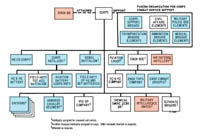
| VII CORPS ORGANIZATION - 1966 | ||||||||||||||||||||||||||||||||||||||||||||||||||||||||||||||||||||||||||||||||||||||||||||||||||||||||
|
||||||||||||||||||||||||||||||||||||||||||||||||||||||||||||||||||||||||||||||||||||||||||||||||||||||||
|
||||||||||||||||||||||||||||||||||||||||||||||||||||||||||||||||||||||||||||||||||||||||||||||||||||||||
| The above list is not complete. I will update periodically as I gather more details. | ||||||||||||||||||||||||||||||||||||||||||||||||||||||||||||||||||||||||||||||||||||||||||||||||||||||||
|
|
||||||||||||||||||||||||||||||||||||||||||||||||||||||||||||||||||||||||||||||||||||||||||||||||||||||||
| (Source: Email from John Cooper, son of the late George H. Cooper, G-2 Air, HQ VII Corps, 1966-67) | ||||||||||||||||||||||||||||||||||||||||||||||||||||||||||||||||||||||||||||||||||||||||||||||||||||||||
| My father , MAJ George H. Cooper, was the G-2 Air for VII Corps. The G-2s were first Col. Roberts and then Col. John B. Wadsworth, Jr. Col. Roberts was an Army Ranger who was captured at Dieppe. He had a son who was a good friend of mine. We lived next door to each other on the third floor of the apartments as I remember. There were potato fields behind the apartments. Beyond the potato fields were apple orchards. Col. Roberts’ son and I conspired to reach the apple orchard and gorge on delicious green apples. This we successfully did, but unknown to us, a Soviet Military Liaison vehicle had just been spotted. We were accounted missing and troops and helicopters were literally beating the bushes looking for us. Needless to say, our fathers were not happy. Although I was only four, I remember being spanked up three flights of stairs to our apartment. But those apples were good! The G Staff later took on a character wherein most of the officers were USMA ’48. Many of them had also been in the 7th Cav. In Korea. The lone exception was the G-1 who had been a classmate, but had been kicked out of West Point on a cheating scandal. He had enlisted just in time for Korea, and had received a battlefield commission that placed his date of rank just senior to his former classmates. The G-2, G-3, G-4, and G-5 habitually went out on parties over the weekends, but not the G-1 or my father. We would go out to see Germany—wonderful memories! I also remember my Dad taking me in our Rover 2000 to the IGB to take pictures of Warsaw pact forces on maneuvers. I would be very interested in any other recollections of the G Staff of 1966-1967. |
||||||||||||||||||||||||||||||||||||||||||||||||||||||||||||||||||||||||||||||||||||||||||||||||||||||||
| (Source: 48th Anniversary. The JAYHAWK Anniversary Issue, August 19, 1966 - Information submitted by Dave Guilliams, 67th Aviation Company, Jun 1966 - Nov 1968) In 1966, VII Corps is comprised of the following units: |
||||||||||||||||||||||||||||||||||||||||||||||||||||||||||||||||||||||||||||||||||||||||||||||||||||||||
|
||||||||||||||||||||||||||||||||||||||||||||||||||||||||||||||||||||||||||||||||||||||||||||||||||||||||
| (Source: Email from Bob Lipscomb, SIC, S-2, HQ VII Corps Artillery, 1965-66) | ||||||||||||||||||||||||||||||||||||||||||||||||||||||||||||||||||||||||||||||||||||||||||||||||||||||||
| I was stationed
at Kelley Barracks for part of 1965 and all of 1966. I was with SIC
(Survey Information Center).
This section was under S-2 and I distinctly remember a Sgt. Major
Wright being in S-2. The purpose or mission statement for SIC was never discussed but one job we had was to keep surveys all over Germany current. i.e., units below us would send in surveys and would keep us posted as to what survey points were still usable and which were not. In other words, there may have been a survey that took a telephone pole as one of its headings. That pole may have been knocked down or removed completely. We would receive a survey record that noted the changes. We would then mark a large map with a variety of colored map pins to note the various survey changes. I had a secret clearance but couldn't go into a safe room where a Top Secret clearance was needed. Unless of course there was an alert at which time all bets were off and the Sgt. Mgr. would tell me and some other poor soul to go in there and get the trunk of vital documents and load it onto the truck. As for a story or remembrance... At one point in time, close to my departure date, a few vehicles (Jeep, two 3/4 Ton Trucks, 2 Deuce and a half trucks) went missing. This was the total issue of vehicles to our small section of 7 or 9 men (during Vietnam we weren't getting replacements in certain slots). I was senior NCO (E-5 with 5 or 6 days in grade, ha!) and I had signed for those vehicles. After much wrangling over this the accuser and the accused (me!) went to the motor pool and there sat all five vehicles. I deligently pointed out the Jeep, two 3/4 ton trucks, two deuce and a halfs to the accuser who proceeded to tell me that those weren't VII Corps Arty. trucks those were trucks from a battalion level outfit and they weren't to be counted with the others. I quickly pointed out to the numbscull accuser that our SIC section had been reassigned on paper but maintained residence at Kelley. The truck bumpers in question had been repainted to reflect our new assignment designation. The confusion was too much for the accuser and he left, shaking his head and muttering something about taking it up with his superior. Bob Lipscomb |
||||||||||||||||||||||||||||||||||||||||||||||||||||||||||||||||||||||||||||||||||||||||||||||||||||||||
|
|
||||||||||||||||||||||||||||||||||||||||||||||||||||||||||||||||||||||||||||||||||||||||||||||||||||||||
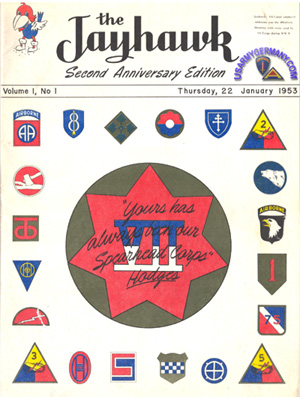
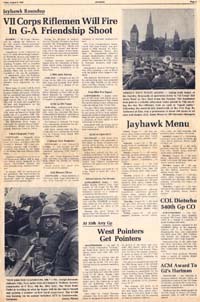
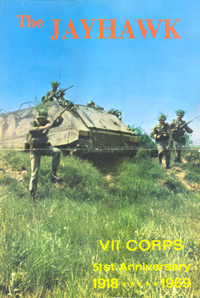
| The JAYHAWK - Some of the issues published while in Germany | ||||||||||||||||||||||||||||||||||||||||||||||||||||||||||||||||||||||||||||||||||||||||||||||||||||||||
 |
||||||||||||||||||||||||||||||||||||||||||||||||||||||||||||||||||||||||||||||||||||||||||||||||||||||||
|
||||||||||||||||||||||||||||||||||||||||||||||||||||||||||||||||||||||||||||||||||||||||||||||||||||||||
| In addition, Dave has the following comments in regards to the 50th Anniversary issue (published on Aug 16, 1968): 3rd Brigade, 24th Inf Div remains in Germany; 1st and 2nd Brigades have been returned to the US "for training" (REFORGER); they will be redeployed to Germany if they are needed 2nd Sq, 14th Armd Cav Regt is designated to reinforce 2nd Armd Div The 540th Engr Gp has a Topographical company (no numerical designation given, but probably the 524th Engr Co (Topo)(Corps)) |
||||||||||||||||||||||||||||||||||||||||||||||||||||||||||||||||||||||||||||||||||||||||||||||||||||||||
| MISCELLANEOUS (Source: The Jayhawk, Special Supplement, Aug 19, 1969) Lt Gen Donald V. Bennett, Commanding General, VII Corps In 1969, VII Corps was comprised of the following units: 3rd Inf Div4th Armd Div3rd Bde, 24th Inf Div (Fwd) 35th FA Gp72nd FA Gp210th FA Gp2nd Armd Cav Regt (reinf by 2nd Sq, 14th ACR)34th Sig Bn16th Avn Bn 7th Engr Bde (new)VII Corps Support Command (COSCOM) (new) VII Corps Special Troops7th Engr Bde - formed through the consolidation of the 540th and 555th Engineer Groups. The brigade is comprised of six battalions and several separate companies. 16th Avn Bn - the 16th has been supporting VII Corps since 1966. Headquarters is located at Nellingen with component units located at Ansbach and Echterdingen. The 67th Avn Co at Echterdingen furnishes both fixed wing as well as helicopter support for VII Corps headquarters. Its primary mission is to provide transportation support to the VII Corps CG and his staff. Other missions include observation and utility support. The 349th Avn Co at Ansbach (Katterbach) provides light helicopter troop and cargo transportation. COSCOM - this new command succeeds the former 3rd Brigade, 7th Army Support Command. Scattered throughout southern Germany, the command's nine battalions provide ordnance, maintenance, suppy and service support. The battalions include: Personnel & Administrative Bn1st Maintenance Bn71st Maintenance Bn303rd Maintenance Bn101st Ordnance Bn 4th Transportation Bn 35th Supply & Service Bn 95th Supply & Service Bn 242nd Supply & Service Bn |
||||||||||||||||||||||||||||||||||||||||||||||||||||||||||||||||||||||||||||||||||||||||||||||||||||||||
| 1970 | ||||||||||||||||||||||||||||||||||||||||||||||||||||||||||||||||||||||||||||||||||||||||||||||||||||||||
| (Source: 52nd Anniversary, 1918 - 1970. The JAYHAWK Anniversary Issue, August 19, 1970.) | ||||||||||||||||||||||||||||||||||||||||||||||||||||||||||||||||||||||||||||||||||||||||||||||||||||||||
|
On
January 22 1951, VII Corps was reactivated at Fort George G. Meade,
Maryland.
After a summer and early autumn of training in the United States, VII Corps moved to Germany to join Seventh Army and NATO. Since that time, the mission of VII Corps has been to maintain combat readiness and establish cordial relationships with our NATO Allies. In 1970, the Jayhawk team is comprised of the following units: |
||||||||||||||||||||||||||||||||||||||||||||||||||||||||||||||||||||||||||||||||||||||||||||||||||||||||
|
||||||||||||||||||||||||||||||||||||||||||||||||||||||||||||||||||||||||||||||||||||||||||||||||||||||||
| The past year saw the 24th Infantry Division (Forward) redesignated as the forward element of the 1st Infantry Division. | ||||||||||||||||||||||||||||||||||||||||||||||||||||||||||||||||||||||||||||||||||||||||||||||||||||||||
| (Source: Email from Craig M. Clarkson) | ||||||||||||||||||||||||||||||||||||||||||||||||||||||||||||||||||||||||||||||||||||||||||||||||||||||||
Visited the web site for Kelley Barracks for the first time this a.m. and enjoyed reading its history. It brought back memories for this old man.
When I arrived at Kelley I had just turned 20. I was assigned to the clerical staff where I worked under the direction of (if memory serves me) Col Humprey and a LTC Dubois. When LTC Dubois learned that I spoke German he asked me if I would like to be re assigned to the office of BG Alan Ross Toffler and LTG Georgle S. Blanchard. I said yes and the rest is history.
I worked directly for BG Toffler and I truly enjoyed it. I remember his kindness very well. In the year that I worked in the office - LTG Blanchard never once spoke to me. I do remember that when people came into the area it was considered the "hush" "hush" section. I also remember that it was in Administration Support. Thank you again for having the site available. I learned recently that it is still an active duty base and maybe within the next few years I will return to Germany and re visit it.
By the way, I still have contact with several members who were there during that time period - to include my supervisor. I was in MN in Nov 04 making a visit to Michael L. Stevens who (at the time) was the base photographer.
I lost contact with Gary L. Fitch who was my roomate...Should you or have you heard from him I would like you to pass my address onto him.
|
||||||||||||||||||||||||||||||||||||||||||||||||||||||||||||||||||||||||||||||||||||||||||||||||||||||||
| 1979 | ||||||||||||||||||||||||||||||||||||||||||||||||||||||||||||||||||||||||||||||||||||||||||||||||||||||||
| (Source: Email from Peter Manley) | ||||||||||||||||||||||||||||||||||||||||||||||||||||||||||||||||||||||||||||||||||||||||||||||||||||||||
| Between 1979-1986, I was a civilian employed by HQ Security Systems Section at Grenadier Kaserne, in Stuttgart responsible for the installation of the JSIIDS Alarm System throughout the command. Although the system was not very good I had the time of my life travelling around West Germany. Seeing your site with all the names of the kasernes brought back happy memories. I am trying to get hold of the personnel from that time. I wasn't a contractor. I was the Contracts Officer for the Security Systems Section. The military had developed a system JSIIDS -- the Joint Services Interior Intrusion Detection System -- for use throughout the Corps. I was responsible for the installation contracts, carried out by a UK firm, and the training of the troops. The thing didn't work partcularly well because it was designed for the US frequency (60hz) but in Europe we generated at 50hz, so it would never sync up and made a terrible racket at the monitoring station. Augsburg was the first to go live and everyone was there including Stars and Stripes! they had a cake and everything, but the 24 zone panel wouldn't stop flashing so it had to be switched off. Red faces all round. Months later we manged to get it working without the data transmitter unit but the noise was still bad and some guy put a 44 bullet into it! As we were not allowed to run the system without the DT it had to be switched off and this was the same across a lot of the kasernes. I couldn't use the commissary but I could use all the other facilities including the officers club and the base canteens. The food at Bad Cannstatt was superb -- all you could eat for about $3. Happy times and I was sad to leave to return home to London but I imagine it all changed when the wall came down in 1989. Oddly, enough during the past few years I worked at Lakenheath and I noticed they still had a JSIIDS in the reception -- perhaps they got it working. |
||||||||||||||||||||||||||||||||||||||||||||||||||||||||||||||||||||||||||||||||||||||||||||||||||||||||
| 1983 | ||||||||||||||||||||||||||||||||||||||||||||||||||||||||||||||||||||||||||||||||||||||||||||||||||||||||
| (Source: Email from David Gregory) | ||||||||||||||||||||||||||||||||||||||||||||||||||||||||||||||||||||||||||||||||||||||||||||||||||||||||
| I just stumbled accross your website through links and have been looking around. Thanks for making it, I still have a lot left to look at. There sure were a lot of us who helped win the Cold War in Europe. When the Berlin Wall fell I was at home, and didn't really have anyone around who understood the true significance of the removal of this threat. The fact that it was a "cold" rather than "hot" war escapes the understanding of most people. I do not think that most people, including the average soldier serving at the time, realized how dangerous the time really was. Maybe it was because of the job I had, and the information available to me as well as the things I saw, that made it real to me. I was an 84B (Still Photographer) & 84F (Video Photographer) with HHC VII Corps from 1983-Dec 1985 in the G3 TASO Training & Audiovisual Support Office. Our duties included photographic support of VII Corps HQ (everything from passports for newborn babies to Grip & Grins to training materials to slides for Plans & Ops to threat assesment briefings to Intelligence Briefs for the CG), some photographic support to US European Command (they had limited photographic facilities), support to all of the communities (and their component agencies) under the VII Corps commander, and support to the component units in the VII Corps at that time. We were also occasionally tasked to support the ACE (Allied Command Europe) Mobile Force, VII Army Training Command, VII Corps PAO (Public Affairs Office), & AFN Stuttgart. On occasion, some of our staff was pulled to Frankfurt (V Corps) to support our V Corps counterpart when they were on REFORGER duty, to free up their staff to cover V Corps REFORGER. On occasion we were also dispatched to Einsiedlerhof Air Station in K-town where USAREUR & USAFE operated a facility known of as the Warrior Preparation Center. This was primarily a computer battle simulation center where the command staffs could run real-time war games against our opponents and if I remember correctly was linked to the US Army Command & General Staff College Simulation Center at Ft Riley. This allowed our European Command staffs (not just Corps, but Divisions & separate Brigades) to get command time without the expense of putting tens of thousands of Troops and equipment in the field. By the 1980's, there was a concerted effort to minimize the costly damage of putting M-1's, Bradleys and track Howitzers out in the civilian areas. In addition, political tensions were high due to President Reagan's deployment of Pershing II and Air Force Ground-Launched Cruise Missiles in Europe. This was the time of the "Zero-Option" when many in Europe, and America, believed that if we would just do away with our missiles & overseas forces the Russians would just withdraw from Eastern Europe. I can remember very large protests held throughout central and southern Germany at that time, including right outside our gate at VII Corps HQ. Most Germans were very friendly and went out of their way to be kind to us, especially as you got closer to the 1K Zone (East German/Czech Border) where our 2nd ACR patrolled. The soldiers of the 2nd ACR deserve special recognition, as they were kept on essentially Wartime standing from the day they finished in-processing until the day they left. Leaves and passes for the 2nd Cav soldiers were much more scarce then for the rest of us. The Cav soldiers probably left Germany with very few pictures of the tourist sites, fests, and other things that the rest of us brought home. It has been a long time since I have even looked at my photos from my days in VII Corps, and if I find anything you might be able to use, I'll send them along to you. |
||||||||||||||||||||||||||||||||||||||||||||||||||||||||||||||||||||||||||||||||||||||||||||||||||||||||
|
||||||||||||||||||||||||||||||||||||||||||||||||||||||||||||||||||||||||||||||||||||||||||||||||||||||||
|
|
||||||||||||||||||||||||||||||||||||||||||||||||||||||||||||||||||||||||||||||||||||||||||||||||||||||||
| VII Corps Artillery | ||||||||||||||||||||||||||||||||||||||||||||||||||||||||||||||||||||||||||||||||||||||||||||||||||||||||
| KELLEY BARRACKS, MÖHRINGEN | ||||||||||||||||||||||||||||||||||||||||||||||||||||||||||||||||||||||||||||||||||||||||||||||||||||||||
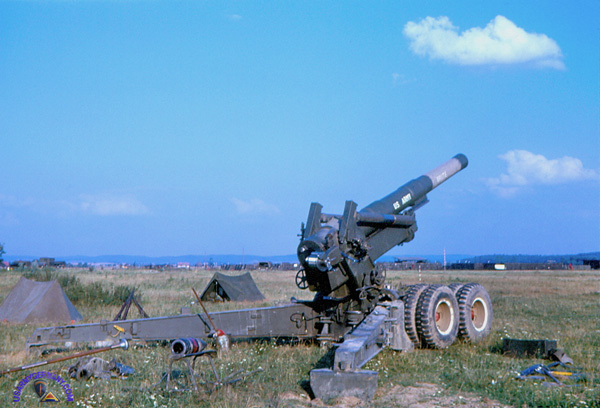 An 8" towed howitzer of 3rd Bn, 37th Arty at Schwaebisch Hall, early 1960s (Richard Martin) |
||||||||||||||||||||||||||||||||||||||||||||||||||||||||||||||||||||||||||||||||||||||||||||||||||||||||
1952 |
||||||||||||||||||||||||||||||||||||||||||||||||||||||||||||||||||||||||||||||||||||||||||||||||||||||||
 Headquarters VII Corps Artillery Christmas Menu w/ Roster |
||||||||||||||||||||||||||||||||||||||||||||||||||||||||||||||||||||||||||||||||||||||||||||||||||||||||
| 1956 | ||||||||||||||||||||||||||||||||||||||||||||||||||||||||||||||||||||||||||||||||||||||||||||||||||||||||
| (Source: USAREUR STATION LIST, 31 March 1956) | ||||||||||||||||||||||||||||||||||||||||||||||||||||||||||||||||||||||||||||||||||||||||||||||||||||||||
| VII CORPS ARTY ORGANIZATION - 31 MARCH 1956 | ||||||||||||||||||||||||||||||||||||||||||||||||||||||||||||||||||||||||||||||||||||||||||||||||||||||||
|
||||||||||||||||||||||||||||||||||||||||||||||||||||||||||||||||||||||||||||||||||||||||||||||||||||||||
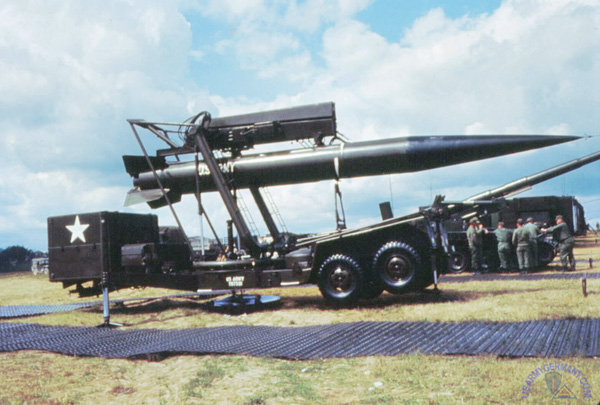 SERGEANT missile launcher of 5th MSL Bn, 73rd Arty at Erlangen, 1965 (Ed Burns) |
||||||||||||||||||||||||||||||||||||||||||||||||||||||||||||||||||||||||||||||||||||||||||||||||||||||||
| 1967 | ||||||||||||||||||||||||||||||||||||||||||||||||||||||||||||||||||||||||||||||||||||||||||||||||||||||||
| (Source: USAREUR STATION LIST, June 30, 1967) | ||||||||||||||||||||||||||||||||||||||||||||||||||||||||||||||||||||||||||||||||||||||||||||||||||||||||
| VII CORPS ARTY ORGANIZATION - 30 JUNE 1967 | ||||||||||||||||||||||||||||||||||||||||||||||||||||||||||||||||||||||||||||||||||||||||||||||||||||||||
|
||||||||||||||||||||||||||||||||||||||||||||||||||||||||||||||||||||||||||||||||||||||||||||||||||||||||
| 1968 | ||||||||||||||||||||||||||||||||||||||||||||||||||||||||||||||||||||||||||||||||||||||||||||||||||||||||
| (Source: STARS & STRIPES, Aug 28, 1968) | ||||||||||||||||||||||||||||||||||||||||||||||||||||||||||||||||||||||||||||||||||||||||||||||||||||||||
| Army Training Tests VII Corps artillery units are currently taking their annual Army Training Tests at Grafenwoehr. The ATT's began July 1 and will continue through the middle of December. All VII Corps artillery battalions are tested once a year under the eyes of VII Corps umpires to determine their state of readiness. Units must prove their proficiency in conducting fire missions and in survey, communications, tactics, special weapons, maintenance, code of conduct and CBR training. The big test of the ATT's is setting up firing positions, moving from one location to another, dry firing and completing several other training projects. |
||||||||||||||||||||||||||||||||||||||||||||||||||||||||||||||||||||||||||||||||||||||||||||||||||||||||
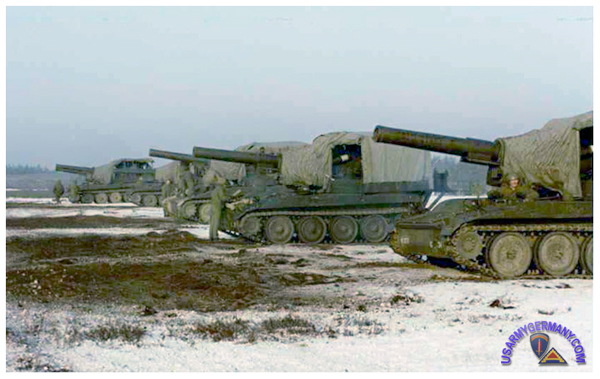 M110 8" SP howitzers of 3rd Bn, 17th FA from Nuernberg, early 1970s (Rick Landrum) |
||||||||||||||||||||||||||||||||||||||||||||||||||||||||||||||||||||||||||||||||||||||||||||||||||||||||
| 1971 | ||||||||||||||||||||||||||||||||||||||||||||||||||||||||||||||||||||||||||||||||||||||||||||||||||||||||
| (Source: STARS & STRIPES, Jan 11, 1971) | ||||||||||||||||||||||||||||||||||||||||||||||||||||||||||||||||||||||||||||||||||||||||||||||||||||||||
| 35th Artillery Group to be Inactivated The 35th Arty Gp at Warner Barracks, Bamberg, will be inactivated on Jan 15 in a move to streamline VII Corps artillery command and control headquarters. Artillery battalions currently controlled by the 35th group will be reassigned to the remaining corps artillery groups, the 72nd Arty Group in Wertheim and the 210th Arty Group in Ansbach. Webmaster note: Artillery units attached to 35th Arty Gp (Sept 1970) (1): Btry A, 2nd Bn, 25th FA (Tgt Acq), Warner Bks, Bamberg3rd Bn, 17th FA (8in SP), Merrell Bks, Nürnberg3rd Bn, 37th FA ( 8in SP), Eastman Bks, Dachau 1st Bn, 75th FA (8in SP), Warner Bks, Bamberg (1) Source: USAREUR STATION IST (30 Sept 1970) |
||||||||||||||||||||||||||||||||||||||||||||||||||||||||||||||||||||||||||||||||||||||||||||||||||||||||
| SHERIDAN KASERNE, AUGSBURG | ||||||||||||||||||||||||||||||||||||||||||||||||||||||||||||||||||||||||||||||||||||||||||||||||||||||||
| 1974 | ||||||||||||||||||||||||||||||||||||||||||||||||||||||||||||||||||||||||||||||||||||||||||||||||||||||||
| (Source: STARS & STRIPES, Aug 5, 1974) | ||||||||||||||||||||||||||||||||||||||||||||||||||||||||||||||||||||||||||||||||||||||||||||||||||||||||
| An article stating that BG Charles C. Rutgers, the commander of VII Corps Artillery at that time, had relieved Col C. M. Hurtt as commander of the Augsburg Military Community, indicates that VII Corps Artillery must have made the move from Möhringen to Augsburg in this time frame. | ||||||||||||||||||||||||||||||||||||||||||||||||||||||||||||||||||||||||||||||||||||||||||||||||||||||||
| Webmaster comment: The above is substantiated by a brief "History of VII Corps Artillery" found in the 3rd Armored Division Band Papers, Box 7, Forlder 3 at AHEC, in which it is stated that VII Corps Artillery moved from Stuttgart (Möhringen) to Augsburg in 1974. | ||||||||||||||||||||||||||||||||||||||||||||||||||||||||||||||||||||||||||||||||||||||||||||||||||||||||
 Former headquarters building (#101) of VII Corps Arillery after the move from Möhringen in 1974 (Robert Larson) |
||||||||||||||||||||||||||||||||||||||||||||||||||||||||||||||||||||||||||||||||||||||||||||||||||||||||
| (Source: Robert Larson, VII Corps Artillery) | ||||||||||||||||||||||||||||||||||||||||||||||||||||||||||||||||||||||||||||||||||||||||||||||||||||||||
| I was stationed / assigned to serve duty with VII CORPS ARTY HQ Command - when it was located in Sheridan Kaserne - bldg 101 on the far east side of Sheridan just south of the east gate. We had regular dispatches between the VII Corps HQ in Stuttgart, but the Commander of VII Corps Corps ARTY was located in Augsburg. I was assigned to perform duty as Staff "Artist" for Major General Vincent Falter (circa 1981). The VII Corps Artillery HQ CG was also the U.S. Army Augsburg Military Community Commander. |
||||||||||||||||||||||||||||||||||||||||||||||||||||||||||||||||||||||||||||||||||||||||||||||||||||||||
| 1976 | ||||||||||||||||||||||||||||||||||||||||||||||||||||||||||||||||||||||||||||||||||||||||||||||||||||||||
| (Source: USAREUR STATION LIST, 1 June 1976) | ||||||||||||||||||||||||||||||||||||||||||||||||||||||||||||||||||||||||||||||||||||||||||||||||||||||||
| VII CORPS ARTY ORGANIZATION - 1 JUNE 1976 | ||||||||||||||||||||||||||||||||||||||||||||||||||||||||||||||||||||||||||||||||||||||||||||||||||||||||
|
||||||||||||||||||||||||||||||||||||||||||||||||||||||||||||||||||||||||||||||||||||||||||||||||||||||||
| (1) Source: Email from Rob Allen Correction: 2nd Bn 377th (LANCE) later became 2-12th FA (LANCE). It stayed with VII Corps with a general support mission with tactical range rockets facing the Soviet threat with nuclear capability until 1992 at the casing of the VII Corps colors. Then 2-12th FA was reassigned to V Corps at that time, still located at Herzo Base, Germany, until LANCE deactivation a few years later as a SALT and START treaty stipulation. I was a battery commander and Ops officer in the 2-12th FA (LANCE) during that time. |
||||||||||||||||||||||||||||||||||||||||||||||||||||||||||||||||||||||||||||||||||||||||||||||||||||||||
| 1986 | ||||||||||||||||||||||||||||||||||||||||||||||||||||||||||||||||||||||||||||||||||||||||||||||||||||||||
| (Source: FAMAG, Nov-Dec, 1986) | ||||||||||||||||||||||||||||||||||||||||||||||||||||||||||||||||||||||||||||||||||||||||||||||||||||||||
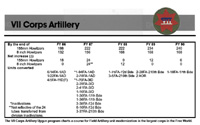
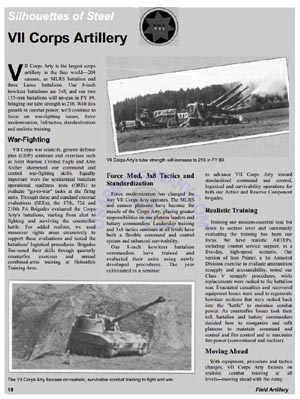
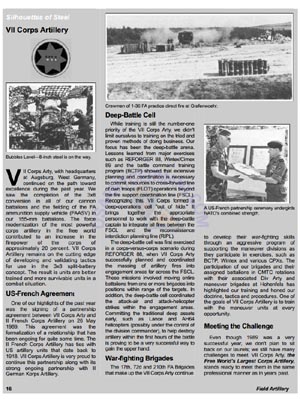
| The Artillery of the VII US Corps supports what is currently the largest maneuver corps in the Free World. Headquarters, VII Corps Artillery; its 13 battalions and 3 Field Artillery brigade headquarters; the artilleries of the 1st Armored and the 3d Infantry Divisions; the 2d Battalion, 5th Field Artillery of the 1st Infantry Division Forward; the howitzer batteries of the 2d Armored Cavalry Regiment, and the artillery of the 12th German Panzer Division form our remarkable Field Artillery Community. During the past year, the leadership of these fine units have taken advantage of new equipment and organizations to improve the quality and quantity of fire support to the VII Corps. Several of our specific initiatives in force modernization, training, command and control, and deep operations are particularly noteworthy. Force Modernization The main thrust of VII Corps Artillery force modernization effort has been increased firepower. Implementation of Division 86 and the Army of Excellence designs has resulted in an increase in the number of cannon tubes within the Corps. Specifically, our up-gun program consists of 3 parts. • Conversion of all 155-mm battalions from the 3x6 to 3x8 format. • Conversion of 8-inch battalions from the 3x4 and 3x6 formats to the 3x8 organizations. • Conversion of the divisional 8-inch and multiple launch rocket system (MLRS) battalions to separate MLRS batteries. |
||||||||||||||||||||||||||||||||||||||||||||||||||||||||||||||||||||||||||||||||||||||||||||||||||||||||
|
||||||||||||||||||||||||||||||||||||||||||||||||||||||||||||||||||||||||||||||||||||||||||||||||||||||||
| In the areas of mobility and transportability, VII Corps Artillery recently began to improve its cargo fleet with the initial fielding of the M984 and M977 heavy expanded mobility tactical truck (HEMTT). Each of these 10-ton trucks will replace 2 5-ton trucks for ammunition transport in the cannon battalions. Our MLRS units received the M985 model HEMTT for ammunition hauling and handling. Modernization of the Corps Artillery's survey capabilities also continued with the fielding of 9 additional position and azimuth determining systems. | ||||||||||||||||||||||||||||||||||||||||||||||||||||||||||||||||||||||||||||||||||||||||||||||||||||||||
| 1988-89 | ||||||||||||||||||||||||||||||||||||||||||||||||||||||||||||||||||||||||||||||||||||||||||||||||||||||||
| (Source: Field Artillery Professional Bulletin, Dec 1988 & Dec 1989 - website) | ||||||||||||||||||||||||||||||||||||||||||||||||||||||||||||||||||||||||||||||||||||||||||||||||||||||||
|
||||||||||||||||||||||||||||||||||||||||||||||||||||||||||||||||||||||||||||||||||||||||||||||||||||||||
|
||||||||||||||||||||||||||||||||||||||||||||||||||||||||||||||||||||||||||||||||||||||||||||||||||||||||
| Target Acquisition Units | ||||||||||||||||||||||||||||||||||||||||||||||||||||||||||||||||||||||||||||||||||||||||||||||||||||||||
| 2nd Observation Battalion, 25th Artillery | ||||||||||||||||||||||||||||||||||||||||||||||||||||||||||||||||||||||||||||||||||||||||||||||||||||||||
 2nd Observation Battalion, 25th Artillery DI (?) 2nd Observation Battalion, 25th Artillery DI (?) |
||||||||||||||||||||||||||||||||||||||||||||||||||||||||||||||||||||||||||||||||||||||||||||||||||||||||
| 1967 | ||||||||||||||||||||||||||||||||||||||||||||||||||||||||||||||||||||||||||||||||||||||||||||||||||||||||
| (Source: STARS & STRIPES, March 1, 1968) | ||||||||||||||||||||||||||||||||||||||||||||||||||||||||||||||||||||||||||||||||||||||||||||||||||||||||
| The CO of Btry "D," 25th Arty, VII Corps' artillery aviation battery, has devised an airborne radio complex that allows the extension of the range line-of-sight radio communications between ground stations. The two set radio complex is installed on a U-6 BEAVER, dubbed "Jayhawk Satellite." When the plane is airborne, the radio operator on board establishes contact with ground stations which then transmit through the aircraft's equipment. Operating normally at a ceiling of 8,500 feet, the range of the airborne radio relay is approx. 200 miles - about the same range as four or five ground stations. The retransmitter usually operates on two networks: a command net, where artillery commanders can talk to other commanders; and a fire direction net, which aids in the direction of artillery fire. |
||||||||||||||||||||||||||||||||||||||||||||||||||||||||||||||||||||||||||||||||||||||||||||||||||||||||
| 1968 | ||||||||||||||||||||||||||||||||||||||||||||||||||||||||||||||||||||||||||||||||||||||||||||||||||||||||
| (Source: STARS & STRIPES, March 1, 1968) | ||||||||||||||||||||||||||||||||||||||||||||||||||||||||||||||||||||||||||||||||||||||||||||||||||||||||
| Btry "A," 2nd TAB Bn, 25th Arty is assigned to 35th Arty Group in Bamberg. TAB Battery is commanded by 1st Lt Jack J. Campbell. Whenever one of the field artillery battalions of the 35th Group moves out for live fire training, elements of the TAB Btry go along to serve as the eyes of the artillery. In addition to a headquarters and a communications platoon, the Battery consists of several other platoons that specialize in flashing, survey, sound, radar and meteorological operations. During field exercises, the Flash Platoon mans several observations posts to plot the impact of artillery rounds. They report the plots back to the TAB's Flash Central. The Survey Platoon uses the new DME (Distance Measuring Electronically) equipment to conduct surveys measurements. The DME equipment replaces the 30-meter metal tapes used previously. |
||||||||||||||||||||||||||||||||||||||||||||||||||||||||||||||||||||||||||||||||||||||||||||||||||||||||
| 1970 | ||||||||||||||||||||||||||||||||||||||||||||||||||||||||||||||||||||||||||||||||||||||||||||||||||||||||
| (Source: Email from Joe Fosco) | ||||||||||||||||||||||||||||||||||||||||||||||||||||||||||||||||||||||||||||||||||||||||||||||||||||||||
| Perhaps this can posted to the appropriate section regarding former military personnel who once served in Germany; specifically Peden Barracks located in Wertheim. My tour: May 1970 to May 1973 Assigned to : C Btry 2nd TAB Bn, 25th Arty ( a Target Acquistion Battalion ) "Charlie TAB " Location: Peden Barracks - make a right at the front gate and there we were, just before the Officer's Club. MOS : 82C20 Artillery Surveyor Besides " Headquarters " , the other platoons consisted of " Metro ", " Commo ", " Flash ", " Radar " and of course " Survey " Resided in the small town of Kuleshiem and remained there even making E-5; about 16 Kms from the Base. |
||||||||||||||||||||||||||||||||||||||||||||||||||||||||||||||||||||||||||||||||||||||||||||||||||||||||
|
||||||||||||||||||||||||||||||||||||||||||||||||||||||||||||||||||||||||||||||||||||||||||||||||||||||||
| VII Corps NCO Academy (PLDC) | ||||||||||||||||||||||||||||||||||||||||||||||||||||||||||||||||||||||||||||||||||||||||||||||||||||||||
|
||||||||||||||||||||||||||||||||||||||||||||||||||||||||||||||||||||||||||||||||||||||||||||||||||||||||
|
||||||||||||||||||||||||||||||||||||||||||||||||||||||||||||||||||||||||||||||||||||||||||||||||||||||||
|
|
||||||||||||||||||||||||||||||||||||||||||||||||||||||||||||||||||||||||||||||||||||||||||||||||||||||||
| 602nd Air Support Operations Center (ASOC) | ||||||||||||||||||||||||||||||||||||||||||||||||||||||||||||||||||||||||||||||||||||||||||||||||||||||||
 602nd Air Support Operations Center 602nd Air Support Operations Center |
||||||||||||||||||||||||||||||||||||||||||||||||||||||||||||||||||||||||||||||||||||||||||||||||||||||||
| On 15 Feb 1965, the 601st Tactical Control Gp was activated at Sembach AB, Germany. Concurrently, DASS Detachments were formed: Det 1 at Stuttgart
Det 2 at MannheimDet 3 at Koblenz Det 4 at Frankfurt On 1 October 1969, Det 1 (Frankfurt) and Det 2 (Stuttgart) of the 601st DASS were redesignated as Detachments 41 and 42 respectively. These two detachments would later evolve into into the two Air Support Operations Center Squadrons (ASOCS). 1 Jan 72 Dets 41 and 42 began conversion to the AN/TSQ-93 operations central. |
||||||||||||||||||||||||||||||||||||||||||||||||||||||||||||||||||||||||||||||||||||||||||||||||||||||||
| 1967 | ||||||||||||||||||||||||||||||||||||||||||||||||||||||||||||||||||||||||||||||||||||||||||||||||||||||||
| (Source: STARS & STRIPES, April 25, 1967) | ||||||||||||||||||||||||||||||||||||||||||||||||||||||||||||||||||||||||||||||||||||||||||||||||||||||||
| Detachment 2, 601st Direct Air Support Sq, Robinson Barracks, Stuttgart, is responsible for providing VII Corps air support in the event of hostilities. Det commander is Col Paul L. Park. Det 2's mission consists of (1) providing VII Corps with advice on tactical air reconnaissance through liaison officers and (2) operating a highly mobile air support center. The Direct Air Support Center (DASC) is designed for control and direction of close air support and other direct air support operations. It is located at Robinson Bks and is manned by Army and Air Force personnel. The Army personnel are from the VII Corps G-3 Air Section branch. They receive air support requests from Army units under VII Corps and decide if the requests should be granted. If so, the request is passed on to the Air Force personnel of the DASC who then determine the requirements, the number of aircraft, types of armament needed and the flying unit that will perform the mission. Air support requests are relayed to the DASC by an Air Liaison Officer (ALO) who is part of a tactical air control party (TACP). TACPs are attached to division and brigades. (Division-level TACPs consist of two ALOs and one airman; brigade-level TACPs have one ALO and an airman.) The ALO making the request (transmitted through an AN/MRC-107) then acts as the Ground Liaison Officer who guides the aircraft tasked with the mission to their targets. |
||||||||||||||||||||||||||||||||||||||||||||||||||||||||||||||||||||||||||||||||||||||||||||||||||||||||
| 1980 | ||||||||||||||||||||||||||||||||||||||||||||||||||||||||||||||||||||||||||||||||||||||||||||||||||||||||
| (Source: Email from Joseph Long) | ||||||||||||||||||||||||||||||||||||||||||||||||||||||||||||||||||||||||||||||||||||||||||||||||||||||||
| I was station at Kelley Barracks 1980 thru 1982 in the Air Force assigned to the 602 ASOC (Air Support Operations Center). Our Commander reported directly to the Corps Air Liaison Officer or ALO. Air Power was requested through the Corps Tactical Operations Center (CTOC) and the AF ASOC personnel processed the requests and got the air power to front lines as needed. I had just enlisted in the AF and this was my first assignment after Tech School. I can tell you it was the best assignment a brand new AF kid could have had, and that's said after doing 26 years active duty. Julius Becton (CG VII Corps) and William Livsey (succeeded Becton as CG, VII Corps in June 1981) were some tough Generals for a bunch of Air Force guys to be around all the time. I can remember being in the small AAFES Theater after a NATO TACS Eval inspection (That the ASOC didn't fair to well in) and General Becton standing up there and calling us his Air Force. Any history you could find and add to your website about the 602 ASOC formerly 602 DASC, formerly 602 DASS OL-A would be very interesting. |
||||||||||||||||||||||||||||||||||||||||||||||||||||||||||||||||||||||||||||||||||||||||||||||||||||||||
|
||||||||||||||||||||||||||||||||||||||||||||||||||||||||||||||||||||||||||||||||||||||||||||||||||||||||
| Miscellaneous | ||||||||||||||||||||||||||||||||||||||||||||||||||||||||||||||||||||||||||||||||||||||||||||||||||||||||
| ADDITIONAL PATCHES | ||||||||||||||||||||||||||||||||||||||||||||||||||||||||||||||||||||||||||||||||||||||||||||||||||||||||
|
||||||||||||||||||||||||||||||||||||||||||||||||||||||||||||||||||||||||||||||||||||||||||||||||||||||||
|
||||||||||||||||||||||||||||||||||||||||||||||||||||||||||||||||||||||||||||||||||||||||||||||||||||||||
|
|
||||||||||||||||||||||||||||||||||||||||||||||||||||||||||||||||||||||||||||||||||||||||||||||||||||||||
| Related Links: VII Corps LRRP (ABN) Association - website for former members of LRRP assigned to VII Corps at Nellingen 75th RANGER REGIMENT ASSOCIATION - very nice website also includes LRRP units assigned to V and VII Corps LRRP Company, 3rd Infantry Division - page on the SuaSponte web site (www.SuaSponte.com) |
||||||||||||||||||||||||||||||||||||||||||||||||||||||||||||||||||||||||||||||||||||||||||||||||||||||||
|
||||||||||||||||||||||||||||||||||||||||||||||||||||||||||||||||||||||||||||||||||||||||||||||||||||||||
 .
.

 Corps
Support Bde
Corps
Support Bde 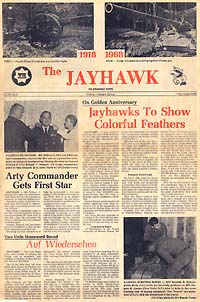


 - a personal page by Winston Rogers on his assignment to Operating Location 42K at Aschaffenburg in support of 3rd Brigade, 3rd Inf Div (Mech).