| If you do NOT see the Table of Contents frame to the left of this page, then Click here to open 'USArmyGermany' frameset |
||||||||||||||||||||||||||||||||||||||||||||||||||||||||||||||||||||||||||||||||||||||||||||||||||||||||||||||||||||||||||||||||||||||||||||||||||||||||||||||||||||||||||||||||||||||||||||||||||||||||||||||||||||||||||||
|
3rd
Infantry Division (Mech) |
||||||||||||||||||||||||||||||||||||||||||||||||||||||||||||||||||||||||||||||||||||||||||||||||||||||||||||||||||||||||||||||||||||||||||||||||||||||||||||||||||||||||||||||||||||||||||||||||||||||||||||||||||||||||||||
|
|
||||||||||||||||||||||||||||||||||||||||||||||||||||||||||||||||||||||||||||||||||||||||||||||||||||||||||||||||||||||||||||||||||||||||||||||||||||||||||||||||||||||||||||||||||||||||||||||||||||||||||||||||||||||||||||
|
||||||||||||||||||||||||||||||||||||||||||||||||||||||||||||||||||||||||||||||||||||||||||||||||||||||||||||||||||||||||||||||||||||||||||||||||||||||||||||||||||||||||||||||||||||||||||||||||||||||||||||||||||||||||||||
|
|
||||||||||||||||||||||||||||||||||||||||||||||||||||||||||||||||||||||||||||||||||||||||||||||||||||||||||||||||||||||||||||||||||||||||||||||||||||||||||||||||||||||||||||||||||||||||||||||||||||||||||||||||||||||||||||
| Division History - Cold War and Beyond (April 1958 - April 1996) | ||||||||||||||||||||||||||||||||||||||||||||||||||||||||||||||||||||||||||||||||||||||||||||||||||||||||||||||||||||||||||||||||||||||||||||||||||||||||||||||||||||||||||||||||||||||||||||||||||||||||||||||||||||||||||||
 The Big Picture: 3rd Mechanized Infantry Division in Germany (YouTube)  |
||||||||||||||||||||||||||||||||||||||||||||||||||||||||||||||||||||||||||||||||||||||||||||||||||||||||||||||||||||||||||||||||||||||||||||||||||||||||||||||||||||||||||||||||||||||||||||||||||||||||||||||||||||||||||||
 Location of 3rd Inf Div units and stations, 1958 (Walter Elkins) Click on the graphic to view a higher res version of the map If you have additional information/corrections, contact the webmaster - see email link at top of page |
||||||||||||||||||||||||||||||||||||||||||||||||||||||||||||||||||||||||||||||||||||||||||||||||||||||||||||||||||||||||||||||||||||||||||||||||||||||||||||||||||||||||||||||||||||||||||||||||||||||||||||||||||||||||||||
| 1958 | ||||||||||||||||||||||||||||||||||||||||||||||||||||||||||||||||||||||||||||||||||||||||||||||||||||||||||||||||||||||||||||||||||||||||||||||||||||||||||||||||||||||||||||||||||||||||||||||||||||||||||||||||||||||||||||
| On May 1, 1957, the US Army began filling its ranks with volunteers for direct assignment with 3rd Infantry Division, Fort Benning, Ga., prior to the division's planned deployment to Germany scheduled for early 1958. Men enlisting for Regular Army tours of three or four years and requesting assignment to the 3rd Inf Div, were reception processed at various Army installations (Fort Ord, Cal., Fort Chaffee, Ark. and others) and then proceeded for Fort Benning for basic and advance training with the Division. Plans called for the 3rd Inf Div to deploy to Germany in increments leaving in March, April and May 1958. |
||||||||||||||||||||||||||||||||||||||||||||||||||||||||||||||||||||||||||||||||||||||||||||||||||||||||||||||||||||||||||||||||||||||||||||||||||||||||||||||||||||||||||||||||||||||||||||||||||||||||||||||||||||||||||||
| (Source: 3d Infantry Division, 1917 - Forty Year Odyssey - 1958, Information Office, HQ Third Infantry Division, APO 36, Wuerzburg 1958) | ||||||||||||||||||||||||||||||||||||||||||||||||||||||||||||||||||||||||||||||||||||||||||||||||||||||||||||||||||||||||||||||||||||||||||||||||||||||||||||||||||||||||||||||||||||||||||||||||||||||||||||||||||||||||||||
3d
Division Combines Historical Lineage with Modern Organization The Third Infantry Division occupies a unique position in the annals of American military history. Within its structure this country has witnessed the evolution of the combat arms from the four regiment, 28,000 man strength of World War I, to the five battle group, 15,000 man mobile striking force of today. From the Third's ranks have come many of the nations great combat leaders, including General, now President, Dwight D. Eisenhower, General George Marshall, General Mark Clark, General Maxwell D. Taylor, General Matthew Ridgway, and General Thomas Hickey. Its roll of honor is studded with the names of forty-nine Medal of Honor winners, including that of Major Audie Murphy, most decorated soldier of World War II. This heritage of valor, earned at the cost of 60,000 casualties from the Marne, to the Rhine, to the Han, is enhanced by a professional competancy gained in twenty-four major campaigns during World Wars I and II, and the Korean Conflict. The lineage of its Infantry elements, now called battle groups, is a roster of US Army battles from the War of 1812 to Korea. Claimant to a military tradition unsurpassed by any US Army combat force the Third Infantry Division, led by paratroop veteran Major General Roy E. Lindquist, is now reorganized for battle readiness in an era of possible nuclear warfare. Reorganized on 1 July, 1957 at Fort Benning, Georgia, the ROCID (for Reorganization of the Current Infantry Division) Third continues to be a symbol of National power. While noting honors won on the bloody fields of Europe and Asia, the fighting Third eyes the implication of nuclear weapons in future conflicts. Atomic weapons have dictated the need for a new tactical organization in US ground forces. The Pentomic Third fills this need. Today's Marne Division is designed to operate under conditions likely to be encountered on a battlefield torn by nuclear weapons. Flexible, versatile, and high in combat power, this descendent of the World War I Organization is characterized by endurance, by an ability to apply measured rather than total force, and by its suitability for tactical or strategic employment. The present Marne Division can be employed in an atomic or non-atomic war, or sent to quell local brush fire conflicts. |
||||||||||||||||||||||||||||||||||||||||||||||||||||||||||||||||||||||||||||||||||||||||||||||||||||||||||||||||||||||||||||||||||||||||||||||||||||||||||||||||||||||||||||||||||||||||||||||||||||||||||||||||||||||||||||
|
||||||||||||||||||||||||||||||||||||||||||||||||||||||||||||||||||||||||||||||||||||||||||||||||||||||||||||||||||||||||||||||||||||||||||||||||||||||||||||||||||||||||||||||||||||||||||||||||||||||||||||||||||||||||||||
The
Pentomic Division makes possible a wide range of operations calling
for a choice of weapons. These characteristics are inherent to its
organization. The Third Division is composed of five battle groups.
Each battle group has a headquarters and four rifle companies, and
is supported by a battery of 105mm mortars. The battle group is
self-contained and able to fight alone or to join in battle with
the division. It is a unit of combined arms consisting of infantry,
artillery, engineers, anti-tank weapons, light tanks for reconnaissance,
plus communications and administrative support elements. Although the Division has been completely reorganized under the ROCID concept it still contains many characteristics of the former battalion and regimental systems. Although both battalion and regiment formations were dropped, eliminating these headquarters requirements, the five battle groups provide almost 500 more men in foxholes than did the former 18,000 man division. The remainder of the Division, combat support, logistical, and administrative support, are designed to ensure most effective employment of the battle groups. A reconnaissance squadron is the eyes and ears of the Division. Using airborne television, infra-red detection equipment, plus air and ground radar, it tells the commander where the enemy is and what he is doing. The need of this increase in the intelligence capability reflects the greater battle area foreseen in the future and the increased mobility of opposing forces. To build roads and bridges, and to construct landing strips for Army aircraft, the division has an engineer battalion. Its mission also includes construction of obstacles to delay the enemy and to assist the infantry in breaching fortifications. The power of atomic weapons, for the first time available to a division commander, is held in leash within the division artillery structure. Two means for nuclear delivery are provided - the Honest John rocket and the eight-inch howitzer. Both are part of the rocket-howitzer battalion which, in addition to rocket launchers and howitzers, places 155mm guns at the disposal of the commander. An innovation for ground forces is the addition of organic light aircraft. Helicopters and fixed-wing planes provide liaison, lay telephone lines, and support reconnaissance elements. They are also capable of airlifting infantry elements on raid or counterattack operations into enemy territory. Aerial resupply is another vital part of the Division air arm. Backing up these basic combat elements are streamlined Division Headquarters, Medical Battalion, Quartermaster, Ordnance, Transportation and Administration which combine to provide the best infantry organization to meet anticipated need of future warfare. The "new look" Third Infantry Division contains many units which were part of the Division when it was activated for World War I. The Fourth, Seventh, Thirtieth, and Thirty-Eighth Infantry Regiments were originally assigned to the Third on 21 November, 1917, as were the 10th Artillery, 10th Engineers, Third Medical Battalion, Third Signal Battalion, and Third Quartermaster Company. Reorganized for modern combat all take their place in the table of organization. Some of these combat units are direct decendants of regiments before the Army organized a division of combined arms. The Fourth Infantry, organic to the Division in World War I, was organized in 1812 and is once again represented in the Marne Division through the Second Battle Group. Seventh Infantry, a part of the Division since 1917, was also organized in 1812. Its First Battle Group remains with the Division. A third, the 15th Infantry, which joined the Division in 1940, has a history that extends to 1861. It is represented in the Division by the First Battle Group, 15th Infantry. The 30th Infantry, a part of the Division in World Wars I and II, rejoined the division after the Korean Conflict. Organized in 1901 the 30th Infantry is represented by its First Battle Group. The 38th Infantry, 9th and 10th Artillery, originally assigned to the Third Division in 1917, as well as the 68th Armor, all have histories that begin at about the same time as the Division. The Division has also added to its rolls a descendant of the Seventh Cavalry, organized in 1866. This regiment, famed in story, paintings, and motion pictures, is represented by the Second Reconnaissance Squadron. Thus in greatness, guts, and glory, the historic 3d Infantry Division stands poised in a new age and with new weapons, in the vanguard of American Arms. Arch. E. Roberts The Marne Division - Pentomic to NATO A most significant event in the drama-filled 1957-1958 chronology of the 3d Infantry Division was the full dress Change-of-Command ceremony held at Leighton Barracks, Wuerzburg, Germany, 23 April, 1958. |
||||||||||||||||||||||||||||||||||||||||||||||||||||||||||||||||||||||||||||||||||||||||||||||||||||||||||||||||||||||||||||||||||||||||||||||||||||||||||||||||||||||||||||||||||||||||||||||||||||||||||||||||||||||||||||
|
||||||||||||||||||||||||||||||||||||||||||||||||||||||||||||||||||||||||||||||||||||||||||||||||||||||||||||||||||||||||||||||||||||||||||||||||||||||||||||||||||||||||||||||||||||||||||||||||||||||||||||||||||||||||||||
Citizen soldiers grew hard muscled and technically competent as
they progressed from Basic Individual Training through Advance Unit
Training in the short months before Gyroscope. Field exercises and
iron rations became a familiar routine as these young Americans
learned the rugged trade of combat. This photographic chronology is a record of those action-packed days, from Pentomic Activation to NATO duty. These are the achievements and highlights that so personally involved every member of the Marne Division from the formative days at Fort Benning, Georgia, to subsequent duty in six Franconian cities in West Germany in the spring of 1958. |
||||||||||||||||||||||||||||||||||||||||||||||||||||||||||||||||||||||||||||||||||||||||||||||||||||||||||||||||||||||||||||||||||||||||||||||||||||||||||||||||||||||||||||||||||||||||||||||||||||||||||||||||||||||||||||
|
||||||||||||||||||||||||||||||||||||||||||||||||||||||||||||||||||||||||||||||||||||||||||||||||||||||||||||||||||||||||||||||||||||||||||||||||||||||||||||||||||||||||||||||||||||||||||||||||||||||||||||||||||||||||||||
 |
||||||||||||||||||||||||||||||||||||||||||||||||||||||||||||||||||||||||||||||||||||||||||||||||||||||||||||||||||||||||||||||||||||||||||||||||||||||||||||||||||||||||||||||||||||||||||||||||||||||||||||||||||||||||||||
| 1962 | ||||||||||||||||||||||||||||||||||||||||||||||||||||||||||||||||||||||||||||||||||||||||||||||||||||||||||||||||||||||||||||||||||||||||||||||||||||||||||||||||||||||||||||||||||||||||||||||||||||||||||||||||||||||||||||
| (Source: History of the 3rd Infantry Division, printed by STARS & STRIPES, Darmstadt, Germany, probably 1962) | ||||||||||||||||||||||||||||||||||||||||||||||||||||||||||||||||||||||||||||||||||||||||||||||||||||||||||||||||||||||||||||||||||||||||||||||||||||||||||||||||||||||||||||||||||||||||||||||||||||||||||||||||||||||||||||
|
||||||||||||||||||||||||||||||||||||||||||||||||||||||||||||||||||||||||||||||||||||||||||||||||||||||||||||||||||||||||||||||||||||||||||||||||||||||||||||||||||||||||||||||||||||||||||||||||||||||||||||||||||||||||||||
 3rd Mechanized Infantry Division unit crests |
||||||||||||||||||||||||||||||||||||||||||||||||||||||||||||||||||||||||||||||||||||||||||||||||||||||||||||||||||||||||||||||||||||||||||||||||||||||||||||||||||||||||||||||||||||||||||||||||||||||||||||||||||||||||||||
| 1963 | ||||||||||||||||||||||||||||||||||||||||||||||||||||||||||||||||||||||||||||||||||||||||||||||||||||||||||||||||||||||||||||||||||||||||||||||||||||||||||||||||||||||||||||||||||||||||||||||||||||||||||||||||||||||||||||
| (Source: A History of the 3rd Infantry Division, 1917-1963) | ||||||||||||||||||||||||||||||||||||||||||||||||||||||||||||||||||||||||||||||||||||||||||||||||||||||||||||||||||||||||||||||||||||||||||||||||||||||||||||||||||||||||||||||||||||||||||||||||||||||||||||||||||||||||||||
|
||||||||||||||||||||||||||||||||||||||||||||||||||||||||||||||||||||||||||||||||||||||||||||||||||||||||||||||||||||||||||||||||||||||||||||||||||||||||||||||||||||||||||||||||||||||||||||||||||||||||||||||||||||||||||||
 Offices of the FRONTLINE Newspaper were located in the Pubic Affairs Building (also known as the River Building) |
||||||||||||||||||||||||||||||||||||||||||||||||||||||||||||||||||||||||||||||||||||||||||||||||||||||||||||||||||||||||||||||||||||||||||||||||||||||||||||||||||||||||||||||||||||||||||||||||||||||||||||||||||||||||||||
 View of Marienburg Castle & the Main River from the front of the Public Affairs Building |
||||||||||||||||||||||||||||||||||||||||||||||||||||||||||||||||||||||||||||||||||||||||||||||||||||||||||||||||||||||||||||||||||||||||||||||||||||||||||||||||||||||||||||||||||||||||||||||||||||||||||||||||||||||||||||
| 1964 | ||||||||||||||||||||||||||||||||||||||||||||||||||||||||||||||||||||||||||||||||||||||||||||||||||||||||||||||||||||||||||||||||||||||||||||||||||||||||||||||||||||||||||||||||||||||||||||||||||||||||||||||||||||||||||||
| (Source: Email from Chris Glen) | ||||||||||||||||||||||||||||||||||||||||||||||||||||||||||||||||||||||||||||||||||||||||||||||||||||||||||||||||||||||||||||||||||||||||||||||||||||||||||||||||||||||||||||||||||||||||||||||||||||||||||||||||||||||||||||
| I served from August, 1964 to April 1967 and was on the staff of the FrontLine newspaper. Still have some pictures from that era, if you’re interested, from diverse places like Grafenwohr, Denmark and around Wuerzburg.
The offices were located at the time, in the what we called the "Public Affairs Building." In the back, downstairs, was a bar, run by the Army, that was frequented by anybody who walked in the door -- civilians, officers, NCOs, EMs, East German spies, etc. I can't remember the name of that bar, but it was our hangout. I'll send you a picture of the view from in front of that building. Our Editor at the time was Bob Gordon, a Harvard economics grad whose father was US Ambassador to Brazil. Our Commanding General, Maj Gen. Albert O. Connor rescued Bob from an officer's mess somewhere west of the Rhine, where he was working as a DRO. Bob said the general called him over to his table. The general knew Bob's father. "Bob, what the hell are you doing here?" he was asked. "I was drafted!" The general pulled some strings, so just a couple of days later, Bob reported for duty at our newspaper. Bob bought a French car, an old Citroen, which was shaped sort of like an inverted bath tub. Bob called it his SS staff car. Bob wound up marrying a German girl. Before him the Editor was Zoltan Bary, a Hungarian refugee whose family escaped the Iron Curtain in '56 by sneaking across the Iron Curtain. He went to Yale on a water polo scholarship. Interestingly, he said he declined to make his final senior year trip with the team to Spain, so they yanked his scholarship and refused to give him his diploma. The next editor was Howie Holmes, a Michigan State J-grad. He was a draftee, and I was a volunteer, so even though I preceded him in the 3rd ID we went home about the same time. Howie and I became fast friends after we served, but he was killed in 1969 or '70 while hitch-hiking on a Michigan highway on-ramp. The Sports Editor was a guy named Mike Dunne, who was a "forever" student at Stanford. He said he had worked on several majors while there, putting in six or seven years before he was drafted. Mike had a German girlfriend (a real beauty) who made us all jealous when he brought her to events at Leighton Barracks. I was the newsroom manager/editor after serving a year as sports editor. We had four reporters, a radio guy (Dan Hoffman) who fed AFN, and an in-house photographer. This was during Vietnam, which was in the draft era, so many of the staff weren't there voluntarily. Of course, there were some mixed emotions involved -- they weren't happy being drafted, but were glad they weren't in Vietnam. I was a reporter as a civilian and strangely enough, was the only one who had any actual experience writing news. We had an interpreter (Mrs. "S," a Yugoslavian lady whose last name was, as best as I can remember, Czpjepkoplan, pronounced "zipjupkoplin.") Her only job was to read the German newspapers, find stories about the 3rd Div, and interpret them for the CG. She read over half-a-dozen papers daily. Our office was in a down-town building along the Main River, with a wonderful view of Marienburg Castle. We shared the building with the MPs, The Public Affairs office and a military intelligence detachment, among others. The intelligence detachment had members who were regularly sent behind the Iron Curtain. I didn't know them all or have any details about what they did over there, but those were pretty hairy times during the Cold War and I'm sure they were risking death every time they made that trip. |
||||||||||||||||||||||||||||||||||||||||||||||||||||||||||||||||||||||||||||||||||||||||||||||||||||||||||||||||||||||||||||||||||||||||||||||||||||||||||||||||||||||||||||||||||||||||||||||||||||||||||||||||||||||||||||
|
||||||||||||||||||||||||||||||||||||||||||||||||||||||||||||||||||||||||||||||||||||||||||||||||||||||||||||||||||||||||||||||||||||||||||||||||||||||||||||||||||||||||||||||||||||||||||||||||||||||||||||||||||||||||||||
| 1974 | ||||||||||||||||||||||||||||||||||||||||||||||||||||||||||||||||||||||||||||||||||||||||||||||||||||||||||||||||||||||||||||||||||||||||||||||||||||||||||||||||||||||||||||||||||||||||||||||||||||||||||||||||||||||||||||
| (Source: Walter Elkins) | ||||||||||||||||||||||||||||||||||||||||||||||||||||||||||||||||||||||||||||||||||||||||||||||||||||||||||||||||||||||||||||||||||||||||||||||||||||||||||||||||||||||||||||||||||||||||||||||||||||||||||||||||||||||||||||
 Location of 3rd Mechanized Infantry Division units, July 1974 |
||||||||||||||||||||||||||||||||||||||||||||||||||||||||||||||||||||||||||||||||||||||||||||||||||||||||||||||||||||||||||||||||||||||||||||||||||||||||||||||||||||||||||||||||||||||||||||||||||||||||||||||||||||||||||||
| The list was created by Walter Elkins and is based on units and locations listed in the July 1974 STATION LIST. For corrections, please contact the webmaster. | ||||||||||||||||||||||||||||||||||||||||||||||||||||||||||||||||||||||||||||||||||||||||||||||||||||||||||||||||||||||||||||||||||||||||||||||||||||||||||||||||||||||||||||||||||||||||||||||||||||||||||||||||||||||||||||
| ADDITIONS/CORRECTONS (Source: Email from Michael Roberts) Mike came up with some different locations for several of the 3rd Inf Div units during the June 1974 time frame -- River Building (Würzburg)  3rd MI Company 3rd MI Company
Larson Barracks (Kitzingen) Hq & A Co, 703rd Maint Bn Harvey Barracks (Kitzingen) Co C (Avn Spt), 3rd S&T Bn (*)3rd Avn Company
Ledward Barracks (Schweinfurt) HHC, 1st Brigade
C Co, 703rd Maint Bn Conn Barracks (Schweinfurt) D Co, 703rd Maint Bn Trp D, 3rd Sq, 7th Cav (*) Webmaster Note: 3rd Avn Co was originally Det C, 3rd S&T Bn; is Co C (Avn Spt), 3rd S&T Bn not replaced by 3rd Avn Co? |
||||||||||||||||||||||||||||||||||||||||||||||||||||||||||||||||||||||||||||||||||||||||||||||||||||||||||||||||||||||||||||||||||||||||||||||||||||||||||||||||||||||||||||||||||||||||||||||||||||||||||||||||||||||||||||
| 1978 | ||||||||||||||||||||||||||||||||||||||||||||||||||||||||||||||||||||||||||||||||||||||||||||||||||||||||||||||||||||||||||||||||||||||||||||||||||||||||||||||||||||||||||||||||||||||||||||||||||||||||||||||||||||||||||||
| (Source: Michael T. d'Oliveira) | ||||||||||||||||||||||||||||||||||||||||||||||||||||||||||||||||||||||||||||||||||||||||||||||||||||||||||||||||||||||||||||||||||||||||||||||||||||||||||||||||||||||||||||||||||||||||||||||||||||||||||||||||||||||||||||
|
||||||||||||||||||||||||||||||||||||||||||||||||||||||||||||||||||||||||||||||||||||||||||||||||||||||||||||||||||||||||||||||||||||||||||||||||||||||||||||||||||||||||||||||||||||||||||||||||||||||||||||||||||||||||||||
| 1984 | ||||||||||||||||||||||||||||||||||||||||||||||||||||||||||||||||||||||||||||||||||||||||||||||||||||||||||||||||||||||||||||||||||||||||||||||||||||||||||||||||||||||||||||||||||||||||||||||||||||||||||||||||||||||||||||
(Source:
Frontline, July 20, 1984) |
||||||||||||||||||||||||||||||||||||||||||||||||||||||||||||||||||||||||||||||||||||||||||||||||||||||||||||||||||||||||||||||||||||||||||||||||||||||||||||||||||||||||||||||||||||||||||||||||||||||||||||||||||||||||||||
| Marne Legacy
Series Schweinfurt, Germany 1945-46 By Hallet D. Edson Editor's note: Marne soldiers may not know that the division completed its swath through the battlefields of France and Germany here in Marneland. In the following article, Hallet D. Edson related a personal account of the 15th Infantry Regiment in the Schweinfurt area during the closing stages of WWII. Edson, then a Colonel, was commander of the "Audie Murphy" regiment from 1945 to 1946. 0n the 11th of April, 1945, Marlene Dietrich and her traveling show were scheduled to put on a performance for our regiment, the 15th Infantry of the Third Infantry Division. At that time we were in division reserve and located just north of Schweinfurt in the vicinity of Tottershauser (Note: probably Rottershausen) and Rannungen. We really "put on the dog," by entertaining Miss Dietrich for lunch in our hastily set up Regimental Headquarters Mess in the storage room of a small hardware store. We served the usual delicacies, a variety of "C" rations; no other food had kept up with our rapid advance. Unfortunately the luncheon was cut short for me as I got a call to "move out." The regiment had just received orders to continue the attack and was only able to leave behind the 1st Battalion, in regimental reserve, to attend the show. From all reports it turned out to be pretty good! That afternoon we by-passed Schweinfurt and, coming down from the hills, secured the castle at Mainberg, the home and office of Willy Sachs, one of the three Schweinfurt ball bearing "Barons." An interesting sidelight occurred as our rapidly advancing troops found that in the lower floors of the castle a brick wall had been hastily erected. The wall was torn down and many of Willy Sachs' records were found to have been cached in the recess behind the wall. We continued the attack to the east and entered Bamberg by nightfall of the 18th. That "fresh brick wall" wasn't the only example of a secret room in this beautiful old castle said to date back to around 1066. We found another concealed spot in February of 1946 when our regiment moved from the Wetzlar area to the Schweinfurt area and I established our headquarters offices in Mainberg Castle. The 15th Infantry Headquarters was set up in a building just across from a large German kaserne on the western outskirts of the city, on the road toward the airport. Captain John S. Sullivan was my Headquarters company commander and Captain Maurice W. Kendall was my regimental adjutant. These two, Sullivan and Kendall, shared a delightful room in the castle just off the dining room and one day asked me to stop in their room as they had found another "secret compartment" which they described as a walk-in safe in the wall. "Can you find it?" they asked. Well, it was quite a search. After finally locating a faint arc shadowed in the carpet, I probed the wall and the set of doors and drawers in the vicinity until I found one drawer that, with an extra pull, unlocked the entire wall section. It pivoted smoothly around to the left, revealing a steel wall safe. Alas, all the "secret documents" had disappeared by that time. The 1st Battalion was located at Wildflecken, the 2nd at Hammelburg Lager with about 6,000 German POWs, the 3rd at Mellrichstadt on the Russian border, and an attached Anti-aircraft Battalion, commanded by LTC Frank Ebey, at Wuerzburg. Across the street from our Regimental Headquarters was a huge German Army Kaserne housing about 12 000 Polish displaced persons. I used the hayfield across the river from Mainberg to land one of the Division L-4's while making flying trips around the area and to visit Division Headquarters far north of Frankfurt (Note: in Bad Wildungen). I was able to cross river by a rowboat courtesy of a local German resident of the village. In Mainberg we also kept several horses we had liberated from a Hungarian Riding School soon after the war ended. This gave us the opportunity for pleasant riding up in the hills. These were the same hills that bristled with 88mm anti-aircraft guns during the war and were responsible for shooting down so many of our bombers in the raids on the three ball bearing factories: Schaefer, Sachs, and Kugel-Fischer. Although much of the downtown area had been destroyed, the people were industriously working to haul away the rubble and rebuild. The Schweinfurt Airfield, located a couple of miles down the road toward Wuerzburg, was loaded with U.S. aircraft being systematically destroyed - most sad! At that time, Wuerzburg was quite desolate. The city had been fire bombed and only the stone and brick walls were standing, with pipes and radiators hanging from the masonry. At the end of May 1946, my wife, Faith, received orders to join me and by that time I had requisitioned an attractive two-story house complete with yard, a maid and furnished. She was awaiting a "port call" when I received orders to return immediately to CONUS to attend the course at the Naval War College commencing in June. Thus ended my tour in Schweinfurt, and I would certainly like to return sometime and see the changes that have taken place in these thirty years. |
||||||||||||||||||||||||||||||||||||||||||||||||||||||||||||||||||||||||||||||||||||||||||||||||||||||||||||||||||||||||||||||||||||||||||||||||||||||||||||||||||||||||||||||||||||||||||||||||||||||||||||||||||||||||||||
|
||||||||||||||||||||||||||||||||||||||||||||||||||||||||||||||||||||||||||||||||||||||||||||||||||||||||||||||||||||||||||||||||||||||||||||||||||||||||||||||||||||||||||||||||||||||||||||||||||||||||||||||||||||||||||||
| Miscellaneous | ||||||||||||||||||||||||||||||||||||||||||||||||||||||||||||||||||||||||||||||||||||||||||||||||||||||||||||||||||||||||||||||||||||||||||||||||||||||||||||||||||||||||||||||||||||||||||||||||||||||||||||||||||||||||||||
| ADDITIONAL DUIs | ||||||||||||||||||||||||||||||||||||||||||||||||||||||||||||||||||||||||||||||||||||||||||||||||||||||||||||||||||||||||||||||||||||||||||||||||||||||||||||||||||||||||||||||||||||||||||||||||||||||||||||||||||||||||||||
|
||||||||||||||||||||||||||||||||||||||||||||||||||||||||||||||||||||||||||||||||||||||||||||||||||||||||||||||||||||||||||||||||||||||||||||||||||||||||||||||||||||||||||||||||||||||||||||||||||||||||||||||||||||||||||||
| 1960s | ||||||||||||||||||||||||||||||||||||||||||||||||||||||||||||||||||||||||||||||||||||||||||||||||||||||||||||||||||||||||||||||||||||||||||||||||||||||||||||||||||||||||||||||||||||||||||||||||||||||||||||||||||||||||||||
 3rd ID NCO Academy DUI 3rd ID NCO Academy DUI |
||||||||||||||||||||||||||||||||||||||||||||||||||||||||||||||||||||||||||||||||||||||||||||||||||||||||||||||||||||||||||||||||||||||||||||||||||||||||||||||||||||||||||||||||||||||||||||||||||||||||||||||||||||||||||||
 3rd Infantry Division NCO Academy 3rd Infantry Division NCO Academy |
||||||||||||||||||||||||||||||||||||||||||||||||||||||||||||||||||||||||||||||||||||||||||||||||||||||||||||||||||||||||||||||||||||||||||||||||||||||||||||||||||||||||||||||||||||||||||||||||||||||||||||||||||||||||||||
|
||||||||||||||||||||||||||||||||||||||||||||||||||||||||||||||||||||||||||||||||||||||||||||||||||||||||||||||||||||||||||||||||||||||||||||||||||||||||||||||||||||||||||||||||||||||||||||||||||||||||||||||||||||||||||||
| Movies | ||||||||||||||||||||||||||||||||||||||||||||||||||||||||||||||||||||||||||||||||||||||||||||||||||||||||||||||||||||||||||||||||||||||||||||||||||||||||||||||||||||||||||||||||||||||||||||||||||||||||||||||||||||||||||||
| (Source: Email from Fred Smith, 3rd Inf Div, 1960-63) | ||||||||||||||||||||||||||||||||||||||||||||||||||||||||||||||||||||||||||||||||||||||||||||||||||||||||||||||||||||||||||||||||||||||||||||||||||||||||||||||||||||||||||||||||||||||||||||||||||||||||||||||||||||||||||||
|
||||||||||||||||||||||||||||||||||||||||||||||||||||||||||||||||||||||||||||||||||||||||||||||||||||||||||||||||||||||||||||||||||||||||||||||||||||||||||||||||||||||||||||||||||||||||||||||||||||||||||||||||||||||||||||
|
||||||||||||||||||||||||||||||||||||||||||||||||||||||||||||||||||||||||||||||||||||||||||||||||||||||||||||||||||||||||||||||||||||||||||||||||||||||||||||||||||||||||||||||||||||||||||||||||||||||||||||||||||||||||||||
| Division Organization | ||||||||||||||||||||||||||||||||||||||||||||||||||||||||||||||||||||||||||||||||||||||||||||||||||||||||||||||||||||||||||||||||||||||||||||||||||||||||||||||||||||||||||||||||||||||||||||||||||||||||||||||||||||||||||||
| 1958 (PENTOMIC) | ||||||||||||||||||||||||||||||||||||||||||||||||||||||||||||||||||||||||||||||||||||||||||||||||||||||||||||||||||||||||||||||||||||||||||||||||||||||||||||||||||||||||||||||||||||||||||||||||||||||||||||||||||||||||||||
|
(Source: 3d Infantry Division, 1917 - Forty Year Odyssey - 1958, Information
Office, HQ Third Infantry Division, APO 36, Wuerzburg 1958)
|
||||||||||||||||||||||||||||||||||||||||||||||||||||||||||||||||||||||||||||||||||||||||||||||||||||||||||||||||||||||||||||||||||||||||||||||||||||||||||||||||||||||||||||||||||||||||||||||||||||||||||||||||||||||||||||
| 3rd Infantry
Division - ORGANIZATION 1958: (Webmaster Note: Station location is based on information obtained from the US Army Station List for June 1959. If a unit was originally located at a different post upon arrival in Germany in 1958, I will note it separately.) |
||||||||||||||||||||||||||||||||||||||||||||||||||||||||||||||||||||||||||||||||||||||||||||||||||||||||||||||||||||||||||||||||||||||||||||||||||||||||||||||||||||||||||||||||||||||||||||||||||||||||||||||||||||||||||||
|
||||||||||||||||||||||||||||||||||||||||||||||||||||||||||||||||||||||||||||||||||||||||||||||||||||||||||||||||||||||||||||||||||||||||||||||||||||||||||||||||||||||||||||||||||||||||||||||||||||||||||||||||||||||||||||
|
|
||||||||||||||||||||||||||||||||||||||||||||||||||||||||||||||||||||||||||||||||||||||||||||||||||||||||||||||||||||||||||||||||||||||||||||||||||||||||||||||||||||||||||||||||||||||||||||||||||||||||||||||||||||||||||||
| 1963 (ROAD) | ||||||||||||||||||||||||||||||||||||||||||||||||||||||||||||||||||||||||||||||||||||||||||||||||||||||||||||||||||||||||||||||||||||||||||||||||||||||||||||||||||||||||||||||||||||||||||||||||||||||||||||||||||||||||||||
| 3rd Infantry
Division - ORGANIZATION 1963 (Webmaster Note: Station location is based on information obtained from the US Army Station List for December 1963.) |
||||||||||||||||||||||||||||||||||||||||||||||||||||||||||||||||||||||||||||||||||||||||||||||||||||||||||||||||||||||||||||||||||||||||||||||||||||||||||||||||||||||||||||||||||||||||||||||||||||||||||||||||||||||||||||
|
||||||||||||||||||||||||||||||||||||||||||||||||||||||||||||||||||||||||||||||||||||||||||||||||||||||||||||||||||||||||||||||||||||||||||||||||||||||||||||||||||||||||||||||||||||||||||||||||||||||||||||||||||||||||||||
|
|
||||||||||||||||||||||||||||||||||||||||||||||||||||||||||||||||||||||||||||||||||||||||||||||||||||||||||||||||||||||||||||||||||||||||||||||||||||||||||||||||||||||||||||||||||||||||||||||||||||||||||||||||||||||||||||
| 1964 (ROAD) | ||||||||||||||||||||||||||||||||||||||||||||||||||||||||||||||||||||||||||||||||||||||||||||||||||||||||||||||||||||||||||||||||||||||||||||||||||||||||||||||||||||||||||||||||||||||||||||||||||||||||||||||||||||||||||||
| 3rd Infantry Division - ORGANIZATION 1964 (Webmaster Note: shows only battalion-size units and larger; Source: 7th Army Annual Historical Report for 1964) |
||||||||||||||||||||||||||||||||||||||||||||||||||||||||||||||||||||||||||||||||||||||||||||||||||||||||||||||||||||||||||||||||||||||||||||||||||||||||||||||||||||||||||||||||||||||||||||||||||||||||||||||||||||||||||||
| Click here to see 3rd Infantry Division organization for 1 August 1964. | ||||||||||||||||||||||||||||||||||||||||||||||||||||||||||||||||||||||||||||||||||||||||||||||||||||||||||||||||||||||||||||||||||||||||||||||||||||||||||||||||||||||||||||||||||||||||||||||||||||||||||||||||||||||||||||
| 1966 (ROAD) | ||||||||||||||||||||||||||||||||||||||||||||||||||||||||||||||||||||||||||||||||||||||||||||||||||||||||||||||||||||||||||||||||||||||||||||||||||||||||||||||||||||||||||||||||||||||||||||||||||||||||||||||||||||||||||||
| 3rd Infantry Division - ORGANIZATION 1966 (Webmaster Note: shows only battalion-size units and larger; Source: 7th Army Annual Historical Report for 1966) |
||||||||||||||||||||||||||||||||||||||||||||||||||||||||||||||||||||||||||||||||||||||||||||||||||||||||||||||||||||||||||||||||||||||||||||||||||||||||||||||||||||||||||||||||||||||||||||||||||||||||||||||||||||||||||||
| Click here to see 3rd Infantry Division organization for 1 July 1966. | ||||||||||||||||||||||||||||||||||||||||||||||||||||||||||||||||||||||||||||||||||||||||||||||||||||||||||||||||||||||||||||||||||||||||||||||||||||||||||||||||||||||||||||||||||||||||||||||||||||||||||||||||||||||||||||
| 1984 - 1987 | ||||||||||||||||||||||||||||||||||||||||||||||||||||||||||||||||||||||||||||||||||||||||||||||||||||||||||||||||||||||||||||||||||||||||||||||||||||||||||||||||||||||||||||||||||||||||||||||||||||||||||||||||||||||||||||
|
||||||||||||||||||||||||||||||||||||||||||||||||||||||||||||||||||||||||||||||||||||||||||||||||||||||||||||||||||||||||||||||||||||||||||||||||||||||||||||||||||||||||||||||||||||||||||||||||||||||||||||||||||||||||||||
| (Source: FRONTLINE, Special Issue, February 7, 1984) | ||||||||||||||||||||||||||||||||||||||||||||||||||||||||||||||||||||||||||||||||||||||||||||||||||||||||||||||||||||||||||||||||||||||||||||||||||||||||||||||||||||||||||||||||||||||||||||||||||||||||||||||||||||||||||||
| 3rd Infantry Division - ORGANIZATION 1984 | ||||||||||||||||||||||||||||||||||||||||||||||||||||||||||||||||||||||||||||||||||||||||||||||||||||||||||||||||||||||||||||||||||||||||||||||||||||||||||||||||||||||||||||||||||||||||||||||||||||||||||||||||||||||||||||
|
||||||||||||||||||||||||||||||||||||||||||||||||||||||||||||||||||||||||||||||||||||||||||||||||||||||||||||||||||||||||||||||||||||||||||||||||||||||||||||||||||||||||||||||||||||||||||||||||||||||||||||||||||||||||||||
|
|
||||||||||||||||||||||||||||||||||||||||||||||||||||||||||||||||||||||||||||||||||||||||||||||||||||||||||||||||||||||||||||||||||||||||||||||||||||||||||||||||||||||||||||||||||||||||||||||||||||||||||||||||||||||||||||
| (Source: FRONTLINE, Special Issue, Sept 30, 1987) | ||||||||||||||||||||||||||||||||||||||||||||||||||||||||||||||||||||||||||||||||||||||||||||||||||||||||||||||||||||||||||||||||||||||||||||||||||||||||||||||||||||||||||||||||||||||||||||||||||||||||||||||||||||||||||||
| DIVISION TROOPS | ||||||||||||||||||||||||||||||||||||||||||||||||||||||||||||||||||||||||||||||||||||||||||||||||||||||||||||||||||||||||||||||||||||||||||||||||||||||||||||||||||||||||||||||||||||||||||||||||||||||||||||||||||||||||||||
|
||||||||||||||||||||||||||||||||||||||||||||||||||||||||||||||||||||||||||||||||||||||||||||||||||||||||||||||||||||||||||||||||||||||||||||||||||||||||||||||||||||||||||||||||||||||||||||||||||||||||||||||||||||||||||||
| 3rd Inf Div Band After a short time at Fort Benning, Ga., the 3rd Inf Div Band moved with the division to Germany in 1958 and is now located on Leighton Barracks in Würzburg. The present day mission of the band is to provide musical support for local, regional, national and international events for both the military and civilian communities. There are various smaller musical groups within the band which include: the concert band, marching band, stage band, test band, show band, jazz combo, Dixieland combo, brass quintet, recorder ensemble, rock combo, and a bluegrass duo. 123rd Signal Bn The 123rd Signal Battalion has provided command and control communications for the 3rd Infantry Division throughout its 70 year history. On July 1, 1957, the 3rd Sig. Co. was reorganized and redesignated as the 123rd Sig. Bn. The 123d Sig. Bn. relocated with than 3rd Inf. Div. in May 1958 from Fort Benning to Germany. At present, the 123rd Sig. Bn. is located on Hindenburg Kaseme in Würzburg. 103rd MI Bn Nestled on a hilltop above the medieval city of Würzburg, in Leighton Kaseme, the 103rd Military Intelligence Battalion stands ready to deploy on the battlefield at a moment's notice. The "Top of the Rock" Battalion's mission is to provide strategic and tactical intelligence before, during and after the battle. The intelligence gathering mission never ends. Since collection and analysis of tactical intelligence about the threat is a continuous process, the 103rd MI Bn. is constantly performing most of its wartime missions, from maintaining ground surveillance radar teams on the IGB, to signals monitoring, to intelligence monitoring and preparation of the battlefield. 10th Engr Bn The mission of the 10th Engineer Battalion (Combat) is to provide combat engineer support to the 3rd Infantry Division, primarily in mobility, countermobility, and survivability. It also has a secondary mission of general engineering support to the military community and surrounding host nation communities. The 10th Eng. Bn. is a mechanized combat engineer battalion and is composed of a headquarters company, four combat engineer line companies, and one ribbon bridge company equipped with amphibious river crossing equipment. The 10th Eng. Bn. is unique in that it has units in three locations. The headquarters, bridge company, and two line companies (C and D) are at Larson Kaserne, Kitzingen. Company A is located 30 miles north of the battalion headquarters on Conn Barracks, Schweinfurt. Company B is located 45 miles north of the battalion headquarters at Daley Barracks in Bad Kissingen. 3rd Bn, 67th ADA The 3rd Battalion, 67th Air Defense Artillery is the "Pride of the Marne" -- trained and ready to provide the 3rd Infantry Division sufficient freedom from enemy air attack so that it can maneuver against, fight and defeat attacking forces. The battalion, one of the largest in the division, employs a formidable array of Chaparral, Vulcan and Stinger weapon systems. The 7th Battalion, 67th Air Defense Artillery departed Fort Bliss, Texas to arrive in Germany on Mar. 5, 1970 as an organized battalion of the 3rd Inf. Div. In September 1972, the battalion was redesignated as the 3-67 ADA and in the fall of 1984 it was expanded to include all of the Stinger teams in the division. With the new regimental system, the unit will be redesignated as the 4th Battalion, 3rd Air Defense Artillery during the 4th Quarter of Fiscal Year 1989. In May 1982, the battalion completed a move from Giebelstadt to Larson Barracks in Kitzingen. 3rd MP Co The 3rd Military Police Company is headquartered in the northern Bavarian city of Würzburg, with three of its platoons assigned to outlying communities. The three outlying platoons are in the Aschaffenburg, Kitzingen and Schweinfurt communities. The 3rd MP Co. has two primary combat missions; battlefield circulation control and enemy prisoner of war operations. Unlike many military posts in the continental United States, military installations in Europe still require the services of American military police. While retaining its critical combat support mission, the 3rd MP Co. also provides law enforcement support to Marneland communities for two weeks each month. This obligation challenges the company to be resourceful and imaginative in maximizing training opportunities whenever and wherever they are found. During the other two weeks of each month the soldiers lay aside the military police reports and train for war. 92nd Chem Co The 92nd Chemical Company is stationed at Giebelstadt Army Airfield, and provides the 3rd Infantry Division with its Nuclear, Biological and Chemical (NBC) defense capabilities. The company's missions include decontamination, battlefield smoke, NBC reconnaissance, and division-level chemical staff operations. The company's decontamination mission is performed by four decon platoons. Utilizing the M12A1 Power-Driven Decontamination Apparatus and standard decontaminants, the platoons are capable of providing both hasty and deliberate decontamination support to units throughout the division. Battlefield smoke is the mission of the company's smoke generator platoon. The platoon uses mechanical pulse-jet generators to create an artificial fog ("smoke") of various sizes and densities. The smoke may be used for screening, for deception, or to provide a protective haze to maneuver within. The NBC reconnaissance platoon scouts the battlefield for presence of NBC contamination. Its mission is to detect areas of NBC contamination, determine the extent of contamination and to find a clear path around it. The company also contains the division's chemical staff and NBC element (NBCE). The staff works directly with the division's command group, providing analysis of the NBC threat to the division, recommending protective measures to betaken and providing a liaison with the line platoons within the company. Schweinfurt RPC Schweinfurt Regional Personnel Center (RPC) is under the stewardship of the ACofS (G1/AG). The unit is scheduled to convert from a TDA to an "L" Series TO&E configuration in August 1988. 178th Pers Svc Co The 178th Personnel Service Company, located in Aschaffenburg, on Jaeger Kaseroe, provides administrative support to all assigned soldiers, their family members and civilians in the community. The services provided to personnel throughout their tour include in and out processing, evaluations, promotions, records maintenance, identification cards and passports, personnel actions and reassignments. The company commander is Capt. Lila Gilbert. |
||||||||||||||||||||||||||||||||||||||||||||||||||||||||||||||||||||||||||||||||||||||||||||||||||||||||||||||||||||||||||||||||||||||||||||||||||||||||||||||||||||||||||||||||||||||||||||||||||||||||||||||||||||||||||||
| DIVISION SUPPORT COMMAND | ||||||||||||||||||||||||||||||||||||||||||||||||||||||||||||||||||||||||||||||||||||||||||||||||||||||||||||||||||||||||||||||||||||||||||||||||||||||||||||||||||||||||||||||||||||||||||||||||||||||||||||||||||||||||||||
| HHC,
3rd DISCOM DISCOM is the largest subordinate element of the division, consisting of four battalions and three separate companies with almost 3,000 soldiers assigned. The DISCOM Headquarters and Headquarters Company, consists of many functional sections including Administration; Security Plans and Operations; Communications and Electronics; Intelligence; Movement Control; Training; Nuclear Biological and Chemical (NBC); Medical Operations; and Logistics. The Division Material Management Office (DMMO) is responsible for all supplies, except Class VI, Class VIII and Class X. 3rd Spt Bn The 3rd Support Battalion ("Raider Support") provides medical, maintenance and logistical support to the 3rd Infantry Division's 1st "Raider" Brigade and other units stationed in Schweinfurt. 3rd Spt. Bn. traces its roots back to 1981. In April 1981, planning was begun to develop a prototype foward support battalion from division assets to support the first M1 Abrams equipped brigade in Europe. In November 1981, Division Commander, Maj. Gen. Fred K. Mahaffey authorized preliminary planning for realignment of assets to support the transition. In February 1982, the Forward Support Maintenance Companies (C, D, E) of 703rd Maintenance Battalion were aligned to support the same units in garrison that they supported in the field. Company D, 703rd Maintenance Battalion became dedicated to the 1st Brigade at this time. In April 1982, the decision was made to create the 1st Forward Support Battalion (TEST) from the Forward Area Support Team (FAST) Alpha organization, along with divisional assets. Parts of Headquarters and Headquarters Company and Companies A and B, 3rd Supply and Transport Battalion, representing the command element, supply support element and motor transport element for FAST Alpha, were transfered to Schweinfurt to cadre Headquarters and Headquarters Detachment and Company A (supply), 1st Forward Support Battalion (TEST) in May 1982. At this time, other elements of FAST Companies A and D, 703rd Maintenance Ballalion, and Company B, 3rd Medical Battalion were left under their parent organizations in garrison and attached to 1st Forward Support Battalion (TEST) during field support periods. On Oct. 16, 1982, following the successful REFORGER 1982 field exercises, the battalion was officially activated as the 1st Forward Support Battalion (Provisional). After six months of training and supporting the "Raider" Brigade, the 1st Forward Support Battalion received its colors and official standing as a proud new member of the Marne team. On May 1 1987, the 1st Spt. Bn. was redesignated under the Army Regimental System as the 3rd Spt. Bn. with the honors and lineage of the 3rd Supply and Transport Battalion. 26th Spt Bn The mission of the 26th Support Battalion is to provide responsive combat service support including all classes of supply, medical ground evacuation and treatment, and direct support maintenance on an area basis, to units of the 3rd Brigade and other 3rd Infantry Division units. The battalion is organized into a Headquarter Detachment and three companies. Company A supplies subsistence (Class I), office furniture and supplies (Class II and IV), a forward stockage of CIF (CTA 50-900) items, petroleum products, and an ammunition transfer point. Company B supplies direct support maintenance and Class IX repair parts to the 3rd Brigade. Support is provided by system support teams which are assigned to each maneuver battalion, including the 2nd Battalion, 41st Field Artillery located in Bad Kissingen. Company C provides medical and dental treatment and evacuation services. The battalion is authorized more than 400 soldiers with more than 55 different military specialities (MOS's). 203rd Spt Bn The 203rd Support Battalion is a divisional support battalion consisting of a headquarters, supply company, direct support maintenance company and a medical company. The battalion provides support to the wnd "Send Me" Brigade and also supports one self-propelled field artillery battalion. The 203rd Spt.Bn. provides every commodity and service required by the soldier on the battlefield. The battalion is located on Harvey Barracks in Kitzingen. 703rd Spt Bn "MAINTAIN" is the motto and the mission of the 703rd Suppon Battalion (Main). The 703rd Spt. Bn . supports the Marne Division with all classes of supply, transportation, direct support light, heavy, and missile maintenance, and medical services. Having grown to battalion-size, the 703rd was redesignated as the 703rd Ordnance Battalion and was assigned to Fort Benning, Ga. following the Korean Conflict. The 703rd followed the division to Europe in 1958. On Mar. 29, 1963, the battalion was reorganized and redesignated as the 703rd Maintenance Battalion. On May 16, 1985, the battalion was again reorganized and redesignated as the 4th Support Battalion (Main). At this time, the battalion gained the assets to provide not only maintenance support, but supply and service, transportation and medical support. On May 1 1987 the 4th Spt Bn. was redesignated as the 703rd Spt. Bn. Today, the unit is the largest, most diversified battalion in the 3rd Inf Div. With six companies and one detachment, the battalion is located on two kasernes. The battalion headquarters, light, heavy and missile maintenance companies are located on Larson Barracks in Kitzingen. The supply and service, transportation and medical service companies are located on Emery Barracks in Würzburg. Co "I", 3rd Avn The mission of Company I, 3rd Aviation, is to provide Aviation Intermediate Maintenance (AVIM) and back-up Aviation Unit Maintenance (AVUM) support to all aircraft assigned to the 4th Brigade, 3rd Infantry Division. On March 19, 1985, the unit was activated as the 63rd Transportation Aircraft Maintenance Company, formerly Company D, 3rd Aviation Battalion (Combat) and assigned to the 3rd Inf Div. Support Command in Giebelstadt, Germany. On Aug. 21, 1987, the unit was deactivated and redesignated as Co I, 3rd AV. 258th Pers Svc Co The 258th Personnel Service Company, a separate company, can trace its 3rd Infantry Division roots to the activation of the Würzburg Personnel and Administraion Center in October 1972. Two years later, the unit was redesignated as the Würzburg Regional Personnel Center with the mission of providing personnel and administration support to commanders, their soldiers and family members in the Würzburg Community. On Oct. 1 1985 the unit was redesignated as the direct support PSC for the 3rd Inf Div, a TDA to TOE transition. The unit, as currently organized, operates out of more than ten buildings and provides such diverse services as mail delivery, SIDPERS support, records maintenance, ID card and passport processing, promotions, evaluations, reassignments, personnel actions processing, congressionals, and strength management for both divisional and non-divisional units in the Würzburg, Kilzingen, Wertheim and Giebelstadt areas. For command and control during peacetime, the 258th PSC has been attachedt to the Division Support Command, but it obtains it operational guidance from the Assistant Chief of Staff, G1/AG. In June 1987 the unit was integrated into the Army's Regimental System, with the activation of the Adjutant Generals Corps Regiment. The more than 250 soldiers assigned and attached to the company strive to live up the unit motto "Best of the Marne" by providing the best possible personnel service to commanders, soldiers and their families. |
||||||||||||||||||||||||||||||||||||||||||||||||||||||||||||||||||||||||||||||||||||||||||||||||||||||||||||||||||||||||||||||||||||||||||||||||||||||||||||||||||||||||||||||||||||||||||||||||||||||||||||||||||||||||||||
| DIVISION ARTILLERY | ||||||||||||||||||||||||||||||||||||||||||||||||||||||||||||||||||||||||||||||||||||||||||||||||||||||||||||||||||||||||||||||||||||||||||||||||||||||||||||||||||||||||||||||||||||||||||||||||||||||||||||||||||||||||||||
| HHB,
3rd DIVARTY
HHB, 3rd Infantry Division Artillery is located on Leighton Barracks, Würzburg. The organization of DIVARTY is comprised of the headquarters and headquarters battery, three self-propelled 155mm field artillery battalions, one MLRS battery and a target acqusition battery. 1st Bn, 10th FA The "Rock's Support" Battalion, located on Ledward Barracks, Schweinfurt, is a direct support, M109A2 howitzer battalion that supports the 1st Brigade. The battalion's mission is unique in that it provides fire support to four maneuver battalions and a cavalry squadron. During April 1958, 1st How Bn, 10th FA completed the move from Fort Benning, GA to Schweinfurt. When the 3rd Inf Div was reorganized under the ROAD concept in the spring and summer of 1963, the battalion was reorganized and redesignated as the 1st Bn, 10th FA. 2nd Bn, 39th FA The 2nd Bn, 39th FA is stationed at Larson Barracks, Kitzingen. 2-39th FA moved to its present location at Larson Bks in December 1980, in order to be closer to the 2nd Brigade that it supports. The battalion is equipped with the 155mm M109A2 howitzer and is organized into three batteries of eight guns each. The battalion is also equipped with TACFIRE, the M992 Field Artillery Ammunition Support vehicle and the Heavy Expanded Mobility Tactical Truck. 2nd Bn, 41st FA The "Mission Accomplished" Battalion is located on Daley Barracks in Bad Kissingen and provides direct support to the 3rd Brigade in Aschaffenburg. The 2-41st FA arrived in Germany in 1963 and was initially stationed in Aschaffenburg. In 1968, the battalion moved to Bad Kissingen. Btry "A", 25th FA Battery "A" serves as the "eyes and ears" of DIVARTY, and of the 72nd and 210th FA Brigades. The TAB Battery consists of one moving target radar and five FIREFINDER radars with the primary mission of locating hostile indirect fire. The Target Processing Section works directly with the DIVARTY Tactical Operations Center developing the counterfire plans, while the Survey Platoon provides the radars with the important information required to accurately locate the enemy's artillery and mortars. Since 1953, Btry "A", 25th FA has been located at Peden Barracks, Wertheim. Prior to its redesignation in April 1984, the unit was known as Btry "B", 29th FA. Btry "A", 76th FA Battery "A" was originally activated as Battery "C", 1st Bn, 76th FA on June 1 1984 at Fort Sill, OK. The unit was equipped with the Multiple Launch Rocket System (MLRS) and provides general rocket support to the 3rd Inf Div. Upon completion of training, the unit was deployed in the fall of 1984 to Bamberg, Germany, where it was assigned to 1st Bn, 76th FA, a composite 8in/MLRS battalion. Btry "C" was the eighth MLRS battery fielded in the Army and the fourth in USAREUR. The 1st Bn, 76th FA was inactivated on Feb 15 1987, with Btry "C" becoming Battery "A", 76th FA, a separate battery under 3rd DIVARTY. |
||||||||||||||||||||||||||||||||||||||||||||||||||||||||||||||||||||||||||||||||||||||||||||||||||||||||||||||||||||||||||||||||||||||||||||||||||||||||||||||||||||||||||||||||||||||||||||||||||||||||||||||||||||||||||||
| 1ST BRIGADE | ||||||||||||||||||||||||||||||||||||||||||||||||||||||||||||||||||||||||||||||||||||||||||||||||||||||||||||||||||||||||||||||||||||||||||||||||||||||||||||||||||||||||||||||||||||||||||||||||||||||||||||||||||||||||||||
| HHC,
1st Brigade, 3rd Inf Div (M) The "Raider" Brigade was activated on June 3, 1963 at its current location - Conn Barracks, Schweinfurt. It currently consists of two mechanized infantry battalions, equipped with the M2 Bradley Infantry Fighting Vehicle (IFV), and two armor battalions, equipped with the new M1A1 Abrams Main Battle Tank (MTB). 1st Bn, 30th Infantry In March 1958, the 1st Battle Group, 30th Infantry sailed (GYROSCOPE) from Savannah, GA to Schweinfurt, Germany for duty with the 3rd Inf Div. On July 10, 1963, the BG was redesignated as 1st Battalion, 30th Infantry. The unit, located on Ledward Barracks in Schweinfurt, is scheduled to be redesignated in the near future as the 2nd Bn of the 15th under the Army Regimental System. 2nd Bn, 30th Infantry The "Wild Boar" Battalion is equipped with the modern M2 Bradley IFV and the M901 Improved TOW Vehicle. In 1958, the 2-30 INF (designated as 2nd Battle Group, 30th Inf at the time) settled in Schweinfurt where it has remained through the years. 2nd Bn, 64th Armor The 2-64th Armor was activated on June 17, 1963 at Conn Barracks, Schweinfurt as part of the 3rd Inf Div. In March 1982, the battalion had the distinction of being one of the first three combat equipped M1 battalions in the world. On Sept 1, 1987, 2-64 AR began fielding the 120mm M1A1 at Vilseck, Germany. 3rd Bn, 64th Armor The "Rampage" Battalion was activated in 1963 and assigned to the 3rd Inf Div. The 3-64 AR is currently located at Conn Barracks in Schweinfurt and was the first armor battalion in USAREUR to receive the M1 Abrams. It has recently transitioned to the newer M1A1. |
||||||||||||||||||||||||||||||||||||||||||||||||||||||||||||||||||||||||||||||||||||||||||||||||||||||||||||||||||||||||||||||||||||||||||||||||||||||||||||||||||||||||||||||||||||||||||||||||||||||||||||||||||||||||||||
| 2ND BRIGADE | ||||||||||||||||||||||||||||||||||||||||||||||||||||||||||||||||||||||||||||||||||||||||||||||||||||||||||||||||||||||||||||||||||||||||||||||||||||||||||||||||||||||||||||||||||||||||||||||||||||||||||||||||||||||||||||
| HHC,
2nd Brigade, 3rd Inf Div (M) The "Send Me" Brigade was activated on June 17, 1963 at its current location - Harvey Barracks, Kitzingen. It currently consists of one mechanized infantry battalion, equipped with the M2 Bradley IFV, and two armor battalions, equipped with the new M1A1 Abrams MTB. 1st Bn, 15th Infantry The "Can Do" Battalion deployed to Germany in 1958 (as the 1st BG, 15th Inf). On May 10, 1983, the 1-15 INF was the first battalion in USAREUR to field the new Bradley IFV. 3rd Bn, 63rd Armor The "Strike" Battalion was assigned to the 3rd Inf Div in 1977, with station in Augsburg. In 1983, the battalion moved to Harvey Barracks, Kitzingen. The battalion is equipped with the M1A1 MTB. The unit is scheduled to join the Army Regimental System in 1989 and will be redesignated as 4th Bn, 69th Armor. 1st Bn, 64th Armor The 1st Bn, 64th Arm is stationed on Harvey Barracks, Kitzingen. The battalion has the distinction of being the first unit in USAREUR to field the M1A1 Abrams (and currently holds the best gunnery record in USAREUR's history - 56/58 first-run qualifications). |
||||||||||||||||||||||||||||||||||||||||||||||||||||||||||||||||||||||||||||||||||||||||||||||||||||||||||||||||||||||||||||||||||||||||||||||||||||||||||||||||||||||||||||||||||||||||||||||||||||||||||||||||||||||||||||
| 3rd BRIGADE | ||||||||||||||||||||||||||||||||||||||||||||||||||||||||||||||||||||||||||||||||||||||||||||||||||||||||||||||||||||||||||||||||||||||||||||||||||||||||||||||||||||||||||||||||||||||||||||||||||||||||||||||||||||||||||||
| HHC,
3rd Brigade, 3rd Inf Div (M) The "Drive On" Brigade is located on Ready Kaserne, Aschaffenburg. The Brigade was assigned to Aschaffenburg in 1958 as part of the 3rd Inf Div deployment from the US. It currently consists of two mechanized infantry battalions, equipped with the M2 Bradley IFV, and one armor battalion, equipped with the M1A1 Abrams. 1st Bn, 4th Infantry 1st Bn, 4th Inf is equipped with the M2 Bradley and is organized under the Army of Excellence structure. The battalion is scheduled to redesignate as 4th Bn, 7th Inf on Jan 14, 1988. 1st Bn, 7th Infantry The "Cottonbaler" Battalion is stationed on Graves Kaserne, Aschaffenburg. The 1st Bn, 7th Inf was activated on June 20, 1963. 4th Bn, 66th Armor The "Iron Knights" Battalion is currently located on Ready Barracks, Aschaffenburg. The battalion is equipped with the M1A1 Abrams. 3rd Bn, 69th Arm, Aschaffenburg, was redesignated as 4th Bn, 66th Arm on April 16, 1986. |
||||||||||||||||||||||||||||||||||||||||||||||||||||||||||||||||||||||||||||||||||||||||||||||||||||||||||||||||||||||||||||||||||||||||||||||||||||||||||||||||||||||||||||||||||||||||||||||||||||||||||||||||||||||||||||
| 4TH BRIGADE (AVN) | ||||||||||||||||||||||||||||||||||||||||||||||||||||||||||||||||||||||||||||||||||||||||||||||||||||||||||||||||||||||||||||||||||||||||||||||||||||||||||||||||||||||||||||||||||||||||||||||||||||||||||||||||||||||||||||
| HHC,
4th Brigade (Avn), 3rd Inf Div (M) 4th Brigade, also known as "Wings of the Marne," is the first Combat Aviation Brigade established in USAREUR under the "Army of Excellence" concept. The brigade was officially activated on March 15, 1985. 4th Bde consists of two attack helicopter battalions, one battalion task force, one cavalry squadron and a brigade headquarters and headquarters company. All elements except the cavalry squadron (located in Schweinfurt) are stationed at Giebelstadt Army Airfield. The attack helicopter battalions each consist of three attack helicopter companies, a headquarters company and a service company. The cavalry squadron consists of a headquarters troop, two cavalry troops ("A" and "B" Trps), two air cavalry troops ("C" and "D" Trps), a Long Range Surveillance Detachment ("E" Trp), and a Border Camp Detachment. The battalion task force consists of a combat aviation company ("H" Company), a general support aviation company ("G" Company), and a headquarters and service company. 2nd Bn, 3rd Aviation The "Snake Bite" Battalion was activated as the 3rd Attack Helicopter Battalion on March 15, 1985. On Aug 16 1987, the 3rd AHB was redesignated as 2nd Bn, 3rd Avn Regt. The main weapon system of the battalion is the AH-1S Cobra. The battalion's mission is to destroy and disrupt massed enemy armor formations by using aerial firepower, mobility and shock effect as a maneuver element of the combined arms team. 3rd Bn, 3rd Aviation The "Marne Viper" Battalion was orginally activated at Giebelstadt AAF as the 13th Attack Helicopter Battalion on March 16 1985. On Aug 16 1987, the 13th AHB was redesignated as 3rd Bn, 3rd Avn Regt under the Army Regimental System. Task Force 23 Task Force 23 is a divisional task organization consisting of the recently activated Companies "G" and "H" of the 3rd Avn Regt. TF 23's primary mission is to provide general and combat aviation support to the 3rd Inf Div. The aviation support that is provided includes Communications-Electronics Warfare Intelligence (CEWI), divisional command and control, aerial observations and target acquisition, and aerial resupply and troop transport. In order to accomplish such a diverse mission, the TF employs several different rotary wing aircraft: the EH-1H; UH-1H; OH-58D and the UH-60. "G" Company, 3rd Avn was orginally known as the 225th Avn Co -- activated on March 16 1986 as an aviation unit under 4th Brigade. "H" Company, 3rd Avn was originally the 121st Avn Co that was deployed to Germany in the early 1980s. The unit was redesignated as the 21st Avn Co on Nov 16 1984. At that time the unit became part of 4th Brigade. 4th Sq, 4th Cavalry The 4-4th Cav is currently the only fully organized and operational Army of Excellence divisional reconnaissance squadron in USAREUR. The squadron is uniquely trained and equipped to provide reconnaissance and surveillance for the 3rd Inf Div. The unit is equipped with the M3 Cavalry Fighting Vehicle, AH-1 Attack Helicopter, and the OH-58 Observation Helicopter. In addition to serving as the division's eyes and ears, the squadron is also OPCON'd to (= under the operational control of) the 2nd ACR to accomplish the mission of border surveillance along the Inter-German border. (The squadron operates a border camp at Harris Barracks in Coburg, just seven miles from the border.) On Oct 16 1986, 3rd Sq, 7th Cavalry was redesignated as 4th Sq, 4th Cav. (The 4th Sq, 4th Cav would be redesignated again on June 9, 1989, this time as the 3rd Sq, 4th Cav.) |
||||||||||||||||||||||||||||||||||||||||||||||||||||||||||||||||||||||||||||||||||||||||||||||||||||||||||||||||||||||||||||||||||||||||||||||||||||||||||||||||||||||||||||||||||||||||||||||||||||||||||||||||||||||||||||
|
||||||||||||||||||||||||||||||||||||||||||||||||||||||||||||||||||||||||||||||||||||||||||||||||||||||||||||||||||||||||||||||||||||||||||||||||||||||||||||||||||||||||||||||||||||||||||||||||||||||||||||||||||||||||||||
|
|
||||||||||||||||||||||||||||||||||||||||||||||||||||||||||||||||||||||||||||||||||||||||||||||||||||||||||||||||||||||||||||||||||||||||||||||||||||||||||||||||||||||||||||||||||||||||||||||||||||||||||||||||||||||||||||
| Division Troops | ||||||||||||||||||||||||||||||||||||||||||||||||||||||||||||||||||||||||||||||||||||||||||||||||||||||||||||||||||||||||||||||||||||||||||||||||||||||||||||||||||||||||||||||||||||||||||||||||||||||||||||||||||||||||||||
Hq & Hq Co, 3rd Inf Div 103rd Military Intelligence Bn 10th Engr Bn |
||||||||||||||||||||||||||||||||||||||||||||||||||||||||||||||||||||||||||||||||||||||||||||||||||||||||||||||||||||||||||||||||||||||||||||||||||||||||||||||||||||||||||||||||||||||||||||||||||||||||||||||||||||||||||||
| Headquarters & Headquarters Company, 3rd Inf Div | ||||||||||||||||||||||||||||||||||||||||||||||||||||||||||||||||||||||||||||||||||||||||||||||||||||||||||||||||||||||||||||||||||||||||||||||||||||||||||||||||||||||||||||||||||||||||||||||||||||||||||||||||||||||||||||
| 1987 | ||||||||||||||||||||||||||||||||||||||||||||||||||||||||||||||||||||||||||||||||||||||||||||||||||||||||||||||||||||||||||||||||||||||||||||||||||||||||||||||||||||||||||||||||||||||||||||||||||||||||||||||||||||||||||||
 article 1987 600.jpg) |
||||||||||||||||||||||||||||||||||||||||||||||||||||||||||||||||||||||||||||||||||||||||||||||||||||||||||||||||||||||||||||||||||||||||||||||||||||||||||||||||||||||||||||||||||||||||||||||||||||||||||||||||||||||||||||
 Article on HHC, 3rd ID, 1987 (FRONTLINE) |
||||||||||||||||||||||||||||||||||||||||||||||||||||||||||||||||||||||||||||||||||||||||||||||||||||||||||||||||||||||||||||||||||||||||||||||||||||||||||||||||||||||||||||||||||||||||||||||||||||||||||||||||||||||||||||
|
||||||||||||||||||||||||||||||||||||||||||||||||||||||||||||||||||||||||||||||||||||||||||||||||||||||||||||||||||||||||||||||||||||||||||||||||||||||||||||||||||||||||||||||||||||||||||||||||||||||||||||||||||||||||||||
| 3rd AG Company (Administration) | ||||||||||||||||||||||||||||||||||||||||||||||||||||||||||||||||||||||||||||||||||||||||||||||||||||||||||||||||||||||||||||||||||||||||||||||||||||||||||||||||||||||||||||||||||||||||||||||||||||||||||||||||||||||||||||
 Location of AG Section offices (GOOGLE) |
||||||||||||||||||||||||||||||||||||||||||||||||||||||||||||||||||||||||||||||||||||||||||||||||||||||||||||||||||||||||||||||||||||||||||||||||||||||||||||||||||||||||||||||||||||||||||||||||||||||||||||||||||||||||||||
| 1964 | ||||||||||||||||||||||||||||||||||||||||||||||||||||||||||||||||||||||||||||||||||||||||||||||||||||||||||||||||||||||||||||||||||||||||||||||||||||||||||||||||||||||||||||||||||||||||||||||||||||||||||||||||||||||||||||
| (Source: Email from Vince McNamara, 3rd Admin Co) | ||||||||||||||||||||||||||||||||||||||||||||||||||||||||||||||||||||||||||||||||||||||||||||||||||||||||||||||||||||||||||||||||||||||||||||||||||||||||||||||||||||||||||||||||||||||||||||||||||||||||||||||||||||||||||||
| I was in the 3rd Admin Company, Detachment 1 from January 1964 thru May 1965. Det 1 consisted of 3 officers, Capt Blue, Lt Carley and CWO Harry Wilson, and 1 EM, myself, Sp4 McNamara. I did the Replacement Morning Report for the 3d Inf Div and made out the Duty Rosters for processing the incoming troops (transportation and food). This was my only duty as we never knew very much in advance when troops would be arriving. I also screened the new troops for the division sports teams. In my spare time I shot some skeet at Giebelstadt Air Base with the ADC Gen Birdsong. That little bit of shooting got me going for something much bigger later on in life. In 2016 I was inducted into the California Trapshooting Hall of Fame. All of this started because of where I was stationed. |
||||||||||||||||||||||||||||||||||||||||||||||||||||||||||||||||||||||||||||||||||||||||||||||||||||||||||||||||||||||||||||||||||||||||||||||||||||||||||||||||||||||||||||||||||||||||||||||||||||||||||||||||||||||||||||
| 1968 | ||||||||||||||||||||||||||||||||||||||||||||||||||||||||||||||||||||||||||||||||||||||||||||||||||||||||||||||||||||||||||||||||||||||||||||||||||||||||||||||||||||||||||||||||||||||||||||||||||||||||||||||||||||||||||||
| (Source: STARS & STRIPES, August 6, 1968) | ||||||||||||||||||||||||||||||||||||||||||||||||||||||||||||||||||||||||||||||||||||||||||||||||||||||||||||||||||||||||||||||||||||||||||||||||||||||||||||||||||||||||||||||||||||||||||||||||||||||||||||||||||||||||||||
| If you happen to walk behind the "Marne Barn," the building used by Marne finance and personnel services division (PSD), don't be surprised —- there is not a bivouac going on. The six tents you will see are the temporary home of the PSD men who are in charge of the 3rd Div's enlisted men's records. The 50 men who handle these records moved into the tents on July 22 and are expected to occupy them for two months. The move was necessitated by a renovation project in the PSD building, where a new ceiling and a better lighting system are being installed. Meanwhile, the men moved into the tents so that the work can be completed by fall. |
||||||||||||||||||||||||||||||||||||||||||||||||||||||||||||||||||||||||||||||||||||||||||||||||||||||||||||||||||||||||||||||||||||||||||||||||||||||||||||||||||||||||||||||||||||||||||||||||||||||||||||||||||||||||||||
| 1971 | ||||||||||||||||||||||||||||||||||||||||||||||||||||||||||||||||||||||||||||||||||||||||||||||||||||||||||||||||||||||||||||||||||||||||||||||||||||||||||||||||||||||||||||||||||||||||||||||||||||||||||||||||||||||||||||
| (Source: FB Message from James Stephens) | ||||||||||||||||||||||||||||||||||||||||||||||||||||||||||||||||||||||||||||||||||||||||||||||||||||||||||||||||||||||||||||||||||||||||||||||||||||||||||||||||||||||||||||||||||||||||||||||||||||||||||||||||||||||||||||
|
||||||||||||||||||||||||||||||||||||||||||||||||||||||||||||||||||||||||||||||||||||||||||||||||||||||||||||||||||||||||||||||||||||||||||||||||||||||||||||||||||||||||||||||||||||||||||||||||||||||||||||||||||||||||||||
|
||||||||||||||||||||||||||||||||||||||||||||||||||||||||||||||||||||||||||||||||||||||||||||||||||||||||||||||||||||||||||||||||||||||||||||||||||||||||||||||||||||||||||||||||||||||||||||||||||||||||||||||||||||||||||||
| 3rd Military Police Company | ||||||||||||||||||||||||||||||||||||||||||||||||||||||||||||||||||||||||||||||||||||||||||||||||||||||||||||||||||||||||||||||||||||||||||||||||||||||||||||||||||||||||||||||||||||||||||||||||||||||||||||||||||||||||||||
| 1959 | ||||||||||||||||||||||||||||||||||||||||||||||||||||||||||||||||||||||||||||||||||||||||||||||||||||||||||||||||||||||||||||||||||||||||||||||||||||||||||||||||||||||||||||||||||||||||||||||||||||||||||||||||||||||||||||
| (Source: Email from Bob Hinkle, 3rd MP Det, 1959-60) | ||||||||||||||||||||||||||||||||||||||||||||||||||||||||||||||||||||||||||||||||||||||||||||||||||||||||||||||||||||||||||||||||||||||||||||||||||||||||||||||||||||||||||||||||||||||||||||||||||||||||||||||||||||||||||||
| I served in the 3rd MP Detachment (3rd Inf. Div) in 1959 and 1960. Stationed in Würzburg with TDY tours in Schweinfurt, Bamberg, Grafenwohr, Hohenfels, Wildflecken. It was interesting to see photos of Constabulary forces on the site, as I once worked with a gentleman at my first job out of college who served with the Constabulary. Also, one of our WWII-era MP Jeeps in Germany still had Constabulary lettering visible under its MP paint job. |
||||||||||||||||||||||||||||||||||||||||||||||||||||||||||||||||||||||||||||||||||||||||||||||||||||||||||||||||||||||||||||||||||||||||||||||||||||||||||||||||||||||||||||||||||||||||||||||||||||||||||||||||||||||||||||
|
||||||||||||||||||||||||||||||||||||||||||||||||||||||||||||||||||||||||||||||||||||||||||||||||||||||||||||||||||||||||||||||||||||||||||||||||||||||||||||||||||||||||||||||||||||||||||||||||||||||||||||||||||||||||||||
|
||||||||||||||||||||||||||||||||||||||||||||||||||||||||||||||||||||||||||||||||||||||||||||||||||||||||||||||||||||||||||||||||||||||||||||||||||||||||||||||||||||||||||||||||||||||||||||||||||||||||||||||||||||||||||||
| 10th Engineer Bn | ||||||||||||||||||||||||||||||||||||||||||||||||||||||||||||||||||||||||||||||||||||||||||||||||||||||||||||||||||||||||||||||||||||||||||||||||||||||||||||||||||||||||||||||||||||||||||||||||||||||||||||||||||||||||||||
| (Source: Email from Mike Roberts) | ||||||||||||||||||||||||||||||||||||||||||||||||||||||||||||||||||||||||||||||||||||||||||||||||||||||||||||||||||||||||||||||||||||||||||||||||||||||||||||||||||||||||||||||||||||||||||||||||||||||||||||||||||||||||||||
| ADM Pltn, HHC, 10th Engr Bn | ||||||||||||||||||||||||||||||||||||||||||||||||||||||||||||||||||||||||||||||||||||||||||||||||||||||||||||||||||||||||||||||||||||||||||||||||||||||||||||||||||||||||||||||||||||||||||||||||||||||||||||||||||||||||||||
|
||||||||||||||||||||||||||||||||||||||||||||||||||||||||||||||||||||||||||||||||||||||||||||||||||||||||||||||||||||||||||||||||||||||||||||||||||||||||||||||||||||||||||||||||||||||||||||||||||||||||||||||||||||||||||||
|
||||||||||||||||||||||||||||||||||||||||||||||||||||||||||||||||||||||||||||||||||||||||||||||||||||||||||||||||||||||||||||||||||||||||||||||||||||||||||||||||||||||||||||||||||||||||||||||||||||||||||||||||||||||||||||
| 3rd Bn, 67th Air Defemse Artillery | ||||||||||||||||||||||||||||||||||||||||||||||||||||||||||||||||||||||||||||||||||||||||||||||||||||||||||||||||||||||||||||||||||||||||||||||||||||||||||||||||||||||||||||||||||||||||||||||||||||||||||||||||||||||||||||
| 1984 | ||||||||||||||||||||||||||||||||||||||||||||||||||||||||||||||||||||||||||||||||||||||||||||||||||||||||||||||||||||||||||||||||||||||||||||||||||||||||||||||||||||||||||||||||||||||||||||||||||||||||||||||||||||||||||||
| (Source: Email from Doug Simon, 3rd Bn, 67th ADA, 1984-87) | ||||||||||||||||||||||||||||||||||||||||||||||||||||||||||||||||||||||||||||||||||||||||||||||||||||||||||||||||||||||||||||||||||||||||||||||||||||||||||||||||||||||||||||||||||||||||||||||||||||||||||||||||||||||||||||
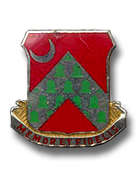 3rd Bn, 67th ADA DUI 3rd Bn, 67th ADA DUI I served in the in the 3rd Bn, 67th Air Defense Artillery, 3rd ID, from 1984 - 1987. I saw that your page had no unit crest for 3/67 ADA so here is a scan I made of our crest. Photo 1: This is a photo I took on a field problem from the drivers seat of the Platoon Sergeant's jeep. I can't remember the name of the town in the background. This area and this particular road was a common staging area. In the photo are 1/15 Inf Bradley's and I do not know the aviation unit or exactly what that white civilian vehicle which was parked just in front of my jeep was about. But I do remember that my Platoon Leader 1LT Allen had me drive him to this area for a little powwow with our task force leaders. Picture probably taken in 1985. Note the MILES equipped Bradley.
Photo 2: This photo is from a different field problem but the same area. Here you see 3/67ADA Vulcan's and Chaparral's with M1 Abrams from 2/64 I believe and various wheeled vehicles at the close of the field problem waiting to roll home. This photo was definitely taken in 1986 because the Chaparral's are equipped with the newer FLIR tracking systems.
|
||||||||||||||||||||||||||||||||||||||||||||||||||||||||||||||||||||||||||||||||||||||||||||||||||||||||||||||||||||||||||||||||||||||||||||||||||||||||||||||||||||||||||||||||||||||||||||||||||||||||||||||||||||||||||||
|
||||||||||||||||||||||||||||||||||||||||||||||||||||||||||||||||||||||||||||||||||||||||||||||||||||||||||||||||||||||||||||||||||||||||||||||||||||||||||||||||||||||||||||||||||||||||||||||||||||||||||||||||||||||||||||
|
||||||||||||||||||||||||||||||||||||||||||||||||||||||||||||||||||||||||||||||||||||||||||||||||||||||||||||||||||||||||||||||||||||||||||||||||||||||||||||||||||||||||||||||||||||||||||||||||||||||||||||||||||||||||||||
| 103rd Military Intelligence Bn | ||||||||||||||||||||||||||||||||||||||||||||||||||||||||||||||||||||||||||||||||||||||||||||||||||||||||||||||||||||||||||||||||||||||||||||||||||||||||||||||||||||||||||||||||||||||||||||||||||||||||||||||||||||||||||||
| 1970 | ||||||||||||||||||||||||||||||||||||||||||||||||||||||||||||||||||||||||||||||||||||||||||||||||||||||||||||||||||||||||||||||||||||||||||||||||||||||||||||||||||||||||||||||||||||||||||||||||||||||||||||||||||||||||||||
| (Source: Email from William J. Des Rochers) | ||||||||||||||||||||||||||||||||||||||||||||||||||||||||||||||||||||||||||||||||||||||||||||||||||||||||||||||||||||||||||||||||||||||||||||||||||||||||||||||||||||||||||||||||||||||||||||||||||||||||||||||||||||||||||||
| I saw that you might be looking for any information regarding the River Building in Wurzburg Germany which housed some elements of the 3rd Infantry Div. I was there in 1970-71 and thought the following might be of interest.
The 3rd MI detachment was headquartered there and housed the C.O., the X.O. (me), counterintelligence officers, and supply and maintenance. The order of battle officer was collocated with the G-2 up at Leighton Barracks, and there were NCOs up near the East German border. The detachment also had billets on the same floor for the enlisted personnel who worked in the River building. One or two bays? The unit, along with others, had storage units in the basement. These were jail cells. During my time, we were told that the building was the former Gestapo headquarters in Germany, but I cannot confirm that. Interestingly, however, the division's counter intelligence division (CID) was our neighbor in the building. Its entrance, an attractive dark stained wooden door, was marred by a cut plywood piece covering part of it. When one removed the plywood piece, it revealed an inlaid swatzika, indicating that the River building certainly had some significant role during the war. I hope this is helpful and adds a bit to our understanding of the times. |
||||||||||||||||||||||||||||||||||||||||||||||||||||||||||||||||||||||||||||||||||||||||||||||||||||||||||||||||||||||||||||||||||||||||||||||||||||||||||||||||||||||||||||||||||||||||||||||||||||||||||||||||||||||||||||
|
||||||||||||||||||||||||||||||||||||||||||||||||||||||||||||||||||||||||||||||||||||||||||||||||||||||||||||||||||||||||||||||||||||||||||||||||||||||||||||||||||||||||||||||||||||||||||||||||||||||||||||||||||||||||||||
Related
Links: |
||||||||||||||||||||||||||||||||||||||||||||||||||||||||||||||||||||||||||||||||||||||||||||||||||||||||||||||||||||||||||||||||||||||||||||||||||||||||||||||||||||||||||||||||||||||||||||||||||||||||||||||||||||||||||||
 .
.


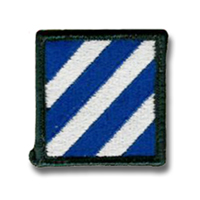












 7th Trans Co (Lt Trk)


 - this is one of many pages on the Society of the 3rd Infantry Division website. Great pics of various 3rd Inf Div kasernes .