| If you do NOT see the Table of Contents frame to the left of this page, then Click here to open 'USArmyGermany' frameset |
||||||||||||||||||||||||||||||||||||||||||||||||||||||||||||||||||||||||||||||||||||||||||||||||||||||||||||||||||||||||||||||||||||||||||||||||||||||||||||||||||||||||||||||||||||||||||||||||||||||||||||||||||||||||||||
8th Infantry Division (Mech) |
||||||||||||||||||||||||||||||||||||||||||||||||||||||||||||||||||||||||||||||||||||||||||||||||||||||||||||||||||||||||||||||||||||||||||||||||||||||||||||||||||||||||||||||||||||||||||||||||||||||||||||||||||||||||||||
|
|
||||||||||||||||||||||||||||||||||||||||||||||||||||||||||||||||||||||||||||||||||||||||||||||||||||||||||||||||||||||||||||||||||||||||||||||||||||||||||||||||||||||||||||||||||||||||||||||||||||||||||||||||||||||||||||
|
||||||||||||||||||||||||||||||||||||||||||||||||||||||||||||||||||||||||||||||||||||||||||||||||||||||||||||||||||||||||||||||||||||||||||||||||||||||||||||||||||||||||||||||||||||||||||||||||||||||||||||||||||||||||||||
|
|
||||||||||||||||||||||||||||||||||||||||||||||||||||||||||||||||||||||||||||||||||||||||||||||||||||||||||||||||||||||||||||||||||||||||||||||||||||||||||||||||||||||||||||||||||||||||||||||||||||||||||||||||||||||||||||
| Division History | ||||||||||||||||||||||||||||||||||||||||||||||||||||||||||||||||||||||||||||||||||||||||||||||||||||||||||||||||||||||||||||||||||||||||||||||||||||||||||||||||||||||||||||||||||||||||||||||||||||||||||||||||||||||||||||
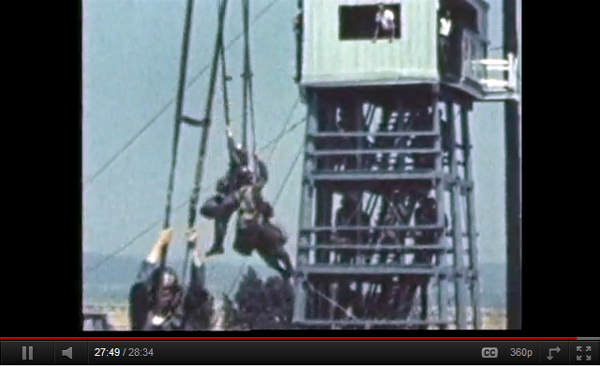 The Big Picture: 8th Infantry Division (Airborne), early 1970s (YouTube) |
||||||||||||||||||||||||||||||||||||||||||||||||||||||||||||||||||||||||||||||||||||||||||||||||||||||||||||||||||||||||||||||||||||||||||||||||||||||||||||||||||||||||||||||||||||||||||||||||||||||||||||||||||||||||||||
| 1955 - 1978 | ||||||||||||||||||||||||||||||||||||||||||||||||||||||||||||||||||||||||||||||||||||||||||||||||||||||||||||||||||||||||||||||||||||||||||||||||||||||||||||||||||||||||||||||||||||||||||||||||||||||||||||||||||||||||||||
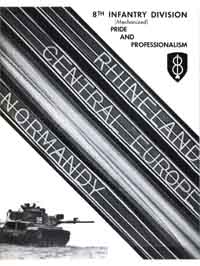
| (Source: "8th Infantry Division (Mechanized) - Pride and Professionalism" (Welcome Pamphlet, 1981?) | ||||||||||||||||||||||||||||||||||||||||||||||||||||||||||||||||||||||||||||||||||||||||||||||||||||||||||||||||||||||||||||||||||||||||||||||||||||||||||||||||||||||||||||||||||||||||||||||||||||||||||||||||||||||||||||
|
||||||||||||||||||||||||||||||||||||||||||||||||||||||||||||||||||||||||||||||||||||||||||||||||||||||||||||||||||||||||||||||||||||||||||||||||||||||||||||||||||||||||||||||||||||||||||||||||||||||||||||||||||||||||||||
|
In August 1961, when the East Germans erected the Berlin Wall,
one of the division's battle groups, the 18th Infantry, moved
overland to reinforce the Berlin garrison. The President
saw interoperability in action, viewing a demonstration of the ability
to mass anti-armor forces and equipment in a short period of time
on the modern, mobile battlefield. |
||||||||||||||||||||||||||||||||||||||||||||||||||||||||||||||||||||||||||||||||||||||||||||||||||||||||||||||||||||||||||||||||||||||||||||||||||||||||||||||||||||||||||||||||||||||||||||||||||||||||||||||||||||||||||||
|
|
||||||||||||||||||||||||||||||||||||||||||||||||||||||||||||||||||||||||||||||||||||||||||||||||||||||||||||||||||||||||||||||||||||||||||||||||||||||||||||||||||||||||||||||||||||||||||||||||||||||||||||||||||||||||||||
| 1) The 1st Abn BG, 504th Inf and 1st Abn BG, 505th Inf joined the division as part of the 1st Brigade. This made the 8th the only division in US Army history to be designated Infantry Division (Mechanized)(Airborne). The 5th Bn, 81st FA; Troop A, 3rd Bn, 8th Cav; and Company A, 12th Engr Bn were also designated as airborne and added to the 1st Brigade. (Source: The Pathfinder Orientation Magazine, 1985?). | ||||||||||||||||||||||||||||||||||||||||||||||||||||||||||||||||||||||||||||||||||||||||||||||||||||||||||||||||||||||||||||||||||||||||||||||||||||||||||||||||||||||||||||||||||||||||||||||||||||||||||||||||||||||||||||
| 1956 (TOE 1948) | ||||||||||||||||||||||||||||||||||||||||||||||||||||||||||||||||||||||||||||||||||||||||||||||||||||||||||||||||||||||||||||||||||||||||||||||||||||||||||||||||||||||||||||||||||||||||||||||||||||||||||||||||||||||||||||
(Source: USAREUR Station List, 30 June 1957) |
||||||||||||||||||||||||||||||||||||||||||||||||||||||||||||||||||||||||||||||||||||||||||||||||||||||||||||||||||||||||||||||||||||||||||||||||||||||||||||||||||||||||||||||||||||||||||||||||||||||||||||||||||||||||||||
| 8th Infantry Division - ORGANIZATION 1956: (Webmaster Note: Station location is based on information obtained from the US Army Station List for June 1957. If a unit was originally located at a different post upon arrival in Germany in 1956, I will note it separately.) |
||||||||||||||||||||||||||||||||||||||||||||||||||||||||||||||||||||||||||||||||||||||||||||||||||||||||||||||||||||||||||||||||||||||||||||||||||||||||||||||||||||||||||||||||||||||||||||||||||||||||||||||||||||||||||||
|
||||||||||||||||||||||||||||||||||||||||||||||||||||||||||||||||||||||||||||||||||||||||||||||||||||||||||||||||||||||||||||||||||||||||||||||||||||||||||||||||||||||||||||||||||||||||||||||||||||||||||||||||||||||||||||
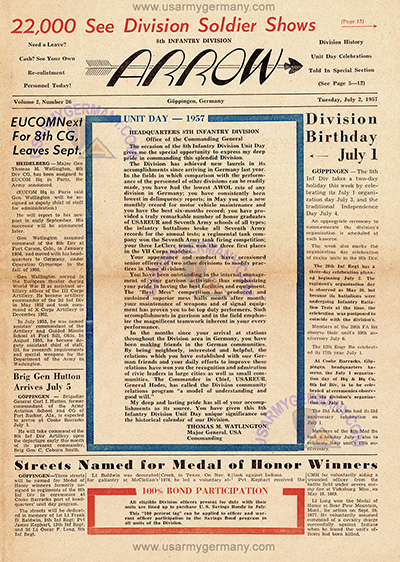 Click on the above image to view the entire issue |
||||||||||||||||||||||||||||||||||||||||||||||||||||||||||||||||||||||||||||||||||||||||||||||||||||||||||||||||||||||||||||||||||||||||||||||||||||||||||||||||||||||||||||||||||||||||||||||||||||||||||||||||||||||||||||
| 1958 (PENTOMIC) | ||||||||||||||||||||||||||||||||||||||||||||||||||||||||||||||||||||||||||||||||||||||||||||||||||||||||||||||||||||||||||||||||||||||||||||||||||||||||||||||||||||||||||||||||||||||||||||||||||||||||||||||||||||||||||||
(Source: USAREUR Station List, 30 June 1958) |
||||||||||||||||||||||||||||||||||||||||||||||||||||||||||||||||||||||||||||||||||||||||||||||||||||||||||||||||||||||||||||||||||||||||||||||||||||||||||||||||||||||||||||||||||||||||||||||||||||||||||||||||||||||||||||
| 8th Infantry Division - ORGANIZATION 1958: (Webmaster Note: Station location is based on information obtained from the US Army Station List for June 1958.) |
||||||||||||||||||||||||||||||||||||||||||||||||||||||||||||||||||||||||||||||||||||||||||||||||||||||||||||||||||||||||||||||||||||||||||||||||||||||||||||||||||||||||||||||||||||||||||||||||||||||||||||||||||||||||||||
|
||||||||||||||||||||||||||||||||||||||||||||||||||||||||||||||||||||||||||||||||||||||||||||||||||||||||||||||||||||||||||||||||||||||||||||||||||||||||||||||||||||||||||||||||||||||||||||||||||||||||||||||||||||||||||||
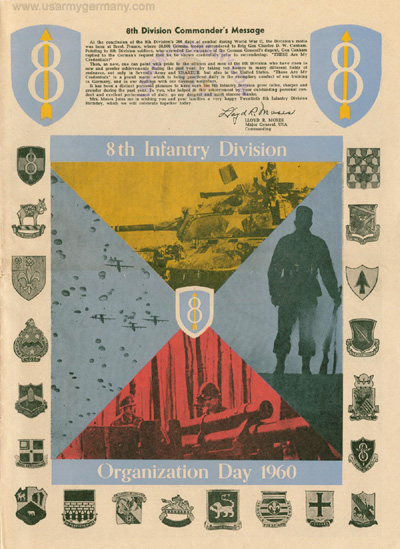 Click on the above image to view the entire issue |
||||||||||||||||||||||||||||||||||||||||||||||||||||||||||||||||||||||||||||||||||||||||||||||||||||||||||||||||||||||||||||||||||||||||||||||||||||||||||||||||||||||||||||||||||||||||||||||||||||||||||||||||||||||||||||
| 1960 | ||||||||||||||||||||||||||||||||||||||||||||||||||||||||||||||||||||||||||||||||||||||||||||||||||||||||||||||||||||||||||||||||||||||||||||||||||||||||||||||||||||||||||||||||||||||||||||||||||||||||||||||||||||||||||||
| (Source: Special Organization Day 1960 Issue of the THE ARROW, 8th Inf Div newspaper, July 1, 1960) | ||||||||||||||||||||||||||||||||||||||||||||||||||||||||||||||||||||||||||||||||||||||||||||||||||||||||||||||||||||||||||||||||||||||||||||||||||||||||||||||||||||||||||||||||||||||||||||||||||||||||||||||||||||||||||||
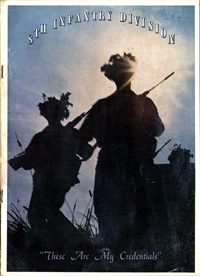
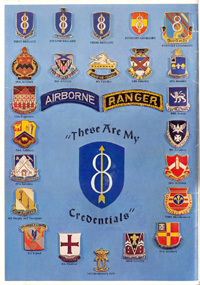
| In November, 1955, the 8th Infantry Divison was designated to rotate to Europe in a station exchange with the 9th Infantry Division under "Operation Gyroscope," and a year later, the final boatload of troops landed on German soil and became part of the NATO force. In August, 1957, the 8th became a pentomic division and soon after the new pentomic units had begun training, the Division participated in "Operation Switch," (Webmaster: more correctly known as "Operation Big Switch") a major relocation of three Army divisions with the 8th Division moving from the Nürnberg, Heilbronn, Ulm area north to the Rhineland with headquarters in Bad Kreuznach. Throughout 1959 the Pentomic 8th showed their credentials in every field of military endeavor as Division units and personnel accumulated new laurels, awards and letters of commendation from higher headquarters. In garrison and in the field in athletic competition and in staff operations, the Division performed as professionals and came to be known just as that -- the professional 8th. Early 1959 brought more changes to the Division that made change mean progress. Outstanding old line battle groups left -- to specifically mention each now is to linger on the past. Spurs won and new laurels gained, they have moved on. Important to the present are the battle groups here in 1960 - distinguished and legendary units whose combat records and lineage are unsurpassed. Each is described at length on other pages of this issue. Important to mention is that in 1959 the airborne credential was added to the Division's portfolio as the 8th Div became the Army's only combined Infantry-Airborne Division, numbering three Infantry and two Airborne Battle Groups, in addition to airborne supporting member units. The success of the Division's six major operations during the year, "Heaven Sent," "Side Step," "Fleche de Or," "Pau," "Fer de Lance" and "Bayonet Blue," indicate the capability of the Infantry and Airborne units of the Division. Proud and fierce competitors, the 8th Div enjoyed a tremendous year of success, setting new records and firsts in charity drives and local and Army-wide competitions and contests. Early in 1960, the 8th became the only Divisional size unit in the United States Armed Forces to be awarded the Minuteman Flag with star for it's outstanding participation in the savings program. Two records were shattered when the Division, for the second straight year, won the USAREUR Honor Blood Plaque for the highest contribution in the Military Blood Procurement Program, and established a new high in per-capita level donations during the 1960 American Red Cross campaign. The 8th also set a USAREUR record for reenlistments with the 26th Inf's record of 69 and took top honors, numerous times, in the Seventh Army NCO Academy graduation classes. Probably one of the most outstanding achievements of the year was the tremendous performance displayed by 8th Div marksmen. The "Golden Arrow" firers captured V Corps' A-R matches and Rifle and Pistol championships in early 1960. Later they captured the USAREUR team trophy in the USAREUR Rifle and Pistol championships at Grafenwoehr. Recently, the Division recorded smashing victories in the 1960 V Corps Prix Le Clerk Match and the 1960 Army Rifle and Pistol matches at Fort Banning, Ga., where they swept 10 out 12 awards in the automatic rifle firing competition, setting new Army records with every victory. In the sports field, the 8th produced colorful and outstanding teams in competitions as well as individual performers. The Blue Rangers, winners of the Rhine League and USAREUR semi-finalists, won 24 of 28 games. Righthander Vern Orndorff was chosen as USAREUR's Most Valuable Player and won a trip to the 1959 World Series. In football, the Mainz Troopers etched their names in USAREUR annuals by becoming the first team in six years to win the championship game and remain undefeated, a 26-0 victory over the Gelnhausen Braves. The Troopers set two new USAREUR records, fewest points allowed in a single season, 4.30 and most field goals in a championship game, two. The 8th also produced the 1960 USAREUR Bantamweight boxing champ, Thomas (Lucky) Lutge. Credentials Since the Division has been in Germany on their current tour of duty as a member of the NATO Forces, "Golden Arrow" members have earned laurels in every field of military endeavor. In the accomplishment of training and operational requirements, units and individual soldiers have been standard setters, whether their marks have been recorded numerically or adjectivally. Training tests, marksmanship, crew served weapons' competitions, alert, and individual arms qualification are some of the areas of combat readiness proficiency in which Division members have attained the professional standards of top level performers. The statistical data which competitively measures certain factors of discipline have consistently shown the 8th Infantry Division soldier to be a man whose conduct indicates his pride in his profession. His thrift, deportment off duty and care of equipment are in the finest tradition of military service. In every aspect of society, Division members have been pace setters in German-American relations. Particularly productive have been the athletic competitions in soccer, basketball and boxing between German and Division teams. During this past fiscal year the generosity of "Golden Arrow" members in charity campaigns has earned commendations for the Division. In addition, the informal contributions by Division personnel to German orphanages and similar organizations have vividly indicated their neighborliness. Organization Day 1960 The 8th Infantry Division celebrates it's fourth Organization Day in Germany this year. In this passing of almost four years since the Division arrived here in the fall of 1956, many, many events have taken place. Who was here years ago and who will be here tomorrow is not as important as the Division today. Today's 8th Infantry Division is, as always, the Division that gets things done; the Outfit that goes for first place and gets it. The Division that says, "These Are My Credentials .. ." and means exactly that. Dedication This special anniversary, Organization Day 1960 issue of the Arrow is dedicated to the present members of the 8th Infantry Division and the pages that follow have been prepared accordingly. Our readers,whether present or former Division members, or their friends and relatives, can understand our pride in saying, "These Are My Credentials." |
||||||||||||||||||||||||||||||||||||||||||||||||||||||||||||||||||||||||||||||||||||||||||||||||||||||||||||||||||||||||||||||||||||||||||||||||||||||||||||||||||||||||||||||||||||||||||||||||||||||||||||||||||||||||||||
| 1961 | ||||||||||||||||||||||||||||||||||||||||||||||||||||||||||||||||||||||||||||||||||||||||||||||||||||||||||||||||||||||||||||||||||||||||||||||||||||||||||||||||||||||||||||||||||||||||||||||||||||||||||||||||||||||||||||
| (Source: Organization Day 1960, THE ARROW; STATION LIST, June 1961) | ||||||||||||||||||||||||||||||||||||||||||||||||||||||||||||||||||||||||||||||||||||||||||||||||||||||||||||||||||||||||||||||||||||||||||||||||||||||||||||||||||||||||||||||||||||||||||||||||||||||||||||||||||||||||||||
| ORGANIZATION (June 1960): | ||||||||||||||||||||||||||||||||||||||||||||||||||||||||||||||||||||||||||||||||||||||||||||||||||||||||||||||||||||||||||||||||||||||||||||||||||||||||||||||||||||||||||||||||||||||||||||||||||||||||||||||||||||||||||||
|
||||||||||||||||||||||||||||||||||||||||||||||||||||||||||||||||||||||||||||||||||||||||||||||||||||||||||||||||||||||||||||||||||||||||||||||||||||||||||||||||||||||||||||||||||||||||||||||||||||||||||||||||||||||||||||
 |
||||||||||||||||||||||||||||||||||||||||||||||||||||||||||||||||||||||||||||||||||||||||||||||||||||||||||||||||||||||||||||||||||||||||||||||||||||||||||||||||||||||||||||||||||||||||||||||||||||||||||||||||||||||||||||
| Division Organization - ROAD | ||||||||||||||||||||||||||||||||||||||||||||||||||||||||||||||||||||||||||||||||||||||||||||||||||||||||||||||||||||||||||||||||||||||||||||||||||||||||||||||||||||||||||||||||||||||||||||||||||||||||||||||||||||||||||||
| 1963 (ROAD) | ||||||||||||||||||||||||||||||||||||||||||||||||||||||||||||||||||||||||||||||||||||||||||||||||||||||||||||||||||||||||||||||||||||||||||||||||||||||||||||||||||||||||||||||||||||||||||||||||||||||||||||||||||||||||||||
| 8th Infantry Division - ORGANIZATION 1963 (Webmaster Note: Station location is based on information obtained from the US Army Station List for December 1963.) |
||||||||||||||||||||||||||||||||||||||||||||||||||||||||||||||||||||||||||||||||||||||||||||||||||||||||||||||||||||||||||||||||||||||||||||||||||||||||||||||||||||||||||||||||||||||||||||||||||||||||||||||||||||||||||||
|
||||||||||||||||||||||||||||||||||||||||||||||||||||||||||||||||||||||||||||||||||||||||||||||||||||||||||||||||||||||||||||||||||||||||||||||||||||||||||||||||||||||||||||||||||||||||||||||||||||||||||||||||||||||||||||
| CORRECTION May 26, 2012 - Webmaster note: Going through the STATION LISTS for 1963, I realized that 4th Bn, 68th Arm at Sandhofen was also part of the 8th Inf Div. A comment from Wally Ramirez made me check into this: I was at Coleman Barracks from Mar 1962 to May 1964 with C Co 4th Bn 68th Armor. The entire unit rotated back to Fort Bragg NC in June 1964... We had 8th Div shoulder patches, but our tanks had 7th Army on the front. |
||||||||||||||||||||||||||||||||||||||||||||||||||||||||||||||||||||||||||||||||||||||||||||||||||||||||||||||||||||||||||||||||||||||||||||||||||||||||||||||||||||||||||||||||||||||||||||||||||||||||||||||||||||||||||||
| 1964 (ROAD) | ||||||||||||||||||||||||||||||||||||||||||||||||||||||||||||||||||||||||||||||||||||||||||||||||||||||||||||||||||||||||||||||||||||||||||||||||||||||||||||||||||||||||||||||||||||||||||||||||||||||||||||||||||||||||||||
| 8th Infantry Division - ORGANIZATION 1964 (Webmaster Note: shows only battalion-size units and larger; Source: 7th Army Annual Historical Report for 1964) |
||||||||||||||||||||||||||||||||||||||||||||||||||||||||||||||||||||||||||||||||||||||||||||||||||||||||||||||||||||||||||||||||||||||||||||||||||||||||||||||||||||||||||||||||||||||||||||||||||||||||||||||||||||||||||||
| Click here to see 8th Infantry Division organization for 1 August 1964. | ||||||||||||||||||||||||||||||||||||||||||||||||||||||||||||||||||||||||||||||||||||||||||||||||||||||||||||||||||||||||||||||||||||||||||||||||||||||||||||||||||||||||||||||||||||||||||||||||||||||||||||||||||||||||||||
| 1966 (ROAD) | ||||||||||||||||||||||||||||||||||||||||||||||||||||||||||||||||||||||||||||||||||||||||||||||||||||||||||||||||||||||||||||||||||||||||||||||||||||||||||||||||||||||||||||||||||||||||||||||||||||||||||||||||||||||||||||
| 8th Infantry Division - ORGANIZATION 1966 (Webmaster Note: shows only battalion-size units and larger; Source: 7th Army Annual Historical Report for 1966) |
||||||||||||||||||||||||||||||||||||||||||||||||||||||||||||||||||||||||||||||||||||||||||||||||||||||||||||||||||||||||||||||||||||||||||||||||||||||||||||||||||||||||||||||||||||||||||||||||||||||||||||||||||||||||||||
| Click here to see 8th Infantry Division organization for 1 July 1966. | ||||||||||||||||||||||||||||||||||||||||||||||||||||||||||||||||||||||||||||||||||||||||||||||||||||||||||||||||||||||||||||||||||||||||||||||||||||||||||||||||||||||||||||||||||||||||||||||||||||||||||||||||||||||||||||
| (Source: 8th Infantry Division booklet, 1967) | ||||||||||||||||||||||||||||||||||||||||||||||||||||||||||||||||||||||||||||||||||||||||||||||||||||||||||||||||||||||||||||||||||||||||||||||||||||||||||||||||||||||||||||||||||||||||||||||||||||||||||||||||||||||||||||
|
||||||||||||||||||||||||||||||||||||||||||||||||||||||||||||||||||||||||||||||||||||||||||||||||||||||||||||||||||||||||||||||||||||||||||||||||||||||||||||||||||||||||||||||||||||||||||||||||||||||||||||||||||||||||||||
| 1974 | ||||||||||||||||||||||||||||||||||||||||||||||||||||||||||||||||||||||||||||||||||||||||||||||||||||||||||||||||||||||||||||||||||||||||||||||||||||||||||||||||||||||||||||||||||||||||||||||||||||||||||||||||||||||||||||
| (Source: Walter Elkins) | ||||||||||||||||||||||||||||||||||||||||||||||||||||||||||||||||||||||||||||||||||||||||||||||||||||||||||||||||||||||||||||||||||||||||||||||||||||||||||||||||||||||||||||||||||||||||||||||||||||||||||||||||||||||||||||
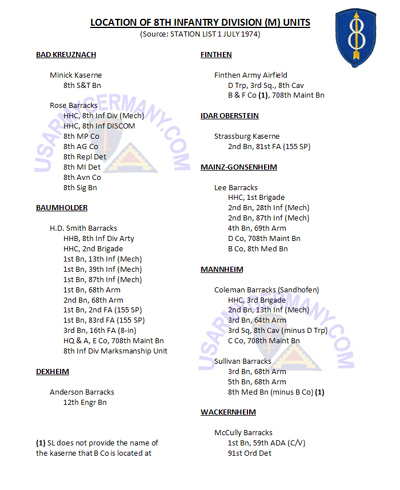 Location of 8th Mechanized Infantry Division units, July 1974 |
||||||||||||||||||||||||||||||||||||||||||||||||||||||||||||||||||||||||||||||||||||||||||||||||||||||||||||||||||||||||||||||||||||||||||||||||||||||||||||||||||||||||||||||||||||||||||||||||||||||||||||||||||||||||||||
| The list was created by Walter Elkins and is based on units and locations listed in the July 1974 STATION LIST. For corrections, please contact the webmaster. | ||||||||||||||||||||||||||||||||||||||||||||||||||||||||||||||||||||||||||||||||||||||||||||||||||||||||||||||||||||||||||||||||||||||||||||||||||||||||||||||||||||||||||||||||||||||||||||||||||||||||||||||||||||||||||||
| 1980 | ||||||||||||||||||||||||||||||||||||||||||||||||||||||||||||||||||||||||||||||||||||||||||||||||||||||||||||||||||||||||||||||||||||||||||||||||||||||||||||||||||||||||||||||||||||||||||||||||||||||||||||||||||||||||||||
| (Source: Scan of newspaper submitted by Jenni Johns, née Ritzler, who was assigned to the G-5/PAO section at Hqs 8th Inf Div from 1979-81 and served on the staff of the division newspaper, the CREDENTIALS) | ||||||||||||||||||||||||||||||||||||||||||||||||||||||||||||||||||||||||||||||||||||||||||||||||||||||||||||||||||||||||||||||||||||||||||||||||||||||||||||||||||||||||||||||||||||||||||||||||||||||||||||||||||||||||||||
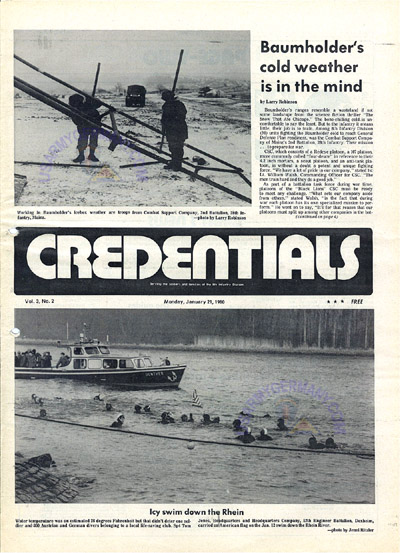 8th Inf Div CREDENTIALS - January 31, 1980 |
||||||||||||||||||||||||||||||||||||||||||||||||||||||||||||||||||||||||||||||||||||||||||||||||||||||||||||||||||||||||||||||||||||||||||||||||||||||||||||||||||||||||||||||||||||||||||||||||||||||||||||||||||||||||||||
| 1988 (Division 86) | ||||||||||||||||||||||||||||||||||||||||||||||||||||||||||||||||||||||||||||||||||||||||||||||||||||||||||||||||||||||||||||||||||||||||||||||||||||||||||||||||||||||||||||||||||||||||||||||||||||||||||||||||||||||||||||
| 8th Infantry Division - ORGANIZATION 1988 (Webmaster Note: Station location is based on information obtained from the US Army Station List for December 1963.) |
||||||||||||||||||||||||||||||||||||||||||||||||||||||||||||||||||||||||||||||||||||||||||||||||||||||||||||||||||||||||||||||||||||||||||||||||||||||||||||||||||||||||||||||||||||||||||||||||||||||||||||||||||||||||||||
|
||||||||||||||||||||||||||||||||||||||||||||||||||||||||||||||||||||||||||||||||||||||||||||||||||||||||||||||||||||||||||||||||||||||||||||||||||||||||||||||||||||||||||||||||||||||||||||||||||||||||||||||||||||||||||||
| (Source: Email from Peter Blume, author of several publications on USAREUR and US Army vehicles & equipment in Germany) | ||||||||||||||||||||||||||||||||||||||||||||||||||||||||||||||||||||||||||||||||||||||||||||||||||||||||||||||||||||||||||||||||||||||||||||||||||||||||||||||||||||||||||||||||||||||||||||||||||||||||||||||||||||||||||||
|
||||||||||||||||||||||||||||||||||||||||||||||||||||||||||||||||||||||||||||||||||||||||||||||||||||||||||||||||||||||||||||||||||||||||||||||||||||||||||||||||||||||||||||||||||||||||||||||||||||||||||||||||||||||||||||
|
||||||||||||||||||||||||||||||||||||||||||||||||||||||||||||||||||||||||||||||||||||||||||||||||||||||||||||||||||||||||||||||||||||||||||||||||||||||||||||||||||||||||||||||||||||||||||||||||||||||||||||||||||||||||||||
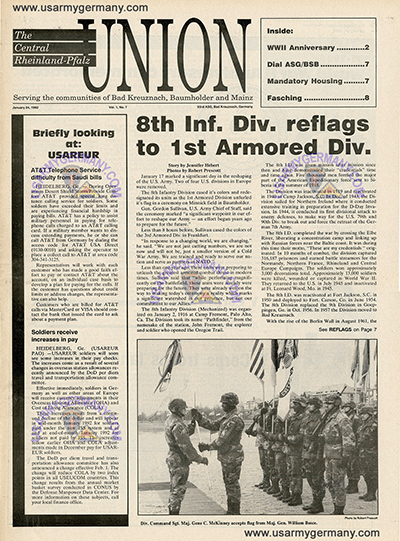 Central Rheinland-Pfalz UNION - January 24, 1992 |
||||||||||||||||||||||||||||||||||||||||||||||||||||||||||||||||||||||||||||||||||||||||||||||||||||||||||||||||||||||||||||||||||||||||||||||||||||||||||||||||||||||||||||||||||||||||||||||||||||||||||||||||||||||||||||
 |
||||||||||||||||||||||||||||||||||||||||||||||||||||||||||||||||||||||||||||||||||||||||||||||||||||||||||||||||||||||||||||||||||||||||||||||||||||||||||||||||||||||||||||||||||||||||||||||||||||||||||||||||||||||||||||
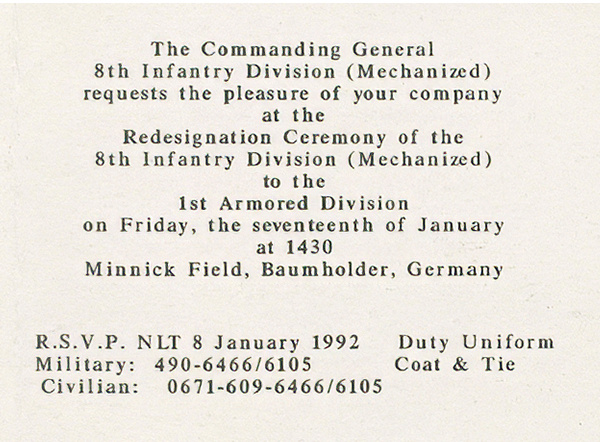 A sad day for veterans of the PATHFINDER Division |
||||||||||||||||||||||||||||||||||||||||||||||||||||||||||||||||||||||||||||||||||||||||||||||||||||||||||||||||||||||||||||||||||||||||||||||||||||||||||||||||||||||||||||||||||||||||||||||||||||||||||||||||||||||||||||
| 1992 (8th Inf Div inactivates) | ||||||||||||||||||||||||||||||||||||||||||||||||||||||||||||||||||||||||||||||||||||||||||||||||||||||||||||||||||||||||||||||||||||||||||||||||||||||||||||||||||||||||||||||||||||||||||||||||||||||||||||||||||||||||||||
| (Source: Central Rheinland-Pfalz newspaper, January 24, 1992) | ||||||||||||||||||||||||||||||||||||||||||||||||||||||||||||||||||||||||||||||||||||||||||||||||||||||||||||||||||||||||||||||||||||||||||||||||||||||||||||||||||||||||||||||||||||||||||||||||||||||||||||||||||||||||||||
| On Jan 17, 1992 the 8th Infantry Division formally became the 1st Armored Division in a ceremony held at Baumholder. | ||||||||||||||||||||||||||||||||||||||||||||||||||||||||||||||||||||||||||||||||||||||||||||||||||||||||||||||||||||||||||||||||||||||||||||||||||||||||||||||||||||||||||||||||||||||||||||||||||||||||||||||||||||||||||||
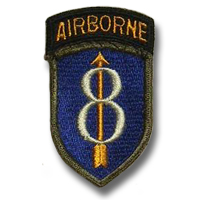
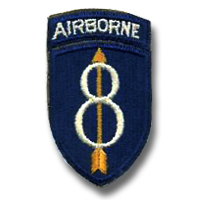
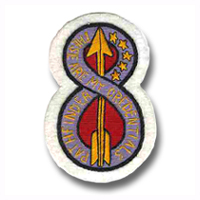
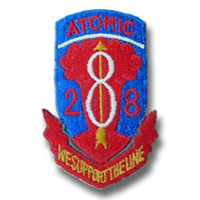
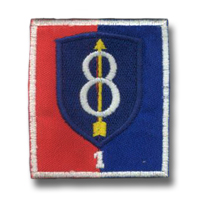
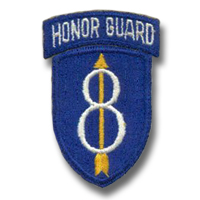
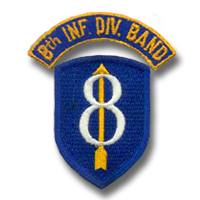
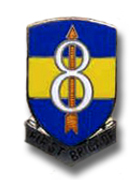
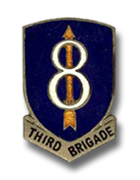
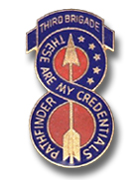
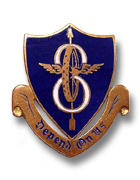
| 8th INF DIV AIRBORNE PATCHES - 1950s - 80s | ||||||||||||||||||||||||||||||||||||||||||||||||||||||||||||||||||||||||||||||||||||||||||||||||||||||||||||||||||||||||||||||||||||||||||||||||||||||||||||||||||||||||||||||||||||||||||||||||||||||||||||||||||||||||||||
|
||||||||||||||||||||||||||||||||||||||||||||||||||||||||||||||||||||||||||||||||||||||||||||||||||||||||||||||||||||||||||||||||||||||||||||||||||||||||||||||||||||||||||||||||||||||||||||||||||||||||||||||||||||||||||||
|
|
||||||||||||||||||||||||||||||||||||||||||||||||||||||||||||||||||||||||||||||||||||||||||||||||||||||||||||||||||||||||||||||||||||||||||||||||||||||||||||||||||||||||||||||||||||||||||||||||||||||||||||||||||||||||||||
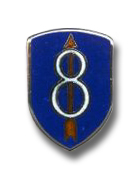
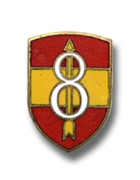
| VARIOUS ADDITIONAL DUIs | ||||||||||||||||||||||||||||||||||||||||||||||||||||||||||||||||||||||||||||||||||||||||||||||||||||||||||||||||||||||||||||||||||||||||||||||||||||||||||||||||||||||||||||||||||||||||||||||||||||||||||||||||||||||||||||
|
||||||||||||||||||||||||||||||||||||||||||||||||||||||||||||||||||||||||||||||||||||||||||||||||||||||||||||||||||||||||||||||||||||||||||||||||||||||||||||||||||||||||||||||||||||||||||||||||||||||||||||||||||||||||||||
| (1) Source:
Michael Belis, webmaster, 1st Bn, 22nd Inf web site This is the DI that I wore when I was a SP4 & assigned as an M577 driver for Headquarters Company, 3rd Brigade, 8th Infantry Division, in 1969-1970 at Coleman Barracks, Sandhofen. This DI was only worn by personnel of HHC 3BDE 8DIV. We wore two of these on our Dress Green and short-sleeve Khaki dress uniforms . . . one on each shoulder strap. When these were not available, we wore the same style DI, but without the scroll at the top (Webmaster: that would probably be the NCBU - Non-Color Bearing Unit crest). |
||||||||||||||||||||||||||||||||||||||||||||||||||||||||||||||||||||||||||||||||||||||||||||||||||||||||||||||||||||||||||||||||||||||||||||||||||||||||||||||||||||||||||||||||||||||||||||||||||||||||||||||||||||||||||||
|
||||||||||||||||||||||||||||||||||||||||||||||||||||||||||||||||||||||||||||||||||||||||||||||||||||||||||||||||||||||||||||||||||||||||||||||||||||||||||||||||||||||||||||||||||||||||||||||||||||||||||||||||||||||||||||
|
|
||||||||||||||||||||||||||||||||||||||||||||||||||||||||||||||||||||||||||||||||||||||||||||||||||||||||||||||||||||||||||||||||||||||||||||||||||||||||||||||||||||||||||||||||||||||||||||||||||||||||||||||||||||||||||||
| 8th Finance Company | ||||||||||||||||||||||||||||||||||||||||||||||||||||||||||||||||||||||||||||||||||||||||||||||||||||||||||||||||||||||||||||||||||||||||||||||||||||||||||||||||||||||||||||||||||||||||||||||||||||||||||||||||||||||||||||
| 1975 | ||||||||||||||||||||||||||||||||||||||||||||||||||||||||||||||||||||||||||||||||||||||||||||||||||||||||||||||||||||||||||||||||||||||||||||||||||||||||||||||||||||||||||||||||||||||||||||||||||||||||||||||||||||||||||||
 8th Finance Company AHR CY 1975 |
||||||||||||||||||||||||||||||||||||||||||||||||||||||||||||||||||||||||||||||||||||||||||||||||||||||||||||||||||||||||||||||||||||||||||||||||||||||||||||||||||||||||||||||||||||||||||||||||||||||||||||||||||||||||||||
|
||||||||||||||||||||||||||||||||||||||||||||||||||||||||||||||||||||||||||||||||||||||||||||||||||||||||||||||||||||||||||||||||||||||||||||||||||||||||||||||||||||||||||||||||||||||||||||||||||||||||||||||||||||||||||||
| 12th Engineer Battalion | ||||||||||||||||||||||||||||||||||||||||||||||||||||||||||||||||||||||||||||||||||||||||||||||||||||||||||||||||||||||||||||||||||||||||||||||||||||||||||||||||||||||||||||||||||||||||||||||||||||||||||||||||||||||||||||
| 1959 | ||||||||||||||||||||||||||||||||||||||||||||||||||||||||||||||||||||||||||||||||||||||||||||||||||||||||||||||||||||||||||||||||||||||||||||||||||||||||||||||||||||||||||||||||||||||||||||||||||||||||||||||||||||||||||||
| (Source: Email from Clarence B. Drennon, B Co, 12th Engr Bn, 1959-61) | ||||||||||||||||||||||||||||||||||||||||||||||||||||||||||||||||||||||||||||||||||||||||||||||||||||||||||||||||||||||||||||||||||||||||||||||||||||||||||||||||||||||||||||||||||||||||||||||||||||||||||||||||||||||||||||
| During 1959-1961 I was assigned to the 12th Engineer Battalion, 8th Infantry Division. During most of that period I was assigned to B Company, which supported the 1st Airborne Battle Group, 505th Infantry. Col Theodore Metaxis was the distinguished commander of the 505th during much of that period. He didn't like the Battle Group concept, and usually formed his BG, with attached tanks, etc., into two battalions. The units at Wiesbaden-Bieberich were two companies of the 1/504 Airborne Infantry. They had more discipline problems than the 505th. It was said that more members of the 504th were killed trying to do parachute landing falls from the third story of the old German barracks at Bieberich (courtyard was cobblestone) than were killed doing actual parachute jumps during the two years I was in 8th Division. The 505th had some unusual members. The scout platoon was commanded by a Lt. Timmerman, who had won the Medal of Honor in Korea as an EM. Timmerman seldom said anything. His best friend was then-Lt Anthony Herbert, later on rather well known in Vietnam. Herbert talked all the time. A member of the 505th staff was Gen. Patton's son. Col. Metaxis always cross-attached the 505th organic engineer platoon to B company, giving us, effectively, three platoons rather than the usual two of a PENTOMIC era Engineer battalion. CORRECTION (Source: Email from Art Walker) In the posting above, Mr. Drennon wrote that A & C Co 504 were at Wiesbaden-Biebrich across the (Rhine) river and there were some jumps/fatalities off the buildings. I was there. It was not the 504 but A & C Companies of the 505th. I was in A Co, 505 that night when PFC Allison French attempted a jump from the highest floor to the courtyard below. |
||||||||||||||||||||||||||||||||||||||||||||||||||||||||||||||||||||||||||||||||||||||||||||||||||||||||||||||||||||||||||||||||||||||||||||||||||||||||||||||||||||||||||||||||||||||||||||||||||||||||||||||||||||||||||||
|
||||||||||||||||||||||||||||||||||||||||||||||||||||||||||||||||||||||||||||||||||||||||||||||||||||||||||||||||||||||||||||||||||||||||||||||||||||||||||||||||||||||||||||||||||||||||||||||||||||||||||||||||||||||||||||
| 1st Battalion, 59th Air Defense Artillery (Chaparral/Vulcan) | ||||||||||||||||||||||||||||||||||||||||||||||||||||||||||||||||||||||||||||||||||||||||||||||||||||||||||||||||||||||||||||||||||||||||||||||||||||||||||||||||||||||||||||||||||||||||||||||||||||||||||||||||||||||||||||
| 1989 | ||||||||||||||||||||||||||||||||||||||||||||||||||||||||||||||||||||||||||||||||||||||||||||||||||||||||||||||||||||||||||||||||||||||||||||||||||||||||||||||||||||||||||||||||||||||||||||||||||||||||||||||||||||||||||||
| (Source: PATHFINDER, July 1989) | ||||||||||||||||||||||||||||||||||||||||||||||||||||||||||||||||||||||||||||||||||||||||||||||||||||||||||||||||||||||||||||||||||||||||||||||||||||||||||||||||||||||||||||||||||||||||||||||||||||||||||||||||||||||||||||
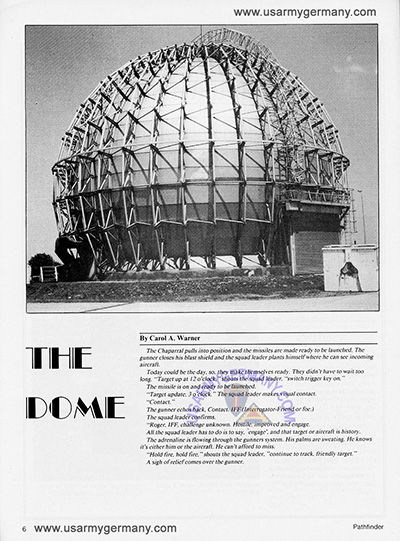 1/59ADA trains in the Dome (Webmaster's collection) |
||||||||||||||||||||||||||||||||||||||||||||||||||||||||||||||||||||||||||||||||||||||||||||||||||||||||||||||||||||||||||||||||||||||||||||||||||||||||||||||||||||||||||||||||||||||||||||||||||||||||||||||||||||||||||||
|
||||||||||||||||||||||||||||||||||||||||||||||||||||||||||||||||||||||||||||||||||||||||||||||||||||||||||||||||||||||||||||||||||||||||||||||||||||||||||||||||||||||||||||||||||||||||||||||||||||||||||||||||||||||||||||
| 108th Military Intelligence Battalion | ||||||||||||||||||||||||||||||||||||||||||||||||||||||||||||||||||||||||||||||||||||||||||||||||||||||||||||||||||||||||||||||||||||||||||||||||||||||||||||||||||||||||||||||||||||||||||||||||||||||||||||||||||||||||||||
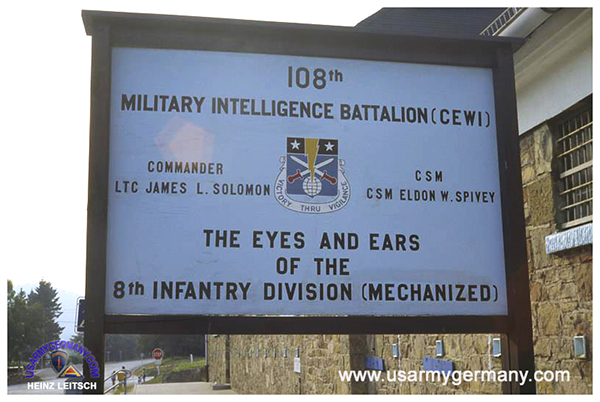 Sign in front of 108th MI Battalion headquarters, Wildflecken (Heinz Leitsch) |
||||||||||||||||||||||||||||||||||||||||||||||||||||||||||||||||||||||||||||||||||||||||||||||||||||||||||||||||||||||||||||||||||||||||||||||||||||||||||||||||||||||||||||||||||||||||||||||||||||||||||||||||||||||||||||
 108th Military Intelligence Bn DUI 108th Military Intelligence Bn DUI |
||||||||||||||||||||||||||||||||||||||||||||||||||||||||||||||||||||||||||||||||||||||||||||||||||||||||||||||||||||||||||||||||||||||||||||||||||||||||||||||||||||||||||||||||||||||||||||||||||||||||||||||||||||||||||||
| 1982 | ||||||||||||||||||||||||||||||||||||||||||||||||||||||||||||||||||||||||||||||||||||||||||||||||||||||||||||||||||||||||||||||||||||||||||||||||||||||||||||||||||||||||||||||||||||||||||||||||||||||||||||||||||||||||||||
| (Source: Email from Dan Cole) | ||||||||||||||||||||||||||||||||||||||||||||||||||||||||||||||||||||||||||||||||||||||||||||||||||||||||||||||||||||||||||||||||||||||||||||||||||||||||||||||||||||||||||||||||||||||||||||||||||||||||||||||||||||||||||||
| Was just browsing tonight and came across your web site of the Mannheim area barracks and had a serious walk down memory lane. If you look at your 1977 map of Colman Barracks and Bldg #87 directly across from the fire station and PX I lived in that bldg. in 1982-83. We were from B-Co 108th MI BN in Baumholder but our Platoon was permanently attached to 3rd Brigade the at Coleman. After an 18 month stay I got orders and was leaving at which time my Platoon moved to Wildflecken. I went up only to help move and then was sent back for a month to eventually out process. Had that month to myself and what ever I wanted to do only having CQ a few times during that time. That was fun. Any way, I'm just curious if you have any other pictures of that area. In the arial pic you can see the sitting pads for small copters and Cobras that would be there behind bldg. 87 thru 90 (our bks). There was no fence or barrier of any kind and we could walk right out there. Of course we were not supposed to but we did. We'd go out at night and lay in the grass as the helicopters would fly in, that was kind of cool. Thanks for having the website, its cool! |
||||||||||||||||||||||||||||||||||||||||||||||||||||||||||||||||||||||||||||||||||||||||||||||||||||||||||||||||||||||||||||||||||||||||||||||||||||||||||||||||||||||||||||||||||||||||||||||||||||||||||||||||||||||||||||
| Mi-1980s | ||||||||||||||||||||||||||||||||||||||||||||||||||||||||||||||||||||||||||||||||||||||||||||||||||||||||||||||||||||||||||||||||||||||||||||||||||||||||||||||||||||||||||||||||||||||||||||||||||||||||||||||||||||||||||||
| (Source: THE PATHFINDER, 8th Infantry Division (Mech) Orientation Magazine, mid-1980s) | ||||||||||||||||||||||||||||||||||||||||||||||||||||||||||||||||||||||||||||||||||||||||||||||||||||||||||||||||||||||||||||||||||||||||||||||||||||||||||||||||||||||||||||||||||||||||||||||||||||||||||||||||||||||||||||
| 108th Military Intelligence Battalion The 108th MI Battalion was formed March 16, 1981, from the 8th Military Intelligence Company and the 415th Army Security Agency Company. It was formally activated Sept. 16, 1981, at the Strassburg Kaserne, Idar-Oberstein and moved to its present location in Wildflecken in May 1983. This forward deployment led to the nickname, "The Point Battalion". The battalion's motto, "Victory through Vigilance", highlights the unit's mission of enhancing the Division's combat power through use of electronic warfare, intelligence, surveillance, operation security, counterintelligence and prisoner-of-war interrogation. The equipment the battalion uses to accomplish its mission is as varied as its mission and includes surveillance radar, jammers, radio/radar direction-finding equipment and interceptors. The battalion possesses the Army's newest pieces of electronic warfare equipment, including the TRAILBLAZER (AN/TSQ-114), a special purpose, track-mounted direction-finding intercept system, TEAMPACK (AN/MSQ-103), a track-mounted radar DF system, TACJAM (AN/MLQ-34), a track-mounted heavy jamming system, and TRAFFICJAM (AN/TLQ-17A), a tactical communications jammer mounted on M151 jeeps or CUCV's. When organized for combat, the 108th fields a company team in direct support of each of the Division's brigades. Each company team is composed of ground surveillance radar and intercept and jamming systems. All systems are directly tasked by the brigade commander. The remainder of the battalion is controlled by the TCAE 1) and provides general support to the Division. 1) TCAE - Technical Control and Analysis Element. The Army TCAE provides support and guidance to Army tactical SIGINT units. The Army TCAE is the highest echelon in the Army's technical control architecture and serves as the single. POC at NSA for Army theater and tactical forces. This technical architecture extends through TCAEs located at theater or MACOM to corps and down through division, ACR, and separate brigade TCAEs (Source: FM 34-37, 15 January 1991). |
||||||||||||||||||||||||||||||||||||||||||||||||||||||||||||||||||||||||||||||||||||||||||||||||||||||||||||||||||||||||||||||||||||||||||||||||||||||||||||||||||||||||||||||||||||||||||||||||||||||||||||||||||||||||||||
| 1988 | ||||||||||||||||||||||||||||||||||||||||||||||||||||||||||||||||||||||||||||||||||||||||||||||||||||||||||||||||||||||||||||||||||||||||||||||||||||||||||||||||||||||||||||||||||||||||||||||||||||||||||||||||||||||||||||
| (Source: PATHFINDER, June 1988) | ||||||||||||||||||||||||||||||||||||||||||||||||||||||||||||||||||||||||||||||||||||||||||||||||||||||||||||||||||||||||||||||||||||||||||||||||||||||||||||||||||||||||||||||||||||||||||||||||||||||||||||||||||||||||||||
| Military Intelligence: Key to winning by Carol A. Warner The Army's primary objective is to win the land battle - to fight and win against whatever foe, wherever and whenever. We must assume the enemy will have weapons that are as effective as ours and in greater numbers (FM 34-10). This is one reason military intelligence on the battlefield will be the key to winning any battle; this is also why military intelligence units are found in each US Army division. The 8th Infantry Division is supported by 108th Military Intelligence Battalion in Wildflecken. 1st Lt. Jennifer Heldman, Company A platoon leader, said they are the most forward deployed military intelligence battalion in Europe. If anything is going to happen, they'll be the first to know because they are so close to the border. They are our early warning system. This is one reason they take their training seriously. Once a month each platoon in the battalion rolls out to the field just as Co. A did, explained Heldman. This gives them a chance to practice convoy procedures, site occupation, running systems and provides cross training on systems. "It's a day when we get hands on training," she added. The Collection and Jamming Company obtains information by listening in on enemy radio. After they collect the information they analyze it and pass it to the Division as intelligence traffic. They can also jam enemy communications systems and provide battlefield surveillance. The Ground Surveillance Company has radar and remote sensor teams to support the division, explained Heldman. The Service Support Company provides communications, food service, and maintenance support. "We're here to provide intelligence for the Division," said SPC Anthony Prather, Co. A, 108th Ml. "It's our job to make sure they know where the enemy is, what the enemy is doing, what they are going to do and when." "Our systems are capable of pinpointing enemy strengths, locations and directions of attack," said Heldman. "We can locate just about anybody on the battlefield if they are out there talking." This is what a division commander needs to know to plan future operations. Operations are planned and resources allocated for up to 24 hours in advance. The MI Battalion provides a variety of support to several different elements of the Division; because of the sensitive nature of their work and the need for OPSEC not much is seen or heard from 108th MI. Just know that they are out there listening and watching. They are the eyes and ears of the Division. |
||||||||||||||||||||||||||||||||||||||||||||||||||||||||||||||||||||||||||||||||||||||||||||||||||||||||||||||||||||||||||||||||||||||||||||||||||||||||||||||||||||||||||||||||||||||||||||||||||||||||||||||||||||||||||||
|
||||||||||||||||||||||||||||||||||||||||||||||||||||||||||||||||||||||||||||||||||||||||||||||||||||||||||||||||||||||||||||||||||||||||||||||||||||||||||||||||||||||||||||||||||||||||||||||||||||||||||||||||||||||||||||
| Related Links: 8th Infantry Division Association - a web site for ALL former soldiers of the 8th Infantry Division from beginning to end..... to keep the memories and spirit of the 8th Infantry Division from fading into history........ Paratroopers of the 50s - |
||||||||||||||||||||||||||||||||||||||||||||||||||||||||||||||||||||||||||||||||||||||||||||||||||||||||||||||||||||||||||||||||||||||||||||||||||||||||||||||||||||||||||||||||||||||||||||||||||||||||||||||||||||||||||||
|
||||||||||||||||||||||||||||||||||||||||||||||||||||||||||||||||||||||||||||||||||||||||||||||||||||||||||||||||||||||||||||||||||||||||||||||||||||||||||||||||||||||||||||||||||||||||||||||||||||||||||||||||||||||||||||
 .
.  Inf Regiments
 2nd Bn, 5th Inf