| If you do
NOT see the Table of Contents frame to the left of this page, then
Click here to open 'USArmyGermany' frameset |
||||||||||||||||||||||||||||||||||||||||||||||||||||||||||||||||||||
|
Army
& Air Force Exchange Service, Europe |
||||||||||||||||||||||||||||||||||||||||||||||||||||||||||||||||||||
|
|
||||||||||||||||||||||||||||||||||||||||||||||||||||||||||||||||||||
|
||||||||||||||||||||||||||||||||||||||||||||||||||||||||||||||||||||
|
|
||||||||||||||||||||||||||||||||||||||||||||||||||||||||||||||||||||
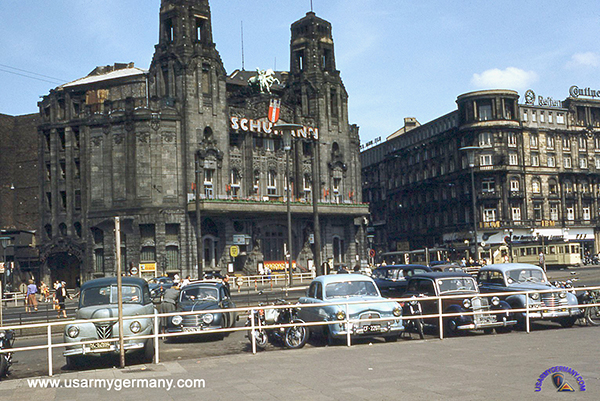 Crossroads PX & Snack Bar, Schumann Theater, Frankfurt, 1955 (Webmaster's collection) (This facility is a wonderful representative for all the AES / EES / AAFES activities that served US Armed Forces personnel and their dependents during the post-WWII years in Europe.) |
||||||||||||||||||||||||||||||||||||||||||||||||||||||||||||||||||||
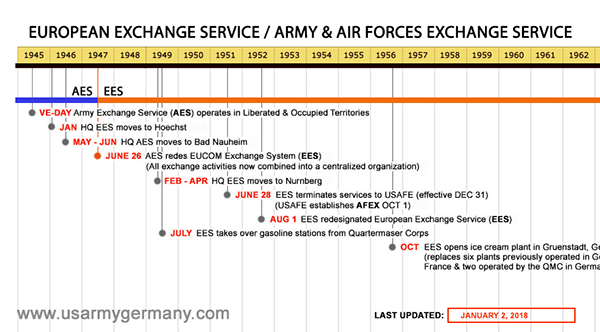 Click on image to view timeline in PDF format (This is a DRAFT - will add to it as I find more information. Input from readers always welcome!!!) |
||||||||||||||||||||||||||||||||||||||||||||||||||||||||||||||||||||
| European Exchange Service History | ||||||||||||||||||||||||||||||||||||||||||||||||||||||||||||||||||||
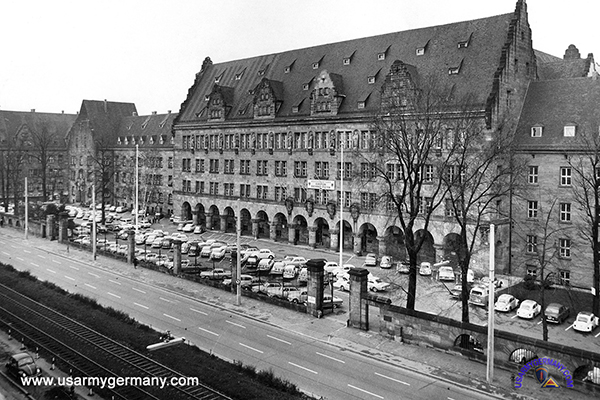 European Exchange Service Headquarters until 1969, Nürnberg (Exchange Associate) |
||||||||||||||||||||||||||||||||||||||||||||||||||||||||||||||||||||
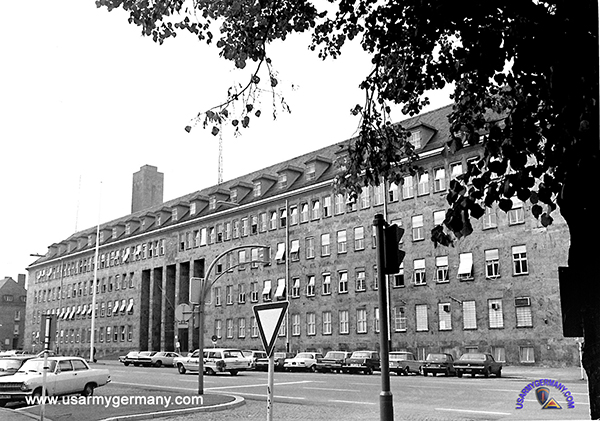 EES, then AAFES, Headquarters, Munich, after 1969 (Exchange Associate) |
||||||||||||||||||||||||||||||||||||||||||||||||||||||||||||||||||||
| Late 1950s | ||||||||||||||||||||||||||||||||||||||||||||||||||||||||||||||||||||
| (Source: Serving Those Who Serve, EES, Special Activities Section, HQ USAREUR, no date) | ||||||||||||||||||||||||||||||||||||||||||||||||||||||||||||||||||||
|
||||||||||||||||||||||||||||||||||||||||||||||||||||||||||||||||||||
| 1945 - 1970 | ||||||||||||||||||||||||||||||||||||||||||||||||||||||||||||||||||||
| (Source: "A History of the Exchange in Europe, 1943 - 1970", HQ AAFES-Eur, APO 09245, 1970) | ||||||||||||||||||||||||||||||||||||||||||||||||||||||||||||||||||||
The
Early Years * * * After the war the London headquarters moved to Paris to be established
in the Majestic Hotel within sight of the Eiffel Tower. That move
was completed in August 1945. |
||||||||||||||||||||||||||||||||||||||||||||||||||||||||||||||||||||
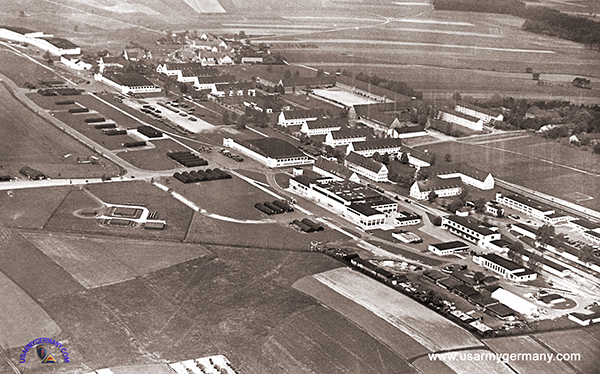 EES Depot at Katterbach, no date provided (Exchange Associate) |
||||||||||||||||||||||||||||||||||||||||||||||||||||||||||||||||||||
The early summer of 1947 saw the Exchange headquarters again pull
up stakes and move, this time to the entirely different environment
of the famed resort town of Bad Nauheim. * * * |
||||||||||||||||||||||||||||||||||||||||||||||||||||||||||||||||||||
 EES Symbol (1950s) EES Symbol (1950s)During this period, the Exchange in Europe became known as the EUCOM EXCHANGE SYSTEM (European Conmand). The organization still functioned within the jurisdiction of the Special Activities Division of USAREUR. It was commanded by Colonel A. C. Spalding and consisted of seventeen Exchanges in Germany, Austria, France, Belgium and England. It operated with a combined US and local national workforce of roughly 16,000 employees. In Germany before a currency reform in June 1948, local national employees were paid with the old Reichsmark, worth about 10 cents. When the currency was reformed, the new Deutsche Mark was worth 30 cents, but inflationary trends and a weak economy soon reduced it to 23.8 cents, a level it held for many years afterward. Through those years, the Exchange headquarters was still in search of a permanent home, and as the War Crimes Trials held at Nuernberg's Palace of Justice sped toward completion, plans to move with the entire Special Activities Division became a reality. Over the period February through April 1949 that move was completed. An aspect that sheds quite some light on the makeup of the headquarters at that time is that some 500 military and civilian US employees made the move, plus 115 American dependents. Compared to that figure only 25 German employees were retained in the move, a situation that would be greatly reversed in moves to come much later. With the activation of the Third Air Force in England, an independent exchange (United Kingdom Exchange) was begun in October 1949 to meet the needs of that unit. Later, a similar circumstance took place in Libya. As the Air Force continued its buildup overseas and units began appearing throughout France, North Africa and the Mediterranean, it appeared for a time there were many who felt that the Exchange Service could well revert back to the World War I policy of separate exchanges for the various units. A study was then begun with an eye toward Army and Air Force exchanges to function as two separate entities. From 1949 through 1951, as that possibility was debated, Air Force Colonel. C. E. Frederick served as the EUCOM Exchange commander. On 1 January 1952 it happened. Following an extensive inter-service study, the UNITED STATES AIR FORCES EUROPE EXCHANGE (AFEX) was born. |
||||||||||||||||||||||||||||||||||||||||||||||||||||||||||||||||||||
More
to be added in the future |
||||||||||||||||||||||||||||||||||||||||||||||||||||||||||||||||||||
| 1969 | ||||||||||||||||||||||||||||||||||||||||||||||||||||||||||||||||||||
| (Source: STARS & STRIPES, Nov 5, 1969) | ||||||||||||||||||||||||||||||||||||||||||||||||||||||||||||||||||||
| List of exchange area commanders: | ||||||||||||||||||||||||||||||||||||||||||||||||||||||||||||||||||||
|
||||||||||||||||||||||||||||||||||||||||||||||||||||||||||||||||||||
 |
||||||||||||||||||||||||||||||||||||||||||||||||||||||||||||||||||||
| AAFES-EUR History | ||||||||||||||||||||||||||||||||||||||||||||||||||||||||||||||||||||
| 1972 - 1992 | ||||||||||||||||||||||||||||||||||||||||||||||||||||||||||||||||||||
| (Source: One Hundred Years of Service: A History of the Army and Air Force Exchange Service, COL Carol A. Habgood and LT COL Marcia Skaer, HQ AAFES, Dallas, October 1994) | ||||||||||||||||||||||||||||||||||||||||||||||||||||||||||||||||||||
| EUROPE At one time, there were 10 independent exchanges serving US forces in Europe. Two closed in the 1950s: The American Graves Registration Service-Mediterranean and TRUST Exchange Service, US Troops, Trieste. The remaining eight eventually merged into either the European Command Exchange System (EES) or the Air Forces Europe Exchange (AFEX). In turn, EES and AFEX merged into EES in 1964, which by then had been renamed the European Exchange System, keeping the same EES designation. And in January 1972, EES and AFEX became part of the worldwide Army and Air Force Exchange Service, completing the worldwide integration of exchanges that started in 1970. The eight independent exchanges discussed in this section are:  European
Exchange Service Kagnew
Station Exchange, Eritrea, Ethiopia Air
Forces Europe Exchange United
Kingdom Exchange Service Wheelus
Exchange, Wheelus AB, Tripoli, Libya Dhahran
Airfield Exchange, Saudi Arabia Joint
U.S. Military Aid to Greece Exchange, Athens Joint
American Military Mission for Aid to Turkey European
Exchange Service Kagnew
Station Exchange, Eritrea, Ethiopia Air
Forces Europe Exchange United
Kingdom Exchange Service Wheelus
Exchange, Wheelus AB, Tripoli, Libya Dhahran
Airfield Exchange, Saudi Arabia Joint
U.S. Military Aid to Greece Exchange, Athens Joint
American Military Mission for Aid to Turkey European Exchange Service AES, Europe. On V-E day, the Army Exchange Service was operating in the European Theater, under the oversight of the G-1 Division, U.S. Forces, European Theater, with headquarters in Paris, France. When hostilities ended, a priority became providing exchange services for the hundreds of thousands of troops being redeployed. Full-scale planning for the occupation began late in 1945. The plan for exchange services "envisaged a mission for the Army Exchange Service vastly more comprehensive than any previously undertaken. |
||||||||||||||||||||||||||||||||||||||||||||||||||||||||||||||||||||
|
||||||||||||||||||||||||||||||||||||||||||||||||||||||||||||||||||||
| A plan was submitted and underwent several revisions before it was finally approved on 4 March 1946. Under the final approved version, three regional offices were established under AES control. The regional officers were given powers of supervision over the exchanges in their areas of responsibility. The plan also called for setting up "super-exchanges" in the main communities of the United States Zone. There were three classifications of exchanges, depending upon the size of the military community being served. The final approved version of the plan, however, "transferred the community exchanges from the direct control of the Army Exchange Service to that of the local community commander." The military communities and their exchanges were activated in May 1946, the regional offices by 1 August. While the planning for AES services was going on, responsibility for EUCOM oversight of AES was transferred to special services on 13 March 1946. The mission of AES in Europe . . . was no different from the basic function of the Army Exchange Service in other overseas theaters, or even in the United States; but there was a great difference in the scope of operations required to fulfill this function. Apart from the Quartermaster commissary stores for dependents, the Exchange-operated stores in the European Theater were the only establishments from which necessities and conveniences of life, over and above the normal messing facilities, could be obtained . . . .It became necessary for the Army Exchange Service to provide the military population of the US. Zone with many goods and services which they normally would have bought in neighborhood stores, as well as those which are the normal stock in trade of a post exchange in the United States. Thus, AES became an "extensive and complicated business and an important factor in the life of the forces of the European theater." The U.S. Forces, European Theater was redesignated the European Command on 15 March 1947. In April 1947, a major organizational change took place in AES in Europe. "The vast scope of AES activities and the tremendous attendant problems led to the establishment, effective 1 April 1947, of the European Command Board of Directors, Army Exchange Service." The board became the governing body of AES. "The Chief, Army Exchange Service, was not authorized to put into effect any major changes in policy, rationing or prices nor to add any major activity to the Exchange Service without submitting such changes or additions through the Chief, Special Services, to the Board of Directors for approval." A few weeks later. the most radical change in organization in the AES in Europe happened when the entire system was centralized. "Primarily, centralization would have the effect of placing all employees throughout the theater under the direct control of the Chief, Army Exchange Serevice, and this would give much more complete control than had been possible before." Centralization was supported by the vast majority of senior officials. EUCOM Exchange System. On 26 June 1947, the AES in Europe became the EUCOM Exchange System (EES). All exchange activities within the occupied zones of Germany, France, and Austria were merged into a single, centralized exchange organization, the European Command Exchange System, with headquarters at Bad Nauheim, Germany. In addition, the European Command Exchange Council "as established, replacing the former EUCOM Board of Directors, AES. The commanding general of each major command of EUCOM was tasked to appoint a senior officer to serve on the exchange council. In addition, the commanding generals appointed an NCO to serve on the EUCOM Noncommissioned Officers' Committee of the exchange system. The chief of the special services section under the assistant chief of staff, G-1, was still responsible for the control, operation, and supervision of the exchange system. Under the old AES organization, the AES personnel branch was responsible only for those assigned to the headquarters. However, under the centralized EES, the personnel division had authority to hire key personnel both in the headquarters and in field units of the exchange system. "Thus, the functions of the major commanders and post commanders, in so far as post exchange operation was concerned, were reduced to assisting the EES-appointed Post Exchange Officer in the conduct of his exchange. All control and supervision were removed from Army commanders, except that they were authorized to appoint a post exchange board to report and advise on Exchange matters." Headquarters EUCOM Circular 48, dated 27 June 1947, "Establishment of the EUCOM Exchange System," was the directive establishing the EUCOM Exchange System, effective 26 June. It also authorized the establishment of district offices, which had been established in February 1947, in anticipation of centralization. District offices were located in Bad Nauheim, Heidelberg, Erlangen, Munich and Vienna. A large number of operational duties formerly done by AES headquarters had been delegated to the district offices when they were established. When the EUCOM Exchange System was established, it took over the district offices. |
||||||||||||||||||||||||||||||||||||||||||||||||||||||||||||||||||||
|
||||||||||||||||||||||||||||||||||||||||||||||||||||||||||||||||||||
| On 1 August 1952, EUCOM was redesignated U.S. Army, Europe, and a new United States European Command was established. The EUCOM Exchange System in turn was redesignated the European Exchange System. Responsibility for EES on the U.S. Army, Europe staff was assigned to the special activities division, G-1. | ||||||||||||||||||||||||||||||||||||||||||||||||||||||||||||||||||||
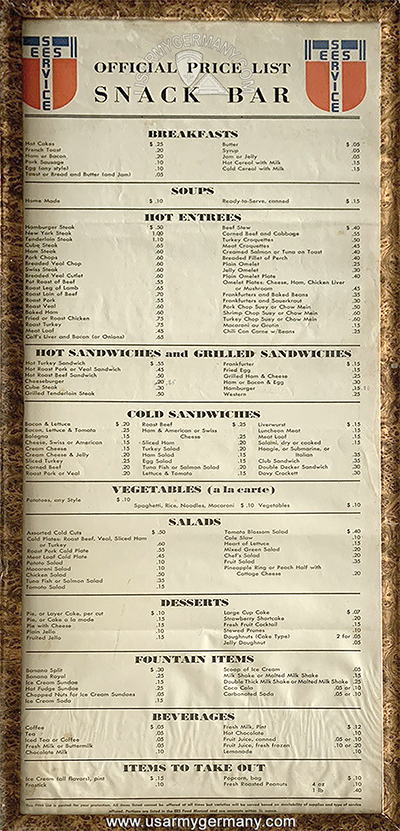 Snack Bar price list, date unknown (Click on image to view a higher resolution version) |
||||||||||||||||||||||||||||||||||||||||||||||||||||||||||||||||||||
| Kagnew
Station Exchange The one exchange that did not merge with EES in 1947, was the Kagnew Station Exchange in Eritrea, Ethiopia. Established in October 1942, during World War II, it operated as an independent exchange. When it started, it shared a building with the post theater and exchange concessions. Eventually, it grew into a complex of 19 exchange activities on Kagnew Station, a retail store 500 miles away in Addis Ababa, supporting the Military Assistance Advisory Group, and a central warehouse in Asmara. Originally, Eritrea was to be the headquarters for operations in the Middle East, with the port at Massawa to be the main supply port. At the same time, Eritrea was being developed to assist in ferrying of planes to the China-Burma-India theater. But the fighting was over in Eritrea long before the United States arrived there. When the Germans were stopped at El Alamein, the role of Eritrea changed significantly. Construction of port, manufacturing and air base facilities stopped. However, it was discovered that Eritrea was an ideal location for radio transmission and reception; so a radio station was built there, and it became the biggest and busiest in the Army. In January 1957, a fire destroyed the main exchange building and several other structures causing $125,000 in loss and damages. Most of the records from 1942-1957 were also destroyed in the fire. Five months later, the exchange opened in its new building. On 26 September 1967, the Kagnew Exchange merged with the 20-year old EES. On 1 July 1973, the Kagnew Exchange transferred to the Navy, ending AAFES operations in Ethiopia. EES Curtailed Services to Air Forces Europe Units. When the Air Force became a separate service in September 1947, it continued to use the Army Exchange Service rather than establish its own exchange system. In Europe, EES provided the Air Force with its exchanges. However, in 1951, the commander in chief, European Command, decided to terminate EES services to United States Air Forces Europe (USAFE) installations in France and North Africa, effective 28 June 1951. At that time, the Air Force was increasing its forces in France, North Africa, and the Mediterranean. Without EES exchange support, USAFE had to establish a separate exchange system to serve those areas. To allow USAFE time to develop exchange acilities in France and North Africa, EUCOM and USAFE reached an interim operating agreement on 26 June for EES to continue service until 31 December. "During this temporary period, the type of support [provided by EES] will be what we generally call a 'barrack exchange service,' that is, cigarettes, candy bars, razors, shaving soap, toothbrushes, tooth powder, and whatever may be classed as necessary items for a soldier or airman." Extensive correspondence was carried on between EUCOM and USAFE during the fall of 1951. On 17 August, the USAFE chief of staff asked the EUCOM commander in chief to reconsider the decision to limit EES services to EUCOM command elements and units: . . . .Additional Army as well as Air Force troops are arriving in Europe to be deployed in locations at present not within the EUCOM area . . . . In the EUCOM Exchange System, which heretofore has served both Army and Air Force commanders in Germany and France as well as the Commander-in-Chief, US Forces Austria, you have a strongly organized, well-equipped, soundly financed central exchange agency admirably fitted to extend its services not only to Air Force units arriving in France but to Army and Air Force units ,scheduled for Italy and North Africa .... Extension of the EUCOM Exchange System, a joint-Army Air Force operation under your command, would seem highly desirable in the face of Congressional concern respecting economic utilization of military resources and in the interest of supply and manpower economy, services unification, and maximum utilisation of a complex exchange overhead staff easily able to assume substantial added burdens at minimum cost .... It is not the desire of the Commander-in-Chief, USAFE to establish a separate and parallel exchange system serving Air Force units in France and North Africa as long as a possibility exists for an overall system. However, the decision to curtail EES services to USAFE personnel in France and North Africa was not changed. In a reply to the USAFE chief of staff. the EUCOM chief of staff stated: "Subsequent to that date [when EES services would cease], EES will furnish Exchange service from its regularly operated stores to personnel of USAFE who are on duty in areas predominantly occupied by Army elements, and it is assumed that reciprocal service will be given to U.S. Army personnel in areas where USAFE is predominant and has outlet stores." The decision having been made to establish an exchange system to serve authorized customers in the United Kingdom, North Africa, and Europe outside the EUCOM and U.S. Forces, Austria sphere of responsibility -- USAFE requested an advance credit of $3 million against EES for USAFE to use in establishing and operating the new system by 1 January 1952, the date on which all EES emergency services would terminate to those USAFE locations. In addition, USAFE requested a transfer of a portion of USAFE assets "jointly accumulated since 1942 by Army and Air Force personnel in Europe, Africa and the United Kingdom. That request was turned down on 2 October 1951, based on the position that responsibility for exchange service should follow command channels and expansion financed by those who would receive the benefits of the services. EUCOM and USAFE agreed to extend the temporary EES exchange services to USAFE until 31 March 1951. They agreed to an exchange agreement with the following basic principles: |
||||||||||||||||||||||||||||||||||||||||||||||||||||||||||||||||||||
|
||||||||||||||||||||||||||||||||||||||||||||||||||||||||||||||||||||
| Air
Forces Europe Exchange The Air Forces Europe Exchange (AFEX) system was originally established to provide exchange services to Air Force people in France and Morocco. However, in its 12-year lifetime, it expanded to serve military installations in Libya, the United Kingdom, Germany, Turkey, Spain, Greece, Saudi Arabia, the Netherlands, Pakistan, and Italy. Whether Air Force people and their families were stationed in the London area or in the most remote locations, AFEX was there providing them with the comforts of home. The building of an organizational structure for AFEX started in September 1951, when a USAFE liaison office was established at EES headquarters in Nuernberg. On 1 October, the Air Forces Europe Exchange system was officially established with the activation of the 7480th Supply Squadron (Exchange Service) at Bordeaux, France. Organizationally, AFEX was an operating responsibility of the commander in chief, USAFE, exercised through the commander of the 7480th Supply Squadron (Exchange Service). For purposes of this discussion, then, AFEX and the 7480th are synonymous. The first commander assigned to the 7480th, as an additional duty during the establishment of AFEX, had been the EUCOM exchange officer for 28 months. The 7480th would be under the USAFE assistant chief of staff, A-4 (materiel), special activities division. The special activities division was established on 28 November 1951, to provide policy control and supervision of AFEX, USAFE Class VI supply and USAFE motion picture services. EUCOM had also terminated Class VI supply and motion picture services to USAFE installations outside EUCOM. The AFEX French Morocco Region (later designated the Morocco Region) headquarters was established in Casablanca, North Africa, as Detachment 1, with responsibility for exchanges in the Mediterranean-North African area. The France Region headquarters was actuated at Bordeaux and designated as Detachment 2 of the 7480th. An AFEX office continued as liaison with EES in Nuemberg. The start-up of AFEX was financed with loans from AAFES. On 28 December 1951, AFEX became fully operational and took over the following exchanges from EES: Nouasseur and Sidi Slimane Air Bases and 5th Air Division Headquarters, Rabat, French Morocco (under Detachment 1); and Bordeaux Air Base and Chateauroux Air Depot, France (under Detachment 2). On 1 January 1953, Detachment 3, 7480th Supply Squadron (Exchange Service) was established as the Libya Region of AFEX when the independent Military Air Transport Service Exchange at Wheelus Air Base merged with AFEX. The Libya Region headquarters was in Tripoli. Responsibility on the USAFE staff for AFEX was transferred on 1 February 1953. The special activities division was transferred from the assistant chief of staff, A-4 to the office of the chief of staff and redesignated the Office of Special Activities. Responsibility for exchange operations was in the command section, where it would remain until AFFX merged with EES in 1964. On 1 April 1953, Detachment 4, 7480th was established as the United Kingdom Region of AFEX when the independent United Kingdom Exchange System of Third Air Force merged with AFEX. Region headquarters remained at RAF Sealand, England, where the U.K. Exchange System had been headquartered. It addition to its responsibility for exchange operations throughout the United Kingdom, the U.K. Region had satellite exchanges at Prestwick and Kirknewton, Scotland, and provided buying services for the Air Force people stationed in Osl,. Norway. U.K. Exchange Region headquarters moved to RAF Feltwell, 30 October 1975. |
||||||||||||||||||||||||||||||||||||||||||||||||||||||||||||||||||||
|
||||||||||||||||||||||||||||||||||||||||||||||||||||||||||||||||||||
| In May 1953, the move to London was completed, and the
7480th and the Office of Special Activities, Headquarters,
USAFE were in one location in interconnecting buildings
at 30 Old Burlington Street and 21 Cork Street, London.
Instead of operating out of three locations in three countries
as the organizations had done prior to the move, they
were finally in one location. The 7480th Supply Squadron (Exchange Service) was redesignated 7480th Supply Group (Special Activities) on 1 October 1954, as it prepared to expand its responsibilities into Spain, Netherlands, and Italy later in the year. AFEX extended its services on 1 January 1955, when it assumed responsibility from EES for exchanges serving Air Force installations in Germany and Austria. Detachment 5 of the 7480th was established as the Germany Region with its headquarters at Wiesbaden. In 1956, Detachment 5 was redesignated as the Continental Region, with exchanges in France, Spain, and Germany assigned to it. Detachment 2 (France Region) was then discontinued. Headquarters AFEX moved from London to Mainz-Kastel, Wiesbaden, Germany, 15 January 1955. The move was completed by 15 February. On 1 July 1956, Detachment 6 was established as the Eastern Region after the exchange at the Joint American Military Mission for Aid to Turkey merged with AFEX Exchange operations in Spain expanded into Seville and Zaragoza in 1956. As a result, the Spain Region was established as Detachment 7 on 1 January 1957, and the exchanges in Spain reassigned from the Continental Region (Detachment 5) to the Spain Region. The independent exchange at Dhahran Airfield, Saudi Arabia, joined AFEX on 1 July 1957, and was designated Dhahran Region (Operating Location 8), with headquarters at Dhahran when AFEX took over the existing facilities. Under a cross-servicing agreement between EES and AFEX, changes were made in exchange responsibilities in Germany, France, and Italy on 26 September 1957. AFEX assumed responsibility for all exchange activities in areas under Air Force jurisdiction, while EES assumed responsibility for exchanges in areas under Army control. Munich, in Army territory, had been served by AFEX. EES took over there. Wiesbaden, then headquarters for USAFE, was an EES operation, and was turned over to AFEX. Greece joined the AFEX family on 23 January 1958, as the exchange serving the Joint U.S. Military Aid Group to Greece transferred to AFEX and became Detachment 10. The warehouse and headquarters for the Greece Region were in Athens. In late 1959, AFEX extended exchange operations into West Pakistan, assigning responsibility to the Greece Region. On 1 April 1962, AFEX operations closed at Dhahran Airfield when the 1957 Airfield Agreement was not renewed by the Saudi Arabian government. In 1963, Morocco transferred from Detachment 1 to Detachment 7, effective 23 January. In October 1963, AFEX provided unit-operated exchange support for the U.S. Military Supply Mission-India, at Palam Air Base, New Delhi, India. The Continental Region supported that activity from Chateauroux AB, France. Detachment 1 was subsequently discontinued. Also in 1963, Italy was reassigned from the Continental Region (Detachment 5) to the Greece Region (Detachment 10), effective 23 September. In December 1963, AFEX operations ended in Morocco as the United States left that country with the expiration of the treaty granting the United States the right to maintain air bases there. The last AFEX employee left on one of the last C-54 flights leaving Morocco. Wheelus Exchange, Libya The Wheelus Exchange is discussed earlier in this chapter in the Atlantic Offshore section, as an ATC Overseas Central Exchange. It merged with AFEX on 1 January 1953, and closed on 31 May 1970. United Kingdom Exchange System After Berlin airlift operations began in June 1948, the United States sent additional troops to Europe to support that operation. One of the important logistical centers was the depot it established at RAF Burtonwood, England. That installation was designated the Burtonwood Air Force Depot on 12 September 1948, and the 59th Air Depot Wing was organized at Burtonwood on 11 October 1948. During World War II, Burtonwood had served as an Air Force maintenance center. After the war, with no military assigned there, the base deteriorated. It was revived in 1948, to service the planes used in the Berlin airlift. Exchange services were provided by the EES when it established the England Post Exchange System, headquartered at Burtonwood, in June 1948. The system was under the administrative control of the Wiesbaden, Germany, Exchange until 26 October 1948, when it became an autonomous unit of EES. The England Post Exchange System became an independent operation of the Air Force's Third Air Division in March 1949, and was redesignated the United Kingdom Exchange System. Third Air Force was established in May 1951, replacing the former Third Air Division that had been activated as a provisional organization on 16 July 1948. The U.K. Exchange System was assigned under the Third Air Force assistant chief of staff, materiel. On 9 February 1953, the deputy commander in chief of USAFE directed that all the nonappropriated fund activities within USAFE and Third Air Force be consolidated, effective 31 March. On 1 April, the United Kingdom Exchange System merged with AFEX, and the United Kingdom Region was established within AFEX. Region headquarters was at RAF Sealand, having moved there on 26 September 1951. Dhahran Airfield Exchange Dhahran Airfield was opened in May 1946. The exchange operated as an independent exchange until 1 July 1957, when it merged with AFEX. It became Operation Location 8 (Dhahran Region), with headquarters at Dhahran. On 1 April 1962, AFEX operations closed at Dhahran Airfield when the 1957 Airfield Agreement was not renewed by the Saudi Arabian government. Joint U.S. Military Aid to Greece Exchange On 24 February 1947, England advised the United States that, due to financial difficulties at home, it would discontinue assistance to Greece and Turkey at the end of March. A week later, the Greek government asked for U.S. aid. On 12 March, President Harry Truman asked Congress for $300 million for aid to Greece. Congress authorized $200 million. In December 1947, the joint chiefs of staff established the Joint U.S. Military Assistance and Planning Group-Greece to give operational assistance and logistic advice to the Greek armed forces. In 1948. the U.S. Army Group, Greece established a post exchange in the American Mission in Athens. On 23 January 1958, AFEX established Detachment 10 (Greece Region) as it assumed responsibility for operating the exchange of the Joint U.S. Military Aid Group to Greece. Joint American Military Mission for Aid to Turkey Exchange When President Truman asked Congress for funds for Greece, he also asked for $100 million for aid to Turkey. Congress approved that amount. In 1948, the chief of the U.S. Army Group, Turkey, asked the adjutant general of the Army to designate "the Athens Post Exchange and Commissary to service the Turk Mission in addition to the Greek Mission." That request was approved and the U.S. Army Group, Greece was directed to service the mission in Turkey. On 25 July 1949, the Joint Welfare Board disapproved a request from the coordinator, Military Aid to Turkey, for a monthly grant from the joint Army and Air Force central welfare fund. The board stated that a post exchange would be established in Ankara "in the near future." By November 1959, there was a post exchange established in Ankara, in support of the Joint American Military Mission for Aid to Turkey. On 1 July 1956, the post exchange at the Ankara mission merged with AFEX and became Detachment 6 (Eastern Region). Merger of EES and AFEX By 1964, both AFEX and EES were operating exchange services that provided duplicate services. On 7 March 1964, the Board of Directors of the Army and Air Force Exchange and Motion Picture Services and the vice chiefs of staff of the Army and the Air Force approved a plan to consolidate EES and AFEX. effective 25 July 1964. "This merger was both desirable and necessary to avoid duplication of effort within the European theater of both sales and service to U.S. military personnel and their families. The Headquarters for this new consolidated organization would be Nuernberg, Germany." The merger of the two exchange systems meant that the 7480th Supply Group (Special Activities) would be phased out and the Class VI activity assigned as an autonomous agency on the USAFE staff. The AFEX regions were redesignated as EES Regions and transferred to the operational control of EES on 25 July 1964. The commanders in chief of U.S. Army, Europe and U.S. Air Forces Europe exercised joint responsibility for the new EES through a joint exchange board. U.S. Army Europe was designated the executive agent for EES. The commander in chief (CINC), acting as executive agent, exercised command responsibility over the joint exchange system and was responsible to the commander in chief of the other service for the operation of exchanges on his installations. "Command responsibility to higher headquarters will rest upon the CINC operating as executive agent. The CINC not designated as the executive agent will have direct access to the Commander EES for normal consultation, service, guidance and advice." The joint agreement signed by the two commanders in chief also spelled out the responsibility of the joint board. "The Joint Exchange Board, hereinafter referred to as the Board, will recommend broad policy guidance which, when approved by both CINCs, will be implemented by the executive agent. The Board will also recommend to both CINCs appropriate joint regulations governing exchange operations." AFEX and EES thus merged on 25 July 1964. AFEX's operational unit, the 7480th Supply Group (Special Activities), was discontinued 15 August. The consolidation of EES and AFEX caused an overlap in the geographical areas of responsibility in continental Europe. EES had six districts, all located in continental Europe, while AFEX had six regions, only one of which covered the continent except for Spain and Southern Italy. The EES districts were: North German, South German, Berlin, Bremerhaven, French, and Italian Districts. The AFEX regions were: Spain, United Kingdom, Turkey, Greece, Continental, and Libya Regions. The districts and regions of EES and AFEX were replaced by nine new EES regions: Spain, United Kingdom, Turkey, Greece, Italy, Libya, North German, South German, and French Regions. After 12 years of independent operation, the AFEX merger with EES marked "the end of an era and the beginning of a period of progress for USAFE base exchanges. Consolidation of AFEX and EES will result in elimination of duplicated overhead expenses, concentration of executive knowledge, consolidation of inventories, central control of the transportation fleet, modernization of the accounting system . . . . and more responsiveness to customer demands and needs." The year 1967 was marked by the closing of EES operations in India and France. Exchange operations in support of the U.S. Supply Mission-India, in New Delhi ended on 30 June, after four years of first AFEX, then EES service. Three months later, on 30 September, the last EES operation in France closed. During its lifetime, the France Region had been the largest in EES with 532 exchange outlets and support activities. Two years later, EES ended its operations in Libya and Pakistan, both operations that had been started by AFEX and continued by EES after the merger of AFEX and EES in 1964. When Wheelus AB, Tripoli, Libya, closed in March 1969, exchange operations also stopped. Ten years of exchange services ended in Pakistan, 15 December 1969. After 20 years in historic Nuernberg, EES headquarters started its move to Munich, in February 1969. On 28 July, the American flag was lowered for the last time at the Palace of Justice and EES headquarters was declared operational at McGraw Kaserne, Munich, in a building that had been a supply kaserne for the SS during World War II. By 3 December, the last of the people and equipment moved into the new headquarters. Merger with AAFES On 27 January 1972, EES became a part of AAFES as integrated management of exchanges was extended worldwide. There were seven area exchanges under EES at that time: Berlin, North Germany, South Germany, Middle-East, Italy, Spain, and United Kingdom Area Exchanges. The Middle-East Area Exchange was headquartered at Athens and had replaced the Greece and Turkey Area Exchanges. (However, later in 1972, the Greece and Turkey Area Exchanges were reestablished and the Middle-East Area Exchange discontinued.) The Central Germany Area Exchange had been deactivated and exchanges within its area were redistributed between the two other area exchanges in Germany. Area exchanges were redesignated as exchange regions in 1972, and in 1978, were once again called area exchanges. On 8 October 1974, EES was redesignated AAFES-Europe. |
||||||||||||||||||||||||||||||||||||||||||||||||||||||||||||||||||||
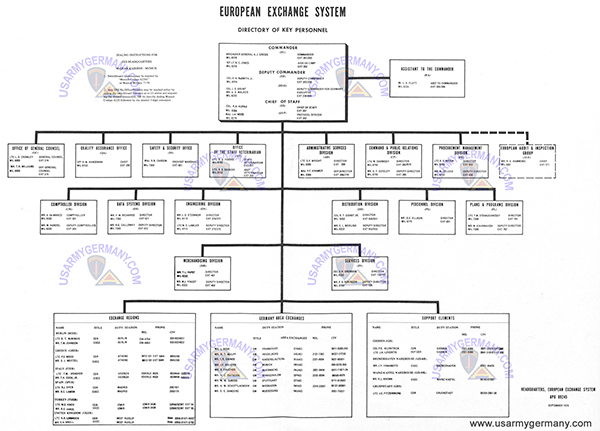 Directory of Key Personnel, European Exchange System, September 1974 (AHEC) |
||||||||||||||||||||||||||||||||||||||||||||||||||||||||||||||||||||
| When overseas exchange regions were redesignated as area exchanges
on 26 January 1978, there were 12 in Europe: Greece, Italy, Spain,
Turkey, United Kingdom, Frankfurt, Heidelberg, Berlin, Kaiserslautern,
Nuernberg, Spangdahlem, and Stuttgart Area Exchanges. In 1978, the
Berlin Area Exchange was discontinued, and the Heidelberg Area Exchange
was discontinued in 1980. In 1985, the Frankfurt and Spangdahlem Area
Exchanges merged into a new organization, the Tri-Border Area Exchange. From 1985 to early 1991, there were nine area exchanges in AAFES-Europe: Tri-Border, Kaiserslautern, Nuernberg, Stuttgart, Greece, Italy, Spain, Turkey and U.K. Area Exchanges. On 29 January 1991, the Greece Area Exchange was deactivated and its exchanges realigned under the Tri-Border Area Exchange. On 12 March 1991, area exchanges were redesignated sales districts. The Spain and U.K. Area Exchanges merged into the European Basin Sales District. In September 1992, the Nuernberg Sales District was deactivated, followed by these additional deactivations: Italy Sales District, January 1993; Kaiserslautern Sales District, January 1993; Tri-Border Sales District, January 1993; and the European Basin, June 1993. For one year, from 29 January 1991 to 28 January 1992, the Saudi Arabia Area Exchange/Sales District operated in Dhahran in support of U.S. operations in DESERT SHIELD/DESERT STORM. Some 22 years after moving to Munich, AAFES-Europe headquarters moved back to the Nuernberg area. The first elements started moving on 4 November 1991, to Pinder Barracks, Zirndorf. On 18 February 1992, the colors were cased at McGraw Kaserne, and AAFES-Europe headquarters was declared operational at its new location in Zirndorf. |
||||||||||||||||||||||||||||||||||||||||||||||||||||||||||||||||||||
| OVERSEAS DISTRIBUTION
- EUROPE European Exchange System. The first warehouses solely for PX goods on the European continent were established under terms of an agreement signed by AES and the Quartermaster Corps on 1 September 1944. As a result, 21 PX depots and bulk storage warehouses were located on the continent. After the war, facilities were consolidated. When the EUCOM Exchange System replaced AES in Europe on 26 June 1947, the EUCOM Exchange Depot System was established to exercise centralized control of the depots and distribution points in the command. Distribution facilities at that time included depots at Bremerhaven, Schierstein, Ansbach, and Aschaffenburg. Ansbach had been activated on 25 May 1947, to replace the remaining depots at Schierstein and Aschaffenburg in Germany, and at Linz in Austria. Schierstein closed 25 November 1947. Aschaffenburg became primarily a collecting and disposal point for surplus property, and it eventually closed on 31 March 1948, when its remaining stock and personnel were transferred to the Ansbach Depot. By 30 September 1947, other activities besides those related to the depot were assigned to Ansbach. That included equipment and merchandise repair shops, an automotive parts salesroom, and a central motor transport service (motor pool). In addition, the EES headquarters staff concerned with distribution moved to Ansbach by 1 December. |
||||||||||||||||||||||||||||||||||||||||||||||||||||||||||||||||||||
|
||||||||||||||||||||||||||||||||||||||||||||||||||||||||||||||||||||
| Warehouses in Madrid, Spain, and Livorno, Italy, opened in 1954 when AFEX expanded its responsibilities into those two countries. AFEX headquarters moved from London to Mainz-Kastel, Germany, in January 1955. It assumed responsibility for the warehouses from EES in September 1957 when AFEX assumed responsibility for all exchange activities in areas under Air Force jurisdiction, and EES for those in areas under Army control. When the exchange in Athens, Greece, joined AFEX on 23 January 1958, the warehouse operation also came under AFEX. Merger of EES and AFEX. After the merger of EES and AFEX into the new EES, warehouse operations were at Gruenstadt, Giessen, Bremerhaven, Mainz-Kastel, Chateauroux, and the six outlying regions in Greece, Turkey, Spain, Italy, Libya, and the United Kingdom. The AFEX warehouse at LaRochelle, France, closed after the merger. The EES operation at Ansbach also closed after the merger, with Giessen expanded to absorb its responsibilities. Merger with AAFES. EES became part of AAFES on 27 January 1972. The distribution activities at Giessen and Gruenstadt were named the Giessen Support Element and the Gruenstadt Support Element. Giessen was responsible for the Giessen depot and subdepots at Mainz-Kastel and Bremerhaven. They were redesignated in September 1978 to Giessen and Gruenstadt Depots. In May 1981, Giessen was redesignated European Distribution Group when it picked up supervisory responsibility for the distribution activities in the outlying areas - U.K., Spain, Italy, Greece, and Turkey. Those facilities were previously under the area exchanges. In 1986, the European Distribution Group was redesignated the European Logistics Group, and in August 1987, the European Distribution Center. In 1991, it became the European Distribution Area. The distribution centers under Giessen were organizationally part of AAFES-Europe until 26 January 1988, when management of the European Distribution Center and its operational activities transferred to the AAFES Distribution Region. In June 1989, the European Distribution Area was realigned under AAFES distribution, with distribution centers in Giessen, U.K., Spain, Greece, Italy, and Turkey. Greece closed 1 July 1991; Spain closed 1 August 1991; and Italy closed 1 August 1992. The Turkey distribution center became a transportation center in October 1992, then closed completely in July 1994. The Gruenstadt Depot was redesignated the European Industrial Activities in 1986, and realigned under the European Logistics Group at Giessen. In September 1987, it was realigned under AAFES-Europe. The Saudi Arabia Distribution Center opened in Dhahran 19 September 1990; in support of Operation DESERT SHIELD/STORM. It closed 15 July 1991. The Rotterdam Transportation Center in Amsterdam was realigned under AAFES Distribution from the European Distribution Area in 1991. Its purpose was the same as its sister transportation centers in the United States. The Rotterdam facility, however, primarily handled merchandise inbound for stores throughout Europe. . |
||||||||||||||||||||||||||||||||||||||||||||||||||||||||||||||||||||
|
||||||||||||||||||||||||||||||||||||||||||||||||||||||||||||||||||||
|
|
||||||||||||||||||||||||||||||||||||||||||||||||||||||||||||||||||||
| Gruenstadt Depot | ||||||||||||||||||||||||||||||||||||||||||||||||||||||||||||||||||||
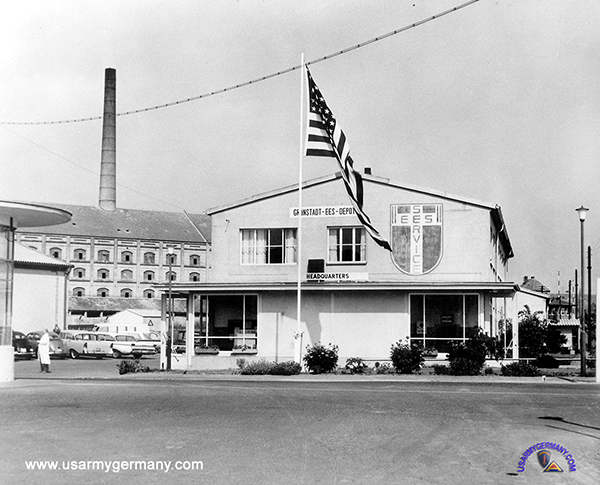 Gruenstadt EES Depot Headquarters, late 1950s (Exchange Associate) |
||||||||||||||||||||||||||||||||||||||||||||||||||||||||||||||||||||
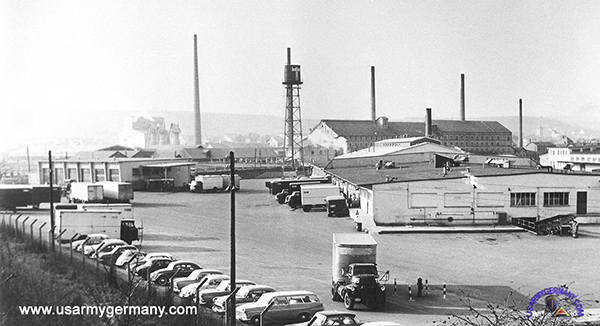 Gruenstadt EES Depot, circa 1960 (Exchange Associate) |
||||||||||||||||||||||||||||||||||||||||||||||||||||||||||||||||||||
 Gruenstadt AAFES Depot, circa 1990 (Library of Congress) |
||||||||||||||||||||||||||||||||||||||||||||||||||||||||||||||||||||
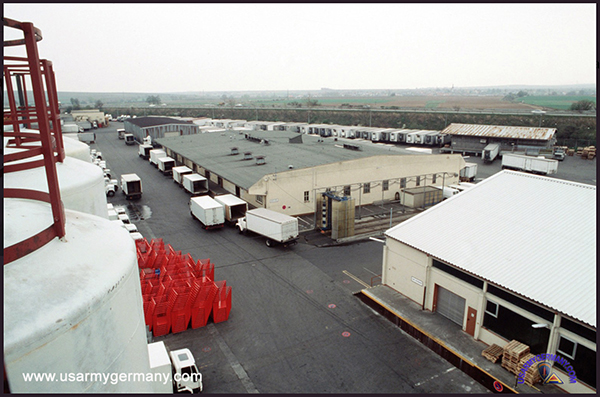 Gruenstadt AAFES Depot, circa 1990 (Library of Congress) |
||||||||||||||||||||||||||||||||||||||||||||||||||||||||||||||||||||
| 1980 | ||||||||||||||||||||||||||||||||||||||||||||||||||||||||||||||||||||
| (Source: STARS & STRIPES, Dec 3, 1980) | ||||||||||||||||||||||||||||||||||||||||||||||||||||||||||||||||||||
| In December 1980, AAFES-Europe began a $12.9 million construction project at the Gruenstadt AAFES Depot to renovate and construct a consolidated baking facility. The massive constuction project entails renovating and expanding a 127,000 square foot warehouse into an automated bakery plant. Higher quality breads, buns, rolls and other bakery products should be on the shelves of exchange outlets starting next fall when the new facility is completed, Exchange officials state that, with the new machinery and the bigger facility, they will be able to produce bakery products made just like in the States. Once installed, the high-speed oven will churn out about 12,000 loaves of bread an hour. In addition, the bakery will produce about 120 other bakery items - including cakes and pasteries. About 140 employees will work at the new facility. Smaller AAFES bakeries currently in operation in Kaiserslautern, Frankfurt and Fuerth will be shut down and some of their employees will be moved to the new facility. The consolidation effort will begin next October. |
||||||||||||||||||||||||||||||||||||||||||||||||||||||||||||||||||||
|
||||||||||||||||||||||||||||||||||||||||||||||||||||||||||||||||||||
| Mobile PX / Snack Bars | ||||||||||||||||||||||||||||||||||||||||||||||||||||||||||||||||||||
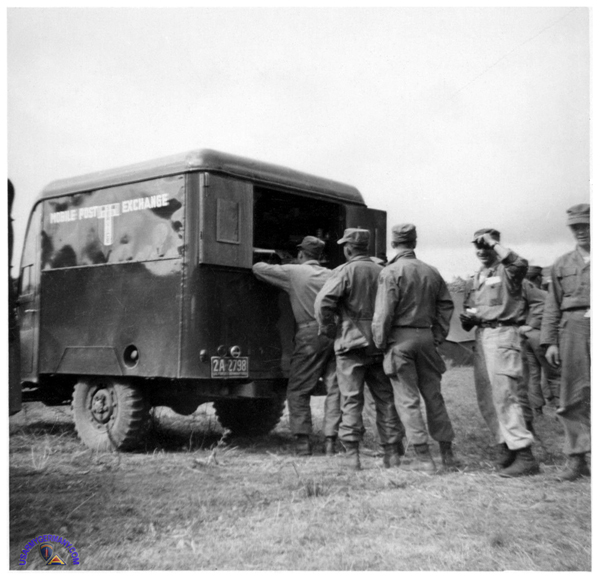 A mobile PX visits an 899th AAA AW Bn bivouac area in the early 1950s |
||||||||||||||||||||||||||||||||||||||||||||||||||||||||||||||||||||
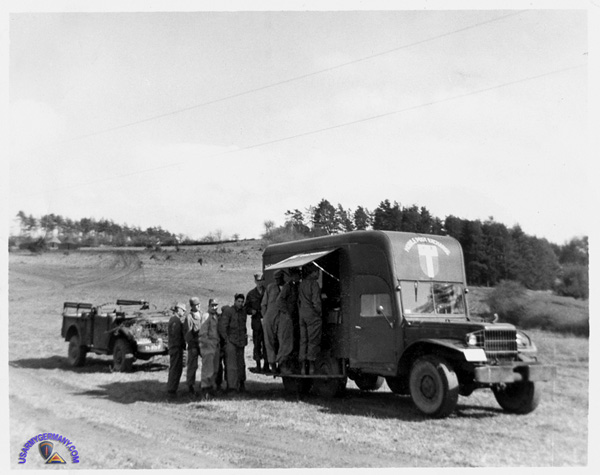 A mobile PX visits troops of the 979th FA Battalion, c. 1953 |
||||||||||||||||||||||||||||||||||||||||||||||||||||||||||||||||||||
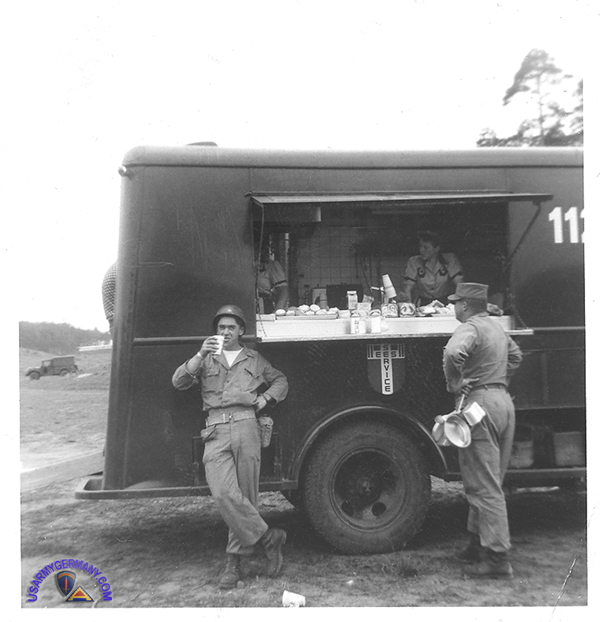 A mobile snack bar in the field, c. 1953 |
||||||||||||||||||||||||||||||||||||||||||||||||||||||||||||||||||||
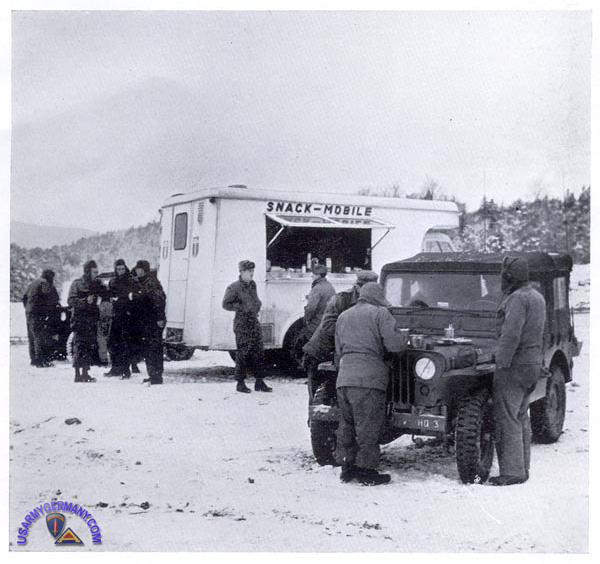 A mobile snack bar in the field with 19th Armor Gp, early 1950s |
||||||||||||||||||||||||||||||||||||||||||||||||||||||||||||||||||||
|
||||||||||||||||||||||||||||||||||||||||||||||||||||||||||||||||||||
| EES Pamphlet - For The EUCOM Motorist | ||||||||||||||||||||||||||||||||||||||||||||||||||||||||||||||||||||
| (Source: For
the EUCOM Motorist, published by the European Exchange Service.) Webmaster Note: Publication was probably published after September 1949 (Auto Union GmbH mentioned in pamphlet was not established in Ingolstadt until 3 September 1949) but before June 1951 when Wetzlar Military Post (still mentioned in the pamphlet) was merged with Frankfurt Military Post. |
||||||||||||||||||||||||||||||||||||||||||||||||||||||||||||||||||||
|
||||||||||||||||||||||||||||||||||||||||||||||||||||||||||||||||||||
|
|
||||||||||||||||||||||||||||||||||||||||||||||||||||||||||||||||||||
| (Source: EES Motorist's Directory, 1951) | ||||||||||||||||||||||||||||||||||||||||||||||||||||||||||||||||||||
|
||||||||||||||||||||||||||||||||||||||||||||||||||||||||||||||||||||
|
||||||||||||||||||||||||||||||||||||||||||||||||||||||||||||||||||||
| Service Stations on Autobahns and Main Feeder Roads | ||||||||||||||||||||||||||||||||||||||||||||||||||||||||||||||||||||
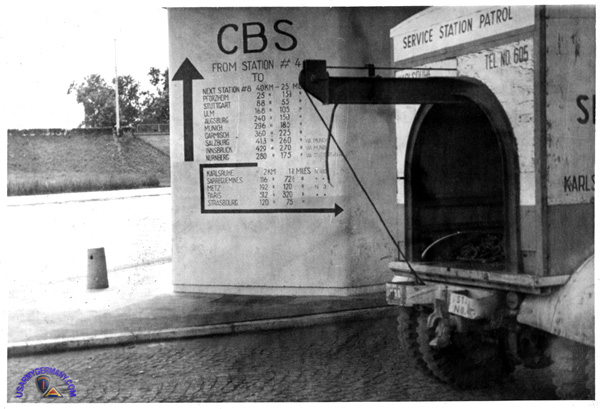 CBS POL Station #4, Karlsruhe Autobahn, 1946 |
||||||||||||||||||||||||||||||||||||||||||||||||||||||||||||||||||||
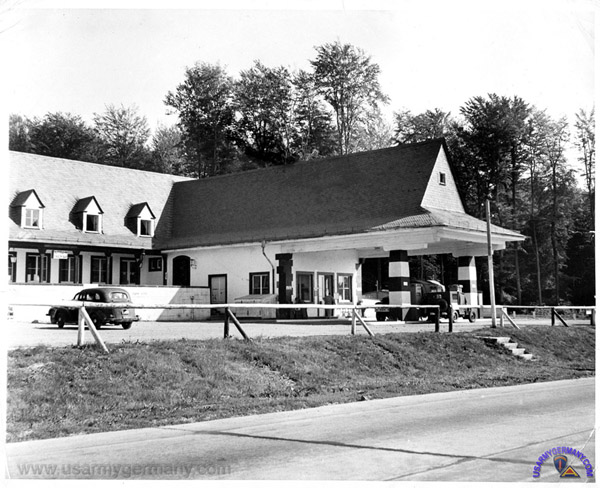 Giessen Autobahn Gas Station, 1947 |
||||||||||||||||||||||||||||||||||||||||||||||||||||||||||||||||||||
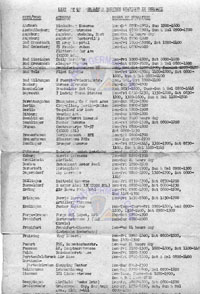
| Ordnance Emergency Service Stations - Germany | ||||||||||||||||||||||||||||||||||||||||||||||||||||||||||||||||||||
| 1947 | ||||||||||||||||||||||||||||||||||||||||||||||||||||||||||||||||||||
| (Source: Prepared by the Office of the Theater Chief of Ordnance, EUCOM) | ||||||||||||||||||||||||||||||||||||||||||||||||||||||||||||||||||||
|
||||||||||||||||||||||||||||||||||||||||||||||||||||||||||||||||||||
|
|
||||||||||||||||||||||||||||||||||||||||||||||||||||||||||||||||||||
| (Source: STUTTGART POST NEWS, Nov 29, 1947) | ||||||||||||||||||||||||||||||||||||||||||||||||||||||||||||||||||||
| EUCOM Hq. has announced that 17 US Ordnance emergency service stations are operating on a 24-hour basis as key points on the autobahn and on main roads throughout EUCOM. All of the emergency stations are equipped to service vehicles with both gas and oil, and to give emergency repair service; POL coupon books are the purchasing medium for gas and oil at all 17 stations. EUCOM officials state that by establishing the chain of stations on a 24-hour basis, it has been possible to eliminate the emergency highway patrol (1), this releasing personnel and equipment for elsewhere. In place of the patrol, all regular traffic personnel, and Constabulary and MP road patrols, have been instructed to stop and aid stalled motorists, and, in necessary cases, to notify the nearest emergency Ordnance station in the area if any motorists needs special assistance. The stations operate independently of regular QM stations, whose hours and types of services continue as in the past. The chain of Ordnance stations 24-hour basis are located as follows:
(1) Webmaster note: NOT to be confused with the 62nd Highway Patrol Company that would be activated soon after this article appeared. |
||||||||||||||||||||||||||||||||||||||||||||||||||||||||||||||||||||
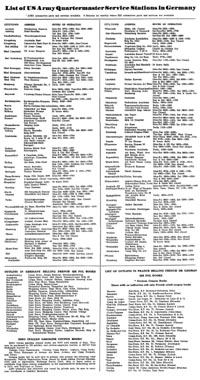
| Quartermaster Service Stations - Germany | ||||||||||||||||||||||||||||||||||||||||||||||||||||||||||||||||||||
| Around 1955 | ||||||||||||||||||||||||||||||||||||||||||||||||||||||||||||||||||||
| (Source: Email from Ammiel Schwartz, 97th Gen Hosp) | ||||||||||||||||||||||||||||||||||||||||||||||||||||||||||||||||||||
|
||||||||||||||||||||||||||||||||||||||||||||||||||||||||||||||||||||
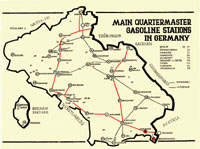
| Late 1950s | ||||||||||||||||||||||||||||||||||||||||||||||||||||||||||||||||||||
| (Source: Letter
from Patrick Biddy) Webmaster Note: Publication was probably published in the late 1950s. |
||||||||||||||||||||||||||||||||||||||||||||||||||||||||||||||||||||
|
||||||||||||||||||||||||||||||||||||||||||||||||||||||||||||||||||||
|
||||||||||||||||||||||||||||||||||||||||||||||||||||||||||||||||||||
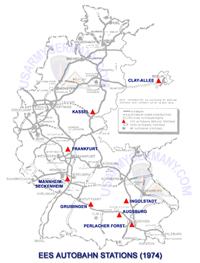
| 1974 | ||||||||||||||||||||||||||||||||||||||||||||||||||||||||||||||||||||
| (Source: STARS & STRIPES, Aug 23, 1974) | ||||||||||||||||||||||||||||||||||||||||||||||||||||||||||||||||||||
|
||||||||||||||||||||||||||||||||||||||||||||||||||||||||||||||||||||
| 1985 | ||||||||||||||||||||||||||||||||||||||||||||||||||||||||||||||||||||
| (Source: STARS & STRIPES, June 24, 1985) | ||||||||||||||||||||||||||||||||||||||||||||||||||||||||||||||||||||
|
||||||||||||||||||||||||||||||||||||||||||||||||||||||||||||||||||||
|
||||||||||||||||||||||||||||||||||||||||||||||||||||||||||||||||||||
|
|
||||||||||||||||||||||||||||||||||||||||||||||||||||||||||||||||||||
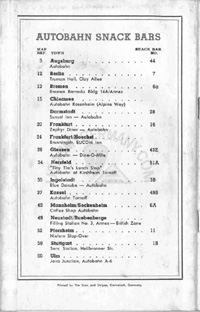
| Autobahn Service Stations/Snack Bars | ||||||||||||||||||||||||||||||||||||||||||||||||||||||||||||||||||||
|
||||||||||||||||||||||||||||||||||||||||||||||||||||||||||||||||||||
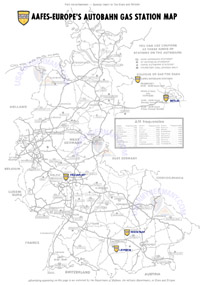
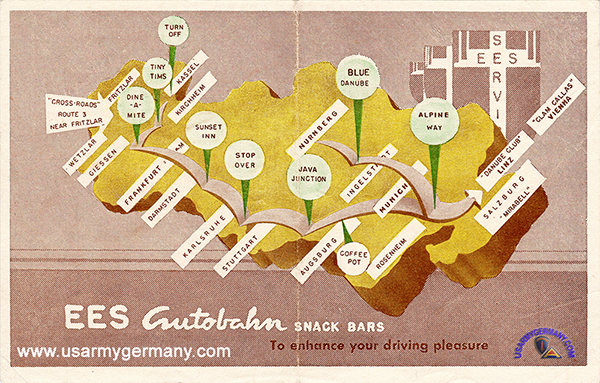 Map locating the EES Autobahn Snack Bars in southern Germany, early 1950s |
||||||||||||||||||||||||||||||||||||||||||||||||||||||||||||||||||||
| (Source: The Albatross, 14 August 1946; EATS command newspaper) | ||||||||||||||||||||||||||||||||||||||||||||||||||||||||||||||||||||
| AUTOBAHN SERVICE ... American Red Cross Doughnut Dug-Outs located at autobahn highways near Darmstadt, Rosenheim, Goeppingen, Pforzheim, Nuernberg and Fritzlar, will be operated by the Army Exchange Service, according to an announcement by Theater Special Services. At present only coffee, doughnuts, and coca-cola will be sold. Plans are being made, however, to provide soda fountains for most of these installations. ARC TO CONTINUE ... American Red Cross clubs will continue in full operation through June, 1947, it has been announced by Red Cross Headquarters in Wiesbaden and the Theater Special Services. Clubs will be operated by ARC under an agreement with Theater Special Services. The Army Exchange System will take over the management of all snack bars maitianed within the clubs. Food distributed within ARC installations will be sold by the AES. There are at present 129 Red Cross clubs,m ranging from huge city installations to small village "doughnut stops," spread throughout the Occupied Territory, in Bremerhaven, Berlin and Vienna. |
||||||||||||||||||||||||||||||||||||||||||||||||||||||||||||||||||||
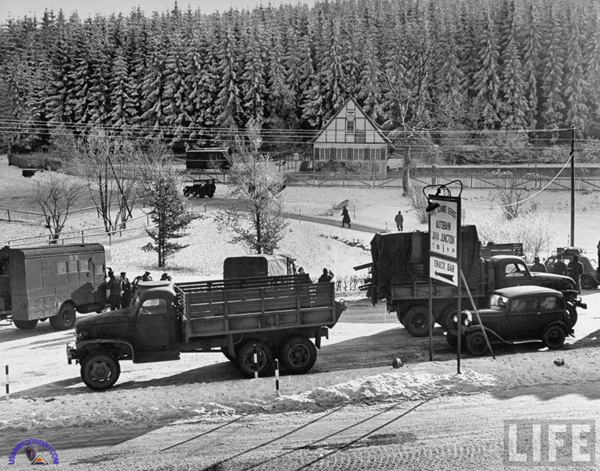 Java Junction Autobahn Snack Bar, 1947 (TIME Inc.) |
||||||||||||||||||||||||||||||||||||||||||||||||||||||||||||||||||||
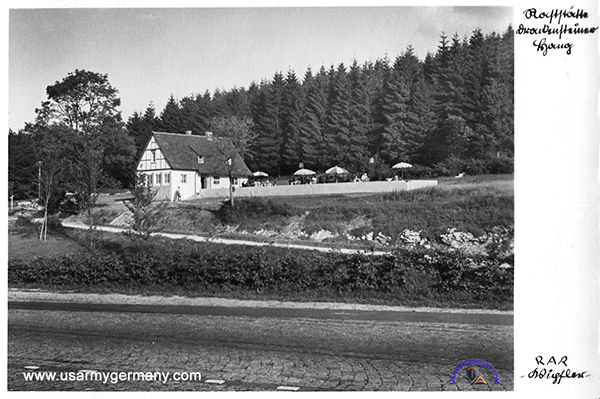 The Drackensteiner Hang Autobahn Restaurant pre-WWII. After the end of the war the building was requisitioned by the US Army, was expanded and would become the Java Junction Snack Bar, one of several Autobahn snack bars operated by the European Exchange System. |
||||||||||||||||||||||||||||||||||||||||||||||||||||||||||||||||||||
| 1951 | ||||||||||||||||||||||||||||||||||||||||||||||||||||||||||||||||||||
| (Source: EES Motorist's Directory, 1951) | ||||||||||||||||||||||||||||||||||||||||||||||||||||||||||||||||||||
|
||||||||||||||||||||||||||||||||||||||||||||||||||||||||||||||||||||
|
||||||||||||||||||||||||||||||||||||||||||||||||||||||||||||||||||||
|
||||||||||||||||||||||||||||||||||||||||||||||||||||||||||||||||||||
| Alpine Way Snack Bar (Chiemsee) | ||||||||||||||||||||||||||||||||||||||||||||||||||||||||||||||||||||
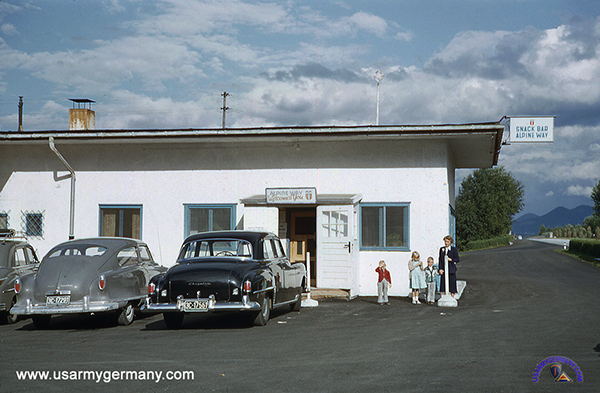 Believe this to show the snack bar on the Autobahn Salzburg, 1953 (Webmaster's collection) (Can anyone confirm this and/or provide details?) |
||||||||||||||||||||||||||||||||||||||||||||||||||||||||||||||||||||
| Augsburg Autobahn Service Station | ||||||||||||||||||||||||||||||||||||||||||||||||||||||||||||||||||||
 Location of the former EES autobahn service station near Augsburg |
||||||||||||||||||||||||||||||||||||||||||||||||||||||||||||||||||||
 Believe this to show the autobahn service station near Augsburg, 1953 (Webmaster's collection) (Can anyone provide details or additional photo?) |
||||||||||||||||||||||||||||||||||||||||||||||||||||||||||||||||||||
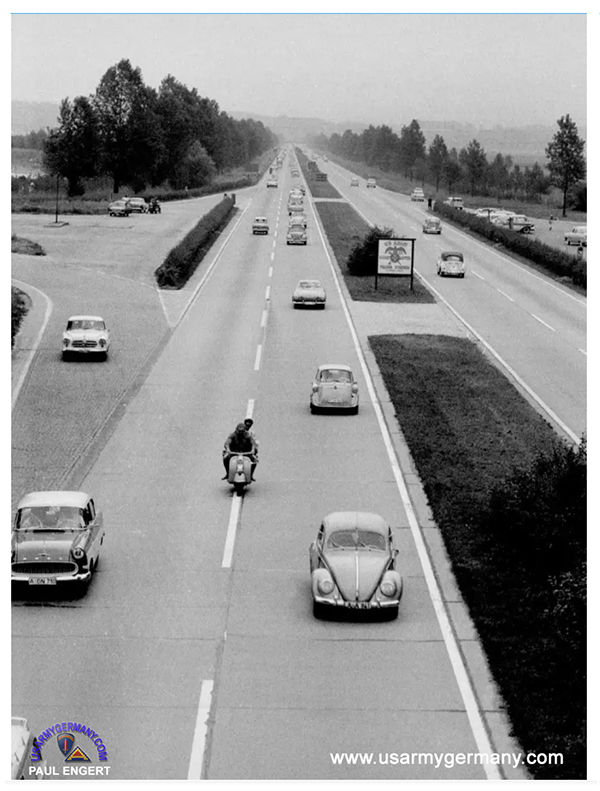 1960 photo of the A8 autobahn near the US Forces autobahn service station located on the left, behind the photographer (Photo: Paul Engert) |
||||||||||||||||||||||||||||||||||||||||||||||||||||||||||||||||||||
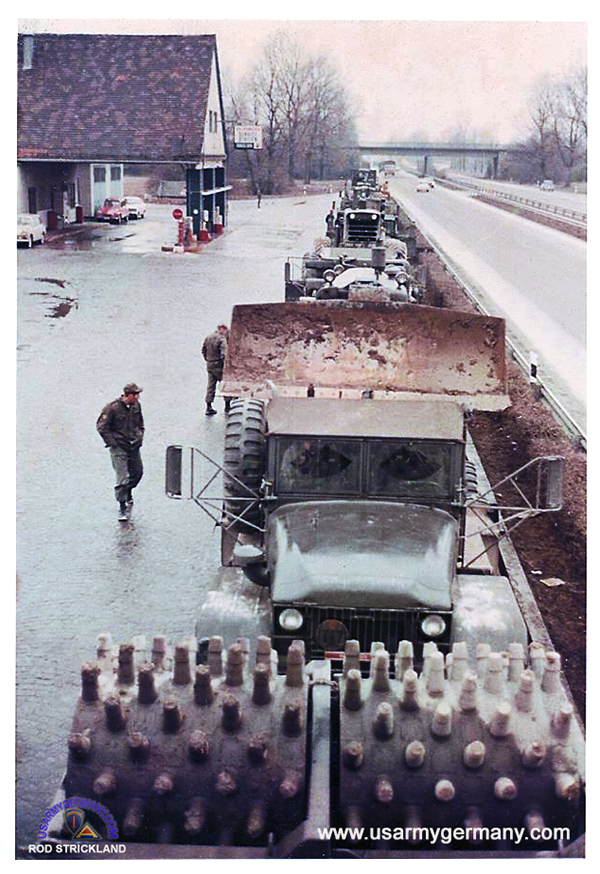 Construction vehicles of the 79th Engineer Bn out of Neu Ulm make a rest stop at the Augsburg autobahn station in the late 1960s (Rod Strickland) |
||||||||||||||||||||||||||||||||||||||||||||||||||||||||||||||||||||
| Blue Danube Snack Bar (Ingolstadt) | ||||||||||||||||||||||||||||||||||||||||||||||||||||||||||||||||||||
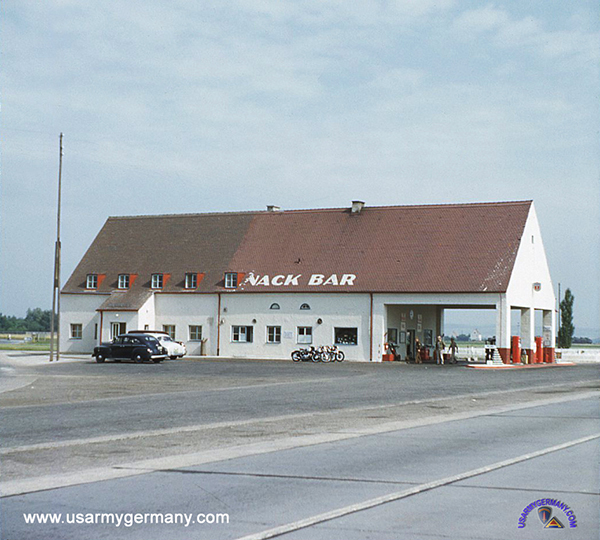 The EES Service Station at the Autobahn exit near Ingolstadt, 1950s (Webmaster's collection) |
||||||||||||||||||||||||||||||||||||||||||||||||||||||||||||||||||||
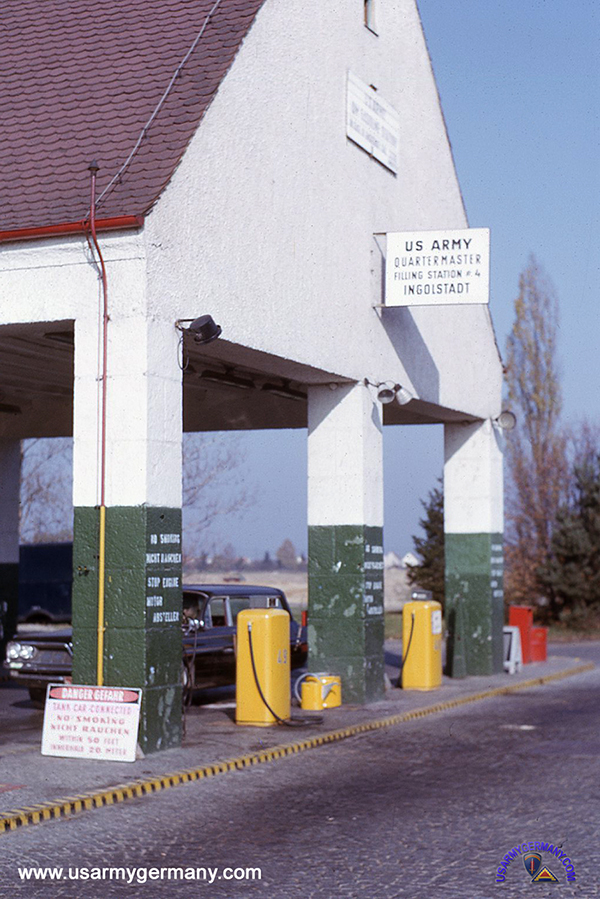 The QM Filling Station at the Autobahn exit near Ingolstadt (Webmaster's collection) |
||||||||||||||||||||||||||||||||||||||||||||||||||||||||||||||||||||
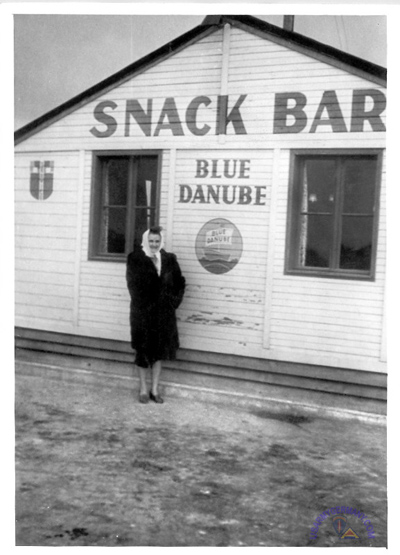 Army wife stands in front of the Blue Danube Snack Bar, 1948 |
||||||||||||||||||||||||||||||||||||||||||||||||||||||||||||||||||||
| Java Junction | ||||||||||||||||||||||||||||||||||||||||||||||||||||||||||||||||||||
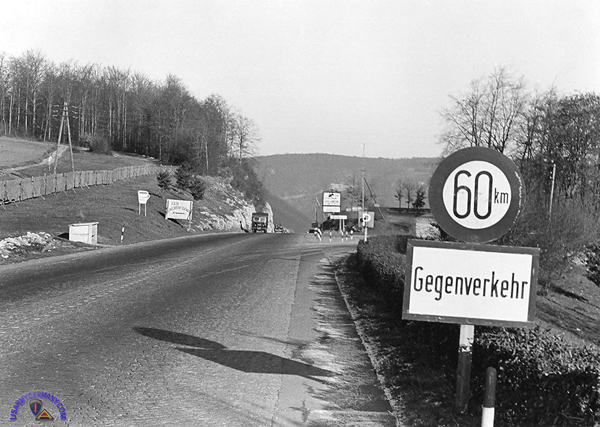 Signs on the road for Java Junction Snack Bar, 1950 |
||||||||||||||||||||||||||||||||||||||||||||||||||||||||||||||||||||
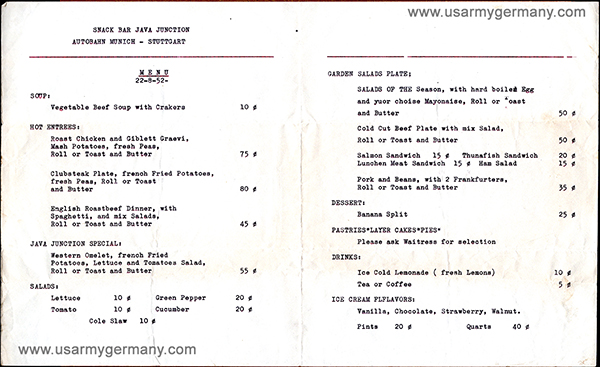 1952 menu |
||||||||||||||||||||||||||||||||||||||||||||||||||||||||||||||||||||
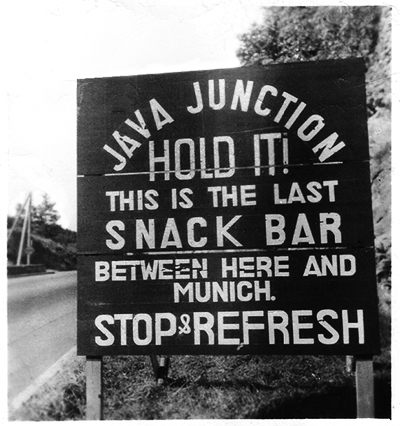 Sign on the road for Java Junction Snack Bar, around 1947 |
||||||||||||||||||||||||||||||||||||||||||||||||||||||||||||||||||||
| (Source: Story told by Dorit Gelnovatch, nee: Ortmann; wife of Walt Gelnovatch, 102nd Sig Bn) | ||||||||||||||||||||||||||||||||||||||||||||||||||||||||||||||||||||
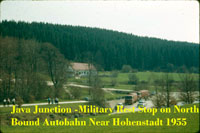
In the 1950’s Java Junction was a rest stop on the A8 autobahn near Hohenstadt for American service members and their families. I worked there for a number of years, courtesy of my father who at that time was the district EES supervisor working out of the Cooke Barracks, Goeppingen, my home town. |
||||||||||||||||||||||||||||||||||||||||||||||||||||||||||||||||||||
|
||||||||||||||||||||||||||||||||||||||||||||||||||||||||||||||||||||
| As I mentioned we all rented rooms from farmers. My particular flat was heated by a coal stove (each room) requiring my daily indulgence to stay reasonably warm. It was typical for my windows to be coated with solid ice on the inside in the winter time. On many mornings I dressed under the feather comforter before getting up. My landlord and his family were all self sufficient (as were the other farmers in Ober Drackenstein) and baked their own bread, slaughtered their own livestock and grew their own vegetables and hay. He also has a license to make schnapps. At harvest time when the farmers were under pressure to get the harvest in we all chipped in to help them bring in the harvest during our off days. At Java Junction we typically worked 10 hour shifts, 6 days a week. On one tragic occasion a farm family in town had two members killed by lightning because they continued to work in the fields during a thunder storm. Inspections were performed periodically and often, usually by German civilians working for the EES with white gloves. Many cameras were left behind by visitors, many of them Leicas. The approved procedure was to lock them in the safe for a year and then pass them up the supervisory chain for further action. I always wondered where they ended up but maybe deep down I knew. One of the more unnerving times to be working at Java Junction was when they were blasting rock at the quarry which was about one half a kilometer behind the site along the dirt road to Ober Drackenstein. The blasts shook the whole building and rattled the nerves of the military customers. I heard rumors that the crazy dynamiters at the quarry blew up my favorite cat. The US Army Highway Patrol were frequent visitors and drank coffee and ate donuts and generally terrorized the soldiers on the road. Convoy’s were particularly hectic in that they usually arrived by surprise and overfilled the rest stop. We soon figured out that most of the soldiers ordered hamburgers so we just fired up the grill and filled it with patties. We had a number of celebrities stop at Java Junction. One in particular was Louis Armstrong who was entertaining the troops. During his visit his host put a guard at the only bathroom and wouldn’t let anyone else in. I still haven’t figured that one out. We had a very good relationship with the soldiers at Hohenstadt Radio Station (102d Signal Bn). Aside from getting rides to work many of the girls had boyfriends there. The soldiers at the station received four Broadway quality movies a week and showed them at night. They would typically come down to Ober Drackenstein and pick up all off duty girls to watch the movies who wished to attend. I met my future husband Walt there. We of course returned the favor by being the so called gatekeepers for the radio station and notified them when a surprise inspection visit was on it’s way. The way this courtesy worked was as follows. When asked by the soldiers at the station we would watch for members of the prospective inspection team to show up at Java Junction and then call up to the station and inform them that trouble was on the way. This was fairly easy because of the easily identifiable battalion crests or the stenciled 102 on the vehicle bumpers. They even on occasion asked for directions to the station making it real easy to identify them. The inspectors were usually tired, needed a coffee and a bio break so they were guaranteed to stop at Java Junction. Additionally the quarry road behind Java Junction was an unauthorized exit off the autobahn which cut many kilometers from the trip. Some of the few names I can remember was a friend Erika Dannler who married a soldier. I last saw her in the 1960s in Queens, NY. Another was one of the farm girls, Maja. Yet another was named Oswita and finally there was Fräulein Kemm who was older than most of us. After we married, Walt and I came back to the US and I continued working and supporting him till he completed graduate school. We then raised a family and finally retired. During my work career I founded a sports conferencing business which I closed down in 2003. My father retired from the EES in the 1960s and died shortly thereafter. Walt and I visited Hohenstadt Radio Station and Java Junction in Oct. 2004. A short narration of our visit is given elsewhere on this site (102d Signal Bn/Hohenstadt). The Java Junction building is completely and physically gone. My husband has told me that Java Junction was used as a housing for soldiers working at the Hohenstadt Radio Station site after his unit his unit (102d Signal Bn,) left in 1967. I did manage to find and speak to some folks from Ober Drackenstein who remembered me. It’s been over half a century since those days but they are still a pleasant memory. |
||||||||||||||||||||||||||||||||||||||||||||||||||||||||||||||||||||
|
||||||||||||||||||||||||||||||||||||||||||||||||||||||||||||||||||||
| (1) (Source: Email from Walt Gelnovatch) I am sending you two photos of Java Junction. One photo is from 1955 when it was an EES rest stop on the autobahn for GIs (also it was about 2 miles from my station at Hohenstadt) and the second photo is from 1966 when it was a barracks for the 68th Signal Bn. who then administered Hohenstadt. At that point in time the 102d Signal Bn. decommissioned the USAREUR Radio Telephone network for a new system and left Hohenstadt. When we (102d) occupied the site we actually lived at the site. The 68th Sig. Bn. had many more folks (we had 7) to man the function (6 per shift) at the site and therefore had to live elsewhere. By that time the EES had abandoned the site (Java Junction) and it was up for grabs so it was chosen as the site for the 68th Sig. Bn. barracks. Interesting factoid, from 1956 to 1959 my wife ran the PX at Java Junction, courtesy of her father who was the district supervisor for EES. Her maiden name was Dorit Ortmann and her dad was Erwin Ortmann. Walt Gelnovatch Hohenstadt Radio Station, 102nd Sig Bn |
||||||||||||||||||||||||||||||||||||||||||||||||||||||||||||||||||||
| Giessen Autobahn Service Station | ||||||||||||||||||||||||||||||||||||||||||||||||||||||||||||||||||||
 View of the Dine-A-Mite Snack Bar and Autobahn Service Station and from a passing vehicle |
||||||||||||||||||||||||||||||||||||||||||||||||||||||||||||||||||||
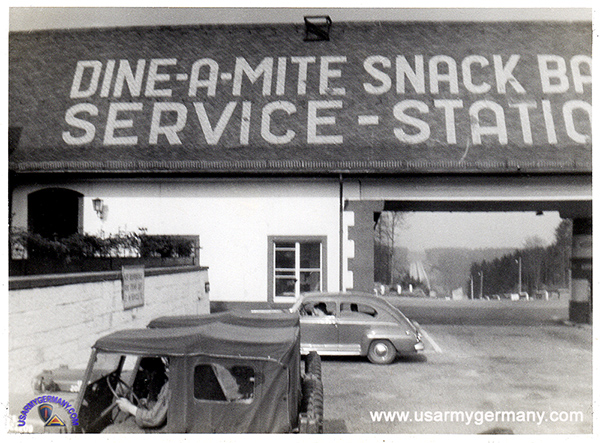 Parking for the Autobahn Snack Bar near Giessen, 1952 (Webmaster's collection) |
||||||||||||||||||||||||||||||||||||||||||||||||||||||||||||||||||||
| (Source: STARS & STRIPES, Oct 12, 1952) | ||||||||||||||||||||||||||||||||||||||||||||||||||||||||||||||||||||
| The Dine-a-Mite gas station and snack bar located on the autobahn near Giessen closed permanently on Oct 15, 1952.
Motorists traveling on the Frankfurt-Kassel autobahn were still able to obtain gas at the EES autobahn station near Frankfurt (Zephyr Diner) or at the station near Kirchheim (Tiny Tim's). These two refueling points were 40 miles apart |
||||||||||||||||||||||||||||||||||||||||||||||||||||||||||||||||||||
| Kassel Autobahn Service Station | ||||||||||||||||||||||||||||||||||||||||||||||||||||||||||||||||||||
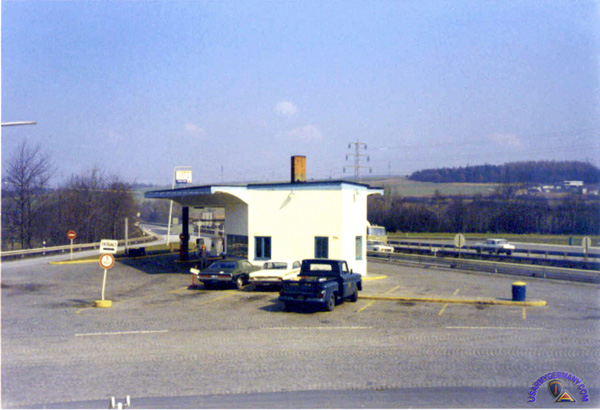 Kassel Service Station, early 1970s (Joe Coughlin) |
||||||||||||||||||||||||||||||||||||||||||||||||||||||||||||||||||||
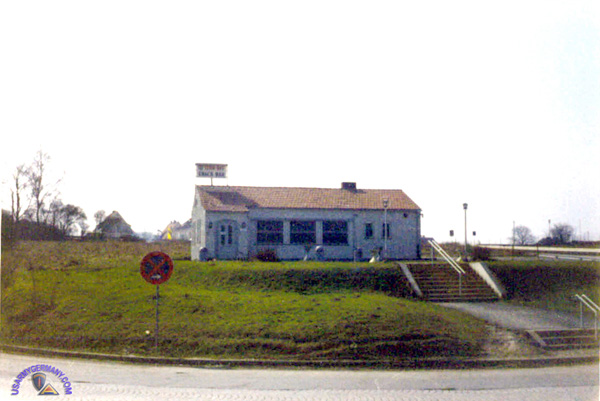 Kassel Autobahn Snack Bar, early 1970s (Joe Coughlin) |
||||||||||||||||||||||||||||||||||||||||||||||||||||||||||||||||||||
| (Source: Email from Joseph Coughlin, 322nd Civil Engineering Squadron, Rhein Main AB, early 1970s) | ||||||||||||||||||||||||||||||||||||||||||||||||||||||||||||||||||||
| I was team leader for emergency diesel generator maintenance out of the 322nd CES at Rhein Main AB. We use to stop at the Kassel snack bar, for gas, etc., on our way to a USAF site by Neuenwalde called Hohes Moor. We also used to stop at the Bremerhaven AAFES for gas. Time frame was 1970-1975. My team also serviced Comm sites at Kalteneggolsfeld, Grafenwoehr, Brandhof, Giebelstadt and Schwanberg. These sites were microwave or TACAN sites and are probably all closed, now. |
||||||||||||||||||||||||||||||||||||||||||||||||||||||||||||||||||||
| 1972 | ||||||||||||||||||||||||||||||||||||||||||||||||||||||||||||||||||||
| (Source: STARS & STRIPES, May 27, 1972) | ||||||||||||||||||||||||||||||||||||||||||||||||||||||||||||||||||||
| A brief announcement in the S&S reported that there was a Holiday Inn located adjacent to the EES gas station near the autobahn east exit at Kassel. They were offering reduced rates for US Forces travelers. Anybody have photos or information? |
||||||||||||||||||||||||||||||||||||||||||||||||||||||||||||||||||||
| (Source: STARS & STRIPES, August 29, 1972) | ||||||||||||||||||||||||||||||||||||||||||||||||||||||||||||||||||||
| In a letter to the editor of S&S, a T/Sgt out of Ramstein AB wrote a commentary on the pending closure (on or around Sept 1, 1972) of the EES Snack Bar on the Kassel autobahn. A spokesperson of EES Headquarters in Munich responded that the closing was necessitated by the closure of the snack bar at Rothwesten earlier in 1972 (Webmaster note: probably coinciding with the closure of the Field Station at Rothwesten) which had supported the autobahn snack bar. The autobahn snack bar was not equipped with food preparation equipment and food had to be transported some 50 miles from the nearest EES food facility (Bad Hersfeld). In addition, there were plans in place (in 1972) to relocate the EES Kassel service station some 10 miles south of its current location due to the planned construction of a cloverleaf by the German government. The spokesperson also commented on sales statistics indicating that patronage of the snack bar had descreased in the recent past as a result of a gradual phase-down of the Bremerhaven post over the past several years. |
||||||||||||||||||||||||||||||||||||||||||||||||||||||||||||||||||||
| 1977 | ||||||||||||||||||||||||||||||||||||||||||||||||||||||||||||||||||||
| (Source: STARS & STRIPES, May 11, 1977) | ||||||||||||||||||||||||||||||||||||||||||||||||||||||||||||||||||||
| AAFES-Europe announced that the Kassel Autobahn Filling Station, closed due to extensive damage caused by a traffic accident in December 1976, would not reopen. The director of the Services Division at AAFES-Eur (responsible for the operation of filling stations) reported that the costs to repair the facility did not warrant the reopeneing of the station. In addition, the AAFES station had seen minimal patronage in the recent past and there were 24-hour stations on both sides of the autobahn just south of the station that accepted AAFES coupons. |
||||||||||||||||||||||||||||||||||||||||||||||||||||||||||||||||||||
| Kirchheim Autobahn Service Station (Bad Hersfeld) | ||||||||||||||||||||||||||||||||||||||||||||||||||||||||||||||||||||
| (Source: STARS & STRIPES, March 17, 1961) | ||||||||||||||||||||||||||||||||||||||||||||||||||||||||||||||||||||
| The Kirchheim QM Service Station, located on the Frankfurt-Kassel autobahn near the Bad Hersfeld turnoff, will close on April 15 1961. The Frankfurt and Kassel QM autobahn service stations will continue to operate 24 hours daily. |
||||||||||||||||||||||||||||||||||||||||||||||||||||||||||||||||||||
| Leipheim AAFES Service Station | ||||||||||||||||||||||||||||||||||||||||||||||||||||||||||||||||||||
| (Source: STARS & STRIPES, Jan 21 & March 28, 1978) | ||||||||||||||||||||||||||||||||||||||||||||||||||||||||||||||||||||
| The Leipheim Service Station opened on Feb 1, 1978 on the Stuttgart-Munich autobahn near the Leipheim exit. The new AAFES station was built by the German government at a cost of $1.2 million as a replacement for two other autobahn stations that will be closed by the US military. The two older stations are the Augsburg and Gruibingen service stations. The Augsburg autobahn service station will close on Jan 24 and returned to the Germans; the Gruibingen station will close on Feb 15. |
||||||||||||||||||||||||||||||||||||||||||||||||||||||||||||||||||||
| Seckenheim Service Station | ||||||||||||||||||||||||||||||||||||||||||||||||||||||||||||||||||||
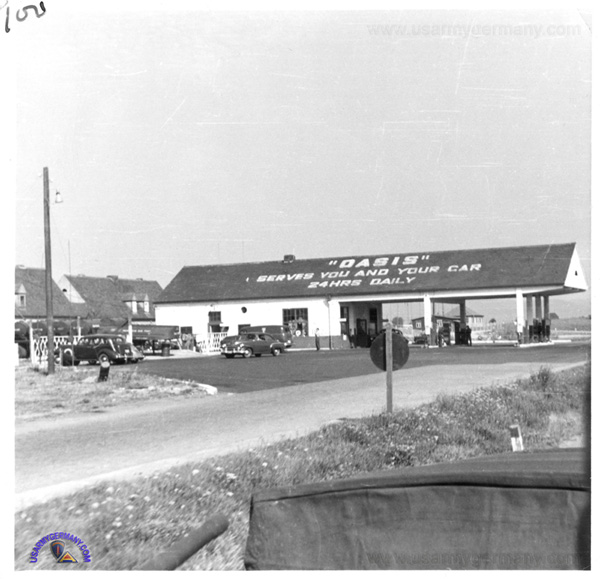 "Oasis" Service Station on the A656 at Seckenheim, circa 1951 (Walter Elkins) |
||||||||||||||||||||||||||||||||||||||||||||||||||||||||||||||||||||
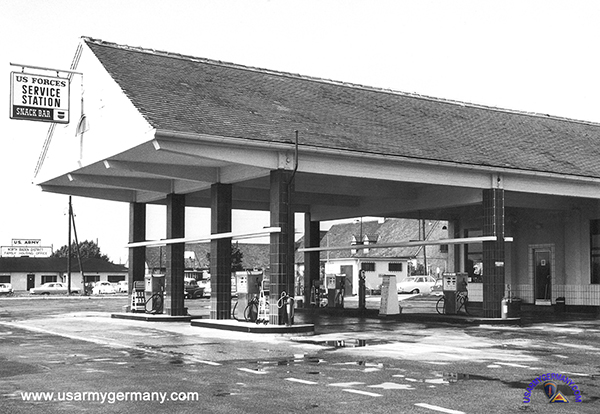 Seckenheim Service Station, circa 1965 (Exchange Associate) |
||||||||||||||||||||||||||||||||||||||||||||||||||||||||||||||||||||
| Stop Over Snack Bar (Pforzheim) | ||||||||||||||||||||||||||||||||||||||||||||||||||||||||||||||||||||
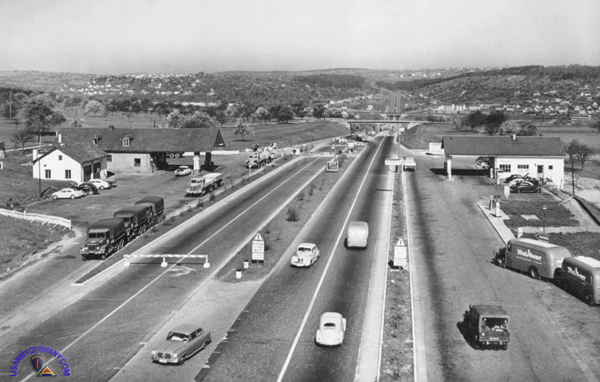 Pforzheim Autobahn QM Service Station, 1950s (left) (Tom Carver, 12th RRS) |
||||||||||||||||||||||||||||||||||||||||||||||||||||||||||||||||||||
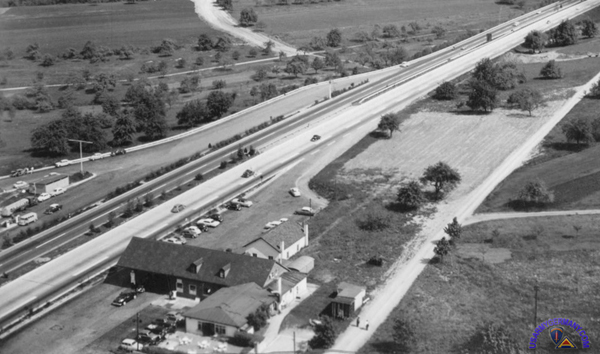 Pforzheim Autobahn EES Service Station, 1963 (Walter Elkins) |
||||||||||||||||||||||||||||||||||||||||||||||||||||||||||||||||||||
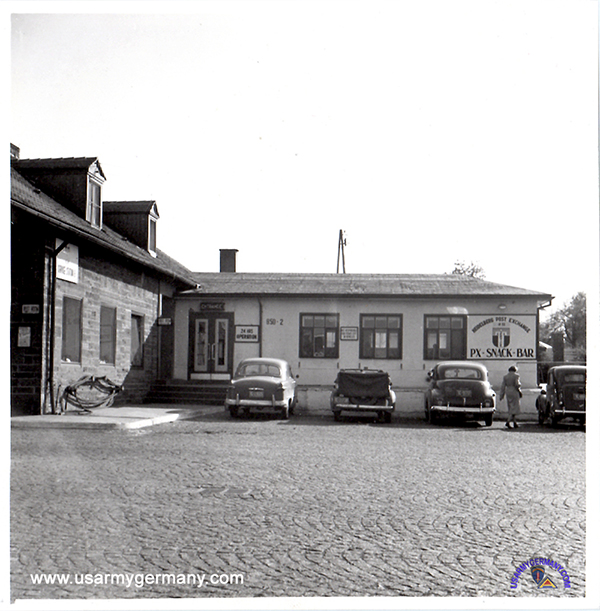 Pforzheim Autobahn Snack Bar, 1951 (Walter Elkins) |
||||||||||||||||||||||||||||||||||||||||||||||||||||||||||||||||||||
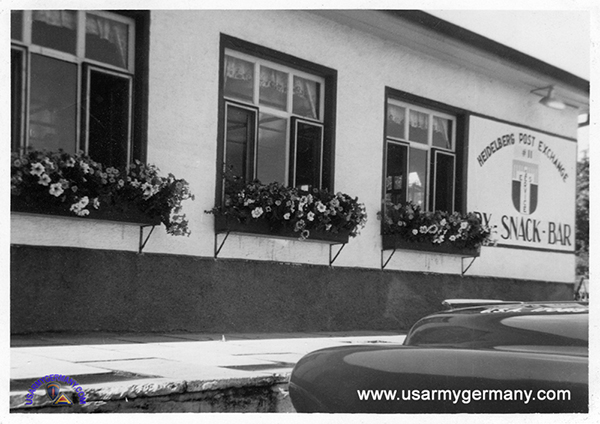 Pforzheim Autobahn Snack Bar, 1950 (Walter Elkins) |
||||||||||||||||||||||||||||||||||||||||||||||||||||||||||||||||||||
| (Source: STARS & STRIPES, Feb 16, 1949) | ||||||||||||||||||||||||||||||||||||||||||||||||||||||||||||||||||||
| A letter to the editor of the S&S expresssed the writer's appreciation for Corporal William who managed the Stop Over Snack Bar in Pforzheim in 1949. The satisfied customer continued with the statement that "this establishment is immacualte, the service is excellent, and there is a wider and better choice of food there than in many clubs and hotels throughout the zone." | ||||||||||||||||||||||||||||||||||||||||||||||||||||||||||||||||||||
| Sunset Inn Snack Bar (Darmstadt) | ||||||||||||||||||||||||||||||||||||||||||||||||||||||||||||||||||||
 (Source: STARS & STRIPES, 1947) |
||||||||||||||||||||||||||||||||||||||||||||||||||||||||||||||||||||
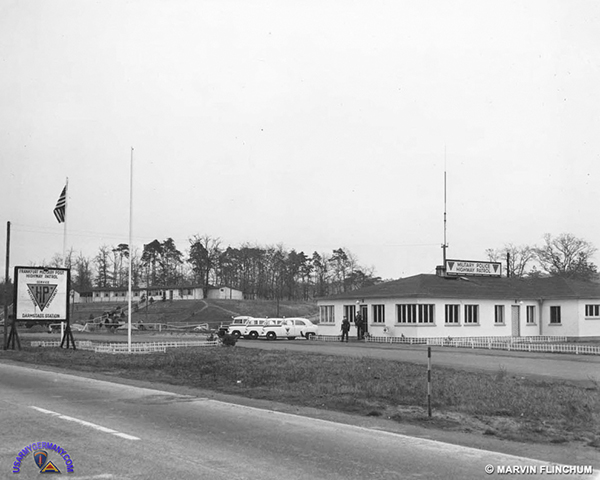 The 62nd Highway Patrol Station on the Autobahn near Darmstadt with the Sunset Inn Snack Bar in the background (Marvin Flinchum, Det A, 62nd MP Co) |
||||||||||||||||||||||||||||||||||||||||||||||||||||||||||||||||||||
| 1949 | ||||||||||||||||||||||||||||||||||||||||||||||||||||||||||||||||||||
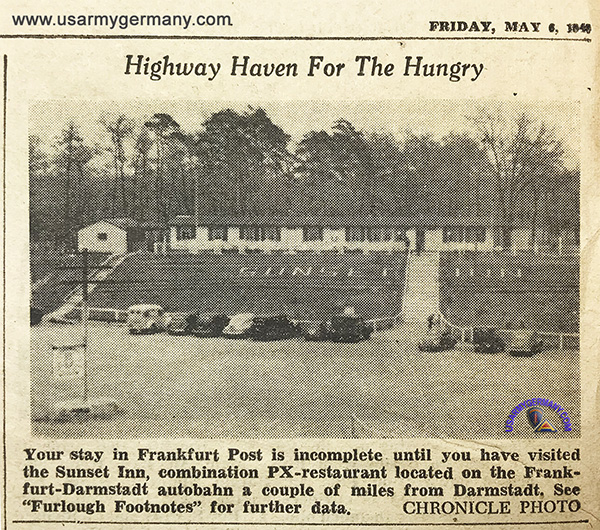 The Sunset Inn, 1949 (THE OCCUPATION CHRONICLE) (Can anyone provide information on the exact location?) |
||||||||||||||||||||||||||||||||||||||||||||||||||||||||||||||||||||
| (Source: THE OCCUPATION CHRONICLE, May 6, 1949) | ||||||||||||||||||||||||||||||||||||||||||||||||||||||||||||||||||||
| Unprepossessing externally, the Sunset Inn is, on the inside, something to write home about. Soft lights, comfortable furnishings and music combined with what is probably the best service in Frankfurt Military Post make the Inn a good restaurant, not a snackbar; a place where you ought to count on spending an hour or two over any one of a variety of dishes, all good. Open from 9:00 a.m. to 11:00 p.m. daily, the Sunset Inn has outdoor service in warm weather. It is located on the Frankfurt-Darmstadt autobahn, just outside of Darmstadt. |
||||||||||||||||||||||||||||||||||||||||||||||||||||||||||||||||||||
| 1952 | ||||||||||||||||||||||||||||||||||||||||||||||||||||||||||||||||||||
| (Source: STARS & STRIPES, November 15, 1952) | ||||||||||||||||||||||||||||||||||||||||||||||||||||||||||||||||||||
|
||||||||||||||||||||||||||||||||||||||||||||||||||||||||||||||||||||
| Soon, ARC built a more permanent structure (wooden) a few hundred yards south of the turnoff, on a small hill that was set back at a safe distance form the autobahn. A big parking lot was established between the hill and the autobahn. Partitions, counters, chairs and tables were set up and German ladies were hired as waitresses. (These first two waitresses were still employed at the snack bar when it was finally shut down.) In June 1946, the Army Exchange System (later to become the EES) took over and improved the facility and services - they put in soda fountains, stoves, and freezers, and added sandwiches and pastries to the menu. In 1948, they were serving hot dinners and chili, hamburgers and malted milks, as well as selling magazines to the soldiers and dependents who stopped at the snack bar on their way to somewhere. In the 1947-48 period, the snack bar was serving an average 8,000 cups of coffee, 700 bowls of chili, 3,000 hot plates, 5,000 hamburgers every month (not counting the pies, ice cream and other pastries). A PX branch was added and a STARS & STRIPES newstand. |
||||||||||||||||||||||||||||||||||||||||||||||||||||||||||||||||||||
| Tiny Tim's Snack Bar (Bad Hersfeld) | ||||||||||||||||||||||||||||||||||||||||||||||||||||||||||||||||||||
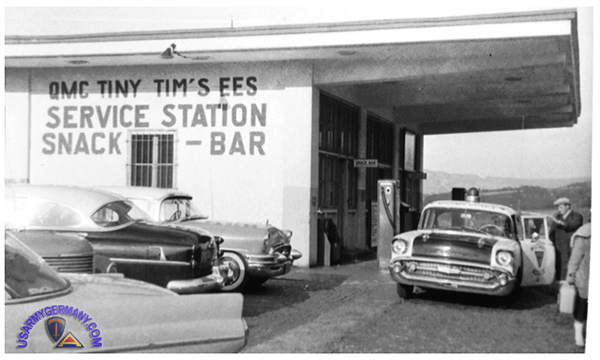 The EES Service Station & Snack Bar on the Autobahn near Bad Hersfeld, 1957 (Glynn Mathis) |
||||||||||||||||||||||||||||||||||||||||||||||||||||||||||||||||||||
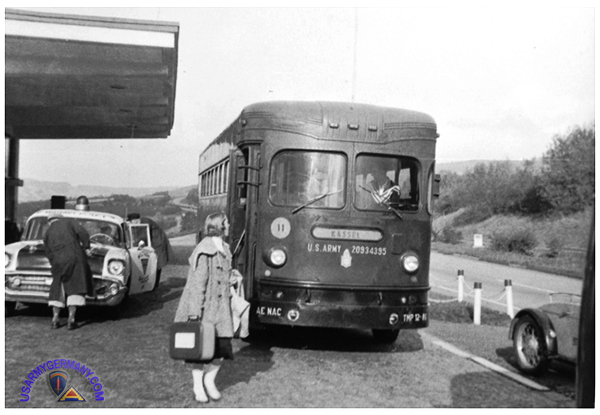 A student carries her bag to the connecting bus to Fulda or Giessen (Glynn Mathis) |
||||||||||||||||||||||||||||||||||||||||||||||||||||||||||||||||||||
| 1957 | ||||||||||||||||||||||||||||||||||||||||||||||||||||||||||||||||||||
| (Source: Email from Joseph Truett Mathis; photos by Glynn L. Mathis) | ||||||||||||||||||||||||||||||||||||||||||||||||||||||||||||||||||||
| I came across your website on US Army service stations in Europe in the 1950’s, and it sure brought back memories. My brother, Glynn L. Mathis (he was the shutterbug), had recently sent me some pictures of our lives when we were teenagers, living in Germany in 1957. Our Dad was a Protestant Chaplain, stationed in Kassel. We arrived there in June of 1957. Attached are two photos that Glynn took at the station. Inside the station was an order window. I can still hear the woman inside turning around and shouting “ein hamburg und ein order French”. You have to look closely at the front of the bus to read “Kassel” in the destination window. The girl carrying her bag is obviously returning home for the weekend, because she has her bag, and is walking in front of the bus and the bus is bound for Kassel, so it must be Friday. The cars in the photos definitely date the pictures. They were made in either September or October of 1957, because by November, our family, after only 4 and one-half months, left Germany, to return to the States. I remember that there was a radio receiving room in this hotel. They had lots of antennas up on top of the building. They received broadcasts from AFN stations around Germany, and then rebroadcast them into the area surrounding Kassel. Sometimes the broadcasts originated in Berlin, and then other locations. I don't think AFN originated any broadcasts from Kassel. My Dad drove our 1954 Chevrolet 4-door Belaire (white over turquoise) to work every day from our quarters to a post called Waldau. I was told that Waldau had been a Messerschmitt factory. I really don't know. I studied up on the German driving rules and passed the driving test. Later, one evening, I stayed out too late at night, with the car. I was visiting a German friend. My Dad sent out the MP's to find me. They did. Dad took my drivers license. OK, enough of that. We all have stories about life back then. That was 1957. A world not seen or experienced by our state-side friends and relatives. So many things, and hard to relate to anyone here. And long ago now. Like they say: "you had to be there". My Dad was RIF’ed (Reduction in Forces) and so we were sent back to the US, where Dad was let out of the Service. His rank when the RIF got him was Major. Later, in his reserve commission, he attained Colonel. |
||||||||||||||||||||||||||||||||||||||||||||||||||||||||||||||||||||
| Zephyr Diner (Frankfurt) | ||||||||||||||||||||||||||||||||||||||||||||||||||||||||||||||||||||
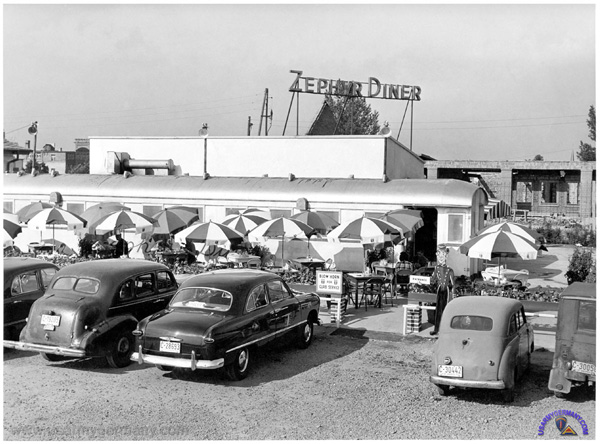 A busy Zephyr Diner in 1950 (Heinrich Fischer, EES manager) |
||||||||||||||||||||||||||||||||||||||||||||||||||||||||||||||||||||
| Click here to see more great photos of the Zephyr Diner in 1950, submitted by Frank Fischer, Heinrich Fischer's son. | ||||||||||||||||||||||||||||||||||||||||||||||||||||||||||||||||||||
| 1950 | ||||||||||||||||||||||||||||||||||||||||||||||||||||||||||||||||||||
| (Source: STARS & STRIPES, February 21, 1950) | ||||||||||||||||||||||||||||||||||||||||||||||||||||||||||||||||||||
| EES has added a roadside diner in Frankfurt. The diner is a converted railway car and is located next to the autobahn gas station at the Frankfurt turnoff. |
||||||||||||||||||||||||||||||||||||||||||||||||||||||||||||||||||||
| Looking for more stories . . . Zephyr Diner, the Blue Danube, the Sunset Inn ... and all the other EES rest stops along the German autobahns. | ||||||||||||||||||||||||||||||||||||||||||||||||||||||||||||||||||||
|
||||||||||||||||||||||||||||||||||||||||||||||||||||||||||||||||||||
|
|
||||||||||||||||||||||||||||||||||||||||||||||||||||||||||||||||||||
| AAFES European Distribution Group | ||||||||||||||||||||||||||||||||||||||||||||||||||||||||||||||||||||
| (Source: Giessen Courier (Giessen MILCOM newspaper), July 10, 1985) | ||||||||||||||||||||||||||||||||||||||||||||||||||||||||||||||||||||
| 25 years --
It was cake Employees of AAFES European Distribution Group crown in to get a piece of the giant birthday cake baked in celebration of the agencys 25th year at the Giessen Depot. In 1960, the first AAFES (then called European Exchange System -- EES) personnel arrived at the Depot: 62 employees to staff three of the rooms in Building 4 and one warehouse. Its inventory the first year was worth $730,000. Twenty-five years later, AAFES has some 1,200 employees at the Depot, uses 22 warehouses on 88 acres and maintains an inventory of $75 million. According to AAFES personnel, the Giessen operation -- the primary supplier for Europe -- keeps the shelves full in more than 1,600 PXs and BXs from Great Britain to Saudi Arabia and from Norway to Morocco. |
||||||||||||||||||||||||||||||||||||||||||||||||||||||||||||||||||||
|
||||||||||||||||||||||||||||||||||||||||||||||||||||||||||||||||||||
|
|
||||||||||||||||||||||||||||||||||||||||||||||||||||||||||||||||||||
| Related
Links |
||||||||||||||||||||||||||||||||||||||||||||||||||||||||||||||||||||
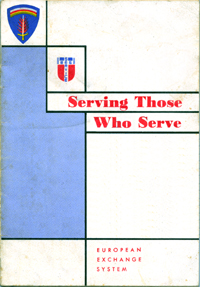
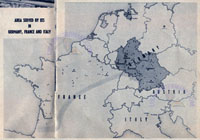


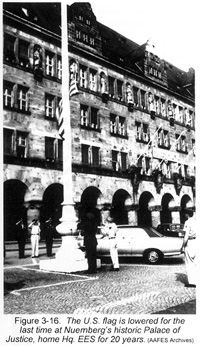
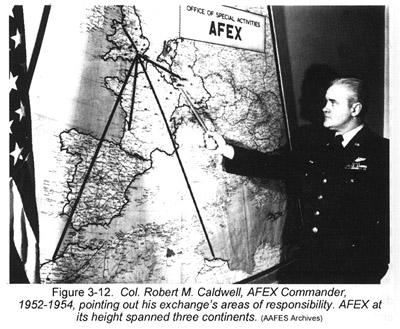
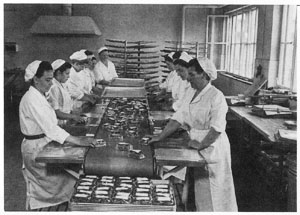
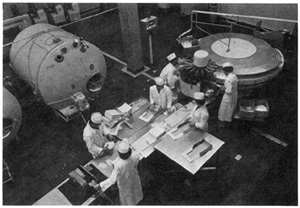
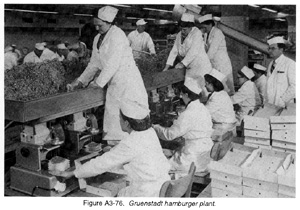
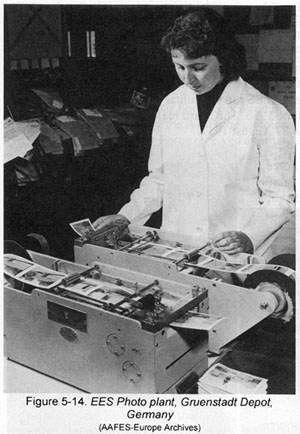
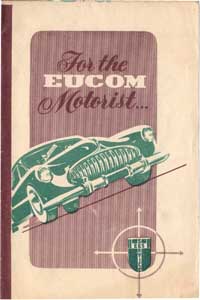
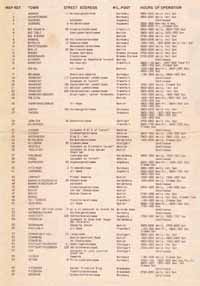
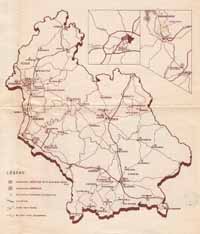
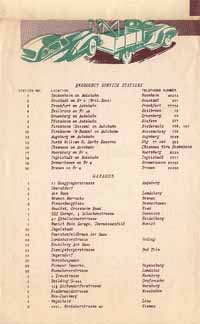
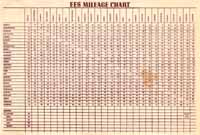
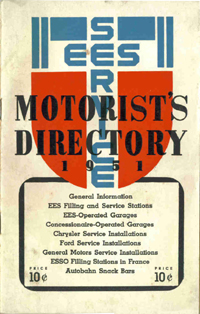
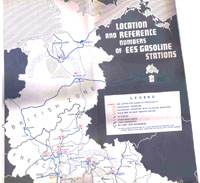
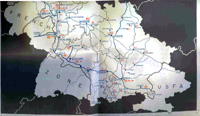

 Seckenheim