| If you do
NOT see the Table of Contents frame to the left of this page, then
Click here to open 'USArmyGermany' frameset |
|||||||||||||||||||||||||||||||||||||||||||||||||||||||||||||||||||||||||||||||||||||||||||||||||||||||||||||||||||||||||||||||||||||||||||||||||||||||||||||||||||||||||||||||||||||||||||||||||||||||||||||||||||||||||||||||||||||||||||||||||||||||||||||||||||||||||||||||||||||||||||||||||||||||||||||||||||||||||||||||||||||||||||||||||||||||||||||||||||||||||||||
|
Transportation Division |
|||||||||||||||||||||||||||||||||||||||||||||||||||||||||||||||||||||||||||||||||||||||||||||||||||||||||||||||||||||||||||||||||||||||||||||||||||||||||||||||||||||||||||||||||||||||||||||||||||||||||||||||||||||||||||||||||||||||||||||||||||||||||||||||||||||||||||||||||||||||||||||||||||||||||||||||||||||||||||||||||||||||||||||||||||||||||||||||||||||||||||||
|
|
|||||||||||||||||||||||||||||||||||||||||||||||||||||||||||||||||||||||||||||||||||||||||||||||||||||||||||||||||||||||||||||||||||||||||||||||||||||||||||||||||||||||||||||||||||||||||||||||||||||||||||||||||||||||||||||||||||||||||||||||||||||||||||||||||||||||||||||||||||||||||||||||||||||||||||||||||||||||||||||||||||||||||||||||||||||||||||||||||||||||||||||
|
|
|||||||||||||||||||||||||||||||||||||||||||||||||||||||||||||||||||||||||||||||||||||||||||||||||||||||||||||||||||||||||||||||||||||||||||||||||||||||||||||||||||||||||||||||||||||||||||||||||||||||||||||||||||||||||||||||||||||||||||||||||||||||||||||||||||||||||||||||||||||||||||||||||||||||||||||||||||||||||||||||||||||||||||||||||||||||||||||||||||||||||||||
| General | |||||||||||||||||||||||||||||||||||||||||||||||||||||||||||||||||||||||||||||||||||||||||||||||||||||||||||||||||||||||||||||||||||||||||||||||||||||||||||||||||||||||||||||||||||||||||||||||||||||||||||||||||||||||||||||||||||||||||||||||||||||||||||||||||||||||||||||||||||||||||||||||||||||||||||||||||||||||||||||||||||||||||||||||||||||||||||||||||||||||||||||
 Transportation Corps Branch Insignia Transportation Corps Branch Insignia |
|||||||||||||||||||||||||||||||||||||||||||||||||||||||||||||||||||||||||||||||||||||||||||||||||||||||||||||||||||||||||||||||||||||||||||||||||||||||||||||||||||||||||||||||||||||||||||||||||||||||||||||||||||||||||||||||||||||||||||||||||||||||||||||||||||||||||||||||||||||||||||||||||||||||||||||||||||||||||||||||||||||||||||||||||||||||||||||||||||||||||||||
 |
|||||||||||||||||||||||||||||||||||||||||||||||||||||||||||||||||||||||||||||||||||||||||||||||||||||||||||||||||||||||||||||||||||||||||||||||||||||||||||||||||||||||||||||||||||||||||||||||||||||||||||||||||||||||||||||||||||||||||||||||||||||||||||||||||||||||||||||||||||||||||||||||||||||||||||||||||||||||||||||||||||||||||||||||||||||||||||||||||||||||||||||
| 1945 | |||||||||||||||||||||||||||||||||||||||||||||||||||||||||||||||||||||||||||||||||||||||||||||||||||||||||||||||||||||||||||||||||||||||||||||||||||||||||||||||||||||||||||||||||||||||||||||||||||||||||||||||||||||||||||||||||||||||||||||||||||||||||||||||||||||||||||||||||||||||||||||||||||||||||||||||||||||||||||||||||||||||||||||||||||||||||||||||||||||||||||||
| (Source: Transportation. OCCUPATION FORCES SERIES) | |||||||||||||||||||||||||||||||||||||||||||||||||||||||||||||||||||||||||||||||||||||||||||||||||||||||||||||||||||||||||||||||||||||||||||||||||||||||||||||||||||||||||||||||||||||||||||||||||||||||||||||||||||||||||||||||||||||||||||||||||||||||||||||||||||||||||||||||||||||||||||||||||||||||||||||||||||||||||||||||||||||||||||||||||||||||||||||||||||||||||||||
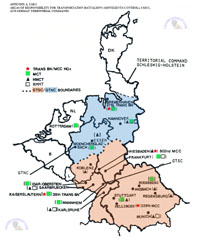
| Units & organizations in support of 3rd & 7th Armies in the Occupation of US Sectors. Situation between June - early August 1945 | |||||||||||||||||||||||||||||||||||||||||||||||||||||||||||||||||||||||||||||||||||||||||||||||||||||||||||||||||||||||||||||||||||||||||||||||||||||||||||||||||||||||||||||||||||||||||||||||||||||||||||||||||||||||||||||||||||||||||||||||||||||||||||||||||||||||||||||||||||||||||||||||||||||||||||||||||||||||||||||||||||||||||||||||||||||||||||||||||||||||||||||
|
|||||||||||||||||||||||||||||||||||||||||||||||||||||||||||||||||||||||||||||||||||||||||||||||||||||||||||||||||||||||||||||||||||||||||||||||||||||||||||||||||||||||||||||||||||||||||||||||||||||||||||||||||||||||||||||||||||||||||||||||||||||||||||||||||||||||||||||||||||||||||||||||||||||||||||||||||||||||||||||||||||||||||||||||||||||||||||||||||||||||||||||
|
|||||||||||||||||||||||||||||||||||||||||||||||||||||||||||||||||||||||||||||||||||||||||||||||||||||||||||||||||||||||||||||||||||||||||||||||||||||||||||||||||||||||||||||||||||||||||||||||||||||||||||||||||||||||||||||||||||||||||||||||||||||||||||||||||||||||||||||||||||||||||||||||||||||||||||||||||||||||||||||||||||||||||||||||||||||||||||||||||||||||||||||
|
|||||||||||||||||||||||||||||||||||||||||||||||||||||||||||||||||||||||||||||||||||||||||||||||||||||||||||||||||||||||||||||||||||||||||||||||||||||||||||||||||||||||||||||||||||||||||||||||||||||||||||||||||||||||||||||||||||||||||||||||||||||||||||||||||||||||||||||||||||||||||||||||||||||||||||||||||||||||||||||||||||||||||||||||||||||||||||||||||||||||||||||
|
|||||||||||||||||||||||||||||||||||||||||||||||||||||||||||||||||||||||||||||||||||||||||||||||||||||||||||||||||||||||||||||||||||||||||||||||||||||||||||||||||||||||||||||||||||||||||||||||||||||||||||||||||||||||||||||||||||||||||||||||||||||||||||||||||||||||||||||||||||||||||||||||||||||||||||||||||||||||||||||||||||||||||||||||||||||||||||||||||||||||||||||
| 1950s | |||||||||||||||||||||||||||||||||||||||||||||||||||||||||||||||||||||||||||||||||||||||||||||||||||||||||||||||||||||||||||||||||||||||||||||||||||||||||||||||||||||||||||||||||||||||||||||||||||||||||||||||||||||||||||||||||||||||||||||||||||||||||||||||||||||||||||||||||||||||||||||||||||||||||||||||||||||||||||||||||||||||||||||||||||||||||||||||||||||||||||||
| EUCOM Transportation Division, 1951-52 | |||||||||||||||||||||||||||||||||||||||||||||||||||||||||||||||||||||||||||||||||||||||||||||||||||||||||||||||||||||||||||||||||||||||||||||||||||||||||||||||||||||||||||||||||||||||||||||||||||||||||||||||||||||||||||||||||||||||||||||||||||||||||||||||||||||||||||||||||||||||||||||||||||||||||||||||||||||||||||||||||||||||||||||||||||||||||||||||||||||||||||||
| (Source: STARS & STRIPES, July 31, 1952) | |||||||||||||||||||||||||||||||||||||||||||||||||||||||||||||||||||||||||||||||||||||||||||||||||||||||||||||||||||||||||||||||||||||||||||||||||||||||||||||||||||||||||||||||||||||||||||||||||||||||||||||||||||||||||||||||||||||||||||||||||||||||||||||||||||||||||||||||||||||||||||||||||||||||||||||||||||||||||||||||||||||||||||||||||||||||||||||||||||||||||||||
| Brig Gen B. F. Hayford was serving as EUCOM Chief of Transportation in 1952. In April 1952, Operation Drive-Away was initiated when the first convoy of replacement vehicles from the US were driven in an over-the-road convoy from Bremerhaven Port of Embarkation to the US Zone in southern Germany. This project is designed to save manpower, materials and funds as well as relieve crowded rail facilities as military posts and 7th Army units are supplied with new military vehicles from the States. (By early June, over $300,000 had already been saved by this new method of delivery versus railway flat-car movement.) The convoys consist of 60 vehicles each and are manned by drivers from the 37th Transportation Highway Transport Division. They depart from BPE each weekday. Smaller vehicles, such as jeeps and sedans, arriving at the port are loaded onto German single or double-deck highway transporters and trucked to their military destinations. An experimental run was conducted in February, when seven jeeps were transported from BPE to Ansbach. The results indicated that the cost of movement was 30 percent less than movement by rail and time of delivery was 36 hours under railroad schedules. Another project was the implementation of a fast highway-freight service to haul shipments of freight from Rheinau, Germany to the Verdun area. Until early this year, less-than-carload-lot freight was shipped from Germany to France by rail. Small shipments from anywhere in Germany were first consolidated at the Rheinau Transportation Center and then forwarded to French destinations. Under the new method, the consolidation still occurs at Rheinau but now the freight is loaded onto 10-ton vans which are picked up on call by trucks and delivered to Verdun the following day. This method speeds up delivery by 10 days with considerable savings. Early in July another major change in US Army transportation operations in Europe took place. In an agreement with the German Bundesbahn, the Army released all passenger rail equipment except for three duty trains. (See additional details on the Duty Trains Page.) This equipment was furnished by the Bundesbahn to the Army and paid for on a distance-hauled basis, plus rentals on sleeping car. The equipment included 91 coaches that were reserved for US and Allied personnel on German civilian trains. A two-year program that provided construction of US military ticket offices (USMTO) and attendant waiting rooms at German railway stations was completed in April with the opening of the last MTO, at the Wildflecken Bahnhof. The USMTOs and new waiting rooms were built with funds from the sale of non-duty rail tickets for travel on US military trains. The 37th THTD began operations as a division in September 1951 to provide long-haul involving heavy tonnages). (Col Gerald Peterson, then Chief of Operations, EUCOM Transportation Div, was designated as the first CO of the 37th THTD.) Two of its truck battalions (Webmaster note: the 24th and the 28th?) have been in EUCOM for four years but were previously serving under the Frankfurt and Heidelberg military posts, respectively. The 8th Transportation Traffic Regulating Group and the Rheinau Transportation Center are commanded by Lt Col H.C. Rowe. In the past year, Rheinau handled close to 8,000 tons of freight. The 8th TTRG released 434,094 freight cars for movement within Germany and France during the same period. |
|||||||||||||||||||||||||||||||||||||||||||||||||||||||||||||||||||||||||||||||||||||||||||||||||||||||||||||||||||||||||||||||||||||||||||||||||||||||||||||||||||||||||||||||||||||||||||||||||||||||||||||||||||||||||||||||||||||||||||||||||||||||||||||||||||||||||||||||||||||||||||||||||||||||||||||||||||||||||||||||||||||||||||||||||||||||||||||||||||||||||||||
|
|||||||||||||||||||||||||||||||||||||||||||||||||||||||||||||||||||||||||||||||||||||||||||||||||||||||||||||||||||||||||||||||||||||||||||||||||||||||||||||||||||||||||||||||||||||||||||||||||||||||||||||||||||||||||||||||||||||||||||||||||||||||||||||||||||||||||||||||||||||||||||||||||||||||||||||||||||||||||||||||||||||||||||||||||||||||||||||||||||||||||||||
| USAREUR Movement System in 1958 | |||||||||||||||||||||||||||||||||||||||||||||||||||||||||||||||||||||||||||||||||||||||||||||||||||||||||||||||||||||||||||||||||||||||||||||||||||||||||||||||||||||||||||||||||||||||||||||||||||||||||||||||||||||||||||||||||||||||||||||||||||||||||||||||||||||||||||||||||||||||||||||||||||||||||||||||||||||||||||||||||||||||||||||||||||||||||||||||||||||||||||||
|
|||||||||||||||||||||||||||||||||||||||||||||||||||||||||||||||||||||||||||||||||||||||||||||||||||||||||||||||||||||||||||||||||||||||||||||||||||||||||||||||||||||||||||||||||||||||||||||||||||||||||||||||||||||||||||||||||||||||||||||||||||||||||||||||||||||||||||||||||||||||||||||||||||||||||||||||||||||||||||||||||||||||||||||||||||||||||||||||||||||||||||||
| 1958 | |||||||||||||||||||||||||||||||||||||||||||||||||||||||||||||||||||||||||||||||||||||||||||||||||||||||||||||||||||||||||||||||||||||||||||||||||||||||||||||||||||||||||||||||||||||||||||||||||||||||||||||||||||||||||||||||||||||||||||||||||||||||||||||||||||||||||||||||||||||||||||||||||||||||||||||||||||||||||||||||||||||||||||||||||||||||||||||||||||||||||||||
| (Source: The Transportation Movement System in USAREUR - 1958, report prepared by the Stanford Graduate School of Business, Stanford University, for the US Army Transportation Research Command, Fort Eustis, VA, 1958) | |||||||||||||||||||||||||||||||||||||||||||||||||||||||||||||||||||||||||||||||||||||||||||||||||||||||||||||||||||||||||||||||||||||||||||||||||||||||||||||||||||||||||||||||||||||||||||||||||||||||||||||||||||||||||||||||||||||||||||||||||||||||||||||||||||||||||||||||||||||||||||||||||||||||||||||||||||||||||||||||||||||||||||||||||||||||||||||||||||||||||||||
|
|||||||||||||||||||||||||||||||||||||||||||||||||||||||||||||||||||||||||||||||||||||||||||||||||||||||||||||||||||||||||||||||||||||||||||||||||||||||||||||||||||||||||||||||||||||||||||||||||||||||||||||||||||||||||||||||||||||||||||||||||||||||||||||||||||||||||||||||||||||||||||||||||||||||||||||||||||||||||||||||||||||||||||||||||||||||||||||||||||||||||||||
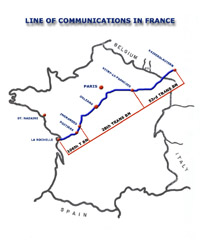
| CARGO AND FREIGHT MOVEMENTS Most cargo entering the European Theater for US Forces arrives by surface carrier through two seaport terminal complexes -- the Bremerhaven Port of Embarkation with Headquarters at Bremerhaven, Germany, and the 11th Port Terminal Command with Headquarters at La Rochelle, France. A relatively small amount enters through air cargo receiving facilities, one of which is located in Germany (Rhein-Main) while the other is in France (Chateauroux). Once it arrives in the theater, cargo is carried by five main modes: rail, commercial and military highway transport, pipelines, air, and inland waterways. Of these modes, military highway transport is the only one operated primarily by Transportation Corps units, although a small number of rail shipments are carried on rolling stock owned or leased by US Forces. Air lift is almost exclusively provided by the Air Force, while rail, commercial highway transport, and inland waterway services are provided by nationalized or privately owned local carriers. The primary concern of the port terminals is to clear the ports in the least possible time. Frequently, cargo is off-loaded directly from ship to overland carrier. Plans and priorities for ship unloading are developed by the port prior to arrival of vessels by utilizing information available in such documents as Sailing Cables, Cargo Stowage Plans, and Ocean Manifests. Stock control agencies within the theater confirm manifested destination information or request reconsignments prior to arrival of the vessel, thereby aiding the port in planning for discharge and forwarding. On retrograde shipments, the present port-call system requires shippers to notify their designated out-loading port of the availability of most types of shipments, which are then called forward by the port terminal headquarters to a selected loading terminal. The terminal then prepares pre-stowage plans, orders any special equipment which may be needed, plans workloads and gang requirements, and makes other preparations for handling the cargo. Upon completion of loading, the terminal prepares and forwards Ocean Manifests, Cargo Stowage Plans, and Sailing Cables to receiving ports. Most movements within the theater are "managed" to secure utilization of the various available modes of transport in such a way as to insure accomplishment of all requirements with available capability. Because the present lift capability greatly exceeds requirements, this is primarily a training problem, and its solution is the responsibility of several Transportation Corps agencies throughout the theater. The USATC, CF&A, and installation TO's are charged with the determination of the most effective and economical use of available transport, regardless of mode. A central movements group (594th TG (MC) ) is charged with the final selection of the mode of transport. At both COMZ and Seventh Army levels, movement programs are used to assist in forecasting requirements and matching transport capabilities with these requirements. The 594th TG (MC) uses a formal transportation movement release (TMR) and movement authorization system to control movements and to assist in coordinating movements with shippers, carriers, and consignees. Actual operations of the group are assigned to a number of regional (RTMO) and district or detachment (DTMO) transportation movement offices. At the installation level, an installation transportation officer or his agent prepares necessary transportation documentation, ships, receives, and assists in coordinating the details of movement in his area. Spread along the Line of Communications (LOC) are a number of Trailer Transfer Points and Consolidation and Distribution Points (TTP's and C&D Points). These activities are responsibilities of the 37th THTC and the area commands, respectively. Less-than-truckload (LTL) shipments move between C&D Points on vehicles operated by the 37th Transportation Highway Transport Command. This organization also hauls truckload shipments from TTP to TTP along the LOC. |
|||||||||||||||||||||||||||||||||||||||||||||||||||||||||||||||||||||||||||||||||||||||||||||||||||||||||||||||||||||||||||||||||||||||||||||||||||||||||||||||||||||||||||||||||||||||||||||||||||||||||||||||||||||||||||||||||||||||||||||||||||||||||||||||||||||||||||||||||||||||||||||||||||||||||||||||||||||||||||||||||||||||||||||||||||||||||||||||||||||||||||||
|
|||||||||||||||||||||||||||||||||||||||||||||||||||||||||||||||||||||||||||||||||||||||||||||||||||||||||||||||||||||||||||||||||||||||||||||||||||||||||||||||||||||||||||||||||||||||||||||||||||||||||||||||||||||||||||||||||||||||||||||||||||||||||||||||||||||||||||||||||||||||||||||||||||||||||||||||||||||||||||||||||||||||||||||||||||||||||||||||||||||||||||||
| In the actual movements of shipments along the LOC, service is too slow, documentation is complicated and time-consuming, and information about the status and location of shipments is not readily available. In all phases of the present system, the need for greater speed and accuracy is obvious. When emergency operations are considered, it becomes clear that such needs are not a luxury, but a necessity if the system is to fulfill its emergency mission. |
|||||||||||||||||||||||||||||||||||||||||||||||||||||||||||||||||||||||||||||||||||||||||||||||||||||||||||||||||||||||||||||||||||||||||||||||||||||||||||||||||||||||||||||||||||||||||||||||||||||||||||||||||||||||||||||||||||||||||||||||||||||||||||||||||||||||||||||||||||||||||||||||||||||||||||||||||||||||||||||||||||||||||||||||||||||||||||||||||||||||||||||
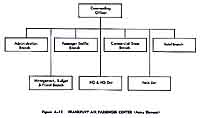
| PERSONNEL MOVEMENTS In USAREUR the principal installations concerned with military-connected personnel movements are the Bremerhaven Port of Embarkation (BPOE) for surface, and the Frankfurt and Paris Air Passenger Centers (FAPC and PAPC, respectively). The total annual number of both inbound and outbound passengers approximates 500,000; BPOE and its subports processing approximately 43 per cent, FAPC 39 per cent. and PAPC 16 per cent. The carriers involved in the movement of such personnel are the Military Sea Transport Service (MSTS), the Military Air Transport Service (MATS), and the commercial carriers operating under contracts awarded by MSTS and MATS to augment the military service. Processing requirements placed on the transportation system for passengers inbound to the Theater are fairly restricted, even for surface shipments. Following receipt of the passenger manifest from CONUS surface ports, BPOE checks destinations, schedules debarkation proceedings, arranges for transportation, and provides hotel accommodations as required. The airports, because of the smaller number of passengers arriving per shipment, limit their processing to arranging for onward transportation when the passengers have actually arrived, and providing hotel accommodations as required. However, all ports arrange to notify gaining organizations of arrivals where practicable. The redeployment of personnel to CONUS is a more extensive procedure. The first step in this process is the forecasting by personnel agencies of the number of personnel to be redeployed in future months. The forecasts are consolidated by a Transportation Corps agency at COMZ, and then sent to the responsible agencies in CONUS. These CONUS agencies procure space to meet redeployment requirements and furnish monthly shipping schedules to the ports concerned. Space Allocation Committees (one for BPOE and one for LPOE), consisting of a representative from each service and MSTS, meet monthly to determine how the surface space will be alloted to the Army, Air Force, and Navy. The second step involved in the movement of outbound personnel is known as port-calling. Port-calling for USAREUR, with the exception of Mediterranean Commands, is performed by the Central Control Agency at BPOE for surface and by FAPC and PAPC for air. The port-calling of cabin-class passengers is done by individual; for troop-class passengers, BPOE issues a bulk port-call to each Control Headquarters, which then selects the personnel to fill the demand. Port-calls provide such information as reporting date, mode, and dates by which personnel must perform certain actions prior to leaving the theater, each as delivering POWs to the port to insure their arrival in CONUS ahead of the passenger. Other important steps in the movement of outbound surface personnel, particularly on MSTS vessels, are the arranging of transportation from unit locations to the port of embarkation, the pre-billeting of passengers, the scheduling of ship loading, the preparation and distribution of the passenger manifest, and the transmission of a sailing wire to the CONUS port concerned. Comparable procedures are involved for personnel movements by commercial surface and by air, but they are usually not as involved because of the smaller number of personnel moved on any one shipment. Duty travel within the theater generally consists of small groups or individuals traveling on regularly scheduled trains of the host nations. A few regularly-scheduled all-military trains or cars, employing host-nation equipment, are run for the convenience of certain areas such as Bremerhaven, Berlin, and Leghorn. Large-scale moves within the theater are either training movements of tactical units, or those made in conjunction with a move to or from a port. Such moves are controlled by the 594th TG(MC) and accomplished, where possible, with US-owned equipment. Some of the major problem areas in connection with personnel movements are the unreliable forecasts of the number of personnel to be redeployed; the consequent problem of procuring adequate surface or air space to meet actual requirements; the task of verifying the destinations of inbound passengers by BPOE; late equipment scheduling, which causes uncertainty and delay in the port-calling of personnel and inconvenience to the passengers concerned; and the excessive amount of paper work currently associated with many phases of personnel movements. |
|||||||||||||||||||||||||||||||||||||||||||||||||||||||||||||||||||||||||||||||||||||||||||||||||||||||||||||||||||||||||||||||||||||||||||||||||||||||||||||||||||||||||||||||||||||||||||||||||||||||||||||||||||||||||||||||||||||||||||||||||||||||||||||||||||||||||||||||||||||||||||||||||||||||||||||||||||||||||||||||||||||||||||||||||||||||||||||||||||||||||||||
| HIGHWAY TRAFFIC REGULATION AND CONTROL The responsibilities for highway traffic regulation and control within USAREUR are different in each country in which troops are stationed. Within France and Germany, they are subdelegated to major commanders by the USAREUR Commander, while in Italy they are the direct responsibility of the CG USASETAF. According to FM 100-10, traffic regulation is to be supervised and coordinated through transportation channels, whereas traffic control is a function of the military police. In general, within USAREUR these functions fall within the definitions of this regulation. In Germany, however, regulation of highway convoy movements is designated a "Notification System," and has been transferred to the military police, although current plans call for transportation personnel to resume such regulation in an emergency. This assignment of functions within Germany results in personnel getting "out of the habit" of requesting clearances from the activities which will grant such clearances in an emergency, and does not provide sufficient control of movements to insure adherence to march schedules. It also fails to provide sufficient incentive for traffic headquarters personnel at either Seventh Army or the 594th TG (MC) to become familiar with the capabilities and limitations of all routes in their emergency operational areas. Within both France and Italy, all regulation and control of highway movements is performed by French or Italian Army personnel, who issue movement authorizations through US Army transportation agencies to the units concerned. |
|||||||||||||||||||||||||||||||||||||||||||||||||||||||||||||||||||||||||||||||||||||||||||||||||||||||||||||||||||||||||||||||||||||||||||||||||||||||||||||||||||||||||||||||||||||||||||||||||||||||||||||||||||||||||||||||||||||||||||||||||||||||||||||||||||||||||||||||||||||||||||||||||||||||||||||||||||||||||||||||||||||||||||||||||||||||||||||||||||||||||||||
| BUDGETING AND ACCOUNTING The current USAREUR fiscal policies and procedures directly related to transportation activities appear to closely parallel modern industrial practices. The quality of cost data has been greatly improved by the recent adoption of accrual accounting and financial inventory accounting. In addition, the installation of an account structure which is common to budgeting, funding, and accounting has streamlined the processing of financial data at all command levels. However, several areas still exist in the Army's financial management plan in which expenditures of man-hours could be reduced and accomplishment of assigned missions could be expedited by the introduction of additional improvements. The major legislative acts and international agreements which have influenced the development of current USAREUR fiscal policies and procedures include the Budgeting and Accounting Act of 1921, the National Security Act Amendments of 1949, the Budgeting and Accounting Act of 1950, the St. Gallen Agreement, and the Line-of-Communication Agreement. The current budgeting system provides, among other things, for distribution of tentative budget guidance via command channels; prior determination of the functions to be performed during the budget year; uniformity in content and format of budgets, thus facilitating review and consolidation at higher headquarters; and submission of budget requests on a scheduled basis. The preparation of installation Budget Execution Plans prior to issuance of the Annual Funding Program may be an undesirable requirement, since they are submitted after USAREUR's budget has been forwarded to the Department of the Army. Other problem areas connected with the Army's budgeting system include assigning budgetary responsibilities to certain commanders for operations which are beyond their control, and estimating budget requirements for certain operations of a highly variable nature by application of a cost per unit of performance which is based on both support and operating costs. The current funding system provides for the issuance of Annual Funding Programs near the beginning of the budget year and, in general, for the distribution of funds via command channels to cover operations in the succeeding quarter. An important exception to the latter provision is the funding procedure for commercial line-haul activities. Such funds are suballoted to the Central Finance and Accounting Office at Heidelberg, which by-passes command channels in effecting a monthly distribution of funds to approximately 70 transportation offices, thereby creating a heavy communications and accounting workload. The accounting system is designed to protect public funds and provide accurate financial data for management purposes. Since the recent adoption of accrual accounting, financial inventory accounting, and an account structure common to all fiscal activities, reliable cost data can be developed and equitably applied. There is evidence, however, that procedures covering the administration of transportation funds and the development and application of cost data are in need of further imrpovements. |
|||||||||||||||||||||||||||||||||||||||||||||||||||||||||||||||||||||||||||||||||||||||||||||||||||||||||||||||||||||||||||||||||||||||||||||||||||||||||||||||||||||||||||||||||||||||||||||||||||||||||||||||||||||||||||||||||||||||||||||||||||||||||||||||||||||||||||||||||||||||||||||||||||||||||||||||||||||||||||||||||||||||||||||||||||||||||||||||||||||||||||||
|
|||||||||||||||||||||||||||||||||||||||||||||||||||||||||||||||||||||||||||||||||||||||||||||||||||||||||||||||||||||||||||||||||||||||||||||||||||||||||||||||||||||||||||||||||||||||||||||||||||||||||||||||||||||||||||||||||||||||||||||||||||||||||||||||||||||||||||||||||||||||||||||||||||||||||||||||||||||||||||||||||||||||||||||||||||||||||||||||||||||||||||||
| USAREUR Transportation Movement System - Organization 1958 | |||||||||||||||||||||||||||||||||||||||||||||||||||||||||||||||||||||||||||||||||||||||||||||||||||||||||||||||||||||||||||||||||||||||||||||||||||||||||||||||||||||||||||||||||||||||||||||||||||||||||||||||||||||||||||||||||||||||||||||||||||||||||||||||||||||||||||||||||||||||||||||||||||||||||||||||||||||||||||||||||||||||||||||||||||||||||||||||||||||||||||||
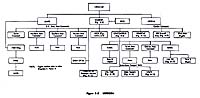
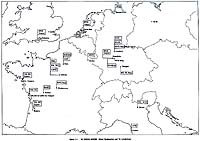
| General US Army, Europe (USAREUR), with headquarters at Heidelberg, Germany, constitutes the Army element of US Forces, Europe, in support of NATO (organization chart). It is subordinate to US European Command (USEUCOM), whose Headquarters is located in the vicinity of Paris, France (map). The USEUCOM Commander is also the Commander of SHAPE. USEUCOM policy statements have delegated certain responsibilities to the respective US Forces. In compliance with these policies, each service issues implementing directives to subordinate commanders and other services as applicable. The Commander in Chief, USAREUR, is assigned responsibility by USEUCOM Policy Directive Nr. 64-1 dtd 8 March 1956 for "making available, operating and maintaining land transportation service for US Forces within France, Germany and Benelux." The CG USASETAF, charged with the same responsibility in Italy, was subsequently assigned to CINCUSAREUR. The objectives of these assignments are to insure economy of operation without duplication in peacetime, while providing the maximal operational effectiveness and efficiency necessary to support emergency war plans. The "55" Series of USAREUR Circulars, prepared by the Transportation Officer, USAREUR, under the staff supervision of G-4, USAREUR, are those with which the Army, Air Force, and Navy must comply in shipping and receiving all persons and things via land transportation modes within the theater. Similarly, all services must comply with US Air Forces Europe (USAFE) directives in securing intratheater air transportation, Military Air Transport Service (MATS) directives for intratheater air lift via MATS, and Military Sea Transport Service (MSTS) directives for ocean transport. USAREUR Circulars are frequently expanded by subordinate commands, within the scope of the circulars, to furnish additional guidance. Operational units generally prepare Standing Operating Procedures (SOP'S) for their personnel to insure uniformity in operations. Technical Service Chiefs, such as the Transportation Officer, may issue technical bulletins, memoranda, or letters over their signatures to insure compliance with the technical aspects of general command policies and directives. The organization chart (presented above) provides a graphic illustration of the relationships within USEUCOM units. |
|||||||||||||||||||||||||||||||||||||||||||||||||||||||||||||||||||||||||||||||||||||||||||||||||||||||||||||||||||||||||||||||||||||||||||||||||||||||||||||||||||||||||||||||||||||||||||||||||||||||||||||||||||||||||||||||||||||||||||||||||||||||||||||||||||||||||||||||||||||||||||||||||||||||||||||||||||||||||||||||||||||||||||||||||||||||||||||||||||||||||||||
| List of main elements of the USAREUR Transportation Movement System: | |||||||||||||||||||||||||||||||||||||||||||||||||||||||||||||||||||||||||||||||||||||||||||||||||||||||||||||||||||||||||||||||||||||||||||||||||||||||||||||||||||||||||||||||||||||||||||||||||||||||||||||||||||||||||||||||||||||||||||||||||||||||||||||||||||||||||||||||||||||||||||||||||||||||||||||||||||||||||||||||||||||||||||||||||||||||||||||||||||||||||||||
|
|||||||||||||||||||||||||||||||||||||||||||||||||||||||||||||||||||||||||||||||||||||||||||||||||||||||||||||||||||||||||||||||||||||||||||||||||||||||||||||||||||||||||||||||||||||||||||||||||||||||||||||||||||||||||||||||||||||||||||||||||||||||||||||||||||||||||||||||||||||||||||||||||||||||||||||||||||||||||||||||||||||||||||||||||||||||||||||||||||||||||||||
| Area Commands in USAREUR The US Forces in Europe, as tenants of the host nations of France, Germany, and Italy, are required to comply with the Status of Forces Agreements in effect between the governments of the US and each host nation. In order to perform essential "housekeeping" functions and to afford a proper posture for an emergency, three types of area command are in existence, each within a separate nation. In France, the conventional Communications Zone (COMZ) is organized into a Base Section (BASEC) and an advance section (ADSEC), with headquarters at Poitiers and Verdun, respectively. The principal area of responsibility of BASEC is the post and depot complex in western and southern France. ADSEC comprises the area of northeastern France, with its depot complex. A number of depots located in Germany west of the Rhein have recently also been assigned to ADSEC, although the CG ADSEC does not have area support responsibility in Germany. In addition to BASEC and ADSEC, the area commands around Orleans and Paris support COMZ units and other lodger units in their areas of responsibility. Within each of the sections and commands, posts or installations have been established to administer the areas assigned to and occupied by US Forces, such as depots, headquarters, troop casernes, and the dependent housing areas constructed for or by US Forces. Posts also furnish the necessary administrative, recreational, and logistical support for service personnel and their dependents. In Germany, the US Forces Area is divided into Northern, Southern, and Western Area Commands (plus the Bremerhaven and Berlin Commands). Each command is divided into subareas or installations which render "post" support to lodger units and US personnel. The Seventh Army and all other combat elements in Germany are lodger units of these installations. Their primary responsibility is training to maintain maximum combat effectiveness. In Italy, USASETAF is organized into three posts (or camps). The 1st Missile Command Medium is stationed at Vicenza, US Army Special Troops SETAF are at Camp Passalacqua in Verona (SETAF Hq.), and the US Army Logistical Command is located at Camp Darby in Livorno. |
|||||||||||||||||||||||||||||||||||||||||||||||||||||||||||||||||||||||||||||||||||||||||||||||||||||||||||||||||||||||||||||||||||||||||||||||||||||||||||||||||||||||||||||||||||||||||||||||||||||||||||||||||||||||||||||||||||||||||||||||||||||||||||||||||||||||||||||||||||||||||||||||||||||||||||||||||||||||||||||||||||||||||||||||||||||||||||||||||||||||||||||
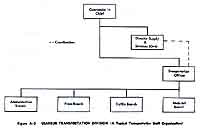
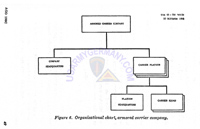
| Transportation Staff Officers The Transportation Officer of each major command is a technical or special staff officer responsible for advising the commander on transportation matters, and for the technical supervision of all transportation activities and units assigned the commander. In addition, he is frequently assigned operational control of transportation units assigned to the command. His responsibilities require a staff, which is organized similarly in all headquarters (see Fig. 3). The usual organization includes Administrative, Plans (and Intelligence), Traffic (Operations), and Materiel (Supply) Branches. |
|||||||||||||||||||||||||||||||||||||||||||||||||||||||||||||||||||||||||||||||||||||||||||||||||||||||||||||||||||||||||||||||||||||||||||||||||||||||||||||||||||||||||||||||||||||||||||||||||||||||||||||||||||||||||||||||||||||||||||||||||||||||||||||||||||||||||||||||||||||||||||||||||||||||||||||||||||||||||||||||||||||||||||||||||||||||||||||||||||||||||||||
|
|||||||||||||||||||||||||||||||||||||||||||||||||||||||||||||||||||||||||||||||||||||||||||||||||||||||||||||||||||||||||||||||||||||||||||||||||||||||||||||||||||||||||||||||||||||||||||||||||||||||||||||||||||||||||||||||||||||||||||||||||||||||||||||||||||||||||||||||||||||||||||||||||||||||||||||||||||||||||||||||||||||||||||||||||||||||||||||||||||||||||||||
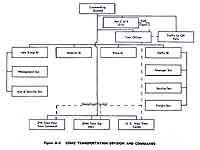
| All staff branches develop and/or review that cost and budgeting data which is required to support their respective functions. Fig. A-6 illustrates the staff branches and commands subordinate to the Transportation Officer, COMZ. | |||||||||||||||||||||||||||||||||||||||||||||||||||||||||||||||||||||||||||||||||||||||||||||||||||||||||||||||||||||||||||||||||||||||||||||||||||||||||||||||||||||||||||||||||||||||||||||||||||||||||||||||||||||||||||||||||||||||||||||||||||||||||||||||||||||||||||||||||||||||||||||||||||||||||||||||||||||||||||||||||||||||||||||||||||||||||||||||||||||||||||||
| Installation Transportation Officer Each Post Commander has a Transportation Officer on his special staff, who advises the Commander on all transportation activities, receives and ships all freight for the Post, including household goods and baggage, and accomplishes the transportation documentation. Assistant Transportation Officers and Transportation Agents, representatives of the Transportation Officer, are appointed and located to function for the Transportation Officer. The Transportation Officer initiates all Military Freight Traffic Warrants, Bills of Lading, Passenger Transportation Warrants, Transportation Requests, claims against carriers, shipment discrepancy reports, etc. His staff organization varies with the responsibili. ties assigned to him. He usually operates the administrative Motor Pool, utility railroad, and/or assigned harbor craft, and is responsible for maintenance of equipment. Ile is authorized to obligate funds for Post transportation operations and maintenance, line-haul, accessorial transportation and drayage, or local haul, and maintains a record of these obligations. |
|||||||||||||||||||||||||||||||||||||||||||||||||||||||||||||||||||||||||||||||||||||||||||||||||||||||||||||||||||||||||||||||||||||||||||||||||||||||||||||||||||||||||||||||||||||||||||||||||||||||||||||||||||||||||||||||||||||||||||||||||||||||||||||||||||||||||||||||||||||||||||||||||||||||||||||||||||||||||||||||||||||||||||||||||||||||||||||||||||||||||||||
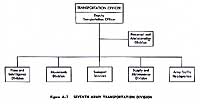
| Tactical Transportation Officer Headquarters Seventh Army and each subordinate Corps and Division are authorized Transportation Officers and transportation staff personnel under their Tables of Organization. The Seventh Army Transportation Division is shown in Fig. 5. |
|||||||||||||||||||||||||||||||||||||||||||||||||||||||||||||||||||||||||||||||||||||||||||||||||||||||||||||||||||||||||||||||||||||||||||||||||||||||||||||||||||||||||||||||||||||||||||||||||||||||||||||||||||||||||||||||||||||||||||||||||||||||||||||||||||||||||||||||||||||||||||||||||||||||||||||||||||||||||||||||||||||||||||||||||||||||||||||||||||||||||||||
|
|||||||||||||||||||||||||||||||||||||||||||||||||||||||||||||||||||||||||||||||||||||||||||||||||||||||||||||||||||||||||||||||||||||||||||||||||||||||||||||||||||||||||||||||||||||||||||||||||||||||||||||||||||||||||||||||||||||||||||||||||||||||||||||||||||||||||||||||||||||||||||||||||||||||||||||||||||||||||||||||||||||||||||||||||||||||||||||||||||||||||||||
|
|||||||||||||||||||||||||||||||||||||||||||||||||||||||||||||||||||||||||||||||||||||||||||||||||||||||||||||||||||||||||||||||||||||||||||||||||||||||||||||||||||||||||||||||||||||||||||||||||||||||||||||||||||||||||||||||||||||||||||||||||||||||||||||||||||||||||||||||||||||||||||||||||||||||||||||||||||||||||||||||||||||||||||||||||||||||||||||||||||||||||||||
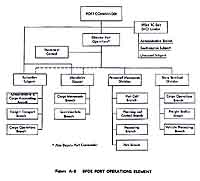
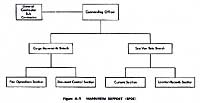
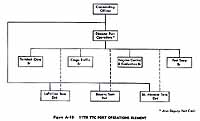
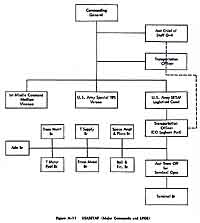
| Transportation Water Terminal The primary Ports of Embarkation are located at Bremerhaven, Germany; Livorno, Italy; and LaRochelle, France. Each Port Commander, except in Italy, is also a post commander whose peacetime responsibilities include operations such as dependent housing, Post Exchange, commissary, nursery, open messes, and service-club facilities, which require a sizeable staff which has no direct connection with the primary missions of the post-tbose of discharging and loading ships and receiving and shipping persons and things to and from the pier areas. This discussion concerns itself only with the organizational elements responsible for the shipment and receipt of personnel and cargo and the fiscal activities connected with these movements. The Bremerhaven Port of Embarkation (Fig. 6), assigned to CGUSAREUR, consists of the "Bremerhaven Enclave," the Subports of Rotterdam and Mannheim (Fig. 7), and the 593d TC Detachment (MC) London, with subports at Southampton and Liverpool. The 11th Transportation Terminal Command (Fig. 8) at LaRochelle is assigned to CG BASEC, and operates terminals and posts at LaPallice (near LaRochelle), Bassens, and St. Nazaire. The Leghorn Port (Fig. 9) at Livorno, Italy, is assigned the CO of the USASETAF Logistical Command, who has delegated operation of the port to his staff Transportation Officer. The broad mission of the commanders of Army terminals is to: |
|||||||||||||||||||||||||||||||||||||||||||||||||||||||||||||||||||||||||||||||||||||||||||||||||||||||||||||||||||||||||||||||||||||||||||||||||||||||||||||||||||||||||||||||||||||||||||||||||||||||||||||||||||||||||||||||||||||||||||||||||||||||||||||||||||||||||||||||||||||||||||||||||||||||||||||||||||||||||||||||||||||||||||||||||||||||||||||||||||||||||||||
|
|||||||||||||||||||||||||||||||||||||||||||||||||||||||||||||||||||||||||||||||||||||||||||||||||||||||||||||||||||||||||||||||||||||||||||||||||||||||||||||||||||||||||||||||||||||||||||||||||||||||||||||||||||||||||||||||||||||||||||||||||||||||||||||||||||||||||||||||||||||||||||||||||||||||||||||||||||||||||||||||||||||||||||||||||||||||||||||||||||||||||||||
|
|||||||||||||||||||||||||||||||||||||||||||||||||||||||||||||||||||||||||||||||||||||||||||||||||||||||||||||||||||||||||||||||||||||||||||||||||||||||||||||||||||||||||||||||||||||||||||||||||||||||||||||||||||||||||||||||||||||||||||||||||||||||||||||||||||||||||||||||||||||||||||||||||||||||||||||||||||||||||||||||||||||||||||||||||||||||||||||||||||||||||||||
| Air Passenger Centers | |||||||||||||||||||||||||||||||||||||||||||||||||||||||||||||||||||||||||||||||||||||||||||||||||||||||||||||||||||||||||||||||||||||||||||||||||||||||||||||||||||||||||||||||||||||||||||||||||||||||||||||||||||||||||||||||||||||||||||||||||||||||||||||||||||||||||||||||||||||||||||||||||||||||||||||||||||||||||||||||||||||||||||||||||||||||||||||||||||||||||||||
|
|||||||||||||||||||||||||||||||||||||||||||||||||||||||||||||||||||||||||||||||||||||||||||||||||||||||||||||||||||||||||||||||||||||||||||||||||||||||||||||||||||||||||||||||||||||||||||||||||||||||||||||||||||||||||||||||||||||||||||||||||||||||||||||||||||||||||||||||||||||||||||||||||||||||||||||||||||||||||||||||||||||||||||||||||||||||||||||||||||||||||||||
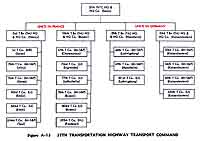
| 37th Transportation Highway Transport Command | |||||||||||||||||||||||||||||||||||||||||||||||||||||||||||||||||||||||||||||||||||||||||||||||||||||||||||||||||||||||||||||||||||||||||||||||||||||||||||||||||||||||||||||||||||||||||||||||||||||||||||||||||||||||||||||||||||||||||||||||||||||||||||||||||||||||||||||||||||||||||||||||||||||||||||||||||||||||||||||||||||||||||||||||||||||||||||||||||||||||||||||
|
|||||||||||||||||||||||||||||||||||||||||||||||||||||||||||||||||||||||||||||||||||||||||||||||||||||||||||||||||||||||||||||||||||||||||||||||||||||||||||||||||||||||||||||||||||||||||||||||||||||||||||||||||||||||||||||||||||||||||||||||||||||||||||||||||||||||||||||||||||||||||||||||||||||||||||||||||||||||||||||||||||||||||||||||||||||||||||||||||||||||||||||
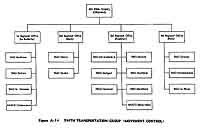
| 594th Transportation Group (Movement Control) |
|||||||||||||||||||||||||||||||||||||||||||||||||||||||||||||||||||||||||||||||||||||||||||||||||||||||||||||||||||||||||||||||||||||||||||||||||||||||||||||||||||||||||||||||||||||||||||||||||||||||||||||||||||||||||||||||||||||||||||||||||||||||||||||||||||||||||||||||||||||||||||||||||||||||||||||||||||||||||||||||||||||||||||||||||||||||||||||||||||||||||||||
|
|||||||||||||||||||||||||||||||||||||||||||||||||||||||||||||||||||||||||||||||||||||||||||||||||||||||||||||||||||||||||||||||||||||||||||||||||||||||||||||||||||||||||||||||||||||||||||||||||||||||||||||||||||||||||||||||||||||||||||||||||||||||||||||||||||||||||||||||||||||||||||||||||||||||||||||||||||||||||||||||||||||||||||||||||||||||||||||||||||||||||||||
| (1) Plan, program, and control movements of military traffic within, to and from France, Germany, and Benelux Countries except for those movements which are the responsibility of the CG Seventh Army. (2) Maintain movement-control liaison with transportation agencies of host nations within the unit's area of responsibility, and furnish movement requirements to specific carriers. (3) Be the sole commitment authority for the 37th, Trans portation Highway Transport Command. (4) Operate US Army Air Traffic Coordinating Offices (AATCO's) at Chateauroux, France, and Rhein-Main, Germany. (5) Notify major subordinate commands of impending arrival of personnel from CONUS. (6) Prepare the Intratheater Supply Movement Program. (7) Prescribe border-crossing points for all military surface shipments crossing international borders to insure most economical routing consistent with desired service. (8) Obtain international highway clearances as required. (9) Provide and administer procedures for obtaining French government highway permits for non-French truck carriers engaged in the transportation of US military-sponsored supplies into France. |
|||||||||||||||||||||||||||||||||||||||||||||||||||||||||||||||||||||||||||||||||||||||||||||||||||||||||||||||||||||||||||||||||||||||||||||||||||||||||||||||||||||||||||||||||||||||||||||||||||||||||||||||||||||||||||||||||||||||||||||||||||||||||||||||||||||||||||||||||||||||||||||||||||||||||||||||||||||||||||||||||||||||||||||||||||||||||||||||||||||||||||||
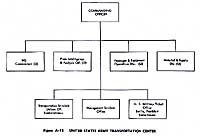
| US Army Transportation Center | |||||||||||||||||||||||||||||||||||||||||||||||||||||||||||||||||||||||||||||||||||||||||||||||||||||||||||||||||||||||||||||||||||||||||||||||||||||||||||||||||||||||||||||||||||||||||||||||||||||||||||||||||||||||||||||||||||||||||||||||||||||||||||||||||||||||||||||||||||||||||||||||||||||||||||||||||||||||||||||||||||||||||||||||||||||||||||||||||||||||||||||
|
|||||||||||||||||||||||||||||||||||||||||||||||||||||||||||||||||||||||||||||||||||||||||||||||||||||||||||||||||||||||||||||||||||||||||||||||||||||||||||||||||||||||||||||||||||||||||||||||||||||||||||||||||||||||||||||||||||||||||||||||||||||||||||||||||||||||||||||||||||||||||||||||||||||||||||||||||||||||||||||||||||||||||||||||||||||||||||||||||||||||||||||
| (A) Provide services for rail operations. (1) Provide liaison with the administrative and operational headquarters of European railways, or rail services in support of US Forces owned and/or controlled rail equipment. (2) Provide technical assistance to purchasing and contracting officers in matters pertaining to the procurement of rail services. (3) Make utilization surveys in installations assigned military-owned or -controlled rail equipment, and recommend assignment and/or reassignment of the equipment. (4) Provide train conductors and required food services on all military passenger trains except those operating within Italy and to and from Berlin. (5) Provide and control an operational fleet of US Army-owned rail equipment in support of US forces in Europe. (6) Distribute, stable, and exercise control over US owned and -controlled rail equipment. (B) Provide traffic management services. (1) Review proposed commercial line-haul truck agreements negotiated by local transportation officers with commercial highway carriers for shipments subsequently assigned. (2) Conduct special research projects, studies, and analyses to determine areas in which more economical and efficient transportation procedures may be developed, and make appropriate recommendations. (3) Compare the costs of current and probable future military transportation services with costs based upon commercial tariffs, and make appropriate recommendations. (4) Perform studies to determine trends in customer service and equipment utilization, based upon statistical data, and make appropriate recommendations. (C) Operate a CONEX distribution agency called the USAREUR Joint CONEX Control Activity in accordance with AR 55-165. (D) Conduct technical inspection of transportation ac tivities as directed by the Transportation Officer, COMZ. |
|||||||||||||||||||||||||||||||||||||||||||||||||||||||||||||||||||||||||||||||||||||||||||||||||||||||||||||||||||||||||||||||||||||||||||||||||||||||||||||||||||||||||||||||||||||||||||||||||||||||||||||||||||||||||||||||||||||||||||||||||||||||||||||||||||||||||||||||||||||||||||||||||||||||||||||||||||||||||||||||||||||||||||||||||||||||||||||||||||||||||||||
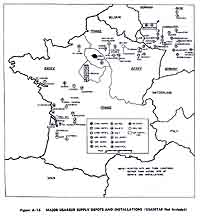
| Supply Installations and Depots | |||||||||||||||||||||||||||||||||||||||||||||||||||||||||||||||||||||||||||||||||||||||||||||||||||||||||||||||||||||||||||||||||||||||||||||||||||||||||||||||||||||||||||||||||||||||||||||||||||||||||||||||||||||||||||||||||||||||||||||||||||||||||||||||||||||||||||||||||||||||||||||||||||||||||||||||||||||||||||||||||||||||||||||||||||||||||||||||||||||||||||||
|
|||||||||||||||||||||||||||||||||||||||||||||||||||||||||||||||||||||||||||||||||||||||||||||||||||||||||||||||||||||||||||||||||||||||||||||||||||||||||||||||||||||||||||||||||||||||||||||||||||||||||||||||||||||||||||||||||||||||||||||||||||||||||||||||||||||||||||||||||||||||||||||||||||||||||||||||||||||||||||||||||||||||||||||||||||||||||||||||||||||||||||||
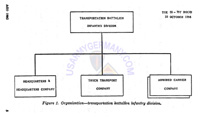
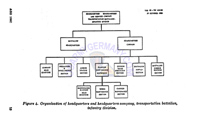
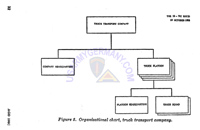
| Transportation Battalion (Infantry Division) | |||||||||||||||||||||||||||||||||||||||||||||||||||||||||||||||||||||||||||||||||||||||||||||||||||||||||||||||||||||||||||||||||||||||||||||||||||||||||||||||||||||||||||||||||||||||||||||||||||||||||||||||||||||||||||||||||||||||||||||||||||||||||||||||||||||||||||||||||||||||||||||||||||||||||||||||||||||||||||||||||||||||||||||||||||||||||||||||||||||||||||||
| (Source: FM 55-37 Transportation Battalion, Infantry Division, July 1957) | |||||||||||||||||||||||||||||||||||||||||||||||||||||||||||||||||||||||||||||||||||||||||||||||||||||||||||||||||||||||||||||||||||||||||||||||||||||||||||||||||||||||||||||||||||||||||||||||||||||||||||||||||||||||||||||||||||||||||||||||||||||||||||||||||||||||||||||||||||||||||||||||||||||||||||||||||||||||||||||||||||||||||||||||||||||||||||||||||||||||||||||
|
|||||||||||||||||||||||||||||||||||||||||||||||||||||||||||||||||||||||||||||||||||||||||||||||||||||||||||||||||||||||||||||||||||||||||||||||||||||||||||||||||||||||||||||||||||||||||||||||||||||||||||||||||||||||||||||||||||||||||||||||||||||||||||||||||||||||||||||||||||||||||||||||||||||||||||||||||||||||||||||||||||||||||||||||||||||||||||||||||||||||||||||
|
|||||||||||||||||||||||||||||||||||||||||||||||||||||||||||||||||||||||||||||||||||||||||||||||||||||||||||||||||||||||||||||||||||||||||||||||||||||||||||||||||||||||||||||||||||||||||||||||||||||||||||||||||||||||||||||||||||||||||||||||||||||||||||||||||||||||||||||||||||||||||||||||||||||||||||||||||||||||||||||||||||||||||||||||||||||||||||||||||||||||||||||
|
|||||||||||||||||||||||||||||||||||||||||||||||||||||||||||||||||||||||||||||||||||||||||||||||||||||||||||||||||||||||||||||||||||||||||||||||||||||||||||||||||||||||||||||||||||||||||||||||||||||||||||||||||||||||||||||||||||||||||||||||||||||||||||||||||||||||||||||||||||||||||||||||||||||||||||||||||||||||||||||||||||||||||||||||||||||||||||||||||||||||||||||
|
|||||||||||||||||||||||||||||||||||||||||||||||||||||||||||||||||||||||||||||||||||||||||||||||||||||||||||||||||||||||||||||||||||||||||||||||||||||||||||||||||||||||||||||||||||||||||||||||||||||||||||||||||||||||||||||||||||||||||||||||||||||||||||||||||||||||||||||||||||||||||||||||||||||||||||||||||||||||||||||||||||||||||||||||||||||||||||||||||||||||||||||
| 1960s | |||||||||||||||||||||||||||||||||||||||||||||||||||||||||||||||||||||||||||||||||||||||||||||||||||||||||||||||||||||||||||||||||||||||||||||||||||||||||||||||||||||||||||||||||||||||||||||||||||||||||||||||||||||||||||||||||||||||||||||||||||||||||||||||||||||||||||||||||||||||||||||||||||||||||||||||||||||||||||||||||||||||||||||||||||||||||||||||||||||||||||||
| Traffic Management in 1960s | |||||||||||||||||||||||||||||||||||||||||||||||||||||||||||||||||||||||||||||||||||||||||||||||||||||||||||||||||||||||||||||||||||||||||||||||||||||||||||||||||||||||||||||||||||||||||||||||||||||||||||||||||||||||||||||||||||||||||||||||||||||||||||||||||||||||||||||||||||||||||||||||||||||||||||||||||||||||||||||||||||||||||||||||||||||||||||||||||||||||||||||
| 1964 | |||||||||||||||||||||||||||||||||||||||||||||||||||||||||||||||||||||||||||||||||||||||||||||||||||||||||||||||||||||||||||||||||||||||||||||||||||||||||||||||||||||||||||||||||||||||||||||||||||||||||||||||||||||||||||||||||||||||||||||||||||||||||||||||||||||||||||||||||||||||||||||||||||||||||||||||||||||||||||||||||||||||||||||||||||||||||||||||||||||||||||||
| (Source: STARS & STRIPES, Jan 16, 1964) | |||||||||||||||||||||||||||||||||||||||||||||||||||||||||||||||||||||||||||||||||||||||||||||||||||||||||||||||||||||||||||||||||||||||||||||||||||||||||||||||||||||||||||||||||||||||||||||||||||||||||||||||||||||||||||||||||||||||||||||||||||||||||||||||||||||||||||||||||||||||||||||||||||||||||||||||||||||||||||||||||||||||||||||||||||||||||||||||||||||||||||||
| The Joint Transportation and Traffic Management Regulation has been published by the Army Publications & Training Aids Center in Roedelheim (Gaugrafenstrasse 24). This is the first time in the European Command that a single volume has been published prescribing a uniform set of procedures for transportation and traffic management personnel of all of the services. The publication is known as USAREUR Reg 55-355/CINCUSNAVEUR Instruction 4600.7/USAFE Reg 75-4. |
|||||||||||||||||||||||||||||||||||||||||||||||||||||||||||||||||||||||||||||||||||||||||||||||||||||||||||||||||||||||||||||||||||||||||||||||||||||||||||||||||||||||||||||||||||||||||||||||||||||||||||||||||||||||||||||||||||||||||||||||||||||||||||||||||||||||||||||||||||||||||||||||||||||||||||||||||||||||||||||||||||||||||||||||||||||||||||||||||||||||||||||
| (Source: STARS & STRIPES, March 18, 1964) | |||||||||||||||||||||||||||||||||||||||||||||||||||||||||||||||||||||||||||||||||||||||||||||||||||||||||||||||||||||||||||||||||||||||||||||||||||||||||||||||||||||||||||||||||||||||||||||||||||||||||||||||||||||||||||||||||||||||||||||||||||||||||||||||||||||||||||||||||||||||||||||||||||||||||||||||||||||||||||||||||||||||||||||||||||||||||||||||||||||||||||||
| Headquarters of the U.S. Traffic Management Agency (USTMA), Europe is located in Frankfurt on Elbestrasse near the Frankfurt Hauptbahnhof. Commander of USTMA-Europe is Col Arthur Hurow (US Army). Deputy Cmdr is Lt Col Stanley W. Henderson (USAF). The agency is a jointly staffed, tri-service office established in October 1963, following a DoD survey of traffic management problems in Europe. It's mission is to provide direction and control of all functions incident to effective and economical procurement and use of freight and transportation service for all components of the Armed Forces serving in Europe. To perform its mission, the agency is subdivided into six regional headquarters directing 25 field offices: |
|||||||||||||||||||||||||||||||||||||||||||||||||||||||||||||||||||||||||||||||||||||||||||||||||||||||||||||||||||||||||||||||||||||||||||||||||||||||||||||||||||||||||||||||||||||||||||||||||||||||||||||||||||||||||||||||||||||||||||||||||||||||||||||||||||||||||||||||||||||||||||||||||||||||||||||||||||||||||||||||||||||||||||||||||||||||||||||||||||||||||||||
|
|||||||||||||||||||||||||||||||||||||||||||||||||||||||||||||||||||||||||||||||||||||||||||||||||||||||||||||||||||||||||||||||||||||||||||||||||||||||||||||||||||||||||||||||||||||||||||||||||||||||||||||||||||||||||||||||||||||||||||||||||||||||||||||||||||||||||||||||||||||||||||||||||||||||||||||||||||||||||||||||||||||||||||||||||||||||||||||||||||||||||||||
| (1) under this service, loaded trailers are pulled aboard ship and pulled off at their destination, rather than having the cargo unloaded from the trailers and stored in the ship's hold. | |||||||||||||||||||||||||||||||||||||||||||||||||||||||||||||||||||||||||||||||||||||||||||||||||||||||||||||||||||||||||||||||||||||||||||||||||||||||||||||||||||||||||||||||||||||||||||||||||||||||||||||||||||||||||||||||||||||||||||||||||||||||||||||||||||||||||||||||||||||||||||||||||||||||||||||||||||||||||||||||||||||||||||||||||||||||||||||||||||||||||||||
| In addition to the above-stated mission, the agency also monitors and evaluates transport systems, determines passenger air-lift and sea-lift requirements, develops policies for use of terminals of entry on European shipments, and controls destination changes. The agency's long-term objective is to bring the inventories stocked in Europe in balance with the fast-build-up capabilities through modern transportation know-how. |
|||||||||||||||||||||||||||||||||||||||||||||||||||||||||||||||||||||||||||||||||||||||||||||||||||||||||||||||||||||||||||||||||||||||||||||||||||||||||||||||||||||||||||||||||||||||||||||||||||||||||||||||||||||||||||||||||||||||||||||||||||||||||||||||||||||||||||||||||||||||||||||||||||||||||||||||||||||||||||||||||||||||||||||||||||||||||||||||||||||||||||||
|
|||||||||||||||||||||||||||||||||||||||||||||||||||||||||||||||||||||||||||||||||||||||||||||||||||||||||||||||||||||||||||||||||||||||||||||||||||||||||||||||||||||||||||||||||||||||||||||||||||||||||||||||||||||||||||||||||||||||||||||||||||||||||||||||||||||||||||||||||||||||||||||||||||||||||||||||||||||||||||||||||||||||||||||||||||||||||||||||||||||||||||||
| 1970s | |||||||||||||||||||||||||||||||||||||||||||||||||||||||||||||||||||||||||||||||||||||||||||||||||||||||||||||||||||||||||||||||||||||||||||||||||||||||||||||||||||||||||||||||||||||||||||||||||||||||||||||||||||||||||||||||||||||||||||||||||||||||||||||||||||||||||||||||||||||||||||||||||||||||||||||||||||||||||||||||||||||||||||||||||||||||||||||||||||||||||||||
| Theater Movement Control in 1970s | |||||||||||||||||||||||||||||||||||||||||||||||||||||||||||||||||||||||||||||||||||||||||||||||||||||||||||||||||||||||||||||||||||||||||||||||||||||||||||||||||||||||||||||||||||||||||||||||||||||||||||||||||||||||||||||||||||||||||||||||||||||||||||||||||||||||||||||||||||||||||||||||||||||||||||||||||||||||||||||||||||||||||||||||||||||||||||||||||||||||||||||
| 1969 | |||||||||||||||||||||||||||||||||||||||||||||||||||||||||||||||||||||||||||||||||||||||||||||||||||||||||||||||||||||||||||||||||||||||||||||||||||||||||||||||||||||||||||||||||||||||||||||||||||||||||||||||||||||||||||||||||||||||||||||||||||||||||||||||||||||||||||||||||||||||||||||||||||||||||||||||||||||||||||||||||||||||||||||||||||||||||||||||||||||||||||||
| (Source: FM 55-10, Army Transportation Movements Management, DA, June 1969) | |||||||||||||||||||||||||||||||||||||||||||||||||||||||||||||||||||||||||||||||||||||||||||||||||||||||||||||||||||||||||||||||||||||||||||||||||||||||||||||||||||||||||||||||||||||||||||||||||||||||||||||||||||||||||||||||||||||||||||||||||||||||||||||||||||||||||||||||||||||||||||||||||||||||||||||||||||||||||||||||||||||||||||||||||||||||||||||||||||||||||||||
| ORGANIZATION 2-1. General Staff Sections  a. The transportation functions of the theater army support command (TASCOM) are supervised by specialists assigned to the general staff section of the Assistant Chief of Staff (ACofs), Movements. The primary duties of these specialists are to advise the commander and staff on all transportation matters, to develop such plans or planning guidance as are necessary to provide an efficient transportation service for the command, and to provide technical supervision of all movement control centers (MCC's) within the theater.b. The ACofS, Movements, has general staff supervision of the following transportation-related functions (among others)(1) Transport mode operations.(2) Movements management, excluding POLby pipeline.(3) Terminal operations.(4) Highway regulation.(5) Traffic control. c. In carrying out his responsibilities to the commander, the ACofS, Movements, uses his own staff resources and those of the transportation command to perform the following functions:(1) Advise the commander on effective use of the transport services and effective operations of those elements of the shipping and receiving services that have a direct bearing on fulfilling the commander's movement requirements.(2) Recommend transportation movements management policies.(3) Prepare implementing directive for the entire theater. (Such directives are in consonance with the guidelines issued by the theater army.)(4) Conduct the ship's destination meeting (para 5-15a(21)). d. The headquarters, TASCOM, staff is a broad policy and planning staff which operates on a management-by-exception basis. It develops broad policy and planning guidance and does not become involved in day-to-day operations, planning, implementation, or management. The transportation command, because it contains the functional movement control center, technical specialists, and automatic data processing (ADP) facilities, performs the complete operational mission. This includes operational planning and management, implementing, evaluating, and summary reporting to headquarters, TASCOM. Representation on joint theater boards and committees normally will be provided by the transportation command. The transportation command ACofS, movements, is also the chief of the movement control center, TASCOM. a. The transportation functions of the theater army support command (TASCOM) are supervised by specialists assigned to the general staff section of the Assistant Chief of Staff (ACofs), Movements. The primary duties of these specialists are to advise the commander and staff on all transportation matters, to develop such plans or planning guidance as are necessary to provide an efficient transportation service for the command, and to provide technical supervision of all movement control centers (MCC's) within the theater.b. The ACofS, Movements, has general staff supervision of the following transportation-related functions (among others)(1) Transport mode operations.(2) Movements management, excluding POLby pipeline.(3) Terminal operations.(4) Highway regulation.(5) Traffic control. c. In carrying out his responsibilities to the commander, the ACofS, Movements, uses his own staff resources and those of the transportation command to perform the following functions:(1) Advise the commander on effective use of the transport services and effective operations of those elements of the shipping and receiving services that have a direct bearing on fulfilling the commander's movement requirements.(2) Recommend transportation movements management policies.(3) Prepare implementing directive for the entire theater. (Such directives are in consonance with the guidelines issued by the theater army.)(4) Conduct the ship's destination meeting (para 5-15a(21)). d. The headquarters, TASCOM, staff is a broad policy and planning staff which operates on a management-by-exception basis. It develops broad policy and planning guidance and does not become involved in day-to-day operations, planning, implementation, or management. The transportation command, because it contains the functional movement control center, technical specialists, and automatic data processing (ADP) facilities, performs the complete operational mission. This includes operational planning and management, implementing, evaluating, and summary reporting to headquarters, TASCOM. Representation on joint theater boards and committees normally will be provided by the transportation command. The transportation command ACofS, movements, is also the chief of the movement control center, TASCOM. |
|||||||||||||||||||||||||||||||||||||||||||||||||||||||||||||||||||||||||||||||||||||||||||||||||||||||||||||||||||||||||||||||||||||||||||||||||||||||||||||||||||||||||||||||||||||||||||||||||||||||||||||||||||||||||||||||||||||||||||||||||||||||||||||||||||||||||||||||||||||||||||||||||||||||||||||||||||||||||||||||||||||||||||||||||||||||||||||||||||||||||||||
|
|||||||||||||||||||||||||||||||||||||||||||||||||||||||||||||||||||||||||||||||||||||||||||||||||||||||||||||||||||||||||||||||||||||||||||||||||||||||||||||||||||||||||||||||||||||||||||||||||||||||||||||||||||||||||||||||||||||||||||||||||||||||||||||||||||||||||||||||||||||||||||||||||||||||||||||||||||||||||||||||||||||||||||||||||||||||||||||||||||||||||||||
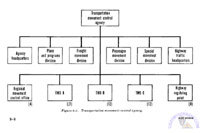
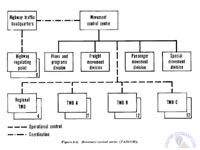
| (2) When employed in a theater that has a transportation command, the transportation command ACofS, Movements, is designated chief of the TASCOM MCC. In this situation, the MCC operates under the direct control and management of the transportation command ACofS, Movements, and is an extension of his office. However, as the transportation command headquarters and the MCC are not collocated, the ACofS, Movements, normally designates a deputy to Coordinate the actions of the MCC and to make sure that his policies are carried out. The presence of the deputy at the MCC does not preclude direct contact between the MCC division chiefs or the regional transportation movements offices (RTMO's) and the ACofS, Movements. (3) The agency headquarters provides housekeeping and administrative services for the MCC and the traffic headquarters. The agency headquarters commander is responsible for unit disciplinary actions on all enlisted personnel to include those assigned to RTMO's, transportation movements offices (TMO's), and highway regulating points (HRP's) and for assuring that field teams are provided mess and maintenance support.(4) The TASCOM highway traffic headquarters operates under the supervision of the transportation command ACofS, Movements. Engineer, communications, civil affairs, or other service officers may be attached by the TASCOM commander to the highway traffic headquarters on a mission or on an as-required basis. Collocation of the MCC and highway traffic headquarters is desirable.(5) The RTMO's and TMO's A, B, and C are under the operational control of the MCC. The RTMO's report directly to the chief of the MCC and, by supervising the activities of the TMO's assigned to regions, they reduce the span of control of the chief of the MCC to manageable proportions.(6) HRP teams are under the operational control of the highway traffic headquarters. They are stationed at critical locations on the highway net to carry out the traffic regulating plan.d. Capabilities. The movement control agency is capable of(1) Providing personnel and equipment required to operate the TASCOM MCC and highway traffic headquarters, including the necessary field teams.(2) Providing housekeeping and administrative services for the MCC and traffic headquarters to include disciplinary actions for all enlisted personnel assigned to the agency.e. Location. The headquarters of the movement control agency is so located that trips to and from the transportation command headquarters can be made quickly with ground transportation. However, it is far enough from the transportation command headquarters and the ADP element to minimize simultaneous damage to all of these critical facilities. 2-3. Theater Army Support Command Movement Control Center a. General. The TASCOM MCC normally is established as an element of the staff of the transportation command ACofS, Movements. It provides an activity which balances and coordinates the capabilities of the shipping, transporting, and receiving activities to provide a responsive transportation system capable of satisfying the TASCOM commander's movement requirements. The MCC acts as the nerve center of the entire TASCOM transportation system through its planning and day-to-day transportation movements management.b. Mission. The mission of the MCC is to provide movements management services for TASCOM. These services include negotiating for and procuring allied and host nation transportation, recommending movements management procedures, providing a smooth-working interface with CONUS (continental United States) and field army transportation activities, and operating the theater CONEX (container express) and rollon/roll-off trailer control agencies.c. Organization. As shown in figure 2-2, the MCC is composed of the plans and programs, freight movement, passenger movement, and special movement divisions. The MCC is supported by the agency headquarters. The chief of the MCC (transportation command ACofS, Movements) has direct access to and control of the RTMO's, which he exercises through his staff divisions of the MCC.(1) The chief of the MCC plans, supervises, and directs the activities therein. He establishes standards for all movements activities and controls and manages operations to provide for movements support in conformity with policies and decisions of higher headquarters.(2) The plans and programs division is responsible for developing, coordinating, publishing, and distributing the movements program and, as directed, for preparing transportation movements plans and annexes in support of TASCOM logistic or contingency plans. New or modified directives issued by the commander of the theater, the theater army, TASCOM, or the transportation command are reviewed by the division to determine their effect on the movements system. The division recommends procedures for implementing these directives and prepares supplementing directives as required. This office exercises management and comptroller type functions, as required, for the MCC or the movement control agency.(3) The freight movement and passenger movement divisions monitor the execution of the movements program. Based on special guidance from higher headquarters and on movement status and movement requests received, they recommend changes to the movements program, where additional TMO's are required, or where a probable relocation of transport mcde operating units would be advantageous. These divisions also have responsibility for manually processing as exceptions those movements actions which are outside ADP machine program parameters.(4) The special movement division is responsible for operating the theater CONEX and rollon/roll-off trailer control agencies, for allocating the use of scarce special purpose equipment to various lifts, for coordinating large unit movements involving both personnel and equipment, for coordinating and monitoring the movement of special ammunition, and for arranging and monitoring such other special movements as may arise from time to time that require close supervision or monitoring. d Location. The MCC is located as outlined in paragraph 2-2e for the movement control agency.e. Communications. Efficient traffic management demands prompt transmission of information and instructions; therefore, a reliable signal communications system is mandatory. With subordinate offices and teams dispersed over the entire COMMZ, the problem becomes more complex because of the increased distances between the headquarters and its subordinate elements. The theater operations signal command provides access facilities (radio relay and wire carrier) for each transportation movements activity which requires access to the theater area communications system (TACS). When for any reason TACS cannot adequately support the movement control organization, the theater commander may authorize the attachment of appropriate signal teams organized under TOE 11-500.(1) The MCC and each RTMO have a radio set such as an AN/VRC-46, which permits entry into the radio wire integration system (RWI) of a major headquarters if necessary and if located within operating range.(2) Each of the field offices and the MCC may have an electric typewriter capable of transmitting directly over wire facilities or receiving or transmitting punched paper tapes or edge-punched cards. Tape-to-card converters give the machine the additional capability of receiving and transmitting conventional hole-punched cards such as the transportation control and movement document punchcard formats. The MCC uses a display unit in conjunction with the electric typewriter.(3) Common user telephone is provided at the MCC and at each field office for contact with local users of transport, transport mode operators, and supporting and supported activities.(4) The computer serving the MCC is equipped to receive and transmit items of information essential to movements management.(a) The MCC computer has computer-to-computer links with computer centers at FASCOM, the personnel and administration center of the TASCOM personnel command, and the TASCOM materiel management center (MMC). It is also linked with the Military Traffic Management and Terminal Service (MTMTS) in CONUS.(b) TMO's may have transceived links to the MCC.(c) Transceiver facilities will be provided by the appropriate signal operations company supporting the major headquarters of TASCOM. Standard links are used by other units in the TASCOM area. Keyboard inquiry devices and high speed hard copy printers are provided theater army, TASCOM, and transportation command headquarters.2-4. Transportation Movements Offices a. General. The MCC chief is charged with managing the movement capability of the TASCOM transportation system. To obtain effective field coverage of transportation movements, that portion of the COMMZ through which the transportation system runs is divided into transportation movements regions. The number and site of the regions vary with the volume and complexity of movements, the number of critical areas, and the geographical spread of the transportation system. Regional boundaries do not necessarily coincide with political boundaries, nor with geographical boundaries established by other military elements. Branch or district TMO's are established within each region. The RTMO's are responsible to the MCC for controlling and supervising all those movements matters pertaining to that portion of the interzonal transportation system which passes through their respective territorial areas. The district TMO's usually have subareas of responsibility. TMO's may be responsible for the movements activities for a single installation or activity or for a small area. b. Mission. The mission of the TMO is to act as a coordinator between users and transport mode operators and to assist commanders in carrying out movements, both programed and nonprogramed.c. Organization. TMO's are organized under their respective TOE to meet anticipated needs and functions over a wide range of conditions; however, each individual office must be staffed to meet the needs of its particular location. Generally, the office will be organized into.two primary sections, freight and passenger. The activities of these sections complement the needs of the MCC. The sections prepare and maintain records and submit reports to higher, adjacent, and lower headquarters on the transportation situation, requirements, and capabilities and the carrying out of movements within their respective areas. These sections receive and process transportation requests from the users of transportation and prepare the worksheets used on movements actions and requests which are used for data processing. They receive and process reports of shipments and perform other duties delegated by the chief of the branch or region to accomplish the functions listed in chapter 7.d. Capabilities. The capability of each TMO is dependent upon the particular TOE paragraph under which it is organized. Each is capable of providing, within its size and communications limitations, 24-hour supervision, coordination, and monitoring of the movements program for the activity or area which it supports. The TMO is capable of maintaining status information on shipments, investigating and taking necessary action to avoid delays in movements, and preparing movement instructions.e. Location. The exact site for establishment of a TMO can be effectively selected only after proper analysis of the functions to be performed by the office and after a personal reconnaissance of the transportation and geographic characteristics of the area. The reconnaissance includes the availability of adequate facilities for assigned personnel and of signal communications. A central location which allows close and constant coordination with the installations and units to be served and with transport mode operators is considered ideal.(1) The movement control agency headquarters commander is responsible for arranging billet
and office space and for mess, supply, maintenance, and mail support for the TMO's. Usually,
arrangements are made through the RTMO with
the area support group in accordance with command procedures. As the team must operate 24
hours each day, consideration must be given to
distances and facilities for movement between theoffice and billet and to .providing for meals at other. than regular mealtime hours. (2) If inadequacy of facilities or distances from the job make it impractical to attach TMO personnel to a nearby unit or installation for messing or quartering, local facilities may be used. Use of local facilities must be in accordance with established command policy, and care must be exercised to assure that the desired standards of adequacy, cleanliness, and performance exist at all times.(3) Once the office has been located and established, appropriate signs are erected outside the office and at strategic points in the vicinity of the office. The signs will be prepared in accordance with STANAG 2169, Identification of Movements Personnel and Offices (app L) and will be erected in accordance with local standing operating procedures.f. Communications. Communications equipment organic to TMO's in the field consists of telephones and land line teletypewriter and may have input-output devices for the MCC computer, as appropriate. If these communications are inadequate of insufficient in quantity, additional communications equipment may be obtained from an authorization document (modified TOE) resulting from a coordinated communications plan. |
|||||||||||||||||||||||||||||||||||||||||||||||||||||||||||||||||||||||||||||||||||||||||||||||||||||||||||||||||||||||||||||||||||||||||||||||||||||||||||||||||||||||||||||||||||||||||||||||||||||||||||||||||||||||||||||||||||||||||||||||||||||||||||||||||||||||||||||||||||||||||||||||||||||||||||||||||||||||||||||||||||||||||||||||||||||||||||||||||||||||||||||
|
|||||||||||||||||||||||||||||||||||||||||||||||||||||||||||||||||||||||||||||||||||||||||||||||||||||||||||||||||||||||||||||||||||||||||||||||||||||||||||||||||||||||||||||||||||||||||||||||||||||||||||||||||||||||||||||||||||||||||||||||||||||||||||||||||||||||||||||||||||||||||||||||||||||||||||||||||||||||||||||||||||||||||||||||||||||||||||||||||||||||||||||
|
|
|||||||||||||||||||||||||||||||||||||||||||||||||||||||||||||||||||||||||||||||||||||||||||||||||||||||||||||||||||||||||||||||||||||||||||||||||||||||||||||||||||||||||||||||||||||||||||||||||||||||||||||||||||||||||||||||||||||||||||||||||||||||||||||||||||||||||||||||||||||||||||||||||||||||||||||||||||||||||||||||||||||||||||||||||||||||||||||||||||||||||||||
| 1980s | |||||||||||||||||||||||||||||||||||||||||||||||||||||||||||||||||||||||||||||||||||||||||||||||||||||||||||||||||||||||||||||||||||||||||||||||||||||||||||||||||||||||||||||||||||||||||||||||||||||||||||||||||||||||||||||||||||||||||||||||||||||||||||||||||||||||||||||||||||||||||||||||||||||||||||||||||||||||||||||||||||||||||||||||||||||||||||||||||||||||||||||
| Theater Movement Control in late 1980s | |||||||||||||||||||||||||||||||||||||||||||||||||||||||||||||||||||||||||||||||||||||||||||||||||||||||||||||||||||||||||||||||||||||||||||||||||||||||||||||||||||||||||||||||||||||||||||||||||||||||||||||||||||||||||||||||||||||||||||||||||||||||||||||||||||||||||||||||||||||||||||||||||||||||||||||||||||||||||||||||||||||||||||||||||||||||||||||||||||||||||||||
| 1985 | |||||||||||||||||||||||||||||||||||||||||||||||||||||||||||||||||||||||||||||||||||||||||||||||||||||||||||||||||||||||||||||||||||||||||||||||||||||||||||||||||||||||||||||||||||||||||||||||||||||||||||||||||||||||||||||||||||||||||||||||||||||||||||||||||||||||||||||||||||||||||||||||||||||||||||||||||||||||||||||||||||||||||||||||||||||||||||||||||||||||||||||
| (Source: USAREUR Reg 55-1, 29 Jan 1985) | |||||||||||||||||||||||||||||||||||||||||||||||||||||||||||||||||||||||||||||||||||||||||||||||||||||||||||||||||||||||||||||||||||||||||||||||||||||||||||||||||||||||||||||||||||||||||||||||||||||||||||||||||||||||||||||||||||||||||||||||||||||||||||||||||||||||||||||||||||||||||||||||||||||||||||||||||||||||||||||||||||||||||||||||||||||||||||||||||||||||||||||
|
|||||||||||||||||||||||||||||||||||||||||||||||||||||||||||||||||||||||||||||||||||||||||||||||||||||||||||||||||||||||||||||||||||||||||||||||||||||||||||||||||||||||||||||||||||||||||||||||||||||||||||||||||||||||||||||||||||||||||||||||||||||||||||||||||||||||||||||||||||||||||||||||||||||||||||||||||||||||||||||||||||||||||||||||||||||||||||||||||||||||||||||
| 1992 | |||||||||||||||||||||||||||||||||||||||||||||||||||||||||||||||||||||||||||||||||||||||||||||||||||||||||||||||||||||||||||||||||||||||||||||||||||||||||||||||||||||||||||||||||||||||||||||||||||||||||||||||||||||||||||||||||||||||||||||||||||||||||||||||||||||||||||||||||||||||||||||||||||||||||||||||||||||||||||||||||||||||||||||||||||||||||||||||||||||||||||||
| (Source: Appendix B: United States European Command, Movement Control in a Theater of Operations, DA, 1992) | |||||||||||||||||||||||||||||||||||||||||||||||||||||||||||||||||||||||||||||||||||||||||||||||||||||||||||||||||||||||||||||||||||||||||||||||||||||||||||||||||||||||||||||||||||||||||||||||||||||||||||||||||||||||||||||||||||||||||||||||||||||||||||||||||||||||||||||||||||||||||||||||||||||||||||||||||||||||||||||||||||||||||||||||||||||||||||||||||||||||||||||
| UNITED STATES EUROPEAN COMMAND This appendix implements STANAGs 2023, 2025 2026 2154, 2155, 2156, 2158, 2159 2165, 2166, 2171, 2173, 2174, 2175, 2176, 2832, 2890, 2943, and 3631. B-1. INTRODUCTION a. This appendix outlines movement control organizations and procedures within the United States European Command (USEUCOM) area of responsibility, focusing on the North Atlantic Treaty Organization (NATO) countries in the central European region. b. The USEUCOM mission is to support US interests throughout its area of responsibility, provide combat ready forces to NATO, and to support other CINCs as directed by the national command authority. c. The USEUCOM area of responsibility is large and diverse. It encompasses 13 million square miles, extends from Norway to the south of Africa (less the area assigned to USCENTCOM), and includes 76 countries (Figure B-1). Within the central European region of NATO, the USEUCOM area of responsibility includes Germany, Belgium, Luxembourg, Netherlands, Denmark, Italy, France, and the United Kingdom. Figure B-2 shows METT-T factors that impact on movement control operations in these countries. B-2. COMMAND RELATIONSHIPS a. The United States Army, Europe (USAREUR), located in Heidelberg, Germany, is the Army component command of USEUCOM. Most US Army forces stationed in the USEUCOM area of responsibility are assigned to USAREUR. b. USAREUR's movement manager is the 1st TMCA headquartered in Oberursel, Germany. It operates under the staff supervision of the assistant DCSLOG, USAREUR. The 1st TMCA supports US forces in northern, central, and southern Europe. The 1st TMCA performs theater TAMCA functions. c. USAREUR's mode operator is the 37th TRANSCOM headquartered at Kaiserslautern, Germany. The 37th TRANSCOM is assigned to the 21st TAACOM. The 1st TMCA exercises committal authority over transportation assets of the 37th TRANSCOM. The 37th TRANSCOM commands three subordinate transportation battalions and one civilian support center. (1) The 28th Transportation Battalion, headquartered in Mannheim, has three medium truck companies, one HET company, one POL truck company, and one TTP. The 53d Transportation Battalion, headquartered in Kaiserslautern, has four medium truck companies (one located in Pirmasens) and one TTP. The 106th Transportation Battalion, headquartered in Ruesselsheim, has four medium truck companies operating out of Fuerth, Giessen, Ruesselsheim, and Bremerhaven and four TTPs located at Fuerth, Bremerhaven, Giessen, and Rhein Main Air Base.(2) The 6966th Civilian Support Center, headquartered in Kaiserslautern, has three medium truck companies operating out of Kaiserslautern and Idar-Oberstein; one HET in Mannheim, one refrigerated van company in Kaiserslautern, and two TTPs in Kaiserslautern. d. MTMC Europe, a subordinate command of MTMC, operates common-user ocean terminals in direct support of USEUCOM. These terminals currently are located in Bremerhaven and Nordenham, Germany; Rotterdam, Netherlands; Leghorn, Italy; Izmir, Turkey; Cadiz, Spain; Lajes Field, Azores; Piraeus, Greece; and Felixstowe, UK. MTMC Europe can open military terminals at other locations based on operational requirements. B-3. MOVEMENT CONTROL ORGANIZATIONS Figure B-3 shows the organization of the 1st TMCA. It has three transportation battalions (MC) and two movement regions assigned. The 3d Movement Region is collocated with the headquarters. a. The 4th Movement Region is located at Royal Air Force (RAF) Mildenhall, United Kingdom (UK). During peacetime, it is known as the 4th Movement Region Control Team. It coordinates all wartime US transportation and movement requirements within the UK. b. The 14th Transportation Battalion (MC), headquartered in Vicenza, Italy, performs movement control functions within the southern region (Figure B-4). Peacetime responsibilities involve movement control services in Italy, and a planning cell in Turkey. c. The 27th Transportation Battalion (MC), headquartered in Bremerhaven, performs movement control functions for the northern region. Its area of responsibility encompasses the northern sector of Germany as far south as Cologne, to Belgium, the Netherlands, and Denmark. The battalion's three MCTs are located at Rotterdam, Bremerhaven, and Moenchengladbach. The 27th Transportation Battalion serves as the primary interface with MTMC-Europe on cargo entering the theater through the ports of Bremerhaven, Nordenham, and Rotterdam. Figure B-5 shows its area of responsibility. d. The 39th Transportation Battalion (MC), headquartered in Kaiserslautern, performs movement control functions for the central region. Its area of responsibility encompasses the central and southwestern portion of Germany, joining the boundaries of the 27th Transportation Battalion to the north, and the 502d Corps MCC to the east, and the Swiss border to the south. The battalion's MCTs are located in Baumholder, Stuttgart, Kaiserslautern, and Mannheim. It also commands ATMCTs located at Ramstein and Rhine Main Air Base. e. The 502d MCC is assigned to V Corps. It performs movement control functions for the V Corps area of responsibility. The center's MCT's are located in Nuremberg and Frankfurt (Figure B-5). f. Within the European theater, MCTs have theater-unique teams assigned to them. They include the -- (1) Branch movement control team (BMCT). BMCTs are the smallest movement control elements providing movement control on an area basis. BMCTs are assigned to specific location support, such as depots, TTPs, or trailer terminals. BMCTs provide interface with the consilmor, consignee, and mode operator. (2) Highway movement control team (HMCT). HMCTs are responsible for coordinating US forces' use of HN road networks. HMCTs are collocated with the German Verkehrskommandtur (transportation commander's) office.(3) Rail movement management team (RMMT). RMMTs are responsible for the control of US forces' cargo and passengers moving via the German federal railroad (Deutsche Bundesbahn (DB)).B-4. COMMUNICATIONS a. Daily business is accomplished through a series of communications systems that include the Defense Switched Network (DSN), European Telephone System (ETS), commercial telephone service, direct link with HN railway telephone system, Defense Data Network (DDN), telex, and the Standard Theater Army Command and Control System (STACCS). b. Secure communications system includes secure telephone (STU III), radio telephone/teletype (mobile) (RATT), Worldwide Military Command and Control System (WWMCCS), KL43, and FAX (secure). |
|||||||||||||||||||||||||||||||||||||||||||||||||||||||||||||||||||||||||||||||||||||||||||||||||||||||||||||||||||||||||||||||||||||||||||||||||||||||||||||||||||||||||||||||||||||||||||||||||||||||||||||||||||||||||||||||||||||||||||||||||||||||||||||||||||||||||||||||||||||||||||||||||||||||||||||||||||||||||||||||||||||||||||||||||||||||||||||||||||||||||||||
| (B-5 to B-10 left out purposely) | |||||||||||||||||||||||||||||||||||||||||||||||||||||||||||||||||||||||||||||||||||||||||||||||||||||||||||||||||||||||||||||||||||||||||||||||||||||||||||||||||||||||||||||||||||||||||||||||||||||||||||||||||||||||||||||||||||||||||||||||||||||||||||||||||||||||||||||||||||||||||||||||||||||||||||||||||||||||||||||||||||||||||||||||||||||||||||||||||||||||||||||
|
|||||||||||||||||||||||||||||||||||||||||||||||||||||||||||||||||||||||||||||||||||||||||||||||||||||||||||||||||||||||||||||||||||||||||||||||||||||||||||||||||||||||||||||||||||||||||||||||||||||||||||||||||||||||||||||||||||||||||||||||||||||||||||||||||||||||||||||||||||||||||||||||||||||||||||||||||||||||||||||||||||||||||||||||||||||||||||||||||||||||||||||
| Related Links: | |||||||||||||||||||||||||||||||||||||||||||||||||||||||||||||||||||||||||||||||||||||||||||||||||||||||||||||||||||||||||||||||||||||||||||||||||||||||||||||||||||||||||||||||||||||||||||||||||||||||||||||||||||||||||||||||||||||||||||||||||||||||||||||||||||||||||||||||||||||||||||||||||||||||||||||||||||||||||||||||||||||||||||||||||||||||||||||||||||||||||||||
 Transportation Historian website US Army Transportation Regiment and Corps  |
|||||||||||||||||||||||||||||||||||||||||||||||||||||||||||||||||||||||||||||||||||||||||||||||||||||||||||||||||||||||||||||||||||||||||||||||||||||||||||||||||||||||||||||||||||||||||||||||||||||||||||||||||||||||||||||||||||||||||||||||||||||||||||||||||||||||||||||||||||||||||||||||||||||||||||||||||||||||||||||||||||||||||||||||||||||||||||||||||||||||||||||
|
|||||||||||||||||||||||||||||||||||||||||||||||||||||||||||||||||||||||||||||||||||||||||||||||||||||||||||||||||||||||||||||||||||||||||||||||||||||||||||||||||||||||||||||||||||||||||||||||||||||||||||||||||||||||||||||||||||||||||||||||||||||||||||||||||||||||||||||||||||||||||||||||||||||||||||||||||||||||||||||||||||||||||||||||||||||||||||||||||||||||||||||
|
|||||||||||||||||||||||||||||||||||||||||||||||||||||||||||||||||||||||||||||||||||||||||||||||||||||||||||||||||||||||||||||||||||||||||||||||||||||||||||||||||||||||||||||||||||||||||||||||||||||||||||||||||||||||||||||||||||||||||||||||||||||||||||||||||||||||||||||||||||||||||||||||||||||||||||||||||||||||||||||||||||||||||||||||||||||||||||||||||||||||||||||
|
|||||||||||||||||||||||||||||||||||||||||||||||||||||||||||||||||||||||||||||||||||||||||||||||||||||||||||||||||||||||||||||||||||||||||||||||||||||||||||||||||||||||||||||||||||||||||||||||||||||||||||||||||||||||||||||||||||||||||||||||||||||||||||||||||||||||||||||||||||||||||||||||||||||||||||||||||||||||||||||||||||||||||||||||||||||||||||||||||||||||||||||
 .
.