| If you do
NOT see the Table of Contents frame to the left of this page, then
Click here to open 'USArmyGermany' frameset |
||||||||||||||||||||||||||||||||||||||||||||||||||||||||||||||||||||||||||||||||||||||||||||||||||||||||||||||||||||||||||||||||||||||||||||||||||||||||||||||||||||||||||||||||||||||||||||||||||||||||||||||||||||||||||||||||||||||||||||||||||||||||||||||||||||||||||||||||||||||||||||||||||||||||||||
|
Signal Division |
||||||||||||||||||||||||||||||||||||||||||||||||||||||||||||||||||||||||||||||||||||||||||||||||||||||||||||||||||||||||||||||||||||||||||||||||||||||||||||||||||||||||||||||||||||||||||||||||||||||||||||||||||||||||||||||||||||||||||||||||||||||||||||||||||||||||||||||||||||||||||||||||||||||||||||
|
|
||||||||||||||||||||||||||||||||||||||||||||||||||||||||||||||||||||||||||||||||||||||||||||||||||||||||||||||||||||||||||||||||||||||||||||||||||||||||||||||||||||||||||||||||||||||||||||||||||||||||||||||||||||||||||||||||||||||||||||||||||||||||||||||||||||||||||||||||||||||||||||||||||||||||||||
|
||||||||||||||||||||||||||||||||||||||||||||||||||||||||||||||||||||||||||||||||||||||||||||||||||||||||||||||||||||||||||||||||||||||||||||||||||||||||||||||||||||||||||||||||||||||||||||||||||||||||||||||||||||||||||||||||||||||||||||||||||||||||||||||||||||||||||||||||||||||||||||||||||||||||||||
|
|
||||||||||||||||||||||||||||||||||||||||||||||||||||||||||||||||||||||||||||||||||||||||||||||||||||||||||||||||||||||||||||||||||||||||||||||||||||||||||||||||||||||||||||||||||||||||||||||||||||||||||||||||||||||||||||||||||||||||||||||||||||||||||||||||||||||||||||||||||||||||||||||||||||||||||||
| Major Radio Relay Sites | ||||||||||||||||||||||||||||||||||||||||||||||||||||||||||||||||||||||||||||||||||||||||||||||||||||||||||||||||||||||||||||||||||||||||||||||||||||||||||||||||||||||||||||||||||||||||||||||||||||||||||||||||||||||||||||||||||||||||||||||||||||||||||||||||||||||||||||||||||||||||||||||||||||||||||||
|
||||||||||||||||||||||||||||||||||||||||||||||||||||||||||||||||||||||||||||||||||||||||||||||||||||||||||||||||||||||||||||||||||||||||||||||||||||||||||||||||||||||||||||||||||||||||||||||||||||||||||||||||||||||||||||||||||||||||||||||||||||||||||||||||||||||||||||||||||||||||||||||||||||||||||||
 |
||||||||||||||||||||||||||||||||||||||||||||||||||||||||||||||||||||||||||||||||||||||||||||||||||||||||||||||||||||||||||||||||||||||||||||||||||||||||||||||||||||||||||||||||||||||||||||||||||||||||||||||||||||||||||||||||||||||||||||||||||||||||||||||||||||||||||||||||||||||||||||||||||||||||||||
|
|
||||||||||||||||||||||||||||||||||||||||||||||||||||||||||||||||||||||||||||||||||||||||||||||||||||||||||||||||||||||||||||||||||||||||||||||||||||||||||||||||||||||||||||||||||||||||||||||||||||||||||||||||||||||||||||||||||||||||||||||||||||||||||||||||||||||||||||||||||||||||||||||||||||||||||||
| The 1950s | ||||||||||||||||||||||||||||||||||||||||||||||||||||||||||||||||||||||||||||||||||||||||||||||||||||||||||||||||||||||||||||||||||||||||||||||||||||||||||||||||||||||||||||||||||||||||||||||||||||||||||||||||||||||||||||||||||||||||||||||||||||||||||||||||||||||||||||||||||||||||||||||||||||||||||||
| (Source: STATION LIST, March 1956) | ||||||||||||||||||||||||||||||||||||||||||||||||||||||||||||||||||||||||||||||||||||||||||||||||||||||||||||||||||||||||||||||||||||||||||||||||||||||||||||||||||||||||||||||||||||||||||||||||||||||||||||||||||||||||||||||||||||||||||||||||||||||||||||||||||||||||||||||||||||||||||||||||||||||||||||
|
||||||||||||||||||||||||||||||||||||||||||||||||||||||||||||||||||||||||||||||||||||||||||||||||||||||||||||||||||||||||||||||||||||||||||||||||||||||||||||||||||||||||||||||||||||||||||||||||||||||||||||||||||||||||||||||||||||||||||||||||||||||||||||||||||||||||||||||||||||||||||||||||||||||||||||
| (1) The 40th Sig Const Bn was replaced (Operation GYROSCOPE) by the 25th Sig Const Bn in late March or early April 1956 | ||||||||||||||||||||||||||||||||||||||||||||||||||||||||||||||||||||||||||||||||||||||||||||||||||||||||||||||||||||||||||||||||||||||||||||||||||||||||||||||||||||||||||||||||||||||||||||||||||||||||||||||||||||||||||||||||||||||||||||||||||||||||||||||||||||||||||||||||||||||||||||||||||||||||||||
| Radio Set AN/GRC-26 | ||||||||||||||||||||||||||||||||||||||||||||||||||||||||||||||||||||||||||||||||||||||||||||||||||||||||||||||||||||||||||||||||||||||||||||||||||||||||||||||||||||||||||||||||||||||||||||||||||||||||||||||||||||||||||||||||||||||||||||||||||||||||||||||||||||||||||||||||||||||||||||||||||||||||||||
| (Source: TM 11-264 Radio Set AN/GRC-26, Dec 1950) | ||||||||||||||||||||||||||||||||||||||||||||||||||||||||||||||||||||||||||||||||||||||||||||||||||||||||||||||||||||||||||||||||||||||||||||||||||||||||||||||||||||||||||||||||||||||||||||||||||||||||||||||||||||||||||||||||||||||||||||||||||||||||||||||||||||||||||||||||||||||||||||||||||||||||||||
|
||||||||||||||||||||||||||||||||||||||||||||||||||||||||||||||||||||||||||||||||||||||||||||||||||||||||||||||||||||||||||||||||||||||||||||||||||||||||||||||||||||||||||||||||||||||||||||||||||||||||||||||||||||||||||||||||||||||||||||||||||||||||||||||||||||||||||||||||||||||||||||||||||||||||||||
| Telephone Terminal System AN/TCC-7 | ||||||||||||||||||||||||||||||||||||||||||||||||||||||||||||||||||||||||||||||||||||||||||||||||||||||||||||||||||||||||||||||||||||||||||||||||||||||||||||||||||||||||||||||||||||||||||||||||||||||||||||||||||||||||||||||||||||||||||||||||||||||||||||||||||||||||||||||||||||||||||||||||||||||||||||
| (Source: TM 11-2150, Telephone Carrier Systems, Sept 1953) | ||||||||||||||||||||||||||||||||||||||||||||||||||||||||||||||||||||||||||||||||||||||||||||||||||||||||||||||||||||||||||||||||||||||||||||||||||||||||||||||||||||||||||||||||||||||||||||||||||||||||||||||||||||||||||||||||||||||||||||||||||||||||||||||||||||||||||||||||||||||||||||||||||||||||||||
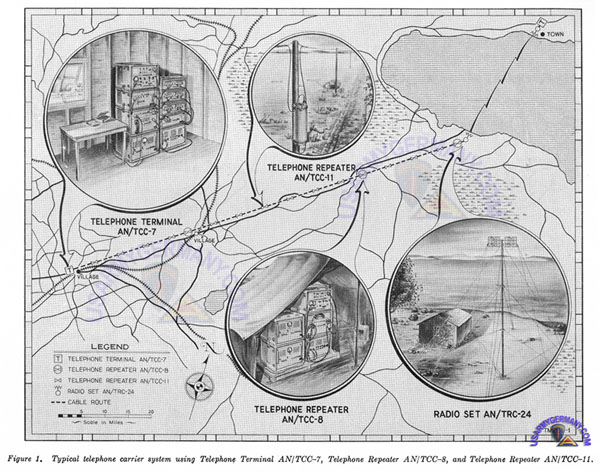 Typical Telephone Carrier System using AN/TCC-7 and AN/TCC-8 |
||||||||||||||||||||||||||||||||||||||||||||||||||||||||||||||||||||||||||||||||||||||||||||||||||||||||||||||||||||||||||||||||||||||||||||||||||||||||||||||||||||||||||||||||||||||||||||||||||||||||||||||||||||||||||||||||||||||||||||||||||||||||||||||||||||||||||||||||||||||||||||||||||||||||||||
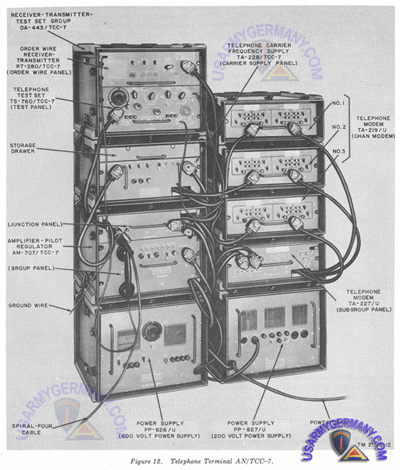 Telephone Terminal AN/TCC-7 |
||||||||||||||||||||||||||||||||||||||||||||||||||||||||||||||||||||||||||||||||||||||||||||||||||||||||||||||||||||||||||||||||||||||||||||||||||||||||||||||||||||||||||||||||||||||||||||||||||||||||||||||||||||||||||||||||||||||||||||||||||||||||||||||||||||||||||||||||||||||||||||||||||||||||||||
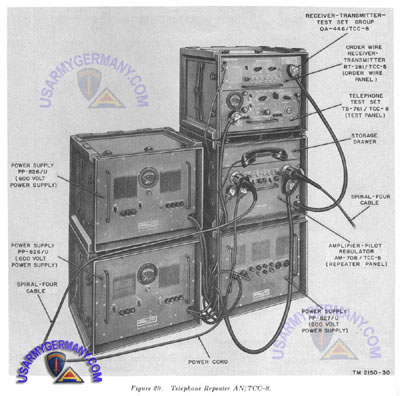 Telephone Repeater AN/TCC-8 |
||||||||||||||||||||||||||||||||||||||||||||||||||||||||||||||||||||||||||||||||||||||||||||||||||||||||||||||||||||||||||||||||||||||||||||||||||||||||||||||||||||||||||||||||||||||||||||||||||||||||||||||||||||||||||||||||||||||||||||||||||||||||||||||||||||||||||||||||||||||||||||||||||||||||||||
| (Source: TM 11-2150, Telephone Carrier Systems, September 1953) | ||||||||||||||||||||||||||||||||||||||||||||||||||||||||||||||||||||||||||||||||||||||||||||||||||||||||||||||||||||||||||||||||||||||||||||||||||||||||||||||||||||||||||||||||||||||||||||||||||||||||||||||||||||||||||||||||||||||||||||||||||||||||||||||||||||||||||||||||||||||||||||||||||||||||||||
|
||||||||||||||||||||||||||||||||||||||||||||||||||||||||||||||||||||||||||||||||||||||||||||||||||||||||||||||||||||||||||||||||||||||||||||||||||||||||||||||||||||||||||||||||||||||||||||||||||||||||||||||||||||||||||||||||||||||||||||||||||||||||||||||||||||||||||||||||||||||||||||||||||||||||||||
|
||||||||||||||||||||||||||||||||||||||||||||||||||||||||||||||||||||||||||||||||||||||||||||||||||||||||||||||||||||||||||||||||||||||||||||||||||||||||||||||||||||||||||||||||||||||||||||||||||||||||||||||||||||||||||||||||||||||||||||||||||||||||||||||||||||||||||||||||||||||||||||||||||||||||||||
| Signal Corps unit(s) assigned to Special Category Army with Air Force (SCARWAF) | ||||||||||||||||||||||||||||||||||||||||||||||||||||||||||||||||||||||||||||||||||||||||||||||||||||||||||||||||||||||||||||||||||||||||||||||||||||||||||||||||||||||||||||||||||||||||||||||||||||||||||||||||||||||||||||||||||||||||||||||||||||||||||||||||||||||||||||||||||||||||||||||||||||||||||||
| Webmaster note: in the late 1940s and early 1950s, there were US Army units in overseas commands that were specifically assigned to support the US Air Force in theater. Well known are the engineer aviation units that built, maintained and repaired the airfields for the Air Force. Among these Army units were other-than-engineer units that also performed support duties and were placed under Air Force command. One of them was the 438th Signal Aviation Heavy Construction Company. Were there others? If anyone has information (or photos) on the 438th or other Army units that supported USAFE in that time frame, I would like to hear about it. |
||||||||||||||||||||||||||||||||||||||||||||||||||||||||||||||||||||||||||||||||||||||||||||||||||||||||||||||||||||||||||||||||||||||||||||||||||||||||||||||||||||||||||||||||||||||||||||||||||||||||||||||||||||||||||||||||||||||||||||||||||||||||||||||||||||||||||||||||||||||||||||||||||||||||||||
| 438th Signal Aviation Heavy Construction Company | ||||||||||||||||||||||||||||||||||||||||||||||||||||||||||||||||||||||||||||||||||||||||||||||||||||||||||||||||||||||||||||||||||||||||||||||||||||||||||||||||||||||||||||||||||||||||||||||||||||||||||||||||||||||||||||||||||||||||||||||||||||||||||||||||||||||||||||||||||||||||||||||||||||||||||||
| (Source: STARS & STRIPES, May 16, 1954) | ||||||||||||||||||||||||||||||||||||||||||||||||||||||||||||||||||||||||||||||||||||||||||||||||||||||||||||||||||||||||||||||||||||||||||||||||||||||||||||||||||||||||||||||||||||||||||||||||||||||||||||||||||||||||||||||||||||||||||||||||||||||||||||||||||||||||||||||||||||||||||||||||||||||||||||
| A review was held recently at Landstuhl Air Base marking the end of the mission of the 438th Signal Aviation Heavy Construction Company.
More than 450 troops of the 19th Communications Sq (Air Force) and the 438th Signal Company passed in review at Landstuhl Air Base during a ceremony at which Brig Gen Daniel W. Jenkins bade farewell to the Army unit and welcomed the Air Force communications squadron that recently arrived in theater to replace it. On the reviewing stand with Jenkins, deputy commander of 12th AF, were Col George R. Bickell, commander of the 86th Fighter-Bomber Wing, Col Charles A. Thorpe, assistant chief, communications, 12th AF, and Lt Col Glenn R. Kraus, commander of the 2d Communications Gp. The 19th Commo Sq replaces the 438th, a Special Category Army with Air Force (SCARWAF) unit, which had been attached to 12th AF for communication construction during the build-up in the French Zone. The letter read in part: "Your unit has the distinction of contributing materially to the combat effectiveness of this command and the effectiveness of NATO during the build-up of the preparatory phase for defense of Western Europe. "I fully realize that in many instances the tasks of your unit were accomplished under extreme adverse living and weather conditions and accomplishment of these duties has required ingenuity and forcefulness in coping with major technical problems peculiar to foreign equipment and materials." All personnel of the 438th are being reassigned to Army units in the European theater. The company was assigned to 12th AF in January 1951 and constructed communication facilities at several Air Force installations in the French Zone. The 19th Communications Sq arrived recently from Tinker AFB, Okla., where it was activated and trained. It is commanded by Capt Thomas B. Coddingham. |
||||||||||||||||||||||||||||||||||||||||||||||||||||||||||||||||||||||||||||||||||||||||||||||||||||||||||||||||||||||||||||||||||||||||||||||||||||||||||||||||||||||||||||||||||||||||||||||||||||||||||||||||||||||||||||||||||||||||||||||||||||||||||||||||||||||||||||||||||||||||||||||||||||||||||||
|
||||||||||||||||||||||||||||||||||||||||||||||||||||||||||||||||||||||||||||||||||||||||||||||||||||||||||||||||||||||||||||||||||||||||||||||||||||||||||||||||||||||||||||||||||||||||||||||||||||||||||||||||||||||||||||||||||||||||||||||||||||||||||||||||||||||||||||||||||||||||||||||||||||||||||||
| The 1960s | ||||||||||||||||||||||||||||||||||||||||||||||||||||||||||||||||||||||||||||||||||||||||||||||||||||||||||||||||||||||||||||||||||||||||||||||||||||||||||||||||||||||||||||||||||||||||||||||||||||||||||||||||||||||||||||||||||||||||||||||||||||||||||||||||||||||||||||||||||||||||||||||||||||||||||||
| Defense Communications Agency, European Area | ||||||||||||||||||||||||||||||||||||||||||||||||||||||||||||||||||||||||||||||||||||||||||||||||||||||||||||||||||||||||||||||||||||||||||||||||||||||||||||||||||||||||||||||||||||||||||||||||||||||||||||||||||||||||||||||||||||||||||||||||||||||||||||||||||||||||||||||||||||||||||||||||||||||||||||
 Defense Communications Agency Patch Defense Communications Agency Patch |
||||||||||||||||||||||||||||||||||||||||||||||||||||||||||||||||||||||||||||||||||||||||||||||||||||||||||||||||||||||||||||||||||||||||||||||||||||||||||||||||||||||||||||||||||||||||||||||||||||||||||||||||||||||||||||||||||||||||||||||||||||||||||||||||||||||||||||||||||||||||||||||||||||||||||||
| (Source: DISA-EUR web site, 1997) | ||||||||||||||||||||||||||||||||||||||||||||||||||||||||||||||||||||||||||||||||||||||||||||||||||||||||||||||||||||||||||||||||||||||||||||||||||||||||||||||||||||||||||||||||||||||||||||||||||||||||||||||||||||||||||||||||||||||||||||||||||||||||||||||||||||||||||||||||||||||||||||||||||||||||||||
| History of DISA-Europe (successor to DCA-Eur) 1960 Established as the Defense Area Communications Control Center, Europe (DACC-EUR) at Dreux Air Base, France. The mission was to exercise operational control of the Defense Communications System (DCS) within the European theater to support United States European Command (USEUCOM) in meeting the telecommunications requirements of the Department of Defense. 1969 Relocated to Patch Barracks, Stuttgart-Vaihingen, FRG. Operational control covered three Regional Control Operational Centers (RCOC), one each in the United Kingdom, Spain and Turkey. 1975 Established Field Offices in Germany, Greece, Italy and England and dis-established the RCOC's. 1983 Centralized management of the DCS by disbanding the Field Offices and transferred all functions to Patch Barracks. 1984 Based on the need for a Joint US Military Mission for Aid to Turkey, the DCA-Turkey Field Office was opened. The mission of DCA-Europe expanded from support of USEUCOM to include support of the US Central Command (USCENTCOM). 1991 The Defense Communications Agency was redesignated the Defense Information Systems Agency (DISA). |
||||||||||||||||||||||||||||||||||||||||||||||||||||||||||||||||||||||||||||||||||||||||||||||||||||||||||||||||||||||||||||||||||||||||||||||||||||||||||||||||||||||||||||||||||||||||||||||||||||||||||||||||||||||||||||||||||||||||||||||||||||||||||||||||||||||||||||||||||||||||||||||||||||||||||||
| (Source: Email from Lee Hersey) | ||||||||||||||||||||||||||||||||||||||||||||||||||||||||||||||||||||||||||||||||||||||||||||||||||||||||||||||||||||||||||||||||||||||||||||||||||||||||||||||||||||||||||||||||||||||||||||||||||||||||||||||||||||||||||||||||||||||||||||||||||||||||||||||||||||||||||||||||||||||||||||||||||||||||||||
|
||||||||||||||||||||||||||||||||||||||||||||||||||||||||||||||||||||||||||||||||||||||||||||||||||||||||||||||||||||||||||||||||||||||||||||||||||||||||||||||||||||||||||||||||||||||||||||||||||||||||||||||||||||||||||||||||||||||||||||||||||||||||||||||||||||||||||||||||||||||||||||||||||||||||||||
DEFENSE COMMUNICATIONS AGENCY, EUROPEAN AREA HISTORICAL SUMMARY, MARCH 1961 THROUGH JUNE 1965 |
||||||||||||||||||||||||||||||||||||||||||||||||||||||||||||||||||||||||||||||||||||||||||||||||||||||||||||||||||||||||||||||||||||||||||||||||||||||||||||||||||||||||||||||||||||||||||||||||||||||||||||||||||||||||||||||||||||||||||||||||||||||||||||||||||||||||||||||||||||||||||||||||||||||||||||
| On 3 March 1961, the Deputy Secretary of Defense in a Memorandum for the Chairman, Joint Chiefs of Staff, Subject: "Plan for Exercising the Authority of the Chief, Defense Communications Agency" provided for the establishment of two Defense Area Communications Control Centers (DACCC's) during FY 1962. The DACCC's were to be in the European and Pacific Areas with the mission to provide field representation for the Chief, Defense Communications Agency (DCA), and to exercise operational control and supervision of the Defense Communications System (DCS) in their assigned geographical area.
The Director, DCA, Rear Admiral W.D. Irvin, USN, in a memorandum for the Chairman, Joint Chiefs of Staff, dated 13 March 1961, subject: "Establishment of the DCA Communications Control Centers in the European and Pacific Areas" submitted his plan for the activation of the two DACCC's. He recommended that DCA establish interim DACCC's on 1 June 1961 by assuming operational direction of the Department of the Air Force facilities identified as the European-Mediterranean Channel and Traffic Control Unit (EMCTCU) in Wiesbaden, Germany, and the Pacific Channel and Traffic Control Unit (PACTCU) in Hawaii. Effective 1 September 1961, permanent manually operated DACCC's were proposed at Dreux Air Base, France and Kunia Tunnel Annex, Oahu, Hawaii. As soon as practicable, after 1 September 1961, the European and Pacific DACCC's would be converted to semi-automatic operations. The Deputy Secretary of Defense on 2 May 1961 directed the implementation of the DCA plan. However, he withheld concurrence for the location of the European DACCC-E at Dreux Air Base pending investigation of the possibility of securing a more favorable location. A DCA team surveyed additional locations during the latter part of May 1961. A more suitable location for the Center could not be located and a follow-on memorandum from the Secretary dated 26 May 1961 approved Dreux Air Base as the permanent location of DACCC-E. The delay of nearly one month in designating the permanent location held up orders on personnel that were needed to augment the EMCTCU at Wiesbaden, the shipment of equipment and material and other actions required to establish the Center at Dreux. The activation date for establishing the interim Center at Wiesbaden was therefore changed to "during the month of June 1961." The initial DACCC-E cadre of key personnel from DCA consisting of Colonel G.A. Zahn, USAF, Chief; Lt Colonel E.R. Daniels, USMC, Deputy Chief; Commander (then LCdr) J.E. Butler, USN, Operations Officer and Miss J.D. Bushnell arrived Wiesbaden on 1 June 1961 to establish the interim DACCC-E. Headquarters was set up in the "lofts" of Building 07A at Wiesbaden Air Base. Expansion of EMTCU was initiated to accommodate the additional circuits and personnel to effectively direct the DCS in the European Area. The initial cadre at Wiesbaden was built up during June by the addition of MSGT D.L. Matson, SSGT J.R. Heimbach, SSGT L.R.E. Hersey, SSGT D.E. Hoskins, SFC C.J. Clark and SFC R.B. Walters of the U.S. Army; RMCM R.S. Burham, RM1 G.W. Kerber, RM1 R.D. Witt, MA1 J.W. Stutzman, RM1 R.D. Young and RM2 P.W. Savage of the U.S. Navy; and SSGT Reilly, USAF and five airmen of the USAF on TDY from the 12th Mobile Communications Squadron, AFCS. The interim DACCC-E activated at 2700012 June 1961 directing the communications activities of 23 Defense Communications Systems (DCS) reporting stations interconnected by 125 trunks. During the latter part of June and first part of July 1961, Captain D.C. Allen, USAF, YNCM H.H. Boyden, USN, and YN1 H.M. Smith, USN, arrived to open up DACCC-E at Dreux Air Base. An installation team from the U.S. Army Signal Engineering Agency augmented by personnel from the European Ground Electronics Engineering and Installation Agency (USAF) arrived in July to install a temporary Operations Center in Building 132. Army, Navy and Air Force personnel were assigned against the DACCC-E Joint Table of Distribution (JTD), which authorized 22 officers, 30 enlisted men and 8 civilians, continued to arrive at Dreux Air Base during July and August. DACCC-E closed out operations at Wiesbaden Air Base, Germany and established operations at Dreux Air Base, France at 01000A September 1961, as scheduled. The DCS Station Evaluation Program was initiated on 12 October 1961 when an evaluation team headed by Lt Col Daniels departed to evaluate DCS Stations Peshawar, Pakistan; Asmara, Ethiopia; Dhahran, Saudi Arabia; Incirlik, Karamursel Navy and Karamursel Air Force, Turkey. On 1 December 1961, the first major engineering task was assigned. The Director, DCA, charged DACCC-E with coordinating the field planning and implementing actions and assuring interface compatibility of the extensive tropospheric scatter facilities to be installed by the Army and the Air Force in connection with the DCA plan for the improvement of the US-NATO Communications. Requisite transmission engineering for all circuits allocated on DCS broadband systems with the European Area was also made the responsibility of DACCC-E on that date. Fourteen contract engineers and technicians from the Philco Corporation, under the leadership of Mr. W.L. McEver, arrived during the period 18 - 27 January 1962 to build up the Engineering Staff to cope with the new responsibilities. On 1 February 1962, the Transmission Engineering Branch was established. Modification of Building 143 to accommodate the permanent DACCC-E started on 1 March 1962. The modification under a French contractor included preparation of the building to accept the Increment II (computerized) control mechanism, refurbishing the office area and the installation of humidity and temperature control equipment, auxiliary and no-break power. The Secretary of Defense approved on 3 April 1962, DCA Communications Control Centers at communications hubs in the North Atlantic Area, United Kingdom, South Europe, Middle East, Southeast Asia and Far East. Subsequent siting surveys located the three European Centers called Defense Regional Communications Control Centers at Croughton RAF Station, England; Torrejon Air Base, Spain; and Ankara, Turkey. On its first anniversary, 27 June 1962, DACCC-E was operationally directing 33 DCS Stations interconnected by 297 DCS trunks. During October 1962, Headquarters DCA, was reorganized to provide for the Director, DCA, and three Deputy Directors; namely, Deputy Director for National Military Command System, Deputy Director for Communications Satellite Office, and Deputy Director for Defense Communications System. On 29 October 1962, Major General Alfred D. Starbird, USA, assumed command of the DCA replacing Rear Admiral W.D. Irvin, USN. On 30 October 1962, Major General Starbird was promoted to Lieutenant General. DACCC-E moved from its temporary Building 132 to its permanent home, Building 143, Dreux Air Base on 23 - 24 November 1962. On 26 November 1963, the Defense Communications Control Center, United Kingdom (DRCCC-UK) and the Defense Communications Control Center, Middle East and Africa (DRCCC-MEA) were activated. Commander Guy E. Noble, USN, was Chief, DRCCC-UK and Lt. Colonel Charles R. Bach, USAF, Chief of DRCCC-MEA. The Defense Communications Control Center, Spain, Italy and Africa (DRCCC-SIA), activated on 26 December 1962 with Colonel (then Lt. Col) Clark V. Telquist, USA, Chief. During a conference held at Headquarters US European Command (USEUCOM), on 17 December 1962 attended by USCINCEUR, Deputy USCINCEUR, Deputy J-6, JCS Deputy for DCS, DCA and Chief, DACCC-E, USCINCEUR approved the relocation of DACCC-E from Dreux Air Base to Camp des Loges, France. The DCA plan for the relocation was approved by the Secretary of Defense on 5 March 1963. The construction of the new Butler type building and associated air handling and emergency power was assigned to "C" Company, 553rd Engineer Battalion and the Quartermaster Refrigeration Team, both located at Orleans, France. Ground was broken for the new building on 6 May 1963. The name, Defense Area Communications Control Center, Europe (DACCC-E) was discarded and the more appropriate title, Defense Communications Agency, European Area (DCA-EUROPE) assigned as of 1 July 1963. The same order redesignated the Regional Centers to the Defense Communications Agency, United Kingdom Region (DCA-UK); Defense Communications Agency, Spain-Italy-Africa Region (DCA-SIA); and the Defense Communications Agency, Middle East Africa Region (DCA-MEA). DCA-EUROPE relocated from Dreux Air Base to Camp des Loges, France on the week end of 5-8 September 1963. Control operations were cut over to interim facilities at Camp des Loges at O8OOO1Z September 1963 and administrative operations opened at 0800 local 9 September 1963. During the latter part of 1963, DCA-EUROPE started to receive tasks on the installation of the DCS Automatic Voice Network (AUTOVON) which included 14 electronic switching facilities programmed for the European area. A team of Western Electric Engineers under Mr. William C. Schoenthaler, joined DCA-EUROPE in September 1963 to assist DCA in preparing the initial AUTOVON Network Configuration. During October, November and December siting for the switches was accomplished under the direction of DCA-EUROPE. In October 1963, Civil Service civilian manpower space authorizations were assigned to convert the on-board contract engineers and technician spaces (which then totaled 23 Philco and RCA personnel) to civil service positions. Conversion of on-board personnel and recruitment of new personnel was accomplished during the ensuing ninety days. A majority of the on-board contract personnel converted to Civil Service and remained with DCA-EUROPE. Installation of the Increment II control system consisting of an IBM 1410 computer, an automated system display and reporting and control communications terminal equipment started in November 1963. The computer and display installation was accomplished by an IBM team under the direction of Mr. Peter P. Piotrowski, IBM Systems Engineer, assigned DCA-EUROPE. The communications facility installation was accomplished by a team from the US Army Strategic Communications Command under Mr. Byron Wolverton. This marked Mr. Wolverton's third installation effort for DCA-EUROPE -- Buildings 132 and 143 at Dreux Air Base and the new installation at Camp des Loges. The Increment II control system installation was completed in February 1964 and placed under systems test in conjunction with similar systems at DCA-Pacific, DCA-Conus and the Defense Communications Agency Operations Center (DCAOC). The system was observed on 19 February 1964 during an Open House Ceremony attended by 280 guests including top staff members from USEUCOM, Supreme Headquarters Allied Powers Europe (SHAPE), and other commands in the Paris area, French dignitaries and DCA-EUROPE family members. On 1 April 1964, the Increment II system was operational. On 27 June 1964, the third anniversary, DCA-EUROPE had 40 DCS Stations and 2,260 trucks under its operational direction. On 1 July 1964, a new Joint Table of Distribution (JTD) became effective. DCA-EUROPE's increased responsibilities were recognized with an increase from 22 officers, 39 enlisted and 9 civilians to 21 officers, 43 enlisted and 29 civilians. Total strength was increased from 69 to 93. Initial tasks were received in mid-1964 for the implementation of the DCS Automatic Digital Network (AUTODIN). The program then included 3 electronic switching facilities within the European Area. Site surveys were conducted under the direction of DCA-EUROPE during September - December 1964. A team of Western Union Engineers under Mr. William Q. Sanders, joined DCA-EUROPE in November 1964 to assist in the preparation of the AUTODIN Network configuration. In January 1965, the Electronics System Division of the Air Force Systems Command (USAF) activated a Liaison office at DCA-EUROPE. Major M.E. Strange, USAF, was the first ESD Liaison Officer. On its fourth anniversary in 1965, DCA-EUROPE had 65 DCS Stations and 3,870 trunks under its operational control. In July 1965, Colonel Zahn was relieved as Chief, DCA-EUROPE by Colonel Howard E: McCormick, USAF. |
||||||||||||||||||||||||||||||||||||||||||||||||||||||||||||||||||||||||||||||||||||||||||||||||||||||||||||||||||||||||||||||||||||||||||||||||||||||||||||||||||||||||||||||||||||||||||||||||||||||||||||||||||||||||||||||||||||||||||||||||||||||||||||||||||||||||||||||||||||||||||||||||||||||||||||
| APPENDIX Because of an edict issued by the French Government in 1966, all American forces were required to be relocated out of France by 1 May 1967. Since DCA-EUROPE was now effectively collocated with Headquarters, US European Command, it was decided that the unit would be relocated with them at Patch Barracks, Vaihingen, Germany (and that the Seventy Army located there would be relocated elsewhere). This move (called FRELOC-French Relocation) came about in late 1966 and early 1967 while Colonel Howard E. McCormick, USAF (the second DCA-Europe chief) was in command. Major Carl G. Herrmann, US Army and Mr. Kaye Palmer were appointed as FRELOC Project Officers for DCA-EUROPE, and were the first to establish the DCA-Europe office at Patch Barracks. At Patch Barracks, the unit was initially housed on the third and fourth floors of pre-World War II vintage four story buildings which had been formerly used as troop housing and other purposes. Extensive modifications were required and were never really suitable for operations or administrative purposes. However, a couple years later a new building was made available for the unit at Patch Barracks. Sometime during this period (early 1970's maybe), the DCA-EUROPE regional offices at DCA-SIA and DCA-MEA were combined at Ankara, Turkey, and another regional office was established as DCA-Germany. A major organizational change occurred approximately June 1991 as the Defense Communications Agency was disbanded and reorganized as part of the Defense Information Systems Agency (DISA). The organization at Patch Barracks was redesignated as DISA-EUROPE. and is now (in 1995) commanded by Acting Commander Colonel Gene E. Schartzlow, USMC. |
||||||||||||||||||||||||||||||||||||||||||||||||||||||||||||||||||||||||||||||||||||||||||||||||||||||||||||||||||||||||||||||||||||||||||||||||||||||||||||||||||||||||||||||||||||||||||||||||||||||||||||||||||||||||||||||||||||||||||||||||||||||||||||||||||||||||||||||||||||||||||||||||||||||||||||
|
||||||||||||||||||||||||||||||||||||||||||||||||||||||||||||||||||||||||||||||||||||||||||||||||||||||||||||||||||||||||||||||||||||||||||||||||||||||||||||||||||||||||||||||||||||||||||||||||||||||||||||||||||||||||||||||||||||||||||||||||||||||||||||||||||||||||||||||||||||||||||||||||||||||||||||
|
||||||||||||||||||||||||||||||||||||||||||||||||||||||||||||||||||||||||||||||||||||||||||||||||||||||||||||||||||||||||||||||||||||||||||||||||||||||||||||||||||||||||||||||||||||||||||||||||||||||||||||||||||||||||||||||||||||||||||||||||||||||||||||||||||||||||||||||||||||||||||||||||||||||||||||
|
||||||||||||||||||||||||||||||||||||||||||||||||||||||||||||||||||||||||||||||||||||||||||||||||||||||||||||||||||||||||||||||||||||||||||||||||||||||||||||||||||||||||||||||||||||||||||||||||||||||||||||||||||||||||||||||||||||||||||||||||||||||||||||||||||||||||||||||||||||||||||||||||||||||||||||
| Defense Communications System (1960s) | ||||||||||||||||||||||||||||||||||||||||||||||||||||||||||||||||||||||||||||||||||||||||||||||||||||||||||||||||||||||||||||||||||||||||||||||||||||||||||||||||||||||||||||||||||||||||||||||||||||||||||||||||||||||||||||||||||||||||||||||||||||||||||||||||||||||||||||||||||||||||||||||||||||||||||||
| (Source: Various issues of SIGNAL, Journal of the AFCEA) | ||||||||||||||||||||||||||||||||||||||||||||||||||||||||||||||||||||||||||||||||||||||||||||||||||||||||||||||||||||||||||||||||||||||||||||||||||||||||||||||||||||||||||||||||||||||||||||||||||||||||||||||||||||||||||||||||||||||||||||||||||||||||||||||||||||||||||||||||||||||||||||||||||||||||||||
| The Defense Communications Agency was established in May 1960, primarily to manage the long-haul, point-to-point telecommunications lines of the Defense Communications System. The Agency's responsibilities were subsequently increased to include the technical development and technical support of the National Military Command System and the communications support of the World-Wide Command and Control System. In addition, it became responsible for the integrated development of the military telecommunications satellite system. In the 1940's and 50's, each of the three Armed Services developed their own long-haul, point-to-point communications systems (Army - STARCOM; Air Force - AIRCOMNET). These systems were largely incompatible and the equipment, procedures, operating practices, and engineering standards used varied between the three services. In the late 1950's, a growing awareness of the increasing operational and technical dependence between the services and an increasing congressional discontent over evidence of waste and inefficiencies in military communications areas led to the move to create a single managing authority over the long-haul, point-to-point communications of the three services and to merge the separate systems into a single integrated system. Thus the DCA was born. The Defense Communications System was established concurrently with the activation of the DCA. To manage the integrated network (DCS), an over-all communications control complex was created that was separate from the technical control arrangements that the three services alraedy had in place for their comunications systems. The Defense Communications Control Center Complex initially consisted of the Defense National Communications Control Center located in Washington, DC and area control centers located in the continental US, Hawaii, Alsaka and Europe (DACC-EUR at Dreuz Air Base, France). The experience gained by the DCA in the initail period demonstarted a need for further expansion of the control center concept which led to activation (between Oct-Dec 1962) of six regional control centers as subordinate elements of the area control centers (under DACC-EUR - England, Spain, Turkey). In July 1963, the area and regional control centers were redesignated. DCAA-EUR became known as the Defense Communications Agency-European Area. The three regional centers were redesignated as DCA-Regions. At the same time, the DNCCC was redesignated as the DCA Operations Center. These centers maintained status information on all DCS communications in their assigned areas of responsibility. On the basis of hourly station reports, instructions were issued to the Defense Communications Stations as indicated - e.g. rerouting of circuits to by-pass a trouble area, or reallocation of resources to meet unforeseen demands and emergencies. To be continuously aware of the communications activity surrounding them, each control center maintained a data base composed of all pertinent resources, including curcuits, channels, networks, contingency reserves, historical data concerning past utilization, reliability, efficiency of the resources, plus a knowledge of operational rules. Scheduled and special status reports together with answers to specific queries generated by the centers complement the data base and make possible the gathering of complete and current station and circuit conditions, and traffic status for the centers' areas of geographical responsibility. With the exception of the national center, each center conducts circuit and transmission engineering and in addition provides technical assistance to their respective stations and users. Such assistance may include recommendations for site location, terminal equipment, and maintenance improvements. The centers also monitor the adherence of their stations to established standards. Each regional center is being equipped with teletypewriter and voice terminal equipment, including a semi-automatic store-and-forward capability to facilitate status report delivery. The regional center is also equipped with a status display manually operated but adaptable for utilization of automatic sensing or computer drives. The system display portrays, by geographical relationships, the Defense Communications System stations and trunking of primary concern to the control center; a network display reflects the conditions of selected networks related to selected stations and trunking. A control console provides for the control of system, network, and projection displays. The installation of the regional communications status center equipment is being accomplished by Army and Air Force installation teams. |
||||||||||||||||||||||||||||||||||||||||||||||||||||||||||||||||||||||||||||||||||||||||||||||||||||||||||||||||||||||||||||||||||||||||||||||||||||||||||||||||||||||||||||||||||||||||||||||||||||||||||||||||||||||||||||||||||||||||||||||||||||||||||||||||||||||||||||||||||||||||||||||||||||||||||||
| STARCOM (Strategic Army Communications System) STARCOM (previously known as ACAN) was the global communications system of the Army in the early 1960s and, with the formation of the DCA, became part of the Defense Communications System. It consisted of long-haul, point-to-point radio, wire and cable facilities. The radio systems included high frequency, microwave line-of-sight, and tropospheric and inonospheric scatter modes. The global DCS facilities operated by the Army include relay stations located throughout the world. There are eight primary and thirty-four major relay stations in the Army STARCOM. Subscribers or users of the multipurpose, multichannel system are interconnected at the relay station. Communications to troubled areas (such as Lebanon in 1958, or Vietnam in early 1960s) may also be implemented with extensions from these relay stations. The US Army supports the DCA mission and the DCS in many ways. The support of DCA embraces the entire field of startegic communications, and broadly includes:  (a) Installing, operating and maintaining assigned DCS facilities; (b) Providing personnel, facilities, equipment, and other support required to maintain and operate the facilities and activities of the DCA; (c) Budgeting, funding and accounting for the assigned DCS elements; (d) Performing detailed engineering for assigned DCS responsibilities and tasks; (e) Developing and submitting Army DCS requirements to DCA; (f) Ground environmental support of the satellite communications program. (a) Installing, operating and maintaining assigned DCS facilities; (b) Providing personnel, facilities, equipment, and other support required to maintain and operate the facilities and activities of the DCA; (c) Budgeting, funding and accounting for the assigned DCS elements; (d) Performing detailed engineering for assigned DCS responsibilities and tasks; (e) Developing and submitting Army DCS requirements to DCA; (f) Ground environmental support of the satellite communications program. The STARCOM stations of the DCS provide a network that covers the free worls. The supporting facilities include message centers, switching centers, powerful radio transmitter stations and sensitive receiver stations. Major Relay Stations Some information relating to the European segment: The East Coast Relay Station at Fort Detrick, MD, is an automatic tape relay station. The station serves some 90 tributary stations along the East Coast and it has more than 70 direct trunk line connections to Europe, the Middle East, Eastern Africa, Puerto Rico, Panama and Hawaii, as well as the western relay stations in the US. The East Coast Radio Transmitter Station is located at Woodbridge, VA; the The East Coast Radio Receiver Station is at La Plata, MD. The oversea DCS stations operated by the Army are in Panama, Europe, East Africa, the Middle East, Southeast Asia, the Far East, the Pacific area and Alaska. |
||||||||||||||||||||||||||||||||||||||||||||||||||||||||||||||||||||||||||||||||||||||||||||||||||||||||||||||||||||||||||||||||||||||||||||||||||||||||||||||||||||||||||||||||||||||||||||||||||||||||||||||||||||||||||||||||||||||||||||||||||||||||||||||||||||||||||||||||||||||||||||||||||||||||||||
| In the (early) 1960s, (STARCOM Station) Pirmasens was connected with Fort Detrick, Maryland (East Coast Relay Station) through a four-channel, 60-word-per-minute, teletype carrier system via a 30 KW HF circuit. | ||||||||||||||||||||||||||||||||||||||||||||||||||||||||||||||||||||||||||||||||||||||||||||||||||||||||||||||||||||||||||||||||||||||||||||||||||||||||||||||||||||||||||||||||||||||||||||||||||||||||||||||||||||||||||||||||||||||||||||||||||||||||||||||||||||||||||||||||||||||||||||||||||||||||||||
|
||||||||||||||||||||||||||||||||||||||||||||||||||||||||||||||||||||||||||||||||||||||||||||||||||||||||||||||||||||||||||||||||||||||||||||||||||||||||||||||||||||||||||||||||||||||||||||||||||||||||||||||||||||||||||||||||||||||||||||||||||||||||||||||||||||||||||||||||||||||||||||||||||||||||||||
| (Source: DCS Primary Relay Station Drake, Japan Welcome Booklet, 1962; Assorted Army Acronyms and other Alphabet Soup of the 1950s and 1960s, by James Brendage and Three Years With ADA, by Leonard H. Anderson; these documents and other related information found on Harold Hallikainen's excellent web page "Saving History from the Dumpster" ) | ||||||||||||||||||||||||||||||||||||||||||||||||||||||||||||||||||||||||||||||||||||||||||||||||||||||||||||||||||||||||||||||||||||||||||||||||||||||||||||||||||||||||||||||||||||||||||||||||||||||||||||||||||||||||||||||||||||||||||||||||||||||||||||||||||||||||||||||||||||||||||||||||||||||||||||
|
||||||||||||||||||||||||||||||||||||||||||||||||||||||||||||||||||||||||||||||||||||||||||||||||||||||||||||||||||||||||||||||||||||||||||||||||||||||||||||||||||||||||||||||||||||||||||||||||||||||||||||||||||||||||||||||||||||||||||||||||||||||||||||||||||||||||||||||||||||||||||||||||||||||||||||
| I served at the Primary Signal Relay Center at Pirmasens, Germany, from January 1960 until May of 1963. We had a Classified Relay (Center) manned by the military with TS clearances, and a Crypto Section. Unclassified Relay Center, manned by Military and German Nationals. It was know as RUFP with Circuits to all Commands in Germany and RUEP in the Pentagon, RUQP in Asmara and other Major Relay Centers including Iran. A Facilities Control, Crypto and Teletype Maintenance Section. I was a Staff Sergeant in Tape Relay and then in the Crypto Section. |
||||||||||||||||||||||||||||||||||||||||||||||||||||||||||||||||||||||||||||||||||||||||||||||||||||||||||||||||||||||||||||||||||||||||||||||||||||||||||||||||||||||||||||||||||||||||||||||||||||||||||||||||||||||||||||||||||||||||||||||||||||||||||||||||||||||||||||||||||||||||||||||||||||||||||||
| AIRCOMNET (Air Force Communications Network) - moved to Air Force Communications in Europe Page | ||||||||||||||||||||||||||||||||||||||||||||||||||||||||||||||||||||||||||||||||||||||||||||||||||||||||||||||||||||||||||||||||||||||||||||||||||||||||||||||||||||||||||||||||||||||||||||||||||||||||||||||||||||||||||||||||||||||||||||||||||||||||||||||||||||||||||||||||||||||||||||||||||||||||||||
By the beginning of 1970, the following programs had been implemented by DCA: |
||||||||||||||||||||||||||||||||||||||||||||||||||||||||||||||||||||||||||||||||||||||||||||||||||||||||||||||||||||||||||||||||||||||||||||||||||||||||||||||||||||||||||||||||||||||||||||||||||||||||||||||||||||||||||||||||||||||||||||||||||||||||||||||||||||||||||||||||||||||||||||||||||||||||||||
|
||||||||||||||||||||||||||||||||||||||||||||||||||||||||||||||||||||||||||||||||||||||||||||||||||||||||||||||||||||||||||||||||||||||||||||||||||||||||||||||||||||||||||||||||||||||||||||||||||||||||||||||||||||||||||||||||||||||||||||||||||||||||||||||||||||||||||||||||||||||||||||||||||||||||||||
|
||||||||||||||||||||||||||||||||||||||||||||||||||||||||||||||||||||||||||||||||||||||||||||||||||||||||||||||||||||||||||||||||||||||||||||||||||||||||||||||||||||||||||||||||||||||||||||||||||||||||||||||||||||||||||||||||||||||||||||||||||||||||||||||||||||||||||||||||||||||||||||||||||||||||||||
| 1963 | ||||||||||||||||||||||||||||||||||||||||||||||||||||||||||||||||||||||||||||||||||||||||||||||||||||||||||||||||||||||||||||||||||||||||||||||||||||||||||||||||||||||||||||||||||||||||||||||||||||||||||||||||||||||||||||||||||||||||||||||||||||||||||||||||||||||||||||||||||||||||||||||||||||||||||||
| (Source: ROTCM 145-70, Branches of the Army, Oct 1963) | ||||||||||||||||||||||||||||||||||||||||||||||||||||||||||||||||||||||||||||||||||||||||||||||||||||||||||||||||||||||||||||||||||||||||||||||||||||||||||||||||||||||||||||||||||||||||||||||||||||||||||||||||||||||||||||||||||||||||||||||||||||||||||||||||||||||||||||||||||||||||||||||||||||||||||||
| Signal Troops
in a Theater of Operations The principal mission of the Signal Corps in a theater of operations is to furnish effective communications for the operating forces. In a theater of operations, communications are established by a network of  signal centers,
control centers,
control subcenters,
and switching centers. signal centers,
control centers,
control subcenters,
and switching centers.
Covering the geographical territory represented by the theater of operations are three kinds of area communication systems:  Theater Army
Field Army
Division
Theater Army
Field Army
Division These systems form grid-like webs that link together all commands within the theater of operations and also allow alternate routes for communications in the event any center or circuit is knocked out by enemy action. |
||||||||||||||||||||||||||||||||||||||||||||||||||||||||||||||||||||||||||||||||||||||||||||||||||||||||||||||||||||||||||||||||||||||||||||||||||||||||||||||||||||||||||||||||||||||||||||||||||||||||||||||||||||||||||||||||||||||||||||||||||||||||||||||||||||||||||||||||||||||||||||||||||||||||||||
| Theater Army Communications System (TACS) | ||||||||||||||||||||||||||||||||||||||||||||||||||||||||||||||||||||||||||||||||||||||||||||||||||||||||||||||||||||||||||||||||||||||||||||||||||||||||||||||||||||||||||||||||||||||||||||||||||||||||||||||||||||||||||||||||||||||||||||||||||||||||||||||||||||||||||||||||||||||||||||||||||||||||||||
|
||||||||||||||||||||||||||||||||||||||||||||||||||||||||||||||||||||||||||||||||||||||||||||||||||||||||||||||||||||||||||||||||||||||||||||||||||||||||||||||||||||||||||||||||||||||||||||||||||||||||||||||||||||||||||||||||||||||||||||||||||||||||||||||||||||||||||||||||||||||||||||||||||||||||||||
| The signal
long lines command is organized on a functional basis with
TOE groups and units. The main operating elements of a typical long lines command are
(1) Signal
Intersectional Operations Group
(1) Signal
Construction Group
(1) Signal
Messenger Company
(1) Radio
Operations Company
(1) Signal
Photo Company
and several
assigned or attached units such as -- Signal Large
HQs Operations Companies -- Signal Medium
HQs Operations Companies |
||||||||||||||||||||||||||||||||||||||||||||||||||||||||||||||||||||||||||||||||||||||||||||||||||||||||||||||||||||||||||||||||||||||||||||||||||||||||||||||||||||||||||||||||||||||||||||||||||||||||||||||||||||||||||||||||||||||||||||||||||||||||||||||||||||||||||||||||||||||||||||||||||||||||||||
| Theater Army
Logistical Command Signal Support Signal units within the Theater Army Logistical Command (i.e. Base Logistical Command and Advance Logistical Command) fall into two categories:
units that furnish communications and related services for the logistical
command;
units that furnish signal logistical support by operating (signal)
depots. A communications support group, one assigned to each advance logistical command or base logistical command, contains the signal units needed to construct, install, operate, and maintain signal communications required in connection with intersectional pipelines, railways, inland waterways, and the military highway system. Therefore, in the communications support group are |
||||||||||||||||||||||||||||||||||||||||||||||||||||||||||||||||||||||||||||||||||||||||||||||||||||||||||||||||||||||||||||||||||||||||||||||||||||||||||||||||||||||||||||||||||||||||||||||||||||||||||||||||||||||||||||||||||||||||||||||||||||||||||||||||||||||||||||||||||||||||||||||||||||||||||||
|
||||||||||||||||||||||||||||||||||||||||||||||||||||||||||||||||||||||||||||||||||||||||||||||||||||||||||||||||||||||||||||||||||||||||||||||||||||||||||||||||||||||||||||||||||||||||||||||||||||||||||||||||||||||||||||||||||||||||||||||||||||||||||||||||||||||||||||||||||||||||||||||||||||||||||||
| Also organic to the communications support group is a Signal Supply and Maintenance Battalion comprised of a number of signal depot companies that operate depots and equipment repair facilities capable of providing both general and direct signal supply and maintenance support. | ||||||||||||||||||||||||||||||||||||||||||||||||||||||||||||||||||||||||||||||||||||||||||||||||||||||||||||||||||||||||||||||||||||||||||||||||||||||||||||||||||||||||||||||||||||||||||||||||||||||||||||||||||||||||||||||||||||||||||||||||||||||||||||||||||||||||||||||||||||||||||||||||||||||||||||
| Army Group
Signal
Support The Army Group (in Central Europe there were two Army groups: CENTAG and NORTHAG) is the highest tactical command in the combat zone. Signal Corps personnel are required to install and operate switchboards, telephones, teletypewriters, radios, cryptographic equipment, and other communication facilities in the army group hqs. They also establish and maintain the wire, cable, and radio circuits to connect army group hqs to subordinate units and to theater or army signal centers. Normally, one field army signal battalion can provide the necessary communications for an army group hqs. (Webmaster Note: In the 1960s, the 516th Signal Group was designated to support CENTAG.) |
||||||||||||||||||||||||||||||||||||||||||||||||||||||||||||||||||||||||||||||||||||||||||||||||||||||||||||||||||||||||||||||||||||||||||||||||||||||||||||||||||||||||||||||||||||||||||||||||||||||||||||||||||||||||||||||||||||||||||||||||||||||||||||||||||||||||||||||||||||||||||||||||||||||||||||
| THEATER ARMY AND ARMY GROUP LEVEL SIGNAL UNITS - 1960s | ||||||||||||||||||||||||||||||||||||||||||||||||||||||||||||||||||||||||||||||||||||||||||||||||||||||||||||||||||||||||||||||||||||||||||||||||||||||||||||||||||||||||||||||||||||||||||||||||||||||||||||||||||||||||||||||||||||||||||||||||||||||||||||||||||||||||||||||||||||||||||||||||||||||||||||
|
||||||||||||||||||||||||||||||||||||||||||||||||||||||||||||||||||||||||||||||||||||||||||||||||||||||||||||||||||||||||||||||||||||||||||||||||||||||||||||||||||||||||||||||||||||||||||||||||||||||||||||||||||||||||||||||||||||||||||||||||||||||||||||||||||||||||||||||||||||||||||||||||||||||||||||
| Field Army Communications System | ||||||||||||||||||||||||||||||||||||||||||||||||||||||||||||||||||||||||||||||||||||||||||||||||||||||||||||||||||||||||||||||||||||||||||||||||||||||||||||||||||||||||||||||||||||||||||||||||||||||||||||||||||||||||||||||||||||||||||||||||||||||||||||||||||||||||||||||||||||||||||||||||||||||||||||
|
||||||||||||||||||||||||||||||||||||||||||||||||||||||||||||||||||||||||||||||||||||||||||||||||||||||||||||||||||||||||||||||||||||||||||||||||||||||||||||||||||||||||||||||||||||||||||||||||||||||||||||||||||||||||||||||||||||||||||||||||||||||||||||||||||||||||||||||||||||||||||||||||||||||||||||
| The Army Signal Group plays its part in the Field Army Communication System for the field army command posts: main, rear, and alternate. (Webmaster Note: the 12th Signal Group performed this mission.) It also provides communications for the field army tactical operations center and associated air support communications. Internal communication facilities for large logistical complexes are also furnished, as well as ground photographic service for army hqs and air courier and messenger service for the field army. A Signal Supply and Maintenance Battalion, organic to the signal group, operates field army signal depots and forward supply and maintenance points. (Webmaster Note: this would be the 504th Signal Battalion.) Other signal units are attached or assigned to the army signal group to perform such highly specialized missions as cryptologistics, electronic warfare, automated data processing, and signal technical intelligence. | ||||||||||||||||||||||||||||||||||||||||||||||||||||||||||||||||||||||||||||||||||||||||||||||||||||||||||||||||||||||||||||||||||||||||||||||||||||||||||||||||||||||||||||||||||||||||||||||||||||||||||||||||||||||||||||||||||||||||||||||||||||||||||||||||||||||||||||||||||||||||||||||||||||||||||||
| FIELD ARMY LEVEL SIGNAL UNITS - 1960s | ||||||||||||||||||||||||||||||||||||||||||||||||||||||||||||||||||||||||||||||||||||||||||||||||||||||||||||||||||||||||||||||||||||||||||||||||||||||||||||||||||||||||||||||||||||||||||||||||||||||||||||||||||||||||||||||||||||||||||||||||||||||||||||||||||||||||||||||||||||||||||||||||||||||||||||
|
||||||||||||||||||||||||||||||||||||||||||||||||||||||||||||||||||||||||||||||||||||||||||||||||||||||||||||||||||||||||||||||||||||||||||||||||||||||||||||||||||||||||||||||||||||||||||||||||||||||||||||||||||||||||||||||||||||||||||||||||||||||||||||||||||||||||||||||||||||||||||||||||||||||||||||
|
|
||||||||||||||||||||||||||||||||||||||||||||||||||||||||||||||||||||||||||||||||||||||||||||||||||||||||||||||||||||||||||||||||||||||||||||||||||||||||||||||||||||||||||||||||||||||||||||||||||||||||||||||||||||||||||||||||||||||||||||||||||||||||||||||||||||||||||||||||||||||||||||||||||||||||||||
| (Source: FM 11-95, Army Signal Battalion, April 1960 and FM 11-125, Field Army Signal Communications, December 1969) | ||||||||||||||||||||||||||||||||||||||||||||||||||||||||||||||||||||||||||||||||||||||||||||||||||||||||||||||||||||||||||||||||||||||||||||||||||||||||||||||||||||||||||||||||||||||||||||||||||||||||||||||||||||||||||||||||||||||||||||||||||||||||||||||||||||||||||||||||||||||||||||||||||||||||||||
|
||||||||||||||||||||||||||||||||||||||||||||||||||||||||||||||||||||||||||||||||||||||||||||||||||||||||||||||||||||||||||||||||||||||||||||||||||||||||||||||||||||||||||||||||||||||||||||||||||||||||||||||||||||||||||||||||||||||||||||||||||||||||||||||||||||||||||||||||||||||||||||||||||||||||||||
| (Source: U.S. Army Electronics Command) | ||||||||||||||||||||||||||||||||||||||||||||||||||||||||||||||||||||||||||||||||||||||||||||||||||||||||||||||||||||||||||||||||||||||||||||||||||||||||||||||||||||||||||||||||||||||||||||||||||||||||||||||||||||||||||||||||||||||||||||||||||||||||||||||||||||||||||||||||||||||||||||||||||||||||||||
| Types of Communications Equipment Employed with the Field Army (1965-70) |
||||||||||||||||||||||||||||||||||||||||||||||||||||||||||||||||||||||||||||||||||||||||||||||||||||||||||||||||||||||||||||||||||||||||||||||||||||||||||||||||||||||||||||||||||||||||||||||||||||||||||||||||||||||||||||||||||||||||||||||||||||||||||||||||||||||||||||||||||||||||||||||||||||||||||||
|
||||||||||||||||||||||||||||||||||||||||||||||||||||||||||||||||||||||||||||||||||||||||||||||||||||||||||||||||||||||||||||||||||||||||||||||||||||||||||||||||||||||||||||||||||||||||||||||||||||||||||||||||||||||||||||||||||||||||||||||||||||||||||||||||||||||||||||||||||||||||||||||||||||||||||||
It would be interesting to hear from Signal Corps vets who can provide some details on the commo equipment used at the different echelons of 7th Army during this (or any other) period. Please contact me ! ! |
||||||||||||||||||||||||||||||||||||||||||||||||||||||||||||||||||||||||||||||||||||||||||||||||||||||||||||||||||||||||||||||||||||||||||||||||||||||||||||||||||||||||||||||||||||||||||||||||||||||||||||||||||||||||||||||||||||||||||||||||||||||||||||||||||||||||||||||||||||||||||||||||||||||||||||
|
||||||||||||||||||||||||||||||||||||||||||||||||||||||||||||||||||||||||||||||||||||||||||||||||||||||||||||||||||||||||||||||||||||||||||||||||||||||||||||||||||||||||||||||||||||||||||||||||||||||||||||||||||||||||||||||||||||||||||||||||||||||||||||||||||||||||||||||||||||||||||||||||||||||||||||
|
|
||||||||||||||||||||||||||||||||||||||||||||||||||||||||||||||||||||||||||||||||||||||||||||||||||||||||||||||||||||||||||||||||||||||||||||||||||||||||||||||||||||||||||||||||||||||||||||||||||||||||||||||||||||||||||||||||||||||||||||||||||||||||||||||||||||||||||||||||||||||||||||||||||||||||||||
| 1963 | ||||||||||||||||||||||||||||||||||||||||||||||||||||||||||||||||||||||||||||||||||||||||||||||||||||||||||||||||||||||||||||||||||||||||||||||||||||||||||||||||||||||||||||||||||||||||||||||||||||||||||||||||||||||||||||||||||||||||||||||||||||||||||||||||||||||||||||||||||||||||||||||||||||||||||||
| (Source: ROTCM 145-70, Branches of the Army, Oct 1963) | ||||||||||||||||||||||||||||||||||||||||||||||||||||||||||||||||||||||||||||||||||||||||||||||||||||||||||||||||||||||||||||||||||||||||||||||||||||||||||||||||||||||||||||||||||||||||||||||||||||||||||||||||||||||||||||||||||||||||||||||||||||||||||||||||||||||||||||||||||||||||||||||||||||||||||||
|
||||||||||||||||||||||||||||||||||||||||||||||||||||||||||||||||||||||||||||||||||||||||||||||||||||||||||||||||||||||||||||||||||||||||||||||||||||||||||||||||||||||||||||||||||||||||||||||||||||||||||||||||||||||||||||||||||||||||||||||||||||||||||||||||||||||||||||||||||||||||||||||||||||||||||||
| CORPS LEVEL SIGNAL UNITS - 1960s | ||||||||||||||||||||||||||||||||||||||||||||||||||||||||||||||||||||||||||||||||||||||||||||||||||||||||||||||||||||||||||||||||||||||||||||||||||||||||||||||||||||||||||||||||||||||||||||||||||||||||||||||||||||||||||||||||||||||||||||||||||||||||||||||||||||||||||||||||||||||||||||||||||||||||||||
|
||||||||||||||||||||||||||||||||||||||||||||||||||||||||||||||||||||||||||||||||||||||||||||||||||||||||||||||||||||||||||||||||||||||||||||||||||||||||||||||||||||||||||||||||||||||||||||||||||||||||||||||||||||||||||||||||||||||||||||||||||||||||||||||||||||||||||||||||||||||||||||||||||||||||||||
|
|
||||||||||||||||||||||||||||||||||||||||||||||||||||||||||||||||||||||||||||||||||||||||||||||||||||||||||||||||||||||||||||||||||||||||||||||||||||||||||||||||||||||||||||||||||||||||||||||||||||||||||||||||||||||||||||||||||||||||||||||||||||||||||||||||||||||||||||||||||||||||||||||||||||||||||||
| Division Area Communications System | ||||||||||||||||||||||||||||||||||||||||||||||||||||||||||||||||||||||||||||||||||||||||||||||||||||||||||||||||||||||||||||||||||||||||||||||||||||||||||||||||||||||||||||||||||||||||||||||||||||||||||||||||||||||||||||||||||||||||||||||||||||||||||||||||||||||||||||||||||||||||||||||||||||||||||||
| Each combat division
has a Division Signal Battalion to provide
the signal support necessary for command and control of the entire
division. The signal battalion for the armored, infantry, or mechanized
division is similar in terms of mission and organization. The airborne
division signal battalion differs somewhat. The mission of the division signal battalion (armored, infantry, and mechanized) is to: provide signal communications for the division headquarters and the division headquarters company (except internal radio nets) and also for the headquarters and headquarters company of the division support command (except internal radio nets); establish and operate the division area communication system; provide each brigade headquarters with multichannel communications to each of the two command echelons of the division; provide a signal center service to units located in the vicinity of the division area signal centers, supplementing those units' organic facilities; establish and operate facilities to connect division artillery headquarters into the division area communication system; operate the division ground messenger service; perform photography (except aerial photography) for the division, and still picture laboratory service for all divisional units; perform third echelon maintenance of all cryptographic equipment in the division and organizational maintenance of signal equipment organic to the battalion. Items of electronics materiel (i.e., signal supplies and equipment) are supplied to all the division's units by the division support command. The maintenance battalion of the division support command does third echelon maintenance and furnishes repair parts for the signal equipment in the division. |
||||||||||||||||||||||||||||||||||||||||||||||||||||||||||||||||||||||||||||||||||||||||||||||||||||||||||||||||||||||||||||||||||||||||||||||||||||||||||||||||||||||||||||||||||||||||||||||||||||||||||||||||||||||||||||||||||||||||||||||||||||||||||||||||||||||||||||||||||||||||||||||||||||||||||||
| DIVISION LEVEL SIGNAL UNITS - 1960s | ||||||||||||||||||||||||||||||||||||||||||||||||||||||||||||||||||||||||||||||||||||||||||||||||||||||||||||||||||||||||||||||||||||||||||||||||||||||||||||||||||||||||||||||||||||||||||||||||||||||||||||||||||||||||||||||||||||||||||||||||||||||||||||||||||||||||||||||||||||||||||||||||||||||||||||
|
||||||||||||||||||||||||||||||||||||||||||||||||||||||||||||||||||||||||||||||||||||||||||||||||||||||||||||||||||||||||||||||||||||||||||||||||||||||||||||||||||||||||||||||||||||||||||||||||||||||||||||||||||||||||||||||||||||||||||||||||||||||||||||||||||||||||||||||||||||||||||||||||||||||||||||
|
||||||||||||||||||||||||||||||||||||||||||||||||||||||||||||||||||||||||||||||||||||||||||||||||||||||||||||||||||||||||||||||||||||||||||||||||||||||||||||||||||||||||||||||||||||||||||||||||||||||||||||||||||||||||||||||||||||||||||||||||||||||||||||||||||||||||||||||||||||||||||||||||||||||||||||
|
|
||||||||||||||||||||||||||||||||||||||||||||||||||||||||||||||||||||||||||||||||||||||||||||||||||||||||||||||||||||||||||||||||||||||||||||||||||||||||||||||||||||||||||||||||||||||||||||||||||||||||||||||||||||||||||||||||||||||||||||||||||||||||||||||||||||||||||||||||||||||||||||||||||||||||||||
| (Source: Army Information Digest, May 1963) | ||||||||||||||||||||||||||||||||||||||||||||||||||||||||||||||||||||||||||||||||||||||||||||||||||||||||||||||||||||||||||||||||||||||||||||||||||||||||||||||||||||||||||||||||||||||||||||||||||||||||||||||||||||||||||||||||||||||||||||||||||||||||||||||||||||||||||||||||||||||||||||||||||||||||||||
| Getting the
Message Through By Colonel G.D. Gray COL G. D. GRAY, Signal Corps, is Assistant Director, Command & Control Systems Directorate, Office of the Chief Signal Officer. IF YOU were there, perhaps you will remember those rag-tag wires hanging on shot-up poles along the Main Supply Route from Pusan through Seoul to Uijongbu. Considering the rough ride and the miserable weather, you may not have paid much attention to them or given them any particular thought. However, those lines were the backbone of the Single Axis Communications System that gave you whatever chance you had at living and performing your combat mission. Those wires were further backed up by radio relay in the hills and by the old Mukden cable under the road, but they all followed the same single axis over which went the High Command's orders, requests for replacements, ammo, rations -- you name it. Knock out one link in that system, and things slowed to a trickle until Signalmen got it operating again. Communications didn't stop, of course; there was alternate routing, because in Signal operations, as in the rest of the Army, you make contact with the man or outfit on your flank, one way or another. Usually, however, there was a limited means of getting the message through. With the coming of nuclear and unconventional warfare, it was soon recognized that events in future combat operations would move too swiftly to tolerate a "trickle of information" capability. Increased fire power and mobility would mean very little in future operations without more effective command control. To gain and maintain such control, a more rapid, accurate, secure and reliable means was needed -- a system that would sustain single breakdowns and still provide rapid communications to all units, even though they would be much more widely dispersed. This system must also be capable of summoning replacements, ammo, and rations in a hurry while the moving and shooting is going on. In short, a new system, with a new look, was mandatory. It was not long in coming. BY THE mid-1950's, the Chief Signal Officer was well aware of the Korean experiences, and the weaknesses in the capabilities of the single axis system. He knew that, as a minimum, the communications system required to support our modem field army in this new era of warfare would have to
Be 100 percent self-contained and mobile for quick reaction.
Be operable and dependable even if one or more major communication
centers are completely wiped out.
Provide sufficient channels to satisfy user requirements, and furnish
alternate routings as necessary.
Provide coverage of the complete area of responsibility, including
services to widely dispersed units. |
||||||||||||||||||||||||||||||||||||||||||||||||||||||||||||||||||||||||||||||||||||||||||||||||||||||||||||||||||||||||||||||||||||||||||||||||||||||||||||||||||||||||||||||||||||||||||||||||||||||||||||||||||||||||||||||||||||||||||||||||||||||||||||||||||||||||||||||||||||||||||||||||||||||||||||
|
||||||||||||||||||||||||||||||||||||||||||||||||||||||||||||||||||||||||||||||||||||||||||||||||||||||||||||||||||||||||||||||||||||||||||||||||||||||||||||||||||||||||||||||||||||||||||||||||||||||||||||||||||||||||||||||||||||||||||||||||||||||||||||||||||||||||||||||||||||||||||||||||||||||||||||
| And what about
cost? You guessed it -- requirements for mobile multi-axis communications
support has resulted in increased costs of several million dollars
for equipment and personnel. But for reasons previously discussed,
the importance of this support is of such a magnitude that the costs
must, of necessity, be borne. Similarly, we must pay the increased
costs for other military equipment in order to obtain the greater
mobility and increased fire power required. Already approximately 1200 of 22 different types of mobile self-contained electronic communications equipment configurations have been introduced in the Field Army Area Communications Systems. Several hundred more will be introduced by Fiscal Year 1965 to complete the system's requirements. These assemblages contain numerous functional combinations of the best radio, switchboard, teletype, telephone, multichannel telephone/teletype carrier, and security equipments available. Approximately 5,000 more highly trained Signal specialists are required to install, operate, and maintain the new equipment than were required within the Field Army for support of the old single axis system. Service school training programs must be constantly revised to provide the necessary skills required by responsible Signal units. Even then, in some instances, the nature of the assemblages requires additional special training by units in the field. What are these "responsible Signal units," and what are their capabilities for supporting the Army Area Communications System? The answer depends upon the requirements of each component system. In place of the Division Signal Company previously provided to support the division single axis system, the Infantry Division now has an organic Signal Battalion capable of installing, operating, maintaining, and controlling the new division area communications system. The Infantry Division Signal Officer (DSO), assisted by his staff, plans and directs installation and operation of the component system. The battalion S3, under the direction of the DSO, establishes and operates a division systems control and Signal information center which supervises circuit routing, circuit assignment, emergency rerouting, and designation of control terminals for the system. Similar support is provided the Armored and Airborne Division. A Corps Signal Battalion, consisting of a headquarters and headquarters company, a command operations company and a field operations company, is provided to install, operate and maintain the corps communications system. Under direction of the Corps Signal Officer, it provides internal communications for all echelons of the corps headquarters, trunk circuits from corps headquarters to mjaor subordinate units, and corps messenger service. The Field Army area communications system, under direction of the Army Signal Officer, is installed, operated and maintained by the Combat Area Signal Group (with its Combat Area Signal battalions and a Signal Cable Construction battalion), an Army Signal Battalion, a Signal Communications Center Operations Company, and such other units as required. Combat Area Signal battalions install, operate and maintain the Army Area Signal Centers and the interconnecting trunk circuits all the way down to division level. The Signal Cable Construction battalion installs field cable trunk circuits and field cable extensions as required. The Army Signal Battalion provides the command Signal centers which serve the Field Army Headquarters. It also provides personnel and equipment to install and maintain Field Army operations centers. The Signal Communications Centers Operations Company is equipped to provide internal communications for operational headquarters within the Field Army, as required. In this manner, the Signal Corps has developed, fabricated, and implemented the new Field Army Area Communications System. But there is no intention of resting on laurels. Studies and development activities go on constantly to improve today's methods and techniques for providing Signal support to the Field Army. No communications system is perfect; it is realized that messages can never be delivered rapidly enough, accurately enough, or with complete security. But accomplishment of the soldier's combat mission demands the very best communications possible. The Signal Corps is determined that you will have nothing short of the best in Getting the Message Through. |
||||||||||||||||||||||||||||||||||||||||||||||||||||||||||||||||||||||||||||||||||||||||||||||||||||||||||||||||||||||||||||||||||||||||||||||||||||||||||||||||||||||||||||||||||||||||||||||||||||||||||||||||||||||||||||||||||||||||||||||||||||||||||||||||||||||||||||||||||||||||||||||||||||||||||||
|
||||||||||||||||||||||||||||||||||||||||||||||||||||||||||||||||||||||||||||||||||||||||||||||||||||||||||||||||||||||||||||||||||||||||||||||||||||||||||||||||||||||||||||||||||||||||||||||||||||||||||||||||||||||||||||||||||||||||||||||||||||||||||||||||||||||||||||||||||||||||||||||||||||||||||||
|
|
||||||||||||||||||||||||||||||||||||||||||||||||||||||||||||||||||||||||||||||||||||||||||||||||||||||||||||||||||||||||||||||||||||||||||||||||||||||||||||||||||||||||||||||||||||||||||||||||||||||||||||||||||||||||||||||||||||||||||||||||||||||||||||||||||||||||||||||||||||||||||||||||||||||||||||
| Army Area Communications System | ||||||||||||||||||||||||||||||||||||||||||||||||||||||||||||||||||||||||||||||||||||||||||||||||||||||||||||||||||||||||||||||||||||||||||||||||||||||||||||||||||||||||||||||||||||||||||||||||||||||||||||||||||||||||||||||||||||||||||||||||||||||||||||||||||||||||||||||||||||||||||||||||||||||||||||
| (Source: FM 11-68, Combat Area Signal Battalion, Area, Dec 1958) | ||||||||||||||||||||||||||||||||||||||||||||||||||||||||||||||||||||||||||||||||||||||||||||||||||||||||||||||||||||||||||||||||||||||||||||||||||||||||||||||||||||||||||||||||||||||||||||||||||||||||||||||||||||||||||||||||||||||||||||||||||||||||||||||||||||||||||||||||||||||||||||||||||||||||||||
| Introduction Since there is a possibility that nuclear-type weapons may be used on the battlefield, the field army commander must disperse his forces, both tactical and support, to prevent their annihilation by nuclear fires. The field army commander is also faced with the problem of obtaining a decisive action without presenting his forces to the enemy in mass, thereby making them vulnerable to enemy nuclear weapons. Prior to an attack, his forces must remain dispersed until the last possible moment. The dispersed forces converge, launch the attack, and disperse in the shortest possible time. Since this method of troop employment requires the utmost in control, the field army commander must have a signal system that meets the requirements of flexibility, mobility, and dispersion. An army area signal system designed to meet these requirements and to provide the commander with a high-quality, high-capacity, multiaxis signal system is described in the next paragraph. Army Area Signal System The army area signal system (Figure 1) normally consists of 18 to 24 signal centers installed in the army area. The area system will normally be confined to the area between the army rear and division rear boundaries, although at times an army area signal center may be located in the division sector. The system is installed and operated by the army area signal group. The group consists of six combat area signal battalions army, and one signal cable construction battalion. The area signal centers will be located in such a pattern as to facilitate alternate routing and easy access to users. Major headquarters and vital troop units and agencies must be provided circuits to more than one center to minimize interruption of service if a given signal center is destroyed by enemy action. The signal centers in the army area signal system are connected to each other by spiral-four cable and multichannel radio relay carrier systems. The number of systems installed between given area signal centers depends on the circuit requirements. In a type situation, this may vary from 12 to 36 channels. Each combat area signal battalion, army, has a capability of installing four area signal centers; each being operated by one of four combat area signal companies organic to the battalion. Normally, these centers will be installed in a rear-to-front axis to facilitate displacement. Lateral communications between adjacent armies will be established from left to right. A combat area signal company of the combat area signal battalion, army operating nearest to a division will be responsible for establishing a multichannel system to that division. |
||||||||||||||||||||||||||||||||||||||||||||||||||||||||||||||||||||||||||||||||||||||||||||||||||||||||||||||||||||||||||||||||||||||||||||||||||||||||||||||||||||||||||||||||||||||||||||||||||||||||||||||||||||||||||||||||||||||||||||||||||||||||||||||||||||||||||||||||||||||||||||||||||||||||||||
|
||||||||||||||||||||||||||||||||||||||||||||||||||||||||||||||||||||||||||||||||||||||||||||||||||||||||||||||||||||||||||||||||||||||||||||||||||||||||||||||||||||||||||||||||||||||||||||||||||||||||||||||||||||||||||||||||||||||||||||||||||||||||||||||||||||||||||||||||||||||||||||||||||||||||||||
| The army area signal centers must maintain close coordination with the major headquarters to which circuits are established. (1) In the case of field army headquarters, the links between the army area signal centers and the army headquarters signal centers (Figure 1) will be established by the signal battalion, army. The signal battalion, army will furnish terminal equipment and operating personnel for this system. (2) The links from army area signal centers to the corps headquarters signal centers (Figure 1) will be established by the combat area signal companies that operate those particular army area signal centers. The combat area signal companies will furnish both the terminal equipment and the operating personnel. (3) One link from the army area signal system to each frontline division (Figure 1) is provided by the combat area signal company operating the appropriate army area signal center. Terminal equipment and operating personnel are furnished by the combat area signal company. These links, which should be coordinated with corps, normally are terminated at the division trains signal center. Corps provides at least one additional link to each division. |
||||||||||||||||||||||||||||||||||||||||||||||||||||||||||||||||||||||||||||||||||||||||||||||||||||||||||||||||||||||||||||||||||||||||||||||||||||||||||||||||||||||||||||||||||||||||||||||||||||||||||||||||||||||||||||||||||||||||||||||||||||||||||||||||||||||||||||||||||||||||||||||||||||||||||||
| (Source: FM 11-21, Tactical Signal Communication Systems, Army, Corps, and Division, Nov 1961) | ||||||||||||||||||||||||||||||||||||||||||||||||||||||||||||||||||||||||||||||||||||||||||||||||||||||||||||||||||||||||||||||||||||||||||||||||||||||||||||||||||||||||||||||||||||||||||||||||||||||||||||||||||||||||||||||||||||||||||||||||||||||||||||||||||||||||||||||||||||||||||||||||||||||||||||
|
||||||||||||||||||||||||||||||||||||||||||||||||||||||||||||||||||||||||||||||||||||||||||||||||||||||||||||||||||||||||||||||||||||||||||||||||||||||||||||||||||||||||||||||||||||||||||||||||||||||||||||||||||||||||||||||||||||||||||||||||||||||||||||||||||||||||||||||||||||||||||||||||||||||||||||
| (Source: FM 11-15, Signal Cable Construction Battalion, 15 Oct 1959) | ||||||||||||||||||||||||||||||||||||||||||||||||||||||||||||||||||||||||||||||||||||||||||||||||||||||||||||||||||||||||||||||||||||||||||||||||||||||||||||||||||||||||||||||||||||||||||||||||||||||||||||||||||||||||||||||||||||||||||||||||||||||||||||||||||||||||||||||||||||||||||||||||||||||||||||
|
||||||||||||||||||||||||||||||||||||||||||||||||||||||||||||||||||||||||||||||||||||||||||||||||||||||||||||||||||||||||||||||||||||||||||||||||||||||||||||||||||||||||||||||||||||||||||||||||||||||||||||||||||||||||||||||||||||||||||||||||||||||||||||||||||||||||||||||||||||||||||||||||||||||||||||
| Field Amy Area Communication Systema. Basically, the field army area communication system is made up of signal centers and interconnecting trunk circuits. Each signal center is assigned an area of signal service responsibility; it provides all signal services required to support the units and activities within its assigned area.Each signal center of the army area communication system is connected to at least two other army area signal centers to provide alternate routing and to distribute the traffic load more evenly.b. For identification purposes, code name and exchange numbers are assigned to the signal centers of major commands, such as divisions, corps, and field armies. For example (see graph above), the code name for the 30th (US) Army is Monarch, and the exchange numbers are as follows:Command signal centers 700-709 Army area signal centers 710-745c. The field army area communication system normally consists of 18 to 24 signal centers, interconnected by trunk circuits. The field army area communication system is installed, operated, and maintained by the combat area signal group, army, which consists of six combat area signal battalions, army, and a signal cable construction battalion. The combat area signal battalions, army, install the army area signal centers and their interconnecting trunk circuits. The signal cable construction battalion assists the combat area signal battalions to install cable trunk circuits within the field army area as required. Transmission Media Because of the improvements in radio relay equipments and the change of the tactical concepts of the field army, radio relay is the primary transmission medium used in the field army area communication system. This does not eliminate wire as a transmission medium, since it normally is used to back up and augment radio relay systems, and to provide communications when radio relay facilities are being displaced. In addition, wire systems may be expanded, in static situations, to carry the major portion of the communication load. The principal wire facility used in the field army area communication system is field cable (spiral-four), with its associated carrier equipment. The use of field wire and multi-pair voice frequency cable is usually limited to local distribution facilities and for short trunk circuits. |
||||||||||||||||||||||||||||||||||||||||||||||||||||||||||||||||||||||||||||||||||||||||||||||||||||||||||||||||||||||||||||||||||||||||||||||||||||||||||||||||||||||||||||||||||||||||||||||||||||||||||||||||||||||||||||||||||||||||||||||||||||||||||||||||||||||||||||||||||||||||||||||||||||||||||||
| Type Operation of a Signal Cable Construction Battalion Situation a. The 30th (US) Army is in a static situation, and the requirements for a signal communications are increasing steadily. To satisfy these increased requirements, it is necessary to install spiral-four field cable circuits to augment existing radio relay systems. b. The 706th Combat Area Signal Group, Army, of the 30th (US) Army provides the army area communication system. Each of the six combat area signal battalions of the combat area signal group, army, has four combat signal companies; each of these companies is capable of installing, operating, and maintaining one area signal center. The 774th Signal Cable Construction Battalion of the combat area signal group, army, provides wire and cable construction support as needed. A graphic display of the employment of the signal cable construction battalion is shown above. c. The cable lines (see graphic) will be installed by the 774th Signal Cable Construction Battalion. Headquarters and Headquarters Detachment a. The headquarters and headquarters detachment of the cable construction battalion is located near the headquarters of the 706th Combat Area Signal Group, Army. It is located to coordinate operations of the signal cable construction battalion with group headquarters. b. Communication between the headquarters and headquarters detachment and the signal cable construction companies is provided by the army area communication system. The detachment has access to the army area communication system through signal center Monarch 701.c. Signal supply support for the cable construction battalion is furnished by the army signal supply and maintenance battalion. The headquarters and headquarters detachment can draw supplies from the army signal depot. Cable Splicer and Repair Section a. Cable splicing teams in this section provide limited rehabilitation and maintenance of existing indigenous cable in the field army area, and limited field cable repair for the battalion. b. The carrier equipment repairman will remain in the battalion headquarters area to maintain unattended repeaters, as required. Company A Employment a. Company A of the 774th Signal Cable Construction Battalion is attached to the 762d Combat Area Signal Battalion for logistical support. Company A will draw signal supplies from the army signal supply and maintenance point in the 2d (US) Corps zone. This company also can draw signal supplies from units that are being supported.b. Communications between Company A and its parent unit are provided by the army area communication system. Company A has access to the army area communication system through signal center Monarch 724.c. When an element of the company must remain away from its parent unit, it will mess and bivouac with the unit being supported.d. Company A is assigned the following mission: (1) Installation and maintenance of cable lines from 30th (US) Army MAIN (Monarch 701) to area signal centers. Monarch 729 and 730.(2) Installation and maintenance of cable lines from 30 (US) Army ALTERNATE (Monarch 702) to area signal centers Monarch 724 and 725.(3) Installation of cable lines from area signal center Monarch 724 to area signal center Monarch 729.(4) Installation of cable lines from 2d (US) Corps MAIN to area signal centers Monarch 738 and 719.(5) Installation of cable lines from area signal center Monarch 712 to 25th Armored Division, and to the 22d Infantry Division.(6) Installation of cable lines from area signal center Monarch 713 to Corps ADVANCE to area signal center Monarch 719, to the 52d Infantry Division, and to the 73d Infantry Division.e. The construction elements of the company that performed the mission described in d(1) and (2) above will remain at the even-numbered area signal center that they supported, to provide maintenance when required. The construction elements of the company that performed the mission described in d(3) through (6) will return to their parent company as soon as the cable lines are installed. Company B Employment a. Company B is attached to the 763rd Combat Area Signal Battalion, Army, for logistical support. Company B will draw supplies from the army signal supply and maintenance point in the 1st (US) Corps zone. This company may also draw supplies from the unite that they support.b. Communications between Company B and its parent unit are provided by the army area communication system. Company B has access to the army area communication system through area signal center Monarch 717.c. When an element of the company must remain away from its parent unit, it will mesa and bivouac with the unit that is being supported.d. Company B is assigned the following mission:(1) Installation of cable lines from area signal center Monarch 717 to area signal centers Monarch 716 and 723, and to 1st (US) Corps MAIN.(2) Installation of cable lines from area signal center Monarch 716 to 1st (US) Corps MAIN and to area signal center Monarch 710,(3) Installation of cable lines from area signal center Monarch 710 to 1st (US) Corps ADVANCE and to the 20th Infantry Division.(4) Installation of cable lines from area signal center Monarch 711 to the 23d Armored Division, to 72d Infantry Division, and to the 65th Infantry Division.e. As soon as these cable lines are installed, the installation teams will return to their parent company.Company C Employment a. Company C is attached to the 765th Combat Area Signal Battalion, Army, for logistical support. Company C will draw supply support from the army signal supply and maintenance point in the 3d (US) Corps zone. Company C may also draw supplies from the units it supports.b. Communications between Company C and its parent unit are provided by the army area communication system. Company C has access to the army area communication system through the area signal center Monarch 720.c. When any element of this company must remain away from its parent unit, it will mess and bivouac with the unit being supported.d. Company C is assigned the following mission:(1) Installation of cable lines from 3d (US) Corps MAIN to area signal centers Monarch 720 and 721.(2) Installation of cable lines between area signal centers Monarch 720 and 721.(3) Installation of cable lines from area signal center Monarch 714 to 32d Armored Division and to 21st Infantry Division.(4) Installation of cable lines from area signal center Monarch 715 to area signal center Monarch 721, 3d (US) Corps ADVANCE, 62d Infantry Division, and 74th Infantry Division.e. As soon as these cable lines are installed, the construction teams will return to their parent company. |
||||||||||||||||||||||||||||||||||||||||||||||||||||||||||||||||||||||||||||||||||||||||||||||||||||||||||||||||||||||||||||||||||||||||||||||||||||||||||||||||||||||||||||||||||||||||||||||||||||||||||||||||||||||||||||||||||||||||||||||||||||||||||||||||||||||||||||||||||||||||||||||||||||||||||||
|
||||||||||||||||||||||||||||||||||||||||||||||||||||||||||||||||||||||||||||||||||||||||||||||||||||||||||||||||||||||||||||||||||||||||||||||||||||||||||||||||||||||||||||||||||||||||||||||||||||||||||||||||||||||||||||||||||||||||||||||||||||||||||||||||||||||||||||||||||||||||||||||||||||||||||||
| Area Signal Center | ||||||||||||||||||||||||||||||||||||||||||||||||||||||||||||||||||||||||||||||||||||||||||||||||||||||||||||||||||||||||||||||||||||||||||||||||||||||||||||||||||||||||||||||||||||||||||||||||||||||||||||||||||||||||||||||||||||||||||||||||||||||||||||||||||||||||||||||||||||||||||||||||||||||||||||
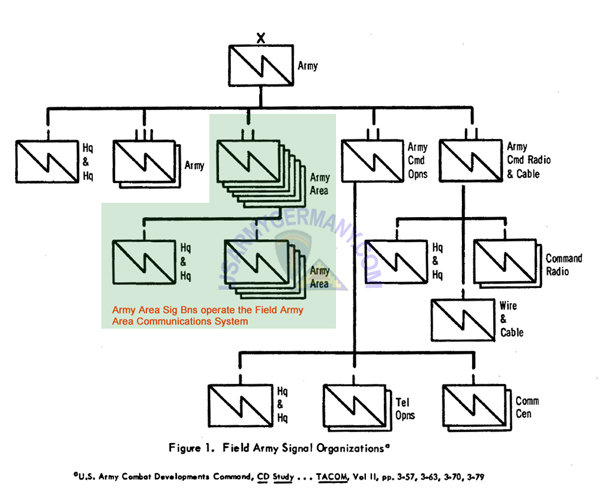 Organization chart of a type Field Army Signal Brigade with operating elements of the Army Area Communications System |
||||||||||||||||||||||||||||||||||||||||||||||||||||||||||||||||||||||||||||||||||||||||||||||||||||||||||||||||||||||||||||||||||||||||||||||||||||||||||||||||||||||||||||||||||||||||||||||||||||||||||||||||||||||||||||||||||||||||||||||||||||||||||||||||||||||||||||||||||||||||||||||||||||||||||||
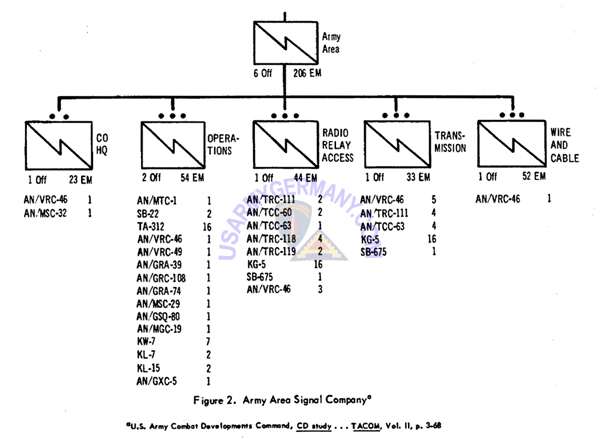 Fig. 2: Organization chart of the Army Area Signal Company |
||||||||||||||||||||||||||||||||||||||||||||||||||||||||||||||||||||||||||||||||||||||||||||||||||||||||||||||||||||||||||||||||||||||||||||||||||||||||||||||||||||||||||||||||||||||||||||||||||||||||||||||||||||||||||||||||||||||||||||||||||||||||||||||||||||||||||||||||||||||||||||||||||||||||||||
| (Source: Thesis written by MAJ Clare R.J. Rogers, USA, at the US Army Command and General Staff College, 1967) | ||||||||||||||||||||||||||||||||||||||||||||||||||||||||||||||||||||||||||||||||||||||||||||||||||||||||||||||||||||||||||||||||||||||||||||||||||||||||||||||||||||||||||||||||||||||||||||||||||||||||||||||||||||||||||||||||||||||||||||||||||||||||||||||||||||||||||||||||||||||||||||||||||||||||||||
| AREA SIGNAL CENTER The area signal center, installed by the area signal company (for example - A Company, 440th Signal Battalion), is the basic operating element of the field army communications system. While its functions are generally similar to those of the 1955-era signal center, the types of equipment to be used differ greatly in many cases, and the communications capabilities of the center have been increased accordingly. An organization chart of the army area signal company is shown in Figure 2. The company headquarters provides the necessary command supervision over company activities. The operations platoon furnishes telephone and teletypewriter switching, radio-wire integration, teletypewriter, cryptographic, facsimile, and message center service for the signal center area of responsibility. The radio relay access platoon provides the multichannel carrier systems to connect the operating facilities at the signal center to adjacent signal centers, with a total capability of terminating 288 PCM channels. A type installation of this platoon employs ninety-six-channel systems for the front-to-rear links and forty-eight-channel links deployed laterally. The transmission platoon provides up to four forty-eight or ninety-six-channel extension systems from the signal center to major users requiring communications support from the signal center. The wire and cable platoon is responsible for installing wire lines where feasible within the signal center area of responsibility. |
||||||||||||||||||||||||||||||||||||||||||||||||||||||||||||||||||||||||||||||||||||||||||||||||||||||||||||||||||||||||||||||||||||||||||||||||||||||||||||||||||||||||||||||||||||||||||||||||||||||||||||||||||||||||||||||||||||||||||||||||||||||||||||||||||||||||||||||||||||||||||||||||||||||||||||
|
||||||||||||||||||||||||||||||||||||||||||||||||||||||||||||||||||||||||||||||||||||||||||||||||||||||||||||||||||||||||||||||||||||||||||||||||||||||||||||||||||||||||||||||||||||||||||||||||||||||||||||||||||||||||||||||||||||||||||||||||||||||||||||||||||||||||||||||||||||||||||||||||||||||||||||
| (Source: Special
Issue - Army Communications, SIGNAL, October 1964) Webmaster Note: The images referred to in the sections covered by Maj Evans, US Army Electronics Command, are not included in an effort to minimize space requirements on the web server. |
||||||||||||||||||||||||||||||||||||||||||||||||||||||||||||||||||||||||||||||||||||||||||||||||||||||||||||||||||||||||||||||||||||||||||||||||||||||||||||||||||||||||||||||||||||||||||||||||||||||||||||||||||||||||||||||||||||||||||||||||||||||||||||||||||||||||||||||||||||||||||||||||||||||||||||
|
FIELD ARMY |
||||||||||||||||||||||||||||||||||||||||||||||||||||||||||||||||||||||||||||||||||||||||||||||||||||||||||||||||||||||||||||||||||||||||||||||||||||||||||||||||||||||||||||||||||||||||||||||||||||||||||||||||||||||||||||||||||||||||||||||||||||||||||||||||||||||||||||||||||||||||||||||||||||||||||||
|
||||||||||||||||||||||||||||||||||||||||||||||||||||||||||||||||||||||||||||||||||||||||||||||||||||||||||||||||||||||||||||||||||||||||||||||||||||||||||||||||||||||||||||||||||||||||||||||||||||||||||||||||||||||||||||||||||||||||||||||||||||||||||||||||||||||||||||||||||||||||||||||||||||||||||||
|
|
||||||||||||||||||||||||||||||||||||||||||||||||||||||||||||||||||||||||||||||||||||||||||||||||||||||||||||||||||||||||||||||||||||||||||||||||||||||||||||||||||||||||||||||||||||||||||||||||||||||||||||||||||||||||||||||||||||||||||||||||||||||||||||||||||||||||||||||||||||||||||||||||||||||||||||
| (Source: Special
Issue - Army Communications, SIGNAL, October 1964) Webmaster Note: The images referred to in the sections covered by Maj Spell, US Army Electronics Command, are not included in an effort to minimize space requirements on the web server. |
||||||||||||||||||||||||||||||||||||||||||||||||||||||||||||||||||||||||||||||||||||||||||||||||||||||||||||||||||||||||||||||||||||||||||||||||||||||||||||||||||||||||||||||||||||||||||||||||||||||||||||||||||||||||||||||||||||||||||||||||||||||||||||||||||||||||||||||||||||||||||||||||||||||||||||
|
THE CORPS |
||||||||||||||||||||||||||||||||||||||||||||||||||||||||||||||||||||||||||||||||||||||||||||||||||||||||||||||||||||||||||||||||||||||||||||||||||||||||||||||||||||||||||||||||||||||||||||||||||||||||||||||||||||||||||||||||||||||||||||||||||||||||||||||||||||||||||||||||||||||||||||||||||||||||||||
|
||||||||||||||||||||||||||||||||||||||||||||||||||||||||||||||||||||||||||||||||||||||||||||||||||||||||||||||||||||||||||||||||||||||||||||||||||||||||||||||||||||||||||||||||||||||||||||||||||||||||||||||||||||||||||||||||||||||||||||||||||||||||||||||||||||||||||||||||||||||||||||||||||||||||||||
|
|
||||||||||||||||||||||||||||||||||||||||||||||||||||||||||||||||||||||||||||||||||||||||||||||||||||||||||||||||||||||||||||||||||||||||||||||||||||||||||||||||||||||||||||||||||||||||||||||||||||||||||||||||||||||||||||||||||||||||||||||||||||||||||||||||||||||||||||||||||||||||||||||||||||||||||||
| ET-A - European Tropospheric Scatter-Army | ||||||||||||||||||||||||||||||||||||||||||||||||||||||||||||||||||||||||||||||||||||||||||||||||||||||||||||||||||||||||||||||||||||||||||||||||||||||||||||||||||||||||||||||||||||||||||||||||||||||||||||||||||||||||||||||||||||||||||||||||||||||||||||||||||||||||||||||||||||||||||||||||||||||||||||
| ET-A information has been moved to the ET-A Page. | ||||||||||||||||||||||||||||||||||||||||||||||||||||||||||||||||||||||||||||||||||||||||||||||||||||||||||||||||||||||||||||||||||||||||||||||||||||||||||||||||||||||||||||||||||||||||||||||||||||||||||||||||||||||||||||||||||||||||||||||||||||||||||||||||||||||||||||||||||||||||||||||||||||||||||||
|
||||||||||||||||||||||||||||||||||||||||||||||||||||||||||||||||||||||||||||||||||||||||||||||||||||||||||||||||||||||||||||||||||||||||||||||||||||||||||||||||||||||||||||||||||||||||||||||||||||||||||||||||||||||||||||||||||||||||||||||||||||||||||||||||||||||||||||||||||||||||||||||||||||||||||||
| Wideband Network in Germany | ||||||||||||||||||||||||||||||||||||||||||||||||||||||||||||||||||||||||||||||||||||||||||||||||||||||||||||||||||||||||||||||||||||||||||||||||||||||||||||||||||||||||||||||||||||||||||||||||||||||||||||||||||||||||||||||||||||||||||||||||||||||||||||||||||||||||||||||||||||||||||||||||||||||||||||
| Looking for details (unit and site histories, unit organizations, site locations, call signs, photos, etc.) of long lines tropo and microwave radio relay networks operated by Army signal units in support of CENTAG, USAREUR, and 7th Army in the 1950s - 1980s. | ||||||||||||||||||||||||||||||||||||||||||||||||||||||||||||||||||||||||||||||||||||||||||||||||||||||||||||||||||||||||||||||||||||||||||||||||||||||||||||||||||||||||||||||||||||||||||||||||||||||||||||||||||||||||||||||||||||||||||||||||||||||||||||||||||||||||||||||||||||||||||||||||||||||||||||
|
||||||||||||||||||||||||||||||||||||||||||||||||||||||||||||||||||||||||||||||||||||||||||||||||||||||||||||||||||||||||||||||||||||||||||||||||||||||||||||||||||||||||||||||||||||||||||||||||||||||||||||||||||||||||||||||||||||||||||||||||||||||||||||||||||||||||||||||||||||||||||||||||||||||||||||
|
||||||||||||||||||||||||||||||||||||||||||||||||||||||||||||||||||||||||||||||||||||||||||||||||||||||||||||||||||||||||||||||||||||||||||||||||||||||||||||||||||||||||||||||||||||||||||||||||||||||||||||||||||||||||||||||||||||||||||||||||||||||||||||||||||||||||||||||||||||||||||||||||||||||||||||
|
||||||||||||||||||||||||||||||||||||||||||||||||||||||||||||||||||||||||||||||||||||||||||||||||||||||||||||||||||||||||||||||||||||||||||||||||||||||||||||||||||||||||||||||||||||||||||||||||||||||||||||||||||||||||||||||||||||||||||||||||||||||||||||||||||||||||||||||||||||||||||||||||||||||||||||
|
||||||||||||||||||||||||||||||||||||||||||||||||||||||||||||||||||||||||||||||||||||||||||||||||||||||||||||||||||||||||||||||||||||||||||||||||||||||||||||||||||||||||||||||||||||||||||||||||||||||||||||||||||||||||||||||||||||||||||||||||||||||||||||||||||||||||||||||||||||||||||||||||||||||||||||
|
|
||||||||||||||||||||||||||||||||||||||||||||||||||||||||||||||||||||||||||||||||||||||||||||||||||||||||||||||||||||||||||||||||||||||||||||||||||||||||||||||||||||||||||||||||||||||||||||||||||||||||||||||||||||||||||||||||||||||||||||||||||||||||||||||||||||||||||||||||||||||||||||||||||||||||||||
| Wideband Network in France | ||||||||||||||||||||||||||||||||||||||||||||||||||||||||||||||||||||||||||||||||||||||||||||||||||||||||||||||||||||||||||||||||||||||||||||||||||||||||||||||||||||||||||||||||||||||||||||||||||||||||||||||||||||||||||||||||||||||||||||||||||||||||||||||||||||||||||||||||||||||||||||||||||||||||||||
|
||||||||||||||||||||||||||||||||||||||||||||||||||||||||||||||||||||||||||||||||||||||||||||||||||||||||||||||||||||||||||||||||||||||||||||||||||||||||||||||||||||||||||||||||||||||||||||||||||||||||||||||||||||||||||||||||||||||||||||||||||||||||||||||||||||||||||||||||||||||||||||||||||||||||||||
|
||||||||||||||||||||||||||||||||||||||||||||||||||||||||||||||||||||||||||||||||||||||||||||||||||||||||||||||||||||||||||||||||||||||||||||||||||||||||||||||||||||||||||||||||||||||||||||||||||||||||||||||||||||||||||||||||||||||||||||||||||||||||||||||||||||||||||||||||||||||||||||||||||||||||||||
|
|
||||||||||||||||||||||||||||||||||||||||||||||||||||||||||||||||||||||||||||||||||||||||||||||||||||||||||||||||||||||||||||||||||||||||||||||||||||||||||||||||||||||||||||||||||||||||||||||||||||||||||||||||||||||||||||||||||||||||||||||||||||||||||||||||||||||||||||||||||||||||||||||||||||||||||||
| (Source: FRELOC, Volume II, Final Report.) | ||||||||||||||||||||||||||||||||||||||||||||||||||||||||||||||||||||||||||||||||||||||||||||||||||||||||||||||||||||||||||||||||||||||||||||||||||||||||||||||||||||||||||||||||||||||||||||||||||||||||||||||||||||||||||||||||||||||||||||||||||||||||||||||||||||||||||||||||||||||||||||||||||||||||||||
| US Army Microwave Sites in France, 1966 | ||||||||||||||||||||||||||||||||||||||||||||||||||||||||||||||||||||||||||||||||||||||||||||||||||||||||||||||||||||||||||||||||||||||||||||||||||||||||||||||||||||||||||||||||||||||||||||||||||||||||||||||||||||||||||||||||||||||||||||||||||||||||||||||||||||||||||||||||||||||||||||||||||||||||||||
|
||||||||||||||||||||||||||||||||||||||||||||||||||||||||||||||||||||||||||||||||||||||||||||||||||||||||||||||||||||||||||||||||||||||||||||||||||||||||||||||||||||||||||||||||||||||||||||||||||||||||||||||||||||||||||||||||||||||||||||||||||||||||||||||||||||||||||||||||||||||||||||||||||||||||||||
| NOTE: see comments by former members of the 256th Sig Co and 257th Sig Co. | ||||||||||||||||||||||||||||||||||||||||||||||||||||||||||||||||||||||||||||||||||||||||||||||||||||||||||||||||||||||||||||||||||||||||||||||||||||||||||||||||||||||||||||||||||||||||||||||||||||||||||||||||||||||||||||||||||||||||||||||||||||||||||||||||||||||||||||||||||||||||||||||||||||||||||||
|
|
||||||||||||||||||||||||||||||||||||||||||||||||||||||||||||||||||||||||||||||||||||||||||||||||||||||||||||||||||||||||||||||||||||||||||||||||||||||||||||||||||||||||||||||||||||||||||||||||||||||||||||||||||||||||||||||||||||||||||||||||||||||||||||||||||||||||||||||||||||||||||||||||||||||||||||
| (Source: AIR FAN, December 1990; French aeronautical magazine) | ||||||||||||||||||||||||||||||||||||||||||||||||||||||||||||||||||||||||||||||||||||||||||||||||||||||||||||||||||||||||||||||||||||||||||||||||||||||||||||||||||||||||||||||||||||||||||||||||||||||||||||||||||||||||||||||||||||||||||||||||||||||||||||||||||||||||||||||||||||||||||||||||||||||||||||
| US Air Force Microwave/Relay Sites in France, 1966 | ||||||||||||||||||||||||||||||||||||||||||||||||||||||||||||||||||||||||||||||||||||||||||||||||||||||||||||||||||||||||||||||||||||||||||||||||||||||||||||||||||||||||||||||||||||||||||||||||||||||||||||||||||||||||||||||||||||||||||||||||||||||||||||||||||||||||||||||||||||||||||||||||||||||||||||
|
||||||||||||||||||||||||||||||||||||||||||||||||||||||||||||||||||||||||||||||||||||||||||||||||||||||||||||||||||||||||||||||||||||||||||||||||||||||||||||||||||||||||||||||||||||||||||||||||||||||||||||||||||||||||||||||||||||||||||||||||||||||||||||||||||||||||||||||||||||||||||||||||||||||||||||
|
|
||||||||||||||||||||||||||||||||||||||||||||||||||||||||||||||||||||||||||||||||||||||||||||||||||||||||||||||||||||||||||||||||||||||||||||||||||||||||||||||||||||||||||||||||||||||||||||||||||||||||||||||||||||||||||||||||||||||||||||||||||||||||||||||||||||||||||||||||||||||||||||||||||||||||||||
| (Source: The USAF In France 1950 - 1967, by Jerry McAuliffe. Volume 24, Number 4) | ||||||||||||||||||||||||||||||||||||||||||||||||||||||||||||||||||||||||||||||||||||||||||||||||||||||||||||||||||||||||||||||||||||||||||||||||||||||||||||||||||||||||||||||||||||||||||||||||||||||||||||||||||||||||||||||||||||||||||||||||||||||||||||||||||||||||||||||||||||||||||||||||||||||||||||
| A radio relay network was constructed to interconnect all USAFE facilities in France. It was operated and maintained by the 7th and 8th Radio Relay Squadrons. This intra-theater system connected France, Germany, and United Kingdom air bases and supplemented the frequently intermittent commercial telephone systems. The network used commercial microwave radio sets providing voice/teletype service. Microwave relay sets were installed at 49 off-base sites. | ||||||||||||||||||||||||||||||||||||||||||||||||||||||||||||||||||||||||||||||||||||||||||||||||||||||||||||||||||||||||||||||||||||||||||||||||||||||||||||||||||||||||||||||||||||||||||||||||||||||||||||||||||||||||||||||||||||||||||||||||||||||||||||||||||||||||||||||||||||||||||||||||||||||||||||
|
|
||||||||||||||||||||||||||||||||||||||||||||||||||||||||||||||||||||||||||||||||||||||||||||||||||||||||||||||||||||||||||||||||||||||||||||||||||||||||||||||||||||||||||||||||||||||||||||||||||||||||||||||||||||||||||||||||||||||||||||||||||||||||||||||||||||||||||||||||||||||||||||||||||||||||||||
| (Source: MILITARY GEOGRAPHY FOR PROFESSIONALS AND THE PUBLIC) | ||||||||||||||||||||||||||||||||||||||||||||||||||||||||||||||||||||||||||||||||||||||||||||||||||||||||||||||||||||||||||||||||||||||||||||||||||||||||||||||||||||||||||||||||||||||||||||||||||||||||||||||||||||||||||||||||||||||||||||||||||||||||||||||||||||||||||||||||||||||||||||||||||||||||||||
| CHAPTER 12. France. The French Government on March 7, 1966, declared its intent to regain "full sovereignty [over] French Territory -- in other words, no longer to accept the presence of foreign units, installations, or bases in France falling in any respect under the control of authorities other than French authorities" and told NATO to comply or leave not later than April 1, 1967. NATO's leaders elected eviction, whereupon the exodus code-named FRELOC (Fast Relocation) uprooted or resulted in the abandonment of many military installations accumulated at great expense over the previous 18 years. Command and control arrangements were comparatively simple when SHAPE and Headquarters, U.S. European Command (EUCOM) were based in Parisian suburbs 15 minutes apart and lay within easy reach of AFCENT at Fontainbleau as well as Headquarters, U.S. Army Communications Zone (COMMZ), in Orléans. Not so after SHAPE displaced to Casteau, Belgium, and EUCOM took up residence in Stuttgart, 265 airline miles/425 kilometers away. It took months and cost millions for U.S. and NATO command posts at every level to transplant a vast array of computers, data processors, and information retrieval gear connected by space communication satellites, tropospheric scatter stations, microwave networks, radio relays, and countless miles of cable. FRELOC, when complete, concentrated terminals, reduced routing alternatives, and thereby increased vulnerabilities among communication systems that depended heavily on redundancy to survive in wartime. Access to air defense communications in France and to French segments of ACE HIGH, Allied Command Europe's secure voice network that stretched from Norway to Turkey, was no longer guaranteed, because the French Government professed "no automaticity" policies. |
||||||||||||||||||||||||||||||||||||||||||||||||||||||||||||||||||||||||||||||||||||||||||||||||||||||||||||||||||||||||||||||||||||||||||||||||||||||||||||||||||||||||||||||||||||||||||||||||||||||||||||||||||||||||||||||||||||||||||||||||||||||||||||||||||||||||||||||||||||||||||||||||||||||||||||
|
|
||||||||||||||||||||||||||||||||||||||||||||||||||||||||||||||||||||||||||||||||||||||||||||||||||||||||||||||||||||||||||||||||||||||||||||||||||||||||||||||||||||||||||||||||||||||||||||||||||||||||||||||||||||||||||||||||||||||||||||||||||||||||||||||||||||||||||||||||||||||||||||||||||||||||||||
| MISCELLANEOUS
INFORMATION ON COMMUNICATIONS SYSTEMS Project 486L "DEEP SEA" Mediterranean Communications System At radio sites in Italy (such as Mt. Vergine), Greece, Turkey military and commercial agencies worked together to maintain optimum quality communications in support of the 486L Forward Propagated Tropospheric Scatter system and the 490L Overseas AUTOVON network. Project 490L Overseas AUTOVON DCS (Automatic Voice Network of the Defense Communications System) (On March 15th 1970, the overseas portion of the worldwide Automatic Voice Network, or AUTOVON, was completed. (Now Defense Switched Network) |
||||||||||||||||||||||||||||||||||||||||||||||||||||||||||||||||||||||||||||||||||||||||||||||||||||||||||||||||||||||||||||||||||||||||||||||||||||||||||||||||||||||||||||||||||||||||||||||||||||||||||||||||||||||||||||||||||||||||||||||||||||||||||||||||||||||||||||||||||||||||||||||||||||||||||||
| Radio Teletypewriter Set AN/GRC-46 | ||||||||||||||||||||||||||||||||||||||||||||||||||||||||||||||||||||||||||||||||||||||||||||||||||||||||||||||||||||||||||||||||||||||||||||||||||||||||||||||||||||||||||||||||||||||||||||||||||||||||||||||||||||||||||||||||||||||||||||||||||||||||||||||||||||||||||||||||||||||||||||||||||||||||||||
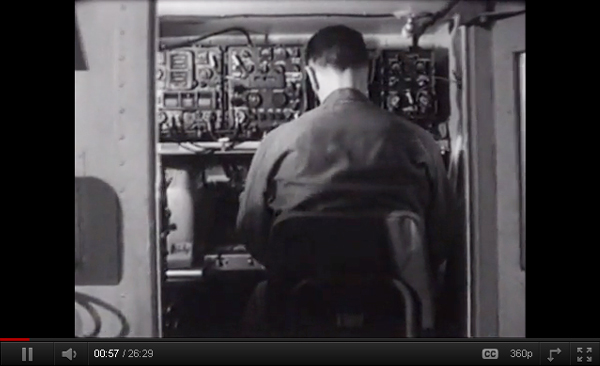 DoD Film: Radio Teletypewriter AN/GRC-46 (YouTube)  Film discusses in some detail the components, electronic function, capabilities and operation of the GRC-46 |
||||||||||||||||||||||||||||||||||||||||||||||||||||||||||||||||||||||||||||||||||||||||||||||||||||||||||||||||||||||||||||||||||||||||||||||||||||||||||||||||||||||||||||||||||||||||||||||||||||||||||||||||||||||||||||||||||||||||||||||||||||||||||||||||||||||||||||||||||||||||||||||||||||||||||||
| Manual Switchboards in the Field Army | ||||||||||||||||||||||||||||||||||||||||||||||||||||||||||||||||||||||||||||||||||||||||||||||||||||||||||||||||||||||||||||||||||||||||||||||||||||||||||||||||||||||||||||||||||||||||||||||||||||||||||||||||||||||||||||||||||||||||||||||||||||||||||||||||||||||||||||||||||||||||||||||||||||||||||||
| (Source: Tactical Communications for the Field Army, SIGNAL July 1968) | ||||||||||||||||||||||||||||||||||||||||||||||||||||||||||||||||||||||||||||||||||||||||||||||||||||||||||||||||||||||||||||||||||||||||||||||||||||||||||||||||||||||||||||||||||||||||||||||||||||||||||||||||||||||||||||||||||||||||||||||||||||||||||||||||||||||||||||||||||||||||||||||||||||||||||||
| In the current Army Area Communications System (AACOMS) voice communication system , the switchboards used by the Field Army are all manual: | ||||||||||||||||||||||||||||||||||||||||||||||||||||||||||||||||||||||||||||||||||||||||||||||||||||||||||||||||||||||||||||||||||||||||||||||||||||||||||||||||||||||||||||||||||||||||||||||||||||||||||||||||||||||||||||||||||||||||||||||||||||||||||||||||||||||||||||||||||||||||||||||||||||||||||||
|
||||||||||||||||||||||||||||||||||||||||||||||||||||||||||||||||||||||||||||||||||||||||||||||||||||||||||||||||||||||||||||||||||||||||||||||||||||||||||||||||||||||||||||||||||||||||||||||||||||||||||||||||||||||||||||||||||||||||||||||||||||||||||||||||||||||||||||||||||||||||||||||||||||||||||||
| (1) Corps Telephone Switchboard Group - AN/MTC-1 (2) Army Telephone Switchboard Group - AN/MTC-9 |
||||||||||||||||||||||||||||||||||||||||||||||||||||||||||||||||||||||||||||||||||||||||||||||||||||||||||||||||||||||||||||||||||||||||||||||||||||||||||||||||||||||||||||||||||||||||||||||||||||||||||||||||||||||||||||||||||||||||||||||||||||||||||||||||||||||||||||||||||||||||||||||||||||||||||||
|
||||||||||||||||||||||||||||||||||||||||||||||||||||||||||||||||||||||||||||||||||||||||||||||||||||||||||||||||||||||||||||||||||||||||||||||||||||||||||||||||||||||||||||||||||||||||||||||||||||||||||||||||||||||||||||||||||||||||||||||||||||||||||||||||||||||||||||||||||||||||||||||||||||||||||||
| Call handling during busy hour traffic was another problem encountered with the manual switchboards - these led to delays that could easily exceed one minute. It was not unusual at a division with its one hundred and twenty drop, two position switchboard to have services delayed because all the cords were in use. The situation in Europe follows generally the diagram shown above. The poor transmission factor and the poor call handling capability have caused the signal people in Europe to combine some of the features of the area system with their command systems at army level, but they are still experiencing a great amount of difficulty in providing adequate telephone communications. |
||||||||||||||||||||||||||||||||||||||||||||||||||||||||||||||||||||||||||||||||||||||||||||||||||||||||||||||||||||||||||||||||||||||||||||||||||||||||||||||||||||||||||||||||||||||||||||||||||||||||||||||||||||||||||||||||||||||||||||||||||||||||||||||||||||||||||||||||||||||||||||||||||||||||||||
|
||||||||||||||||||||||||||||||||||||||||||||||||||||||||||||||||||||||||||||||||||||||||||||||||||||||||||||||||||||||||||||||||||||||||||||||||||||||||||||||||||||||||||||||||||||||||||||||||||||||||||||||||||||||||||||||||||||||||||||||||||||||||||||||||||||||||||||||||||||||||||||||||||||||||||||
|
|
||||||||||||||||||||||||||||||||||||||||||||||||||||||||||||||||||||||||||||||||||||||||||||||||||||||||||||||||||||||||||||||||||||||||||||||||||||||||||||||||||||||||||||||||||||||||||||||||||||||||||||||||||||||||||||||||||||||||||||||||||||||||||||||||||||||||||||||||||||||||||||||||||||||||||||
| The 1970s | ||||||||||||||||||||||||||||||||||||||||||||||||||||||||||||||||||||||||||||||||||||||||||||||||||||||||||||||||||||||||||||||||||||||||||||||||||||||||||||||||||||||||||||||||||||||||||||||||||||||||||||||||||||||||||||||||||||||||||||||||||||||||||||||||||||||||||||||||||||||||||||||||||||||||||||
| US Forces Telephone System in Europe (1975) | ||||||||||||||||||||||||||||||||||||||||||||||||||||||||||||||||||||||||||||||||||||||||||||||||||||||||||||||||||||||||||||||||||||||||||||||||||||||||||||||||||||||||||||||||||||||||||||||||||||||||||||||||||||||||||||||||||||||||||||||||||||||||||||||||||||||||||||||||||||||||||||||||||||||||||||
| (Source: STARS & STRIPES, Jan 30, 1975) | ||||||||||||||||||||||||||||||||||||||||||||||||||||||||||||||||||||||||||||||||||||||||||||||||||||||||||||||||||||||||||||||||||||||||||||||||||||||||||||||||||||||||||||||||||||||||||||||||||||||||||||||||||||||||||||||||||||||||||||||||||||||||||||||||||||||||||||||||||||||||||||||||||||||||||||
| The military telephone system that serves US Forces in Europe handles nearly 200 million calls a year. There are about 90,000 telephones in use by the US military in separate but interconnected networks. In FY 1974, the US Army spent an estimated $30 million in Germany to maintain its part of the telephone system and pay for leased telephone cables (German Bundespost), while the Air Force spent $2.6 to run their smaller system. In Germany, the Army maintains 110 local exchanges with six primary switching centers: FrankfurtHeidelbergKaiserslauternStuttgart
NuernbergMunichTwelve other dial centers are scattered through England, the BENELUX countries and Italy. The Army in Europe uses about 70,000 phones (all but 3,000 in Germany). The Air Force maintains exchanges at its air bases in Germany as well as several in England, the Netherlands, Belgium, Spain, Turkey and Italy. The Air Force has about 15,000 telephones in service in Germany and another 5,000 in the other countries. The biggest problem and chief challenge for Signal Corps personnel who support the system and for the USAREUR / USAFE personnel who use it is the age of the telephone equipment. In Germany, some of the switching equipment used in the exchanges was installed over 40 years ago (hence the nickname "Hitler's Revenge"). None of the equipment has been in service for less than 15 years. Malfunctions of equipment and congested telephone lines between main troop concentrations are an everyday occurrence. (FRELOC, the relocation of troops from France to Germany in 1967 aggravated the already bad situation by increasing the load on almost every exchange in Germany.) USAREUR's largest and oldest exchange can be found at the IG Farben Building in Frankfurt. Installed in 1928, the exchange has 2,900 main lines with each line having as many as five extensions hooked to it. In addition, the exchange serves as the central exchange for close to 20 smaller exchanges. The Air Force uses similar equipment but handles less calls than the Army. Also, Air Force personnel frequently use the AUTOVON system for communications between bases in Germany and other European countries. Both services have presented plans to improve their telephone systems. The Army's $58 million, five-year plan, not yet approved, would see a modern telephone network replacing the current system. (Webmaster note: this is probably the European Telephone System (ETS) that would be implemented in the early 1980s.) In the meantime, several projects are underway to improve the system by installing new telephone equipment or refurbishing existing equipment -- such as in Nuernberg, Hahn, Spangdahlem, Bitburg. |
||||||||||||||||||||||||||||||||||||||||||||||||||||||||||||||||||||||||||||||||||||||||||||||||||||||||||||||||||||||||||||||||||||||||||||||||||||||||||||||||||||||||||||||||||||||||||||||||||||||||||||||||||||||||||||||||||||||||||||||||||||||||||||||||||||||||||||||||||||||||||||||||||||||||||||
|
||||||||||||||||||||||||||||||||||||||||||||||||||||||||||||||||||||||||||||||||||||||||||||||||||||||||||||||||||||||||||||||||||||||||||||||||||||||||||||||||||||||||||||||||||||||||||||||||||||||||||||||||||||||||||||||||||||||||||||||||||||||||||||||||||||||||||||||||||||||||||||||||||||||||||||
| The 1980s | ||||||||||||||||||||||||||||||||||||||||||||||||||||||||||||||||||||||||||||||||||||||||||||||||||||||||||||||||||||||||||||||||||||||||||||||||||||||||||||||||||||||||||||||||||||||||||||||||||||||||||||||||||||||||||||||||||||||||||||||||||||||||||||||||||||||||||||||||||||||||||||||||||||||||||||
| Information Mission Area | ||||||||||||||||||||||||||||||||||||||||||||||||||||||||||||||||||||||||||||||||||||||||||||||||||||||||||||||||||||||||||||||||||||||||||||||||||||||||||||||||||||||||||||||||||||||||||||||||||||||||||||||||||||||||||||||||||||||||||||||||||||||||||||||||||||||||||||||||||||||||||||||||||||||||||||
| (Source: ECHO, Oct 1985) | ||||||||||||||||||||||||||||||||||||||||||||||||||||||||||||||||||||||||||||||||||||||||||||||||||||||||||||||||||||||||||||||||||||||||||||||||||||||||||||||||||||||||||||||||||||||||||||||||||||||||||||||||||||||||||||||||||||||||||||||||||||||||||||||||||||||||||||||||||||||||||||||||||||||||||||
| Information Mission Area by Brian Popken Your word processor and the one in the next office will be able to "talk" to one another. You have all the information in the accessible computer systems at your disposal. On the battlefield, a forward observer spots a target and punches the coordinates into a hand-held computer. Within minutes the target is destroyed, new rounds have been electronically ordered through the logistics pipeline and maintenance data has been fed into a log. A majority of these actions are possible today. It's not just a "pipe dream," according to a recent article by Lt. Col. George F. Kolesar in Army Magazine. But it is riot yet reality. The problem, according to Kolesar, is that the systems have been developed independently. As a result they have to be adapted to be compatible with each other. The "management" of the information systems required for effective use of the information systems required for effective use of the technology was inadequate to make the best of the new developments. Recognizing the requirement, the first step to improve information management in the Army, took place on May 9, 1984, when Gen. John A. Wickham, chief of staff of the Army approved the establishment of the Information Mission Area (IMA). For the Army's communicators and 5th Signal Command this means the ultimate integration of telecommunications automation management. It includes tactical and fixed communications systems, data -processing, office machines, audiovisual support and records and publication management. It means that 5th Signal Command units will manage all those functions, off and on the battlefield. By these revolutionary mergers, the Army intends to receive a greater return for its money. It also signals a drastic change in the way information is managed. In the 5th Signal Command that means a change affecting the mission of nearly every major unit and organization, according to Ron Selfors of the 5th Signal Command's Office for Plans and Technology, Deputy Chief of Staff, Plans and Operations. His office is the staff agency responsibile for monitoring and facilitating the 5th Signal Command's Information Mission Area activities. According to Selfors, the assumption of the IMA will drastically alter the way 5th Signal Command does business today. He agreed to the following interview to clarify what is ahead for the command and its soldiers and civilians who will make the new IMA work. QUESTIONS - IMA Q: What changes will assumption of the IMA bring to 5th Signal Command? A: "To units, the change is largely in numbers of people they have working for them. Of course, that means they also have more to do. On Oct. 1, 29 data processing installations and approximately 1200 civilian (DAC and Local Nationals) and military personnel were transferred to 5th Signal Command. Commanders of 5th Signal Command subordinate brigades and battalions (with the exception of 7th Signal Brigade) became directors of information management (DOIM). As DOIMs, they are dual-hatted. They are still commanders but they are also responsible for providing required echelons above corps (EAC) and sustaining base information services and staff support to commanders in their respective areas of operation in both war and peace. They control and manage the life cycle upgrade and modernization of all information systems in their area of responsibility. These information systems will include not only communications systems, but also fixed and tactical mainframe computers, personal computers, word processing equipment and printing and reproduction facilities. For the customers, though, there should be no immediate, noticeable changes experienced as to services provided. This is being done without degrading support. Since Oct. 1, however, there is one focal point, the customer's DOIM for all information support by the USAISC family. Q:What is the most noticeable aspect of the changes for soldiers in the 5th Signal Command? A: The most noticeable aspect is the way they do business. Communicators will have to become knowledgeable in the computer field and automators will have to become knowledgeable in the communications field. This marriage between communicators and automators will bring about a new breed of Army professionals -- the "Informators." Q: Why is assumption of IMA commonly referred to as a realignment? A: It is commonly referred to as a realignment because, although nothing has been physically moved, information management regions have been formed. Data Processing Installations now not only provide support to the command that formerly owned them, but also provide support to the other communities in the region. This region concept will provide expanded information support to communities where it was meager or nonexistent before. There will be three areas, V Corps; VII Corps and 21st SUPCOM, and three regions, Heidelberg, SETAF and Vaihingen. Fifth Signal Command units have realigned their areas of operations to provide staff support and information services to all commanders of USAREUR units in their assigned area or region. Q: Is this change (the Army having communicators control all information services) comparable to General Motors hiring H. Ross Perot to apply information systems technology to their production of the new Saturn car? A: Yes, in one aspect this change is comparable to GM buying Electronic Data Systems in the sense that the Army realizes the importance of integrated information systems management in accomplishing its overall mission. The product is not a car but information. And, unlike GM, where H. Ross Perot and his giant company were bought by GM to apply information system technology to its production, the IMA realignment in the Army must be accomplished with no increase in overall resources. Q: What is the ultimate objective in applying the Information Mission Area concept to the Army? A: The ultimate dream is to manage information as a valuable resource in its own right, make information available to all who need it at the Iowest life cycle cost, exploit the information technology explosion and get a handle on the real cost of information. Additionally, the Information Mission Area concept in the Army is to provide system standardization, and avoid system duplications. We intend to create "corporate" data bases and provide integrated regional management of information systems. A community in the future will expect to receive information service support that is interoperable and has increased efficiency at a reduced cost. Q: What can the soldier or civilian working in IMA affected fields or organizations, do to make his job easier and help the IMA transition? A: The people working in IMA affected fields or organizations should educate themselves in the new way of doing business. The Army's IMA transition will usher in a completely new way in how we plan, install, maintain and operate information systems in the future. The IMA has brought about a change in procedures and terminology. Soldiers should take data processing courses, for example, and participate wherever possible in internship programs, and cross-training opportunities. Of course, a lot of the education will, at first, take place on the job. |
||||||||||||||||||||||||||||||||||||||||||||||||||||||||||||||||||||||||||||||||||||||||||||||||||||||||||||||||||||||||||||||||||||||||||||||||||||||||||||||||||||||||||||||||||||||||||||||||||||||||||||||||||||||||||||||||||||||||||||||||||||||||||||||||||||||||||||||||||||||||||||||||||||||||||||
| (Source: ECHO, Nov 1985) | ||||||||||||||||||||||||||||||||||||||||||||||||||||||||||||||||||||||||||||||||||||||||||||||||||||||||||||||||||||||||||||||||||||||||||||||||||||||||||||||||||||||||||||||||||||||||||||||||||||||||||||||||||||||||||||||||||||||||||||||||||||||||||||||||||||||||||||||||||||||||||||||||||||||||||||
| Information Systems by Brian Popken Fifth Signal Command, the field command in Europe for U.S. Army Information Systems Command, has reorganized, according to Ron Selfors of the 5th Signal Command's Plans and Technology Division, Deputy Chief of Staff, Operations and Plans. On Oct. 1, 5th Signal Command assumed responsility for the Information Mission Area (IMA) in Europe. It involves the transfer of information systems and assets to 5th Sig. Comd., in phases. The realignment and definition of geographical boundaries has allowed IMA responsibility to be split along the V and VII Corps boundaries, with additional regions for Headquarters. U.S. Army Europe, as well as for all units south of the Alps. Additionally, responsibility for garrison information requirements of the entire 3rd Infantry Division has been transferred from the 2nd to the 160th Signal Brigade. |
||||||||||||||||||||||||||||||||||||||||||||||||||||||||||||||||||||||||||||||||||||||||||||||||||||||||||||||||||||||||||||||||||||||||||||||||||||||||||||||||||||||||||||||||||||||||||||||||||||||||||||||||||||||||||||||||||||||||||||||||||||||||||||||||||||||||||||||||||||||||||||||||||||||||||||
|
||||||||||||||||||||||||||||||||||||||||||||||||||||||||||||||||||||||||||||||||||||||||||||||||||||||||||||||||||||||||||||||||||||||||||||||||||||||||||||||||||||||||||||||||||||||||||||||||||||||||||||||||||||||||||||||||||||||||||||||||||||||||||||||||||||||||||||||||||||||||||||||||||||||||||||
| According to Selfors, all people who need information systems support will have one person to turn to for their requirements. Information systems will include not only the communications systems traditionally associated with 5th Sig. Comd., but also fixed and tactical mainframe computers, word processing equipment and personal computers. Eventually, printing and reproduction facilities, distribution centers and libraries will be included. He says, that person will be the director, or assistant director, for information management (DOIM), located at a 5th Sig. Comd. unit headquarters. Under the reorganization there are four DOIMs for V Corps, 21st SUPCOM, VII Corps and U.S. European Command. Headquarters USAREUR and the surrounding area and the USASETAF south of the Alps. In addition, each battalion commander, under the brigades, is a director for information management. They are located at a lower level of command to address the more finite needs of smaller commands and smaller geographic areas of responsibility. All units and communities in Europe will have a 5th Sig. Comd. DOIM, (usually at battalion level) as their primary point of contact for information systems requirements, Selfors emphasizes. The commanders, or DOIMs, are dual hatted, according to Selfors. This means that they are the information systems staff point contact for all units and communities in their area as well as commanders of the facilities providing support, answering to their own chains of command, to 5th Sig. Come. in Worms and further to U.S. Army Information Systems Command headquartered at Fort Huachuca, Ariz. He points out that the commanders are responsible for managing information systems efficiently; something that is essential to providing the broad range of information services required today. These services will include development and maintance of software programs equipment modernization and procurement and life cycle management of all information systems. There have been numerous changes affecting specific facilities and areas, according to Maj. Philip Olson, of the IMA Task Force organized at Headquarters, 5th Sig. Comd. to address functional issues of the reorganization. Twenty-nine data processing installations have been transferred to 5th Sig. control. Additionally, audiovidual and reproduction facilities will come under 5th Sig. Comd. control in the remaining two phases of the realignment. The approximately 700 soldiers assigned to facilities transferred to the 5th Sig. Comd. were not physically moved. They do, though, now look to the 5th Sig. Comd. units for administration command and control. Nearly 500 civilians who are assigned to those facilities will also be transferred to 5th Sig. administrative control. According to Sgt. Jerry Anderson, 102nd Signal Battalion, Public Affairs NCO, the system is already working. He reports that on Oct. 1, the day of the realignment, the battalion had its first reenlistment from the Camp King Data Processing Installation near Frankfurt. Sergeant Ruben Mercado. a 74D computer operator, reenlistcd for four years and after the ceremony said that he sees the realignment as a step forward. "Our unit used to be assigned to 4th TRANSCOM (Transportation Command), with individuals who had little knowledge of communications (systems). I was impressed by our new battalion commander... because we could converse about computers and she was up to date." The major strength of the realignment, says Maj. Sam Bruce. S3 for the 2nd Sig. Bde., headquartered in Mannheim. "is that we have tied together formerly separate pockets of expertise. The involvement of the chain of command and their ability to pool information systems assets should greatly enhance the level of information systems support throughout Europe." |
||||||||||||||||||||||||||||||||||||||||||||||||||||||||||||||||||||||||||||||||||||||||||||||||||||||||||||||||||||||||||||||||||||||||||||||||||||||||||||||||||||||||||||||||||||||||||||||||||||||||||||||||||||||||||||||||||||||||||||||||||||||||||||||||||||||||||||||||||||||||||||||||||||||||||||
| (Source: ECHO, Sept 1986) | ||||||||||||||||||||||||||||||||||||||||||||||||||||||||||||||||||||||||||||||||||||||||||||||||||||||||||||||||||||||||||||||||||||||||||||||||||||||||||||||||||||||||||||||||||||||||||||||||||||||||||||||||||||||||||||||||||||||||||||||||||||||||||||||||||||||||||||||||||||||||||||||||||||||||||||
| Changing Times The new job of accepting responsibility for the Information Mission Area (IMA) has brought changes to the command during fiscal year 1986. IMA is to be completed in rive phases and the new year finds the command poised at the end of phase IV. Since the Army Chief of Staff directed the IMA would be the mission of the US Army Information Systems Command (USAISC), changes have come quickly. Ultimately, the result will be the transfer of personnel and equipment associated with information management to USAISC units by the end of Phase V, Sept. 30, 1987. The IMA consists of associated resources and activities employed in the acquisition, development, transmission, use, integration, retention, retrieval, and management of information. Today, the IMA is categorized as either strategic, tactical, or base support and is divided into five areas or disciplines of Information Management: Automation, Communication, Records Management, Printing and Publishing, and Visual Information. Last year Phase III was aimed at Automation discipline and resulted in the transfer of automation personnel and equipment from the Military Community Activities (MILCOMS) to 5th Signal Command. Phase IV involves the transfer of more personnel working in one or more of the five IMA disciplines, from the MILCOMs to 5th Signal Command. Moving through Phase IV of the IMA realignment, throughout USAREUR, 5th Signal Command will pick up more personnel and equipment associated with IMA. Many of the personnel scheduled for transfer to 5th Signal Command currently work in Administrative Support Divisions (ASD) and Data Processing Installations (DPI) in military communities. This transfer does not mean these personnel will be given new jobs. However, their chain of command will change to the 5th Signal Command. In the communities, the personnel who perform the mission will be organized into an Information Services Activity (ISA) . . . . ISA will support the community/sub-community in which its personnel are currently located. The ISA will not replace the existing company, battalion or brigade structure of 5th Signal Command. In most cases, the ISA will become part of the 5th Signal Command signal company that currently provides communication support to the area. People in the companies must also become knowledgeable in the entire spectrum of the IMA disciplines. Through the ISA, 5th Signal Command will become the user's single point of contact within the community for resolution of information management problems. |
||||||||||||||||||||||||||||||||||||||||||||||||||||||||||||||||||||||||||||||||||||||||||||||||||||||||||||||||||||||||||||||||||||||||||||||||||||||||||||||||||||||||||||||||||||||||||||||||||||||||||||||||||||||||||||||||||||||||||||||||||||||||||||||||||||||||||||||||||||||||||||||||||||||||||||
|
||||||||||||||||||||||||||||||||||||||||||||||||||||||||||||||||||||||||||||||||||||||||||||||||||||||||||||||||||||||||||||||||||||||||||||||||||||||||||||||||||||||||||||||||||||||||||||||||||||||||||||||||||||||||||||||||||||||||||||||||||||||||||||||||||||||||||||||||||||||||||||||||||||||||||||
Related Links: Siegelbach - 2005th Communications Squadron (Broken LINK) The AUTODIN Legacy Project (Broken LINK) Signal Unit - SSI's and DUI's (Institute of Heraldry) Feldberg RRL (Broken LINK) |
||||||||||||||||||||||||||||||||||||||||||||||||||||||||||||||||||||||||||||||||||||||||||||||||||||||||||||||||||||||||||||||||||||||||||||||||||||||||||||||||||||||||||||||||||||||||||||||||||||||||||||||||||||||||||||||||||||||||||||||||||||||||||||||||||||||||||||||||||||||||||||||||||||||||||||
|
||||||||||||||||||||||||||||||||||||||||||||||||||||||||||||||||||||||||||||||||||||||||||||||||||||||||||||||||||||||||||||||||||||||||||||||||||||||||||||||||||||||||||||||||||||||||||||||||||||||||||||||||||||||||||||||||||||||||||||||||||||||||||||||||||||||||||||||||||||||||||||||||||||||||||||


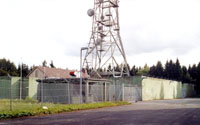
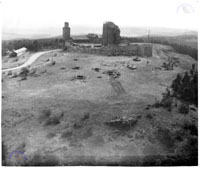
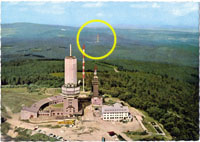
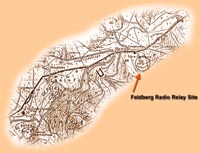
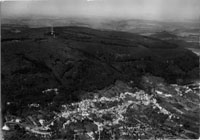
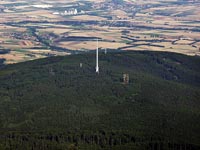
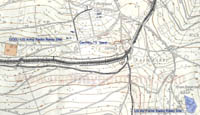
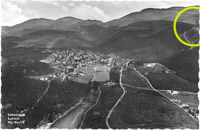

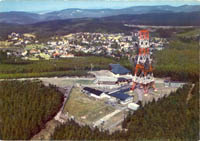
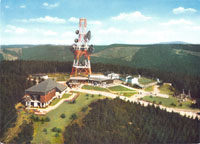
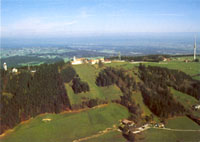

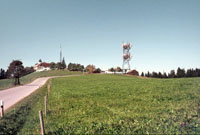
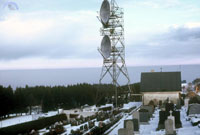
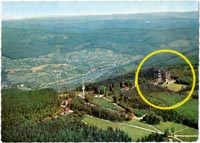
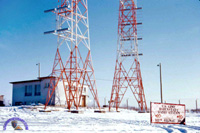
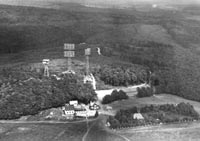
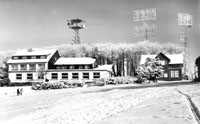
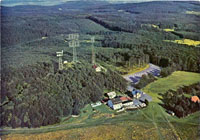
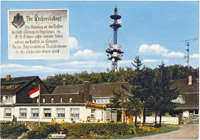

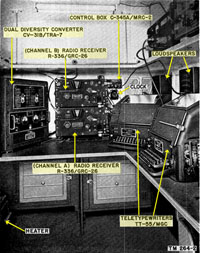
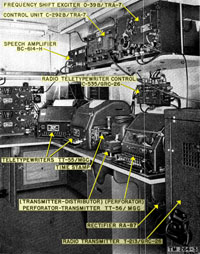
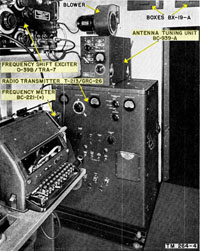

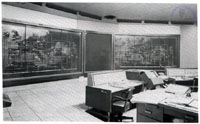
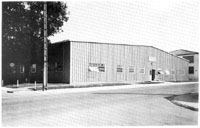
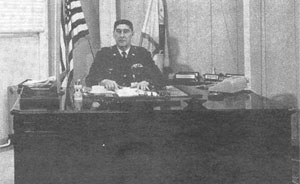


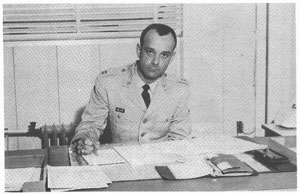
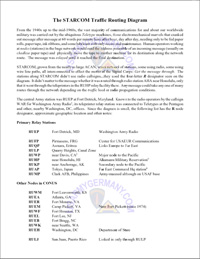
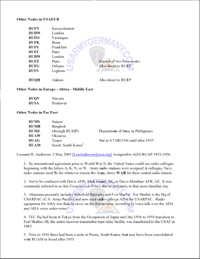
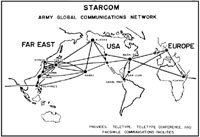
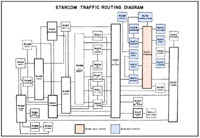
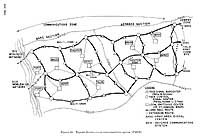


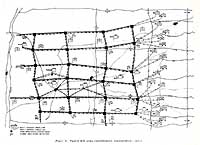





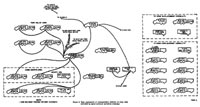

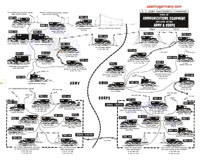

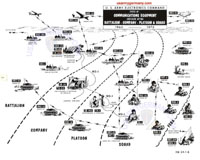
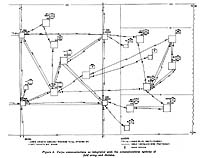







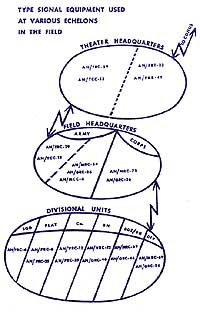
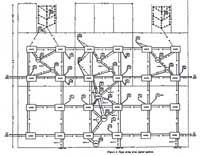
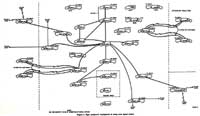
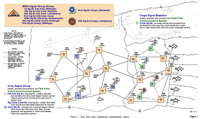
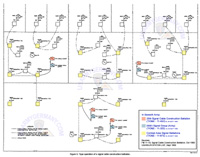
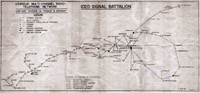
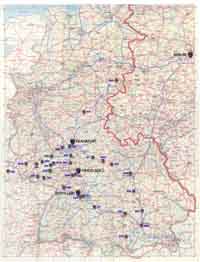
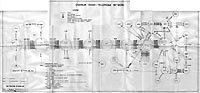
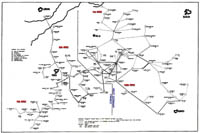
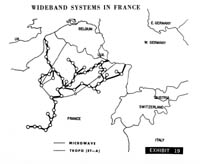
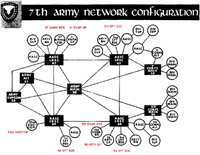


 - a Goggle Books DISA, a Combat Support Agency, engineers and provides command and
control capabilities and enterprise infrastructure to continuously
operate and assure a global net-centric enterprise in direct support to
joint warfighters, National level leaders, and other mission and
coalition partners across the full spectrum of operations.
- a Goggle Books DISA, a Combat Support Agency, engineers and provides command and
control capabilities and enterprise infrastructure to continuously
operate and assure a global net-centric enterprise in direct support to
joint warfighters, National level leaders, and other mission and
coalition partners across the full spectrum of operations.


