|
Area Commands |
||||||||||||||||||||||||||||||||||||||||||||||||||||||||||||||||||||||||||||||||||||||||||||||||||||||||||||||||||||||
|
|
||||||||||||||||||||||||||||||||||||||||||||||||||||||||||||||||||||||||||||||||||||||||||||||||||||||||||||||||||||||
|
||||||||||||||||||||||||||||||||||||||||||||||||||||||||||||||||||||||||||||||||||||||||||||||||||||||||||||||||||||||
|
|
||||||||||||||||||||||||||||||||||||||||||||||||||||||||||||||||||||||||||||||||||||||||||||||||||||||||||||||||||||||
| History | ||||||||||||||||||||||||||||||||||||||||||||||||||||||||||||||||||||||||||||||||||||||||||||||||||||||||||||||||||||||
| Looking for assistance: need original or scanned copies of maps of Area Command, support districts, support activities, military communities and installations for further research. | ||||||||||||||||||||||||||||||||||||||||||||||||||||||||||||||||||||||||||||||||||||||||||||||||||||||||||||||||||||||
| (Source: Email from William H. Pfahl, 547th Ord Co, 1964-66) | ||||||||||||||||||||||||||||||||||||||||||||||||||||||||||||||||||||||||||||||||||||||||||||||||||||||||||||||||||||||
| Came across the Area Command web page this evening. I served with the 547th Ord Co of the Area Command. I have been searching for the unit I served in from 1964-66. About 1990 I had the occasion to travel to Rothwesten Kaserne (Kassel area), Hesse. The unit and in fact the entire US presence there had been vacated and the post given back to the German Army. I suspected that the 547th had been inactivated. Was wondering what happened to some of the unit's baubles. Specifically, there was an Ordnance Bomb with the flame attached adjacent to the shop facility. The bomb was quite large, 3 to 4 feet in diameter. At the time of my posting, the Unit had been in Rothwesten for a year or so. Prior to that the Company was in La Rochelle, France. Our mission was to support three transportation companies hauling goods from Bremerhaven (the US port) to the American sector in Germany. It was arduous work as the transport companies were using tactical vehicles for 4 to 500 mile trips. Later on – I believe sometime in 1965 - the transports were given “over the road” civilian trucks. When posted, the Company was under Com Z command. This shift was credited to our Commander, a Capt/Major Stevens (I can't recall his first name). At that time Area Command was located in Munich with logistics from Giessen. The 547th then took the additional responsibility for maintenance of all Rothwesten units (a Bn of ASA and one battery of HAWK missiles). Hence the shift to Area Command. That is all the information I can recall at this time. You must also understand that the information here is heresay, as memory tends to fade with time. Any additional info you can provide would be most appreciated. Specifically, it is my understanding that the Unit had been in ETO since WWII and that it has several battle streamers. |
||||||||||||||||||||||||||||||||||||||||||||||||||||||||||||||||||||||||||||||||||||||||||||||||||||||||||||||||||||||
| COMMAND NEWSPAPERS | ||||||||||||||||||||||||||||||||||||||||||||||||||||||||||||||||||||||||||||||||||||||||||||||||||||||||||||||||||||||
| NOTE: I plan to post extracts from the command, unit and community newspapers sometime in the near future - if I see that there is any interest. Click on thumbnail of newspaper to read the front page. | ||||||||||||||||||||||||||||||||||||||||||||||||||||||||||||||||||||||||||||||||||||||||||||||||||||||||||||||||||||||
| The Chronicle - Some of the issues published while in Germany | ||||||||||||||||||||||||||||||||||||||||||||||||||||||||||||||||||||||||||||||||||||||||||||||||||||||||||||||||||||||
|
||||||||||||||||||||||||||||||||||||||||||||||||||||||||||||||||||||||||||||||||||||||||||||||||||||||||||||||||||||||
 |
||||||||||||||||||||||||||||||||||||||||||||||||||||||||||||||||||||||||||||||||||||||||||||||||||||||||||||||||||||||
|
|
||||||||||||||||||||||||||||||||||||||||||||||||||||||||||||||||||||||||||||||||||||||||||||||||||||||||||||||||||||||
| US Army Area Command | ||||||||||||||||||||||||||||||||||||||||||||||||||||||||||||||||||||||||||||||||||||||||||||||||||||||||||||||||||||||
|
||||||||||||||||||||||||||||||||||||||||||||||||||||||||||||||||||||||||||||||||||||||||||||||||||||||||||||||||||||||
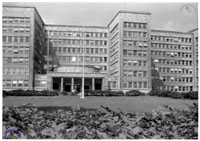
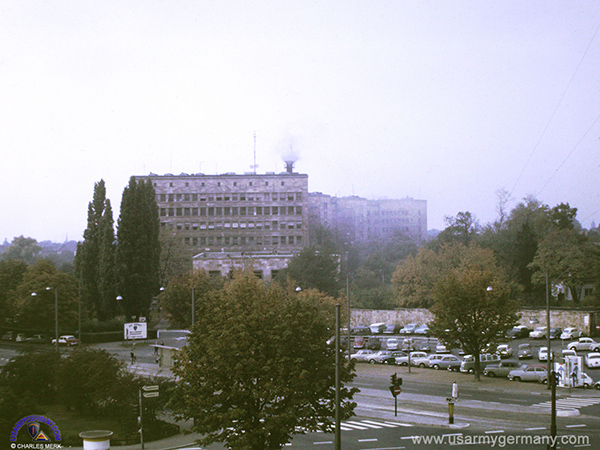 IG Farben Building, initial headquarters for US Army Area Command, 1964 (Charles Merk) |
||||||||||||||||||||||||||||||||||||||||||||||||||||||||||||||||||||||||||||||||||||||||||||||||||||||||||||||||||||||
| Commanding Generals, U.S. Army Area Command | ||||||||||||||||||||||||||||||||||||||||||||||||||||||||||||||||||||||||||||||||||||||||||||||||||||||||||||||||||||||
1964 - 1967 (list is complete) (1)
(2) Col Gershenow was the last commander of NACom. He assumed interim command of the newly established US Army Area Command on 1 July 1964. (3) MG Stoughton was the first and only commanding general of US Army Area Command. USAACom was inactivated on June 30, 1967 and its mission taken over by the US Army Communications Zone, Europe in Worms. |
||||||||||||||||||||||||||||||||||||||||||||||||||||||||||||||||||||||||||||||||||||||||||||||||||||||||||||||||||||||
| 1964 | ||||||||||||||||||||||||||||||||||||||||||||||||||||||||||||||||||||||||||||||||||||||||||||||||||||||||||||||||||||||
| (Source: STARS & STRIPES, June 26, 1964) | ||||||||||||||||||||||||||||||||||||||||||||||||||||||||||||||||||||||||||||||||||||||||||||||||||||||||||||||||||||||
| On July 1, 1964 US Army Area Command (USAACom) will formally be activated at Frankfurt to replace Northern Area Command (NACom) and Southern Area Command (SACom). The new consolidated support and service command will be headquartered at the IG Farben Building and assume responsibility for the missions, areas and functions of these two organizations. First CO of the new command will be Col Louis Gershenow (current CO of NACom). The boundaries of the current NACom and SACom posts remain unchanged except for Nuernberg Post which will now include Bamberg Sub-Post. SACom HQ will become Munich Post on July 1. USAACom will be organized into 11 post areas. These posts and their commanders are: |
||||||||||||||||||||||||||||||||||||||||||||||||||||||||||||||||||||||||||||||||||||||||||||||||||||||||||||||||||||||
|
||||||||||||||||||||||||||||||||||||||||||||||||||||||||||||||||||||||||||||||||||||||||||||||||||||||||||||||||||||||
| (Source: STARS & STRIPES, June 27, 1966) | ||||||||||||||||||||||||||||||||||||||||||||||||||||||||||||||||||||||||||||||||||||||||||||||||||||||||||||||||||||||
| Aviation Section, USAACom The Aviation Section of US Army Area Command was formed in August 1964. The unit comprises one fixed-wing aircraft, a U-8D SEMINOLE (until 1962, known as the L-23D). Two pilots (Capt Marvin E. Humphrey, section chief, and 1st Lt William F. Reilly, Jr.) and two ground crew (Spec 5 Charles Cable, crew chief, and Spec 4 Joseph E. Harbinson, mechanic) are assigned to the section. The Section uses a hangar on the German air base at Neubiberg (south of McGraw Kaserne) as its home base. |
||||||||||||||||||||||||||||||||||||||||||||||||||||||||||||||||||||||||||||||||||||||||||||||||||||||||||||||||||||||
| (Source: STATION LIST, June 1966) | ||||||||||||||||||||||||||||||||||||||||||||||||||||||||||||||||||||||||||||||||||||||||||||||||||||||||||||||||||||||
|
||||||||||||||||||||||||||||||||||||||||||||||||||||||||||||||||||||||||||||||||||||||||||||||||||||||||||||||||||||||
| (Source: Email from Larry R Ward, Det 1, SSU, Frankfurt) | ||||||||||||||||||||||||||||||||||||||||||||||||||||||||||||||||||||||||||||||||||||||||||||||||||||||||||||||||||||||
I served in Det 1 of the USA Signal Service Unit, IG Farben Bldg,
Frankfurt, APO 09757 from July 1963/Dec 1965.
I was wondering if that unit is still active and working? We were part of
the Northern Area Command at the time, and had several detachments in
various cities in West Germany. |
||||||||||||||||||||||||||||||||||||||||||||||||||||||||||||||||||||||||||||||||||||||||||||||||||||||||||||||||||||||
|
||||||||||||||||||||||||||||||||||||||||||||||||||||||||||||||||||||||||||||||||||||||||||||||||||||||||||||||||||||||
| Northern Area Command | ||||||||||||||||||||||||||||||||||||||||||||||||||||||||||||||||||||||||||||||||||||||||||||||||||||||||||||||||||||||
|
||||||||||||||||||||||||||||||||||||||||||||||||||||||||||||||||||||||||||||||||||||||||||||||||||||||||||||||||||||||
| The Northern Area Command was established in Frankfurt, Germany, on December 1, 1952, pursuant to General Order 27, USAREUR, October 27, 1952. It replaced the Frankfurt Military Post. Its jurisdiction initially included the districts of Frankfurt and Würzburg. On March 1, 1959, it gained from the discontinued Western Area Command the districts of Baumholder, Bad Kreuznach, Pirmasens, Worms, Mainz, Kaiserslautern, and Koblenz. The Northern Area Command was discontinued on July 1, 1964, in accordance with General Order 192, USAREUR, May 14, 1964, with functions transferred to the U.S. Army Area Command. |
||||||||||||||||||||||||||||||||||||||||||||||||||||||||||||||||||||||||||||||||||||||||||||||||||||||||||||||||||||||
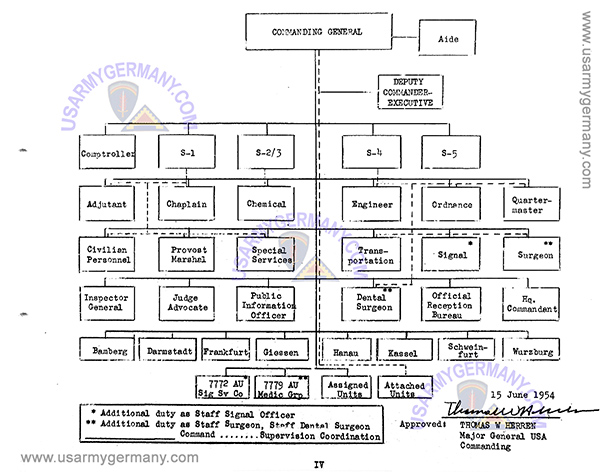 A wire diagram of the Northern Area Command as of June 1954 (Webmaster's collection) |
||||||||||||||||||||||||||||||||||||||||||||||||||||||||||||||||||||||||||||||||||||||||||||||||||||||||||||||||||||||
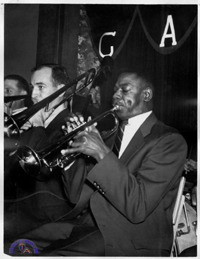
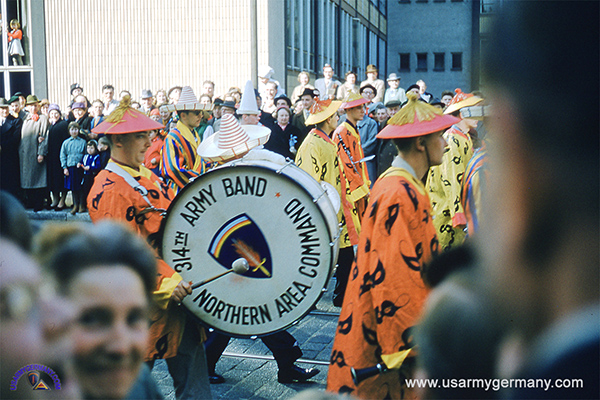 The 314th Army Band - appropriately attired in colorful costumes - participates in a German Faschings parade in Frankfurt (Webmaster's collection) |
||||||||||||||||||||||||||||||||||||||||||||||||||||||||||||||||||||||||||||||||||||||||||||||||||||||||||||||||||||||
| Commanding Generals, Northern Area Command | ||||||||||||||||||||||||||||||||||||||||||||||||||||||||||||||||||||||||||||||||||||||||||||||||||||||||||||||||||||||
1952 - 1964 (list is still incomplete) (1)
(2) BG Perry was the commanding general of the Frankfurt Post and assumed command of the Northern Area Command when it was established in December 1952. (3) MG Adams assumed command of US Army Forces in the Middle East during the Lebanon Crisis of 1958 where he directed U.S. Army and Marine forces in the landings in Lebanon. (4) The STARS & STRIPES announced on Aug 16, 1958 that MG Lindquist had been selected to replace MG Adams as CG of NACom. However, in September the newspaper reported that the general had been named to head the MAAG in Iran, effective Oct 15, 1958. So, it is not clear if MG Lindquist ever assumed command of NACom for the short period Sept-Oct, 1958 or not. If anyone has information on who was in command of NACom for the period July 1958 - January 1959, I would like to hear from them. (5) Col Gershenow was the last commander of NACom. He assumed command of the newly established US Army Area Command on 1 July 1964. |
||||||||||||||||||||||||||||||||||||||||||||||||||||||||||||||||||||||||||||||||||||||||||||||||||||||||||||||||||||||
| 1956 | ||||||||||||||||||||||||||||||||||||||||||||||||||||||||||||||||||||||||||||||||||||||||||||||||||||||||||||||||||||||
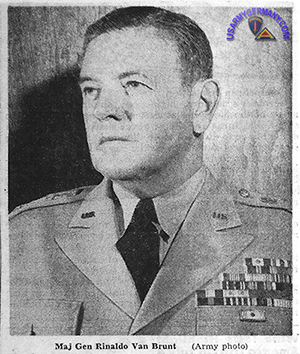 MG Rinaldo Van Brunt, CG NACom, 1956-1957 |
||||||||||||||||||||||||||||||||||||||||||||||||||||||||||||||||||||||||||||||||||||||||||||||||||||||||||||||||||||||
| 1957 | ||||||||||||||||||||||||||||||||||||||||||||||||||||||||||||||||||||||||||||||||||||||||||||||||||||||||||||||||||||||
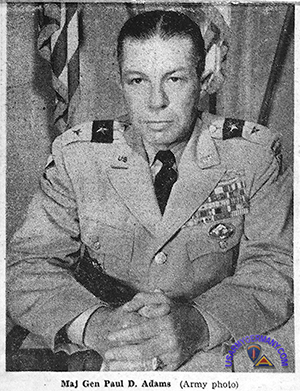 MG Paul D. Adams, CG NACom, 1957-1958 |
||||||||||||||||||||||||||||||||||||||||||||||||||||||||||||||||||||||||||||||||||||||||||||||||||||||||||||||||||||||
| 1962 | ||||||||||||||||||||||||||||||||||||||||||||||||||||||||||||||||||||||||||||||||||||||||||||||||||||||||||||||||||||||
| (Source: STARS & STRIPES, 3 Dec 1962) | ||||||||||||||||||||||||||||||||||||||||||||||||||||||||||||||||||||||||||||||||||||||||||||||||||||||||||||||||||||||
| One of the biggest jobs handled by NACom and which concerns every soldier in Germany, whether he's a member of NACom or other commands, is the 28th Base Post Office. It is the world's biggest BPO and processes virtually all the mail entering and leaving, this country by air or surface transport. | ||||||||||||||||||||||||||||||||||||||||||||||||||||||||||||||||||||||||||||||||||||||||||||||||||||||||||||||||||||||
|
||||||||||||||||||||||||||||||||||||||||||||||||||||||||||||||||||||||||||||||||||||||||||||||||||||||||||||||||||||||
| 1963 | ||||||||||||||||||||||||||||||||||||||||||||||||||||||||||||||||||||||||||||||||||||||||||||||||||||||||||||||||||||||
| (Source: STARS & STRIPES, 30 Nov 1963) | ||||||||||||||||||||||||||||||||||||||||||||||||||||||||||||||||||||||||||||||||||||||||||||||||||||||||||||||||||||||
| NACom to Celebrate
11th Anniversary By RALPH BENNINGTON Staff Writer FRANKFURT (S&S) - The Northern Area Comd (NACom) celebrates its 11th anniversary Sunday at headquarters here and throughout the 12 posts and 12 subposts that fall under the largest Army area command in Europe. While Frankfurt has been a major Army center since the end of World War II and known as everything from the Frankfurt Compound to Frankfurt Military Post, the NACom designation did not come into being until Dec. 1, 1952. Encompassing more than 36,000 miles of territory extending from the Luxembourg and France borders to the East Zone of Germany in the northeast and above Kassel in the north, NACom provides garrison-type, logistical and administrative support to an American military community of more than a quarter of a million. |
||||||||||||||||||||||||||||||||||||||||||||||||||||||||||||||||||||||||||||||||||||||||||||||||||||||||||||||||||||||
|
||||||||||||||||||||||||||||||||||||||||||||||||||||||||||||||||||||||||||||||||||||||||||||||||||||||||||||||||||||||
| (Source: Email from William Moorehead) | ||||||||||||||||||||||||||||||||||||||||||||||||||||||||||||||||||||||||||||||||||||||||||||||||||||||||||||||||||||||
| 74th Army Postal Unit I was stationed with the 74th from Sept.1, 1959 til April 2, 1962. After Postal School I was sent to Fort Dix, NJ for 3 weeks OJT with the 22nd Base Post Office. Then was sent to Germany on the USNS Upshur and came home on the USNS Rose. The 74th had One Postal Officer and 16 enlisted men of which 3 men were stationed at Zweibruecken and operated APO 872. We also had 2 one-man units. Unit 1 was in the basement of one of the buildings in the dependent housing area just down from the PX and Unit 2 was in Muenchweiler at the 225th Station Hospital. I was assigned to Unit 1 from Oct 1959 thru March 1962. I also worked Unit 2 a few times. The 74th Army Postal Unit was responsible for providing mail service to the Army Units in and around Pirmasens also to the dependents. We received our mail from APO 227 in Kaiserslautern which acted as our Base Post Office until the Berlin Crisis and then the 22nd Base Post Office was set up in Kaiserslautern and we got our mail from them. I do know that the 22nd was in Manila in the Philippines during WWII and that the 74th & 70th Postal Units were in that area. Best I that I can remember, the 70th Army Postal Unit operated APO 227. I know the Company Commander of the 22nd Base Post Office when it was in Manila, and some of the men that were in the 22nd. I would like to know more history on the 74th Army Postal Unit and if it is still active. |
||||||||||||||||||||||||||||||||||||||||||||||||||||||||||||||||||||||||||||||||||||||||||||||||||||||||||||||||||||||
| POST ENGINEERS | ||||||||||||||||||||||||||||||||||||||||||||||||||||||||||||||||||||||||||||||||||||||||||||||||||||||||||||||||||||||
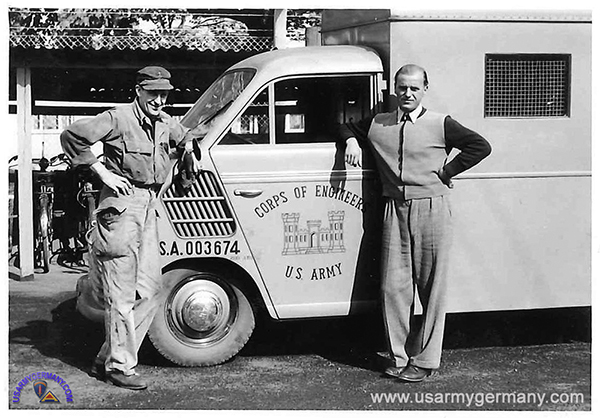 Local nationals assigned to Post Engineers in Frankfurt, early 1950s (Benno Knorr) |
||||||||||||||||||||||||||||||||||||||||||||||||||||||||||||||||||||||||||||||||||||||||||||||||||||||||||||||||||||||
|
||||||||||||||||||||||||||||||||||||||||||||||||||||||||||||||||||||||||||||||||||||||||||||||||||||||||||||||||||||||
| If you have information on the organization or operations of Post Engineers in USAREUR, in general, or in Frankfurt, in particular, please contact the webmaster (see email link at top of page.) | ||||||||||||||||||||||||||||||||||||||||||||||||||||||||||||||||||||||||||||||||||||||||||||||||||||||||||||||||||||||
| ORDNANCE FIELD MAINTENANCE (NACOM) | ||||||||||||||||||||||||||||||||||||||||||||||||||||||||||||||||||||||||||||||||||||||||||||||||||||||||||||||||||||||
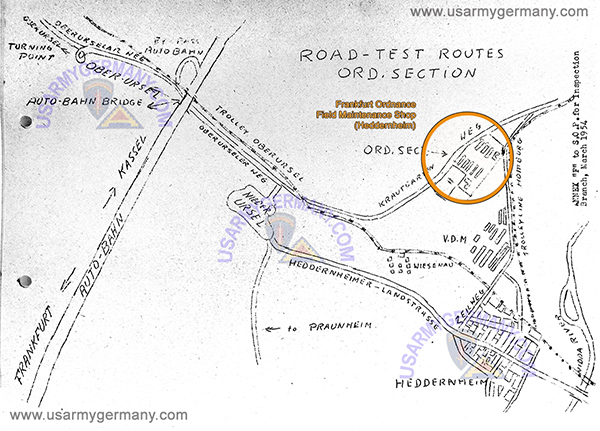 Location of NACOM Ordnance Field Maintenance Shop, Heddernheim (1954) |
||||||||||||||||||||||||||||||||||||||||||||||||||||||||||||||||||||||||||||||||||||||||||||||||||||||||||||||||||||||
| (Source: NACOM SOP 750-2, 11 July 1955) | ||||||||||||||||||||||||||||||||||||||||||||||||||||||||||||||||||||||||||||||||||||||||||||||||||||||||||||||||||||||
The Northern Area Command Ordnance Section operated three field maintenance shops within its area of responsibility:  Heddernheim (Frankfurt) Würzburg Giessen Heddernheim (Frankfurt) Würzburg GiessenThe main shop was in Heddernheim and serviced the Frankfurt, Darmstadt and Hanau sub-areas. The Würburg Sub-shop was located within Leighton Barracks and serviced the Würzburg, Bamberg and Schweinfurt sub-areas. The Giessen Sub-shop was located at 143 Marburger Strasse in Giessen and serviced the Giessen and Kassel sub-areas. These shops provided field maintenance repairs for Ordnance vehicles and small arms. German commercial type vehicles (Ford and Opel sedans, cargo and pick-up trucks, buses) used by the US Army were repaired at German commercial facilities in Cologne (Ford Werke A.G.) and Rüsselsheim (Adam Opel A.G.). The maintenance shops were composed of the following sections:  Production and Control Office Inspection Section Chassis Repair Section Body Repair Section Paint Preparation and Paint Section Lubrication Section Service Section Small Arms Repair Section Production and Control Office Inspection Section Chassis Repair Section Body Repair Section Paint Preparation and Paint Section Lubrication Section Service Section Small Arms Repair Section
|
||||||||||||||||||||||||||||||||||||||||||||||||||||||||||||||||||||||||||||||||||||||||||||||||||||||||||||||||||||||
|
||||||||||||||||||||||||||||||||||||||||||||||||||||||||||||||||||||||||||||||||||||||||||||||||||||||||||||||||||||||
| NACOM Signal Section / 7772 SIGNAL SERVICE COMPANY -- later redesignated as SSU, Frankfurt | ||||||||||||||||||||||||||||||||||||||||||||||||||||||||||||||||||||||||||||||||||||||||||||||||||||||||||||||||||||||
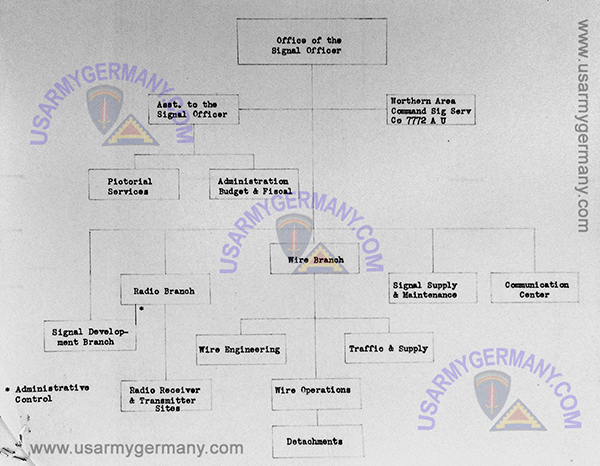 NACOM Signal Section, Organization 1954 (Webmaster's collection) |
||||||||||||||||||||||||||||||||||||||||||||||||||||||||||||||||||||||||||||||||||||||||||||||||||||||||||||||||||||||
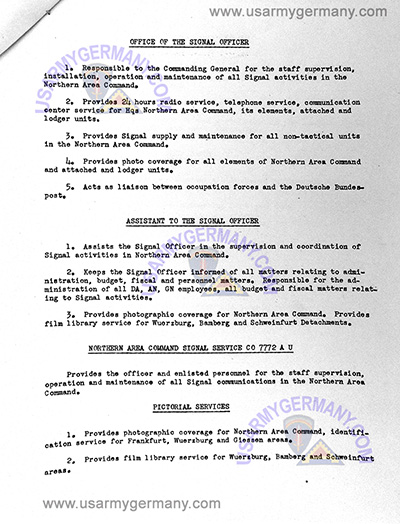 Functional Statements, Signal Section, March 1954 (Click on image to see all three pages) |
||||||||||||||||||||||||||||||||||||||||||||||||||||||||||||||||||||||||||||||||||||||||||||||||||||||||||||||||||||||
| 1955 | ||||||||||||||||||||||||||||||||||||||||||||||||||||||||||||||||||||||||||||||||||||||||||||||||||||||||||||||||||||||
| (Source: Email from Bob Mathewes, 7772 AU, 1955-56) | ||||||||||||||||||||||||||||||||||||||||||||||||||||||||||||||||||||||||||||||||||||||||||||||||||||||||||||||||||||||
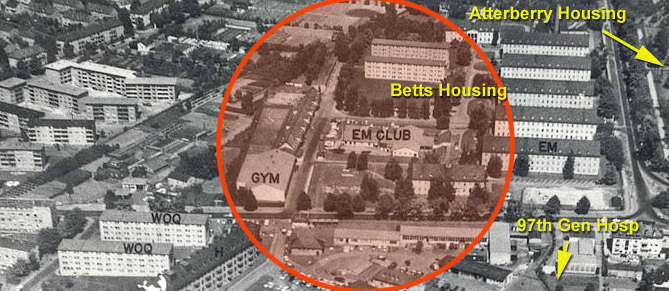
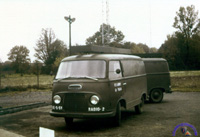
The 7772 AU was the Northern Area Command Signal Service Company. Technically our CO was the NACOM Signal Officer. That was a “Bird” Colonel”. We seldom saw him. An Adjutant who was a Lieutenant ran the company. I got there in early 1955. I was fresh out of the Southeastern Signal School at Camp Gordon in Augusta, GA. My MOS was Teletype Repair (I think the number was 2615). We shipped over on the USNS General W. G. Haan. On 1 March we stopped in Southampton to disembark some personnel. (I still have the ship newsletter from that day.) From there, it was on to Bremerhaven. I was really glad to get my feet on dry land. I was sea sick most of the way. I remember seeing ice in the harbor and thinking that this was not something a South Carolina boy was accustomed to. We loaded on a train and rode all night to the replacement center in Zweibrücken. My fondest recollection of that stop was the wonderful breakfast. It was the first meal and almost two weeks that I really enjoyed. From Zweibrücken we went all over Europe. I traveled by train to Frankfurt am Main, arriving at the Hauptbahnhof about dark. I heard someone shouting, “Who’s for the Deuce”. I didn’t know what the hell the “Deuce” was so I didn’t respond. It wasn’t until he said , “the 7772" that I knew he was looking for us (I think there were three of us). We loaded into a ¾-ton truck for the ride out. The men we were replacing hadn’t rotated yet so they bunked us in the supply room in the basement. Our barracks were near those of the 97th General Hospital although they were not behind the wire with the 97th. We were actually in the Atterbury Housing area. We shared the building with the 7770 Quartermaster SV Det. I have no memory of that other than the sign in one of the attached photos. I do remember there was another outfit in the far end of the building. Although our HQ was in Frankfurt, we had detachments in other places but I don’t remember where. In Frankfurt, our people worked in the Communications Center in the Headquarters building downtown. That was the old I.G. Farben Building. We had a small Signal Corps warehouse and maintenance facility within a short walk of our barracks. That was where I worked. We repaired radios and teletype equipment. Our main maintenance people were about equally divided between GIs & German civilians. The NCOIC for the maintenance side was SFC Maxwell and the NCOIC in the warehouse was Staff Sgt. Robert Johnson. Our AOR ran from Darmstadt in the south to Kassel in the north. I remember we also had a photo lab but I was never there. Later on, they moved us behind the wire with the 97th General Hosp. people. We had service calls at all hours and now we had to account for our late night comings and goings to a sentry at the gate. We didn’t have that problem in the old barracks and none of us like it. Shortly after my arrival we swapped our American made ¾-ton trucks for German built Ford Taunus vans. I remember we had to put sandbags over the rear wheels in the winter to keep the rear end from sliding. On cold nights, someone was detailed to start them all every hour. We ate our meals at a consolidated mess at Gibbs Barracks. There was a theater, EM Club and snack bar within rock throwing distance of our barracks. A block or so away was Herbie’s Gasthaus. You could still see along the side of Herbie’s building where it had been stitched by a machine gun. I was there until May or June of 1956 when I rotated back. Every man in the outfit who came back to the ZI while I was there came by air. When it came my turn they sent me by sea. I don’t have anything in the way of a roster I can give you some names and hometowns from notes on my pictures. My closest friends were Kenneth L. Davis of Hays City, Kansas; Jim Kerns of Storm Lake, Iowa and Bob Greenawalt of PA. |
||||||||||||||||||||||||||||||||||||||||||||||||||||||||||||||||||||||||||||||||||||||||||||||||||||||||||||||||||||||
|
||||||||||||||||||||||||||||||||||||||||||||||||||||||||||||||||||||||||||||||||||||||||||||||||||||||||||||||||||||||
|
||||||||||||||||||||||||||||||||||||||||||||||||||||||||||||||||||||||||||||||||||||||||||||||||||||||||||||||||||||||
| 1956 | ||||||||||||||||||||||||||||||||||||||||||||||||||||||||||||||||||||||||||||||||||||||||||||||||||||||||||||||||||||||
| (Source: Email from Robert (Scott) Alexander) | ||||||||||||||||||||||||||||||||||||||||||||||||||||||||||||||||||||||||||||||||||||||||||||||||||||||||||||||||||||||
| I was stationed in Frankfurt from 1956-1957 in the IG Hochhaus. I was part of the Northern Area Command and we operated a telephone system that connected military bases in the Northern Area Command. If you have any information about my group I would appreciate it. Just wanted to say thanks for all you have done with your website, it truly is a wonderful to see all of areas again. | ||||||||||||||||||||||||||||||||||||||||||||||||||||||||||||||||||||||||||||||||||||||||||||||||||||||||||||||||||||||
| I have your email and I will attempt to answer your questions as best my 73 year old memory can do. To the best of my knowledge, the Northern Area Command was an organization set up to do house keeping duties for units of the Seventh Army and in the Northern Area of V Corps of the 7th Army. Hitler had barracks in many small towns in Germany which were called Kasernes. Our troops occupied many of these barracks in anticipation that the “balloon would go up” (the Russians would attack West Germany}. This was in 1956 and 1957. Ike had left the I.G. Hochhaus and was then President of the USA. The Hochhaus was then V Corps headquarters of the 7th Army. Their headquarters troops were billeted in a barracks in Frankfurt, the name of which I have forgotten, not too far from the Hochhaus where our company of troops was also billeted. Our office was on the first floor of the Hochhaus. I had a large manual switchboard on the 7th floor, or attic, of the Hochhaus. The operators were all German nationals employed by the Army although I had a Master Sgt. in charge. I reported to Captain Ishmael Benton who reported to a Major who reported to a Lt. Colonel. Our secretary was a very nice German lady. We provided fixed plant communications for V Corps fighting units. We had dial exchanges in the barracks that Hitler’s troops had occupied, and they were connected by a dial network which was good for it’s time. All circuits were leased from the Deutsche Bundespost, which is the German post office, that operates the German telephone system. Many of our workers were German nationals supervised by military personnel. The equipment we used was all German, usually manufactured by Siemens und Halske, now known as Siemens. We also had some equipment from a firm by the name of Telefonbau und Normalzeit AG. I went to a school put on by this company for US troops, explaining how their switching equipment worked. T und N also manufactured vending machines. We also operated some sort of a radio network which was for emergency use only. We tested it nightly. We also operated a Com Center which had full encryption capabilities. I do not remember who the traffic was for but I presume V Corps since it was across the street from their barracks. I was not involved in this operation and never did know much about it. Most of the engineers for these activities, except the com center, were German nationals, some of whom had been in the German military. We also had U.S. civilians who had it so good that some of them were happy not to be on US soil. Occasionally we had to stand duty officer for the Northern Area Command. The chief duty was to report the arrival, or not, of the supply convoy that returned nightly from Berlin to West Germany. Sometimes the Russians would stop it and we had to report it to someone. If the balloon went up, our duty was to take military dependents and civilians out of the area to somewhere west in convoys. We were to keep our cars ½ full of gas at all times which we bought from the army at 17 cents per gallon. They wanted us to use a lot because all of the military vehicles ran on gas at that time and the gas only kept for so long. My weapon was a US carbine, caliber 30, M1. As a matter of interest, floors 3 or 4 though 6 of the Hochhaus were full of “spooks.” No one knew who they worked for or what they did. They all wore civilian clothes and dressed like Germans. If a telephone was needed we had to deliver it to an entrance and their com people took it from there. I hope this helps you in your quest for information. It has caused me to think of things not thought of for many years. It is nice to know someone might be interested. |
||||||||||||||||||||||||||||||||||||||||||||||||||||||||||||||||||||||||||||||||||||||||||||||||||||||||||||||||||||||
| 1957 | ||||||||||||||||||||||||||||||||||||||||||||||||||||||||||||||||||||||||||||||||||||||||||||||||||||||||||||||||||||||
| (Source: Email from Don Follett, 7772 Sig Svc Co, 1957-58) | ||||||||||||||||||||||||||||||||||||||||||||||||||||||||||||||||||||||||||||||||||||||||||||||||||||||||||||||||||||||
I recently reviewed the photos and stories about the Northern Area Command. Great job.
I served in Frankfurt from Feb. 1957 to Oct. 1958. Along with Alexander I served with the 7772 Signal Svc Co and was the admin-budget officer with many other duties. We provided telephone, radio, and photo fixed installation support to many V Corp units. We maintained a large photo lab and signal maintenance shop. Northern Area Command was commanded then by MG Paul D. Adams from mid-1957 to mid 1958, when he was dispatched to Beirut Lebanon, I believe to be in command of all land troops in that action. He took a few signal support people with him. LTG Farrell was the V Corps commander. As always, the budget was a big concern each fiscal year; usually the original allocation at our level was reduced at mid-year. Ordinary quartermaster items and vehicle maintenance such as coal were big items. Recreation: The area was a mecca for military sports with several former big league ball players; good football too. Frankfurt High School had competitive teams as well. I remember big time entertainment came through the town: Johnny Ray, Harry James, Sarah Vaughn; Elvis Presley was assigned to Bad Nauheim, I believe. Alexander was right about the com center in which there were multiple teletype transmitters, and we did some microwave work. A lot of administrative traffic, i.e. quartermaster and other tech service supplies. I remember those Taunus wire trucks. We repaired smaller radio equipment for V Corps. Again, mostly fixed installations, building and post phones and switchboards. Very little, if any, of the tactical units mobile communications. ie the 3d Armored Division had a signal battalion with repair capability. I know, as a junior officer I wound up signing the property book for some 45 telephone exchanges at the various posts and subposts. Without seeing them --- violating a rule I was taught at Officer basic training. We also operated the MARS facility for Frankfurt (kind of ham operator/station to US and home stations). I expect V Corps signal did the interface with 7th Army. About a year before I left, V Corps sent over an interim Signal Officer (from the IG Farben Bldg) to command the NACOM Signal Division. As a journalism major in college, I was somewhat out of my element. Looking back, I was fortunate to have served with some outstanding signal field operations officers, many of whom who had served in WW II. There were many lieutentants, of course, who were learning along with me. My skills may have been with the photography end of things, but not necessarily the heavy work orders we processed for copy work, and portrait, IG and provost marshal photo support. I went to Off basic at Fort Monmouth in a class of 27, including 25 engineering grads, mostly electrical engineers. After discharge, I went home to the States and to Indiana where I joined the Indiana Guard, 38th Inf Div. Later, I joined the Infantry Reserve component in Minnesota, retiring from the USAR some 30 years later. I wouldn't have predicted that when I was back in Frankfurt. |
||||||||||||||||||||||||||||||||||||||||||||||||||||||||||||||||||||||||||||||||||||||||||||||||||||||||||||||||||||||
| 1958 | ||||||||||||||||||||||||||||||||||||||||||||||||||||||||||||||||||||||||||||||||||||||||||||||||||||||||||||||||||||||
| (Source: Email from Gene Kitchens, 7772 Sig Svc Co, 1958-60) | ||||||||||||||||||||||||||||||||||||||||||||||||||||||||||||||||||||||||||||||||||||||||||||||||||||||||||||||||||||||
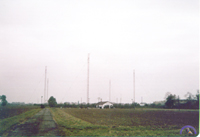
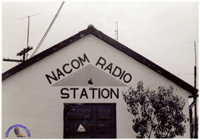
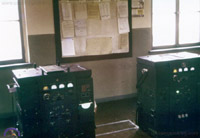
| Just found your web site. Enjoyed reading some of the info on Gibbs Barracks and the units assigned there. I was assigned to the 7772 Signal Service Company from April 1958 to April 1960 at Gibbs Barracks. I worked at the transmitter site (NACOM Radio Station). I have been trying to remember the street names on how we got to the NACOM Radio Station site for decades, but I just cannot remember. It's funny how you can drive somewhere at least 4 times a day and not remember the names of the streets. I know we usually left Gibbs out the back gate through the Gibbs Housing Area. After that we traveled on several different streets (I believe east) until we came to a farming area. It was really out in the boon-docks. There were no other military installations anywhere close by. Took about 30 minutes to get there from Gibbs (much longer if it was snowing or foggy). We referred to the NACOM Radio Station as the transmitter site, but it was also a receiver station. It was just the way we referred to the site. We thought of a radio station as something you listen to while in your car. The Army called it a radio station, we called it the transmitter site. Sort of like the official name was Gibbs Barracks, but I never heard anyone call it anything other than Gibbs Kaserne. NACOM radio station was a complete radio station. It was voice and morse code. Mostly morse code. The first week of April 1960, as I was getting ready to leave Frankfurt, the NACOM radio station was being moved to the top floor of the Farben building. The old site was apparently abandoned, or given back to the farmers. I never worked in the Farben building. They were just bringing the equipment over and installing everything when I left. I believe the radio station was just a backup site in case something happened to the Farben building. Since I was not an operator, don't hold me to this, but I seem to remember sometimes the operators would get a message via teletype to relay that message on to all of the other stations on the net, but mostly the operators just seem to practice their morse code and would send practice messages back and forth to each other. Many posts in NACOM were on the radio net with our radio station. I'm not sure how many, but I know at least five, probably more. Every hour I remember the radio operators were required to call each station by morse code and log their response as to signal strength and probably to see if they were still awake. Our station was the HQ. Our call sign was JW. The other stations had call signs of JW1, JW2, JW3, etc. It must have been tough to stay awake especially on the midnight shift. It was really lonely out there all by yourself. Only 1 radio operator worked each shift. Gibbs was used just for billeting, and of course we ate there also. The 7772nd Sig. Svc. Co. had no communication center of its own. Some members of the unit did work at a comm ctr. in the Farben building. That is where I believe the main teletype communications of NACOM was set up. The 7772nd was just as the name suggests, a service company. Members worked at many different locations around Frankfurt doing jobs such as Radio Repair, Radio Operator, Teletype Repair. Lineman, Antenna repairs and installation, etc. One person ran the MARS station in the Farben building. During my 2 years at Gibbs, the members assigned to the radio station were mostly billeted at Gibbs. However for about 6 months we actually lived at the radio station and came into Gibbs for our meals. The cooks at Gibbs had box lunches left out at breakfast for those who could not return for lunch like the radio operators. Many times I would also pick up a box lunch so I didn't have to make the trip back. The radio station had a refrigerator and stove we could use. That was an experiment that I guess the powers to be had second thoughts about, so they had us move back to Gibbs. We loved it while it lasted however. We lived there about the same time that I was assigned along with 1 operator to man a 1 1/2 ton communications truck. This truck included communication equipment that one could only imagine having. We brought up the rear of a convoy that practiced occasionally to evacuate civilian personnel if needed. I guess the commies were acting up then. |
||||||||||||||||||||||||||||||||||||||||||||||||||||||||||||||||||||||||||||||||||||||||||||||||||||||||||||||||||||||
|
||||||||||||||||||||||||||||||||||||||||||||||||||||||||||||||||||||||||||||||||||||||||||||||||||||||||||||||||||||||
| 1960 | ||||||||||||||||||||||||||||||||||||||||||||||||||||||||||||||||||||||||||||||||||||||||||||||||||||||||||||||||||||||
| (Source: STARS & STRIPES, May 4, 1960) | ||||||||||||||||||||||||||||||||||||||||||||||||||||||||||||||||||||||||||||||||||||||||||||||||||||||||||||||||||||||
| Heidelberg Signal Branch, NACom The Signal Br provides telephone, teletype, and pictorial services to the Heidelberg and Karlsruhe Posts. It also provides film equipment, and signal supply and maintenance support to the two military posts. The organization is staffed with two officers and 45 enlisted men. It is located at Funari Barracks in Mannheim. |
||||||||||||||||||||||||||||||||||||||||||||||||||||||||||||||||||||||||||||||||||||||||||||||||||||||||||||||||||||||
| 1961 | ||||||||||||||||||||||||||||||||||||||||||||||||||||||||||||||||||||||||||||||||||||||||||||||||||||||||||||||||||||||
| (Source: STARS & STRIPES, May 16, 1961) | ||||||||||||||||||||||||||||||||||||||||||||||||||||||||||||||||||||||||||||||||||||||||||||||||||||||||||||||||||||||
| There are Northern Area Command major tape relay stations at Frankfurt, Kaiserslautern and Mannheim. They are all important links in STARCOM -- the strategic (global) Army communications network. The teletype network operates under the supervision of the NACom Signal Division. The Frankfurt tape relay station is located in the I.G. Farben Building and provides around-the-clock classified teletype facilities for the NACom Commander and the commanders of lodger units in Frankfurt. (Lodger ... Station staff consists of one officer, one DAC, 35 enlisted men and nine local nationals. (DAC ... Department of the Army Civilian) The average time for "originating traffic" is 19 minutes (from the time it is delivered to the communications center to the time it is actually punched out on the teletype for circuit transmission). "Transmission time" is 2 minutes - the time it takes to relay a message station to station. |
||||||||||||||||||||||||||||||||||||||||||||||||||||||||||||||||||||||||||||||||||||||||||||||||||||||||||||||||||||||
| 1962 | ||||||||||||||||||||||||||||||||||||||||||||||||||||||||||||||||||||||||||||||||||||||||||||||||||||||||||||||||||||||
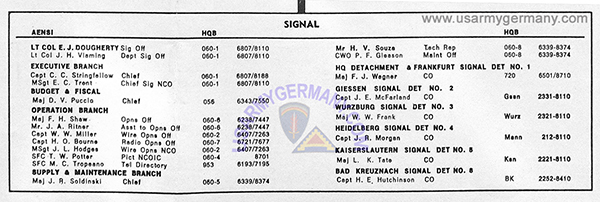 NACom Signal Section key personnel, January 1962 |
||||||||||||||||||||||||||||||||||||||||||||||||||||||||||||||||||||||||||||||||||||||||||||||||||||||||||||||||||||||
| (Source: STARS & STRIPES, February 20, 1962) | ||||||||||||||||||||||||||||||||||||||||||||||||||||||||||||||||||||||||||||||||||||||||||||||||||||||||||||||||||||||
| The NACom Signal Service Unit is responsible for providing fixed wire, radio, pictorial and (signal) maintenance support for Northern Area Command. Its area of responsibility covers more than 22,500 square miles and includes 12 posts and 13 sub-posts. The unit provides support to headquarters NACom, NACom posts and sub-posts, as well as units assigned or attached to NACom and lodger units within the AOR. That support includes operating telephone exchanges, tape relay centers, photo laboratories, film libraries and maintenance and supply centers. There are 37,484 telephones installed in NACom with 78 dial exchanges. One-third of the telephones is controlled from the IG Farben Building in Frankfurt with twenty-two exchanges coming from the central exchange on the seventh floor. In the tape relay center located in the basement of the IG Farben Bldg close to 40,000 messages are handled each month. (The theater's largest tape relay center, at Pirmasens, is also located within the AOR of NACom. This center, however, comes under the direct control of STRATCOM. All messages coming into Europe go through this tape relay center first. Air-ground communications at the 25 airfields in NACom is also a responibility of the SSU. The film library at Heddernheim is one of the largest in the Army, with more than 4,000 films. (A projectionist school is run there also.) The NACom film laboratory is also located at Heddernheim. There are six signal detachments that fall under the SSU -- The largest detachment being the Frankfurt Signal Det. |
||||||||||||||||||||||||||||||||||||||||||||||||||||||||||||||||||||||||||||||||||||||||||||||||||||||||||||||||||||||
| 1963 | ||||||||||||||||||||||||||||||||||||||||||||||||||||||||||||||||||||||||||||||||||||||||||||||||||||||||||||||||||||||
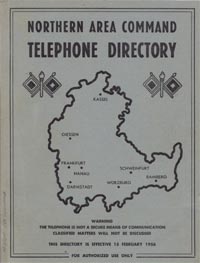
| (Source: NACom Telephone Directory (Administrative), February 23, 1963) | ||||||||||||||||||||||||||||||||||||||||||||||||||||||||||||||||||||||||||||||||||||||||||||||||||||||||||||||||||||||
|
||||||||||||||||||||||||||||||||||||||||||||||||||||||||||||||||||||||||||||||||||||||||||||||||||||||||||||||||||||||
|
||||||||||||||||||||||||||||||||||||||||||||||||||||||||||||||||||||||||||||||||||||||||||||||||||||||||||||||||||||||
|
|
||||||||||||||||||||||||||||||||||||||||||||||||||||||||||||||||||||||||||||||||||||||||||||||||||||||||||||||||||||||
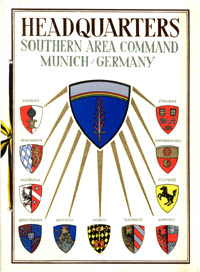
| Southern Area Command | ||||||||||||||||||||||||||||||||||||||||||||||||||||||||||||||||||||||||||||||||||||||||||||||||||||||||||||||||||||||
|
||||||||||||||||||||||||||||||||||||||||||||||||||||||||||||||||||||||||||||||||||||||||||||||||||||||||||||||||||||||
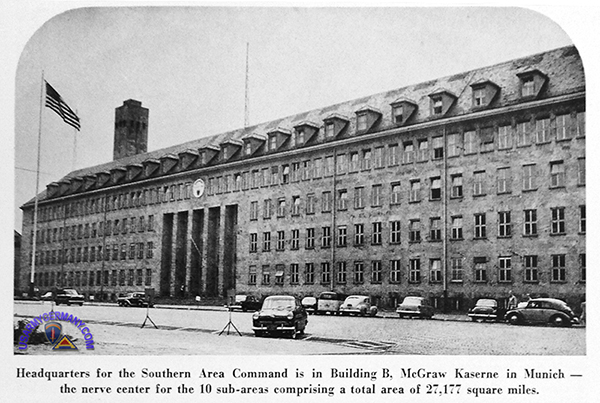 SACom Headquarters building, 1955 (Webmaster's collection) |
||||||||||||||||||||||||||||||||||||||||||||||||||||||||||||||||||||||||||||||||||||||||||||||||||||||||||||||||||||||
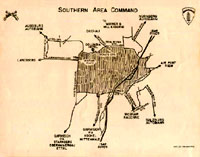
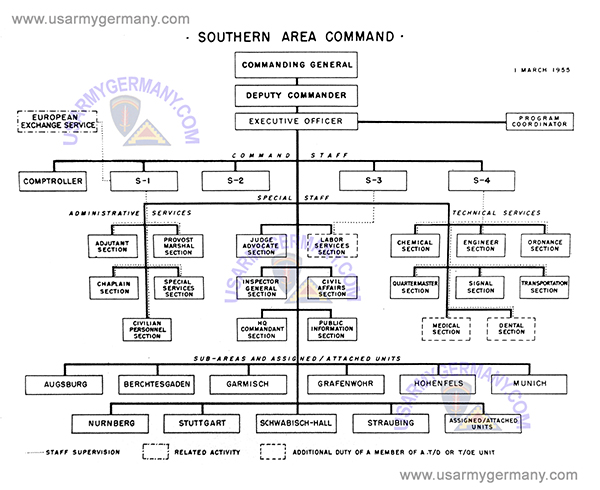 A wire diagram of the Southern Area Command as of March 1955 (Webmaster's collection) |
||||||||||||||||||||||||||||||||||||||||||||||||||||||||||||||||||||||||||||||||||||||||||||||||||||||||||||||||||||||
| Commanding Generals, Southern Area Command | ||||||||||||||||||||||||||||||||||||||||||||||||||||||||||||||||||||||||||||||||||||||||||||||||||||||||||||||||||||||
1952 - 1964 (list is still incomplete) (1)
(2) MG Cramer was the commanding general of the Munich Military Post and assumed command of the Southern Area Command when it was established in December 1952. The General died of a sudden heart attack while hunting near Hohenfels on February 20, 1954. (3) MG Dabney was reassigned in June 1954 to Trieste, Italy where he became the commanding general of the TRUST (Triest US Troops) command, after TRUST's commander, Maj Gen Bernice M. McFadyen became seriously ill earlier in the month. (4) Col Miller was the last commander of SACom. |
||||||||||||||||||||||||||||||||||||||||||||||||||||||||||||||||||||||||||||||||||||||||||||||||||||||||||||||||||||||
| 1954 | ||||||||||||||||||||||||||||||||||||||||||||||||||||||||||||||||||||||||||||||||||||||||||||||||||||||||||||||||||||||
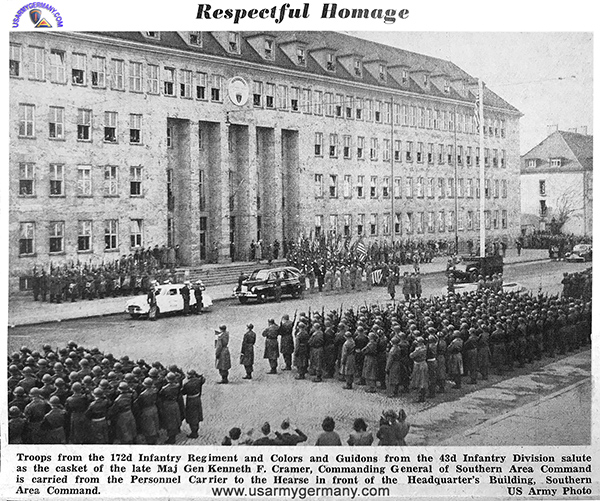 Maj Gen Kenneth F. Cramer, commanding general Southern Area Command, died of a heart attack while hunting in the Hohenfels area in February 1954. High military and civilian dignitaries attended funeral services for the general held on February 25 at SACom Headquarters in Munich. |
||||||||||||||||||||||||||||||||||||||||||||||||||||||||||||||||||||||||||||||||||||||||||||||||||||||||||||||||||||||
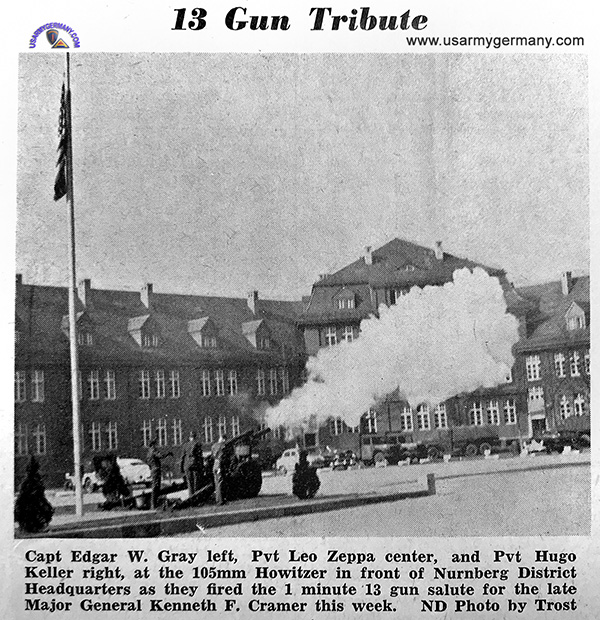 Nurnberg District Headquarters at W. O. Darby Kaserne, Fürth, honors the late SACom CG, MG Cramer, with a 13-gun salute in 1954 (NURNBERG POST newspaper) |
||||||||||||||||||||||||||||||||||||||||||||||||||||||||||||||||||||||||||||||||||||||||||||||||||||||||||||||||||||||
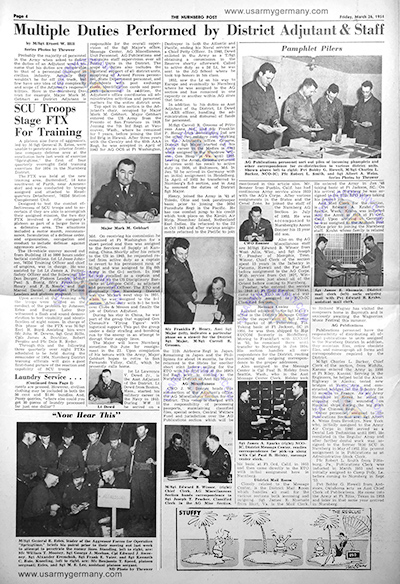 The role of the Nurnberg District Adjutant section in 1954 (NURNBERG POST) |
||||||||||||||||||||||||||||||||||||||||||||||||||||||||||||||||||||||||||||||||||||||||||||||||||||||||||||||||||||||
| 1955 | ||||||||||||||||||||||||||||||||||||||||||||||||||||||||||||||||||||||||||||||||||||||||||||||||||||||||||||||||||||||
| (Source: Welcome Brochure, HQ SACom, 1955) | ||||||||||||||||||||||||||||||||||||||||||||||||||||||||||||||||||||||||||||||||||||||||||||||||||||||||||||||||||||||
|
||||||||||||||||||||||||||||||||||||||||||||||||||||||||||||||||||||||||||||||||||||||||||||||||||||||||||||||||||||||
| 1956 | ||||||||||||||||||||||||||||||||||||||||||||||||||||||||||||||||||||||||||||||||||||||||||||||||||||||||||||||||||||||
| (Source: STARS & STRIPES, Sept 28, 1956) | ||||||||||||||||||||||||||||||||||||||||||||||||||||||||||||||||||||||||||||||||||||||||||||||||||||||||||||||||||||||
| SACom to Reorganize 10 Subareas on Nov. 1 MUNICH, Sept 27 (Special) - The subareas of the Southern Area Comd will be reorganized on Nov. 1 as directed by SACom Hq. The 10 subareas will be consolidated into four subareas covering the same geographical limits as before and still operating under SACom Hq. Officials foresee only minor personnel changes, since the same amount of work in the way of logistical support of tactical units is still required of SACom. "Purpose of the reorganizaiton," said. Maj Gen Numa A. Watson, SACom CG, "is to realign our command lines moreclosely to our logistical support channels." Four New Areas The four SACom subareas after Nov. 1 will be Stuttgart, Nurnberg, Munich and Garmisch. Former subarea headquarters will continue many of their logistical functionc as stations under the new subareas. The new Stuttgart Subarea will incorporate the Schwaebisch Hall Subarea and five counties from the Augsburg Subarea -- Noerdlingen, Dillingen/Donau, Guenzburg, Neu ULM and Ulm. The new Nurnberg Subarea will include the former Grafenwoehr and Hohenfels subareas. The new Munich Subarea will incorporate Berchtesgaden, Straubing and the rest of Augsburg. Garmisch Subarea will remain the same for the present. Recreational activities of the present Berchtesgaden Subarea will be under the direct operational control of SACom Hq, while logistical activities will be under the Munich Subarea. One Command Change Only one change in command is involved. Col Russell W. Schmelz, commanding officer of the Straubing Subarea, will replace Lt Col Harry N. Payne as commanding officer of the Munich Subarea. Payne is rotating to the US in a few months. Commanders of other subareas scheduled to be eliminated will remain as station commanders. With the change, Watson said, most large tactical units will have to deal with only one subarea for logistical support. For instance, the entire 11th Abn Inf Div and the entire 6th Armd Cav Regt will be within the Munich Subarea. This will eliminate most of the cross-over support between sub-areas. |
||||||||||||||||||||||||||||||||||||||||||||||||||||||||||||||||||||||||||||||||||||||||||||||||||||||||||||||||||||||
| ORDNANCE FIELD MAINTENANCE (SACOM) | ||||||||||||||||||||||||||||||||||||||||||||||||||||||||||||||||||||||||||||||||||||||||||||||||||||||||||||||||||||||
|
||||||||||||||||||||||||||||||||||||||||||||||||||||||||||||||||||||||||||||||||||||||||||||||||||||||||||||||||||||||
| 1954 | ||||||||||||||||||||||||||||||||||||||||||||||||||||||||||||||||||||||||||||||||||||||||||||||||||||||||||||||||||||||
| (Source: STARS & STRIPES, Jan 26, 1954) | ||||||||||||||||||||||||||||||||||||||||||||||||||||||||||||||||||||||||||||||||||||||||||||||||||||||||||||||||||||||
| SACom Ordnance Division operates three Ordnance Field Maintenance Shops: at Munich, Stuttgart, and Nuernberg. One and half years ago, the command started to replace the WWII-vintage trucks with new M-series trucks. A problem arose in the replacement program when it was determined that not all repair parts for the new trucks could be obtained through normal supply channels. SACom Ord Div decided to reclaim or rebuild the parts that could not be replaced. Small reclamation sections were established at each of the three ord field maint shops. Soon these shops were returning to service major and minor vehicle assemblies and spare parts that normally would have been consigned to the scrap heap. Although the original critical situation has been eased, the reclamation shops continue their reclamation mission -- in the past year, for example, they reclaimed 614 vehicle engines at a net savings of over $616,000. All three reclamation shops work on minor assemblies and spare parts. But under a recent policy change, only the Munich shop (located in Dachau) overhauls major assemblies. When the other two shops have a major assmbly to be reclaimed, they send it to the Munich shop. Distribution of ordnance workload in SACom: Munich District 43 percent; Stuttgart District 32 percent; Nuernberg District 25 percent. SACom Ord Div has initiated two other projects in an effort to improve quality of sevice: the Lateral Supply Program and the Direct Exchange Program. Lateral Supply Program -- whenever a requirement develops for a major item or assembly which one district does not have on hand, the other two districts are queried to determine if they have the required item. If so, the item is dispatched to the point it is needed. This saves time in the procurement of the item from depot stocks. Direct Exchange Program -- this program eliminates paper work and cuts red tape in the exchange process of unserviceable repair parts for serviceable parts. Units used to have to make up one document in numerous copies to turn in the unserviceable part and then another document to draw the replacement part. Now the unit simply tags the unserviceable part, presents it to ordnance, and picks up a new or reconditioned item in exchange. |
||||||||||||||||||||||||||||||||||||||||||||||||||||||||||||||||||||||||||||||||||||||||||||||||||||||||||||||||||||||
| 1958 | ||||||||||||||||||||||||||||||||||||||||||||||||||||||||||||||||||||||||||||||||||||||||||||||||||||||||||||||||||||||
| (Source: SACOM SCENE, May 16, 1958) | ||||||||||||||||||||||||||||||||||||||||||||||||||||||||||||||||||||||||||||||||||||||||||||||||||||||||||||||||||||||
| The article goes into some detail on the operations of the Ordnance shops at Wallace Barracks. | ||||||||||||||||||||||||||||||||||||||||||||||||||||||||||||||||||||||||||||||||||||||||||||||||||||||||||||||||||||||
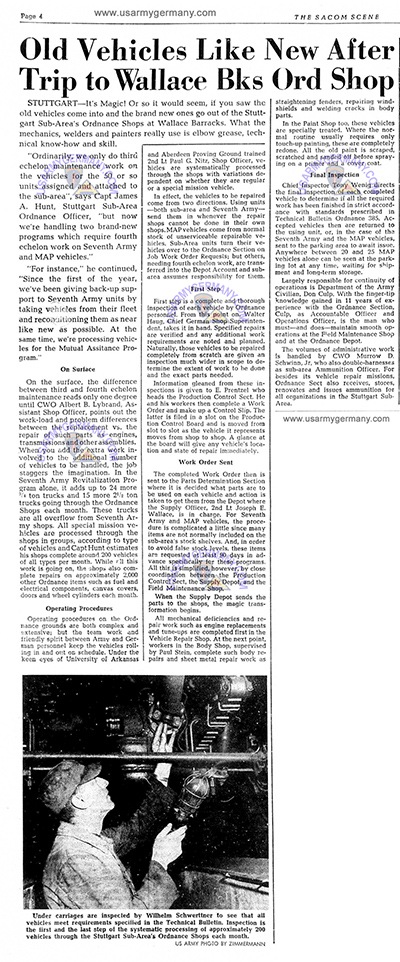 Click on the image to view the entire article |
||||||||||||||||||||||||||||||||||||||||||||||||||||||||||||||||||||||||||||||||||||||||||||||||||||||||||||||||||||||
| If anyone has additional information or photos of the Ordnance Field Maintenance operations at Bad Cannstatt (Stuttgart), Dachau (Munich) or Nurnberg, please contact the webmaster. | ||||||||||||||||||||||||||||||||||||||||||||||||||||||||||||||||||||||||||||||||||||||||||||||||||||||||||||||||||||||
| 7777 SIGNAL SERVICE COMPANY | ||||||||||||||||||||||||||||||||||||||||||||||||||||||||||||||||||||||||||||||||||||||||||||||||||||||||||||||||||||||
| (Source: STARS & STRIPES, March 3, 1950) | ||||||||||||||||||||||||||||||||||||||||||||||||||||||||||||||||||||||||||||||||||||||||||||||||||||||||||||||||||||||
| The 7777th Signal Service Company was formed in Fuerth, Germany in February 1950. | ||||||||||||||||||||||||||||||||||||||||||||||||||||||||||||||||||||||||||||||||||||||||||||||||||||||||||||||||||||||
| 30th ARMY BAND | ||||||||||||||||||||||||||||||||||||||||||||||||||||||||||||||||||||||||||||||||||||||||||||||||||||||||||||||||||||||
| (Source: Email from Philip Koslow, 30th Army Band, 1966-69) | ||||||||||||||||||||||||||||||||||||||||||||||||||||||||||||||||||||||||||||||||||||||||||||||||||||||||||||||||||||||
| I was stationed with the 30th Army Band in Munich from Dec. 1966 until May 1967. We were relocated to Kaiserslautern at that time (Webmaster note: the 30th was attached to the 32nd AADCOM at the time). I left in Jan 1969. In searching the internet for info regarding McGraw Kaserne, I have been able to find quite a bit but found that my visual memory from my time stationed there does not align with the updated version of that part of Munich. I arrived in Munich about a week prior to the 1966 Xmas holidays via railroad from Frankfurt. I was met at the Hauptbahnhof by the 1st sergeant from the 30th Army Band. The 30th provided services for the Southern Area Command for many years following occupation and also traveled extensevely throughout Europe entertaining the locals etc. We went to Copenhagen, Berlin, Paris and numerous small German towns in southern Germany. All of this was certainly better than being stationed in Southeast Asia in the mid-sixties. We were housed and rehearsed on the 3rd floor of a building that I think was Bldg. A. MP's occupied the 2nd floor and cooks were on the 1st floor. We walked next door (or a few doors from there) for mess hall. I recall a snack bar aross an open area near the WAC barracks and remember the Univ. of Maryland extension within sight of our housing. We did a retreat ceremony once a week for the General who asked us to wear dress blues for each occasion. Needless to say, we failed miserably at inspection time as we were not that military in most ways. Unfortunately, word came down that the Band was being relocated to Kaiserslautern in May of 1967. Talk about a depressed group of guys! All my memories of Munich have been recalled with great joy. The German people (wherever we performed) were friendly and gracious. It was a grand time to be 20 years old and exposed to a different culture. It impacted my life immeasureably. The food, music, people and friendly gals remain with me after many years. Additionally, the Army experience set me on a road to a rewarding musical career. I left K-Town in January 1969 to pursue college and ultimately returned to Vienna to complete my musical studies. I am retired in Las Vegas now but often reminisce about Munich, the Kaserne and old comrades that made my stay in Germany so meaningful. No photos of my stay there other than a posed image with my french horn. |
||||||||||||||||||||||||||||||||||||||||||||||||||||||||||||||||||||||||||||||||||||||||||||||||||||||||||||||||||||||
|
||||||||||||||||||||||||||||||||||||||||||||||||||||||||||||||||||||||||||||||||||||||||||||||||||||||||||||||||||||||
|
|
||||||||||||||||||||||||||||||||||||||||||||||||||||||||||||||||||||||||||||||||||||||||||||||||||||||||||||||||||||||
| Nürnberg District | ||||||||||||||||||||||||||||||||||||||||||||||||||||||||||||||||||||||||||||||||||||||||||||||||||||||||||||||||||||||
| (Source: ARMY, NAVY & AIR FORCE JOURNAL, 8 August 1953) | ||||||||||||||||||||||||||||||||||||||||||||||||||||||||||||||||||||||||||||||||||||||||||||||||||||||||||||||||||||||
| Nurnberg District,
Germany By COL H.P. Hennessy Atry, USA Commanding NURNBERG District is an important Area Command within the European Theater and has within its limits major training facilities for all arms, including facilities necessary to train complete divisions. The name "District" is a comparatively new one, as during the period 1947-1952, the District was designated as a Military Post and only recently became one of three divisions within the Southern Area Command whose headquarters are in Munich, Bavaria. The Area Command of which the Nurnberg District is a part, controls a large portion of Southern Germany west of the Rhine and east of Austria and the Iron Curtain. This area is commanded by Maj. Gen. Kenneth F. Cramer. The Nurnberg District has its headquarters in the town of Nurnberg, or, as English speaking people call it "Nuremberg," and the area controlled therefrom extends some 200 miles along the Czechoslovakian border and an additional 60 miles along the boundary of the Russian occupied zone of Germany. It extends from Passau on the Danube, where Germany meets Austria, nearly to Wurzburg. Nurnberg is an ancient and important commercial city which for many centuries has been the hub of important trade routes. Even today the majority of the railroad lines which serve the city follow the great trade routes of the days of the Renaissance and earlier periods. Prior to World War II, it was famous for the medieval walls which enclose the older portion of the city and for the many buildings dating back as far as the 12th century which were to be found within these walls. However, the city was severely bombed during the recent war and many of the ancient buildings and landmarks were destroyed. It is now still undergoing extensive rebuilding. It is noteworthy that in this work of reconstruction the city authorities are trying, as far as possible, to preserve the ancient aspect of the older portion of the town while, at the same time, attempting to modernize the interior of the buildings to bring them up to modern requirements for living. Nurnberg has always been regarded as one the most famous cities in this area and has served not only as the capital of the Holy Roman Empire, but also become the headquarters of the Nazi party during World War II. It was because of this circumstance that the ancient part of the town received such heavy damage, since because of the many tunnels which underlay that portion of the city, the the area was the site of many of the activities of the Nazi Party. It was seized by the XV Corps under General Haislip in April 1945 and has been a major headquarters for the American Army since that time. Within the District are stationed major Infantry elements and numerous Corps and Artillery, technical and supply units. These troops live in barracks or "Kasernes" in accordance with the practice in Europe, in or near cities and towns. The families of the officers and enlisted men are not quartered with the barracks area, but in the general vicinity. Around Nurnberg there are several thousand dependents of military personnel as well as United States civilians and their dependents. Of this total, the majority live in houses requisitioned from German owners. The barracks areas are of limited extent. In most cases they are the equivalent of from four to six city blocks and have restricted facilities for training. There are within the Nurnberg District, however, two great training areas. Grafenwohr and Hohenfels, which correct this deficiency. These training areas serve United States units from all of Germany and are not restricted to those stationed within the District. They also serve, occasionally, German border police organizations and the United States troop units from Austria. The Grafenwohr training area is familiar to most officers of the combat arms who have been an duty in Germany during the past seven years. It was a Germany Army maneuver area at which many divisions were trained prior to and during World War II. The earlier temporary wooden buildings have been replaced during the past two years by simple concrete cantonments and camp areas with concrete floors, kitchens and latrines. This training area is rather large and is broken, varied and reasonably served by roads adequate for training purposes. There are ranges on which can be fired practically every type of Army weapon. To the best of my knowledge, there is no comparable area in the United States for all-around range and field training. The Seventh Army Tank Training Center is located at Vilseck within the Grafenwohr reservation and is a major facility available to the Armored Forces within the European Command. It is equipped with every range and training aid. Hohenfels is nearly as large and complete as Grafenwohr. It is also an old German Army training area. During the past year and a half, it has been developed with concrete cantonment construction plus camp areas similar to those at Grafenwohr. While not as large as Grafenwohr, it, too, can accommodate a large number of thoops. There are many ranges for all Army weapons, except the medium and heavy antiaircraft artillery. The two training areas, Grafenwohr and Hohenfels, provide the most varied and extensive range facilities in Western Europe and their maintenance and development is a major responsibility of the Nurnberg District. In the event of an emergency, the combat divisions and their supporting tactical, technical and supply units would move immediately to prepare for operations. By immediately I mean that their home areas must be cleared in a matter of a few hours. It is the responsibility of the District organization to so administer these areas that tactical troops are free to move at once and at full strength. There are many civilians for whom the District organization is responsible, and by far the largest group is composed of the wives and children of United States military personnel. The troops and this large group of dependents must be supplied with many necessities and comforts which are not the responsibility of the military establishments in the United States. The troops In Germany are in a foreign land which is laboring to recover from a devastating war. These troops and particularly their families, are entitled to many services not available from the local economy in order to reasonably approximate United States living standards. All such matters are the responsibility of the District to the end that the troops shall be free at all times for their tactical mission. In addition to quarters for dependents which have already been mentioned, commissaries, schools, medical facilities and services, athletics and amusements, including American movies, are all provided. The European Theater Special Activities Division, with headquarters at Nurnberg, provides post exchange facilities throughout Europe and the Near East. The District employs many Germans in various capacities, but principally as skilled or unskilled laborers and care takers. The administration of these employees is important, and their employment is a great help to the German economy. In addition to the sizable sums which are sent home, approximately fifteen million dollars in American money are converted annually within the District into German marks and spent by United States military personnel and their dependants for the hire of servants, in local shops and in many other ways. This sizable expenditure is highly advantageous to the German dollar account and is equivalent to the expenditure of many tourists. Relations with the German officials and people is a major District responsibility. As Germany moves from the status of an occupied country to membership to the European Defense Community, it is apparent that understanding and cooperation between the American Armed Forces and the German people must be established and fostered. Much has been done. The German Youth Activities established by General Clay have been an important step in the right direction. The German-American Womens' Clubs, and similar social activities have helped. Understanding between American Commanders and German officials has been established. Athletic contests in which the Americans compete with the Germans are of increasing significance. The Amerikahaus, fostered by the State Department, provides a voluminous library for the German population, as well as interesting entertainment events, and has been most instrumental in imparting to the German Population the idea of the American way of life. In summation, it is believed that it may be said that the duties of the Nurnberg District are many and complicated and the fulfillment of these duties is an important factor to the assigned mission o! the United States Army in Europe. |
||||||||||||||||||||||||||||||||||||||||||||||||||||||||||||||||||||||||||||||||||||||||||||||||||||||||||||||||||||||
|
||||||||||||||||||||||||||||||||||||||||||||||||||||||||||||||||||||||||||||||||||||||||||||||||||||||||||||||||||||||
|
|
||||||||||||||||||||||||||||||||||||||||||||||||||||||||||||||||||||||||||||||||||||||||||||||||||||||||||||||||||||||
| Headquarters Area Command | ||||||||||||||||||||||||||||||||||||||||||||||||||||||||||||||||||||||||||||||||||||||||||||||||||||||||||||||||||||||
|
||||||||||||||||||||||||||||||||||||||||||||||||||||||||||||||||||||||||||||||||||||||||||||||||||||||||||||||||||||||
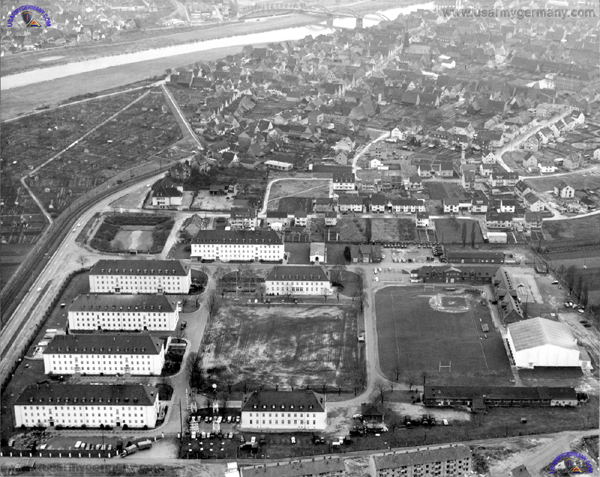 Hammonds Barracks, Seckenheim, a few years after the inactivation of HACom Hqs |
||||||||||||||||||||||||||||||||||||||||||||||||||||||||||||||||||||||||||||||||||||||||||||||||||||||||||||||||||||||
| Commanding Officers, Headquarters Area Command | ||||||||||||||||||||||||||||||||||||||||||||||||||||||||||||||||||||||||||||||||||||||||||||||||||||||||||||||||||||||
1952 - 1958 (list is still incomplete) (1)
(2) Col Cassidy was the commanding officer of the Heidelberg Military Post and assumed command of the Headquarters Area Command when it was established in December 1952. (3) Col Woods became seriously ill and was evacuated by air to the US on December 19, 1956. He passed away the next day. (4) Col Hoskot was the last commander of HACom. On 1 April 1958 HACom was merged with NACom under the "12-post" concept and became Heidelberg Post. |
||||||||||||||||||||||||||||||||||||||||||||||||||||||||||||||||||||||||||||||||||||||||||||||||||||||||||||||||||||||
 Headquarters Area Command insignia Headquarters Area Command insignia |
||||||||||||||||||||||||||||||||||||||||||||||||||||||||||||||||||||||||||||||||||||||||||||||||||||||||||||||||||||||
| (Source: STARS & STRIPES, Dec 6 1952) | ||||||||||||||||||||||||||||||||||||||||||||||||||||||||||||||||||||||||||||||||||||||||||||||||||||||||||||||||||||||
| Heidelberg Military Post was redesignated as Headquarters Area Command effective December 1, 1952. This change, with others, occurred under the provisions of a USAREUR directive that reorganized the administrative structure of the military command in the US Zone of Occupation in Germany. Col John F. Cassidy, formerly commanding officer of Heidelberg Military Post, assumed command of the newly formed HAC. The boundaries of HAC are the same as those of the former military post with the exception of Karlsruhe Subpost which has been reassigned to the newly formed Southern Area Command. |
||||||||||||||||||||||||||||||||||||||||||||||||||||||||||||||||||||||||||||||||||||||||||||||||||||||||||||||||||||||
| (Source: STATION LIST, HACOM, APO 403, October 1955) | ||||||||||||||||||||||||||||||||||||||||||||||||||||||||||||||||||||||||||||||||||||||||||||||||||||||||||||||||||||||
|
||||||||||||||||||||||||||||||||||||||||||||||||||||||||||||||||||||||||||||||||||||||||||||||||||||||||||||||||||||||
|
||||||||||||||||||||||||||||||||||||||||||||||||||||||||||||||||||||||||||||||||||||||||||||||||||||||||||||||||||||||
|
||||||||||||||||||||||||||||||||||||||||||||||||||||||||||||||||||||||||||||||||||||||||||||||||||||||||||||||||||||||
|
||||||||||||||||||||||||||||||||||||||||||||||||||||||||||||||||||||||||||||||||||||||||||||||||||||||||||||||||||||||
|
||||||||||||||||||||||||||||||||||||||||||||||||||||||||||||||||||||||||||||||||||||||||||||||||||||||||||||||||||||||
|
||||||||||||||||||||||||||||||||||||||||||||||||||||||||||||||||||||||||||||||||||||||||||||||||||||||||||||||||||||||
|
||||||||||||||||||||||||||||||||||||||||||||||||||||||||||||||||||||||||||||||||||||||||||||||||||||||||||||||||||||||
|
||||||||||||||||||||||||||||||||||||||||||||||||||||||||||||||||||||||||||||||||||||||||||||||||||||||||||||||||||||||
|
||||||||||||||||||||||||||||||||||||||||||||||||||||||||||||||||||||||||||||||||||||||||||||||||||||||||||||||||||||||
|
||||||||||||||||||||||||||||||||||||||||||||||||||||||||||||||||||||||||||||||||||||||||||||||||||||||||||||||||||||||
|
||||||||||||||||||||||||||||||||||||||||||||||||||||||||||||||||||||||||||||||||||||||||||||||||||||||||||||||||||||||
|
||||||||||||||||||||||||||||||||||||||||||||||||||||||||||||||||||||||||||||||||||||||||||||||||||||||||||||||||||||||
|
||||||||||||||||||||||||||||||||||||||||||||||||||||||||||||||||||||||||||||||||||||||||||||||||||||||||||||||||||||||
|
||||||||||||||||||||||||||||||||||||||||||||||||||||||||||||||||||||||||||||||||||||||||||||||||||||||||||||||||||||||
|
||||||||||||||||||||||||||||||||||||||||||||||||||||||||||||||||||||||||||||||||||||||||||||||||||||||||||||||||||||||
|
||||||||||||||||||||||||||||||||||||||||||||||||||||||||||||||||||||||||||||||||||||||||||||||||||||||||||||||||||||||
|
||||||||||||||||||||||||||||||||||||||||||||||||||||||||||||||||||||||||||||||||||||||||||||||||||||||||||||||||||||||
|
||||||||||||||||||||||||||||||||||||||||||||||||||||||||||||||||||||||||||||||||||||||||||||||||||||||||||||||||||||||
|
||||||||||||||||||||||||||||||||||||||||||||||||||||||||||||||||||||||||||||||||||||||||||||||||||||||||||||||||||||||
|
||||||||||||||||||||||||||||||||||||||||||||||||||||||||||||||||||||||||||||||||||||||||||||||||||||||||||||||||||||||
|
||||||||||||||||||||||||||||||||||||||||||||||||||||||||||||||||||||||||||||||||||||||||||||||||||||||||||||||||||||||
|
||||||||||||||||||||||||||||||||||||||||||||||||||||||||||||||||||||||||||||||||||||||||||||||||||||||||||||||||||||||
|
||||||||||||||||||||||||||||||||||||||||||||||||||||||||||||||||||||||||||||||||||||||||||||||||||||||||||||||||||||||
|
||||||||||||||||||||||||||||||||||||||||||||||||||||||||||||||||||||||||||||||||||||||||||||||||||||||||||||||||||||||
|
||||||||||||||||||||||||||||||||||||||||||||||||||||||||||||||||||||||||||||||||||||||||||||||||||||||||||||||||||||||
|
||||||||||||||||||||||||||||||||||||||||||||||||||||||||||||||||||||||||||||||||||||||||||||||||||||||||||||||||||||||
|
||||||||||||||||||||||||||||||||||||||||||||||||||||||||||||||||||||||||||||||||||||||||||||||||||||||||||||||||||||||
|
||||||||||||||||||||||||||||||||||||||||||||||||||||||||||||||||||||||||||||||||||||||||||||||||||||||||||||||||||||||
|
||||||||||||||||||||||||||||||||||||||||||||||||||||||||||||||||||||||||||||||||||||||||||||||||||||||||||||||||||||||
|
||||||||||||||||||||||||||||||||||||||||||||||||||||||||||||||||||||||||||||||||||||||||||||||||||||||||||||||||||||||
|
||||||||||||||||||||||||||||||||||||||||||||||||||||||||||||||||||||||||||||||||||||||||||||||||||||||||||||||||||||||
|
||||||||||||||||||||||||||||||||||||||||||||||||||||||||||||||||||||||||||||||||||||||||||||||||||||||||||||||||||||||
|
||||||||||||||||||||||||||||||||||||||||||||||||||||||||||||||||||||||||||||||||||||||||||||||||||||||||||||||||||||||
|
||||||||||||||||||||||||||||||||||||||||||||||||||||||||||||||||||||||||||||||||||||||||||||||||||||||||||||||||||||||
|
||||||||||||||||||||||||||||||||||||||||||||||||||||||||||||||||||||||||||||||||||||||||||||||||||||||||||||||||||||||
|
||||||||||||||||||||||||||||||||||||||||||||||||||||||||||||||||||||||||||||||||||||||||||||||||||||||||||||||||||||||
|
||||||||||||||||||||||||||||||||||||||||||||||||||||||||||||||||||||||||||||||||||||||||||||||||||||||||||||||||||||||
|
||||||||||||||||||||||||||||||||||||||||||||||||||||||||||||||||||||||||||||||||||||||||||||||||||||||||||||||||||||||
|
||||||||||||||||||||||||||||||||||||||||||||||||||||||||||||||||||||||||||||||||||||||||||||||||||||||||||||||||||||||
|
||||||||||||||||||||||||||||||||||||||||||||||||||||||||||||||||||||||||||||||||||||||||||||||||||||||||||||||||||||||
|
|
||||||||||||||||||||||||||||||||||||||||||||||||||||||||||||||||||||||||||||||||||||||||||||||||||||||||||||||||||||||
| (Source: List of General Orders Naming Kasernes, USAREUR Military History web site) | ||||||||||||||||||||||||||||||||||||||||||||||||||||||||||||||||||||||||||||||||||||||||||||||||||||||||||||||||||||||
|
||||||||||||||||||||||||||||||||||||||||||||||||||||||||||||||||||||||||||||||||||||||||||||||||||||||||||||||||||||||
|
||||||||||||||||||||||||||||||||||||||||||||||||||||||||||||||||||||||||||||||||||||||||||||||||||||||||||||||||||||||
|
|
||||||||||||||||||||||||||||||||||||||||||||||||||||||||||||||||||||||||||||||||||||||||||||||||||||||||||||||||||||||
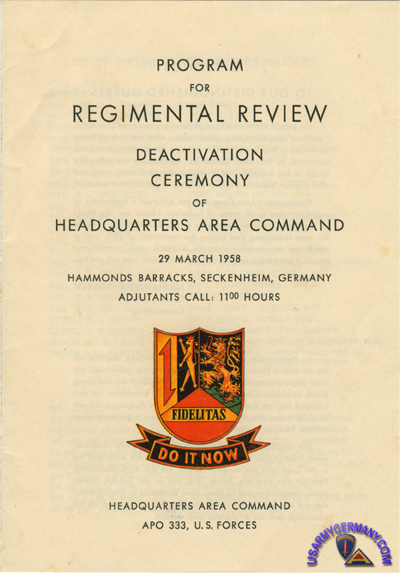 Click on image to view the contents |
||||||||||||||||||||||||||||||||||||||||||||||||||||||||||||||||||||||||||||||||||||||||||||||||||||||||||||||||||||||
| (Source: STARS & STRIPES, March 30, 1958) | ||||||||||||||||||||||||||||||||||||||||||||||||||||||||||||||||||||||||||||||||||||||||||||||||||||||||||||||||||||||
| HACom Holds Last Review Headquarters Area Command cased its colors in a formal deactivation ceremony held at Hammonds Barracks in Mannheim-Seckenheim on Saturday, March 29. Col Nathaniel R. Hoskot, HACom commanding officer, cased the colors at a regimental review, signifying the deactivation of the command and its incorporation into Northern Area Command (NACom), effective April 1. HACom officials explained that the Mannheim-Heidelberg portion of former HACom becomes the Heidelberg Military Post, while HACom's Karlsruhe Subarea becomes the Karlsruhe Military Post. The two new posts bring the number of such organizations in NACom to 12. In March 1949, the headquarters of the "original" Heidelberg Military Post (formed in March 1947 and redesignated as HACom in December 1952) was moved from downtown Heidelberg to Hammonds Barracks in Seckenheim. |
||||||||||||||||||||||||||||||||||||||||||||||||||||||||||||||||||||||||||||||||||||||||||||||||||||||||||||||||||||||
| (Source: Email from Martin Smith, 527th MP Co, 1953-1954) | ||||||||||||||||||||||||||||||||||||||||||||||||||||||||||||||||||||||||||||||||||||||||||||||||||||||||||||||||||||||
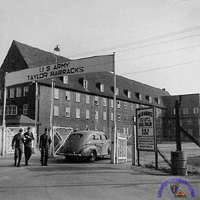
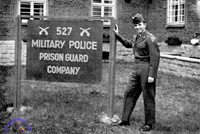
| 527th Military Police Company (Prison Guard) I did some research on my tour in 1953-54. I sailed from Brooklyn, NY to Europe in August 1953 on the USNS General Patch. We landed first in England (Dover) and then went to Bremerhaven where we disembarked and were sent by train to Zweibruecken in Southern Germany. From there, I was assigned to the 527th MP Prison Guard Company at Taylor Barracks in Mannheim-Kafertal, Germany. I spent one year there. I was "on the walls" of the Military Prison in Mannheim as a guard for three months and then was assigned to Sargeant Salas, in charge of training the company. I served as instructor and was also sent to school to be a public information specialist. I had also gotten trained as a projectionist while at Indiantown Gap, PA after basic training there in the Fall and Winter of 1952-53. While awaiting assignment at the Gap, I served as a stockade prison guard, as well as various other assignments. I guess that's part of the reason I was sent to the 527th when I got to Germany. While working for Sgt. Salas, I also wrote and edited articles for the Headquarters Command newspaper as I was involved with the company's softball and volleyball teams as their manager. I served in that company until Late August 1954 and then returned in order to go back to college in September 1954. While stationed with the 527th, I was also the Assisitant Scoutmaster of Boy Scout Troop 142, Kafertal, Germany. The kids were from families who were stationed there in the Army. They were from many states and we had great time with them that year. We started in about October 1953 with about 15 scouts and by the time I left, we had a troop of about 65 kids, an explorer piost with about 15 boys and were about to start a cub scout pack. My colleague, whose name was Norman Feder, was the Scoutmaster and I think he was from California. He had been there before me and was stationed across the street from our barracks with the MP Town Patrol Company at Funari Barracks. While there, he helped me get the three merit badges I needed for Eagle Scout. I was fortunate to get that while serving there in the Army. (I don't think many people in the military have had that experience). I received my Eagle Scout Badge at a big honors meeting. It was given by General Van Houton, in charge of the Headquarters Area Command at the time. I remember that one of my Company officers was a Lt. Swad. My Captain was the head of our scout troop parents committee. |
||||||||||||||||||||||||||||||||||||||||||||||||||||||||||||||||||||||||||||||||||||||||||||||||||||||||||||||||||||||
|
||||||||||||||||||||||||||||||||||||||||||||||||||||||||||||||||||||||||||||||||||||||||||||||||||||||||||||||||||||||
|
||||||||||||||||||||||||||||||||||||||||||||||||||||||||||||||||||||||||||||||||||||||||||||||||||||||||||||||||||||||
|
||||||||||||||||||||||||||||||||||||||||||||||||||||||||||||||||||||||||||||||||||||||||||||||||||||||||||||||||||||||
| ENGINEER SECTION HEIDELBERG | ||||||||||||||||||||||||||||||||||||||||||||||||||||||||||||||||||||||||||||||||||||||||||||||||||||||||||||||||||||||
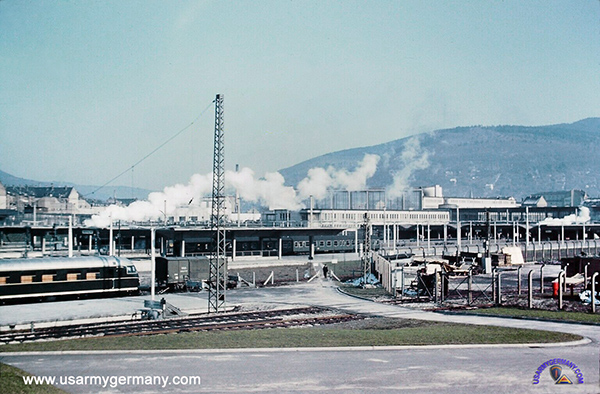 HACom Engineer Section, Repair & Utilities, 1958 (Webmaster's collection) |
||||||||||||||||||||||||||||||||||||||||||||||||||||||||||||||||||||||||||||||||||||||||||||||||||||||||||||||||||||||
 HACom Engineer Section, Repair & Utilities, 1958 (Webmaster's collection) |
||||||||||||||||||||||||||||||||||||||||||||||||||||||||||||||||||||||||||||||||||||||||||||||||||||||||||||||||||||||
| 1958 | ||||||||||||||||||||||||||||||||||||||||||||||||||||||||||||||||||||||||||||||||||||||||||||||||||||||||||||||||||||||
| (Source: STARS & STRIPES, Feb 5, 1958) | ||||||||||||||||||||||||||||||||||||||||||||||||||||||||||||||||||||||||||||||||||||||||||||||||||||||||||||||||||||||
| The Engineer compound on Czernyring (near the Heidelberg train station) serves as a base for all engineer and maintenance activities in the Heidelberg area. Previously, the HACom Engineers used the former Heidelberg city garage area for these activities. However, that property, originally requisitioned in 1945, has recently been returned to the city. |
||||||||||||||||||||||||||||||||||||||||||||||||||||||||||||||||||||||||||||||||||||||||||||||||||||||||||||||||||||||
|
||||||||||||||||||||||||||||||||||||||||||||||||||||||||||||||||||||||||||||||||||||||||||||||||||||||||||||||||||||||
| ORDNANCE SERVICE CENTER MANNHEIM | ||||||||||||||||||||||||||||||||||||||||||||||||||||||||||||||||||||||||||||||||||||||||||||||||||||||||||||||||||||||
| click here to read more about the successor unit - Mannheim EMC. | ||||||||||||||||||||||||||||||||||||||||||||||||||||||||||||||||||||||||||||||||||||||||||||||||||||||||||||||||||||||
|
||||||||||||||||||||||||||||||||||||||||||||||||||||||||||||||||||||||||||||||||||||||||||||||||||||||||||||||||||||||
| QUARTERMASTER SERVICE CENTER MANNHEIM-FRIEDRICHSFELD | ||||||||||||||||||||||||||||||||||||||||||||||||||||||||||||||||||||||||||||||||||||||||||||||||||||||||||||||||||||||
| 1953 | ||||||||||||||||||||||||||||||||||||||||||||||||||||||||||||||||||||||||||||||||||||||||||||||||||||||||||||||||||||||
| (Source: STARS & STRIPES, Feb 12 1953) | ||||||||||||||||||||||||||||||||||||||||||||||||||||||||||||||||||||||||||||||||||||||||||||||||||||||||||||||||||||||
| The Hq Area Comd Quartermaster Service Center officially opened recently. Construction began in January 1952. The center, covering 70,000 square feet at Mannheim-Friedrichsfeld (across the A656 Autbahn from the Oasis QM Service Station), is equipped to handle all Class II and IV supplies for the Headquarters Area Command. The center houses a clothing issue warehouse, repair shops and offices, and a laundry and dry cleaning plant. In the laundry section, washing for 20,000 men can be completed in eight hours and 240,000 pounds of clean laundry turned out in a week. The main hall of the building is one of the largest in Europe built without pillar support. Steam for the laundry and heat for the entire building is furnished by two 10-ton boilers which can generate 12 to 15 tons of steam pressure per hour. |
||||||||||||||||||||||||||||||||||||||||||||||||||||||||||||||||||||||||||||||||||||||||||||||||||||||||||||||||||||||
|
||||||||||||||||||||||||||||||||||||||||||||||||||||||||||||||||||||||||||||||||||||||||||||||||||||||||||||||||||||||
| TRANSPORTATION SECTION, HACOM | ||||||||||||||||||||||||||||||||||||||||||||||||||||||||||||||||||||||||||||||||||||||||||||||||||||||||||||||||||||||
| (Source: STARS & STRIPES, June 1 1954) | ||||||||||||||||||||||||||||||||||||||||||||||||||||||||||||||||||||||||||||||||||||||||||||||||||||||||||||||||||||||
| The Transportation Section, HQ HACom, is supported by personnel from the 7809th Station Complement Unit. Primary mission of the Trans Sec is to provide transportation support to HACom and all units, agencies, activities and personnel stationed in the HACom area. Transportation Officer of HACom is Lt Col W.D. Kelly. SUBORDINATE ELEMENTS: Highway Branch - coordinates all highway movements within the command and allocates administrative vehicles to units within HACom. HACom administrative vehicles carried over 7 million passengers and drove approx. 6 million miles in 1953. The highway section also trains German (those employed by US forces) and military drivers. The highway branch operates the military bus station at the Heidelberg Shopping Center and the motor pools in Heidelberg, Mannheim and Karlsruhe. Redeployment Branch - this section handles overseas movement of military and civilian personnel and their dependents. Rail Branch - operates the Rail Transportation Offices (typically located at major train stations). The section also handles receipt and shipment of all household goods and baggage in and out of HACom (includes customs checks). An average of 300 pieces of baggage passes through the branch's warehouse per day . |
||||||||||||||||||||||||||||||||||||||||||||||||||||||||||||||||||||||||||||||||||||||||||||||||||||||||||||||||||||||
|
||||||||||||||||||||||||||||||||||||||||||||||||||||||||||||||||||||||||||||||||||||||||||||||||||||||||||||||||||||||
| SPECIAL SERVICES SECTION, HACOM | ||||||||||||||||||||||||||||||||||||||||||||||||||||||||||||||||||||||||||||||||||||||||||||||||||||||||||||||||||||||
| (Source: STARS & STRIPES, June 1 1954) | ||||||||||||||||||||||||||||||||||||||||||||||||||||||||||||||||||||||||||||||||||||||||||||||||||||||||||||||||||||||
| The Headquarters Area Comd Special Services entertainment branch handles $30,000 to $38,000 worth of entertainment each month. Supervised by Capt Robert A. Domos, a veteran of 21 years in show business, HACom Special Services is charged with providing talent for 45 clubs in HACom, accommodating the performers, supervising non-professional entertainment, and scheduling movies.
Domos runs the Golden Rose Hotel in Heidelberg for entertainers and has arrangements with a Karlsruhe hotel for minimum rates. To make sure the performers get to their engagements, Domos Frank V. Romea supervises non-professional entertainment. He works through service clubs to find soldier entertainers. HACom soldiers give one or two formal productions each month. Sgt Dick Kail handles professional benefit shows. He guided Eddie Fisher and Hazel Scott on their tours through HACom. HACom Special Services also helps better German-American relations by putting on entertainment which Germans may attend. |
||||||||||||||||||||||||||||||||||||||||||||||||||||||||||||||||||||||||||||||||||||||||||||||||||||||||||||||||||||||
| HACOM Officers / NCO / EM Clubs | ||||||||||||||||||||||||||||||||||||||||||||||||||||||||||||||||||||||||||||||||||||||||||||||||||||||||||||||||||||||
| Harmonie Club (EM) | ||||||||||||||||||||||||||||||||||||||||||||||||||||||||||||||||||||||||||||||||||||||||||||||||||||||||||||||||||||||
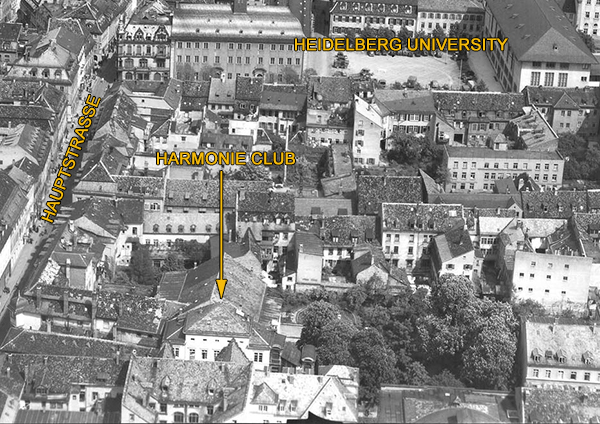 Location of the Harmonie Club, photo 1945 (Webmaster's collection) |
||||||||||||||||||||||||||||||||||||||||||||||||||||||||||||||||||||||||||||||||||||||||||||||||||||||||||||||||||||||
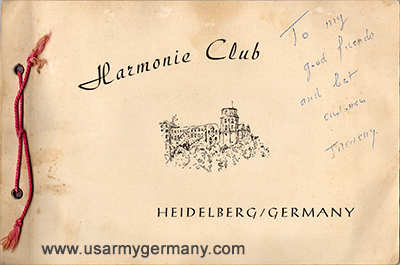 Click on image to view the contents |
||||||||||||||||||||||||||||||||||||||||||||||||||||||||||||||||||||||||||||||||||||||||||||||||||||||||||||||||||||||
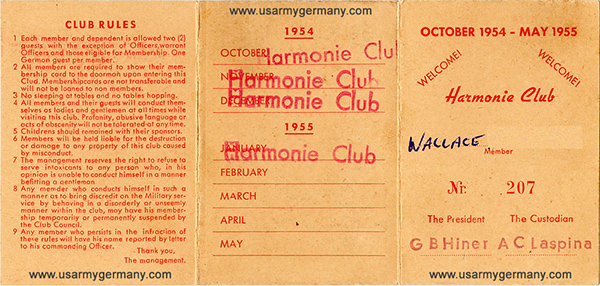 Membership card (click on image to see front and back) |
||||||||||||||||||||||||||||||||||||||||||||||||||||||||||||||||||||||||||||||||||||||||||||||||||||||||||||||||||||||
| Southeastern Area Command | ||||||||||||||||||||||||||||||||||||||||||||||||||||||||||||||||||||||||||||||||||||||||||||||||||||||||||||||||||||||

|
||||||||||||||||||||||||||||||||||||||||||||||||||||||||||||||||||||||||||||||||||||||||||||||||||||||||||||||||||||||
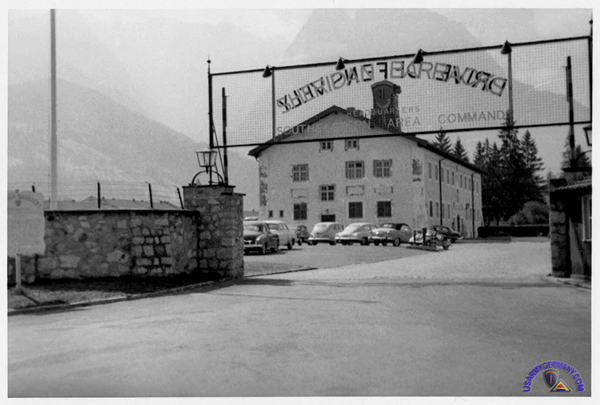 Sheridan Barracks, HQ Southeastern Area Command, 1953 (Webmaster's collection) |
||||||||||||||||||||||||||||||||||||||||||||||||||||||||||||||||||||||||||||||||||||||||||||||||||||||||||||||||||||||
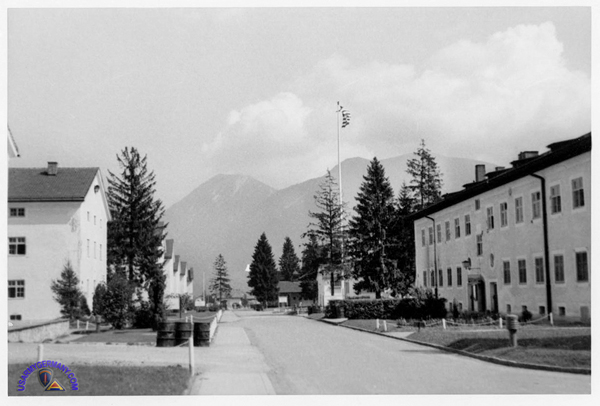 Sheridan Barracks, HQ Southeastern Area Command, 1953 (Webmaster's collection) |
||||||||||||||||||||||||||||||||||||||||||||||||||||||||||||||||||||||||||||||||||||||||||||||||||||||||||||||||||||||
|
||||||||||||||||||||||||||||||||||||||||||||||||||||||||||||||||||||||||||||||||||||||||||||||||||||||||||||||||||||||
|
||||||||||||||||||||||||||||||||||||||||||||||||||||||||||||||||||||||||||||||||||||||||||||||||||||||||||||||||||||||
|
|
||||||||||||||||||||||||||||||||||||||||||||||||||||||||||||||||||||||||||||||||||||||||||||||||||||||||||||||||||||||
| Western Area Command | ||||||||||||||||||||||||||||||||||||||||||||||||||||||||||||||||||||||||||||||||||||||||||||||||||||||||||||||||||||||

|
||||||||||||||||||||||||||||||||||||||||||||||||||||||||||||||||||||||||||||||||||||||||||||||||||||||||||||||||||||||
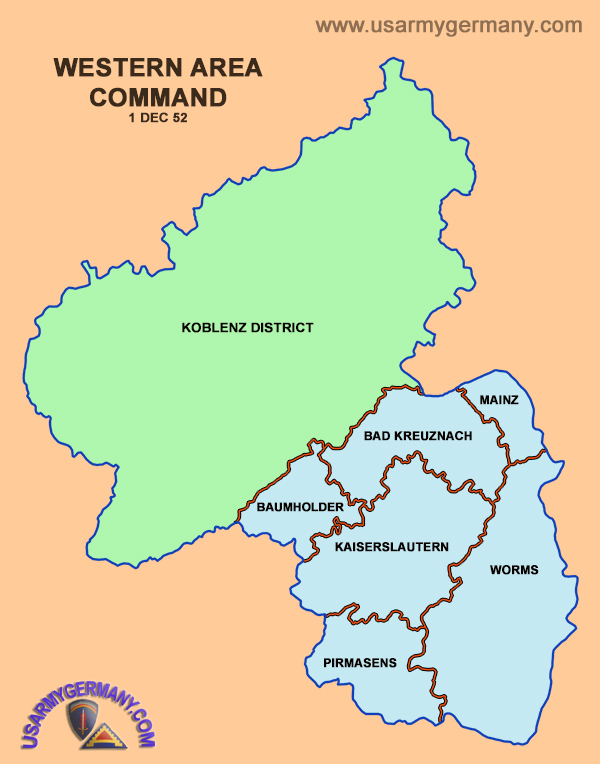 Western Area Command area of responsibility, December 1952 (Walter Elkins) |
||||||||||||||||||||||||||||||||||||||||||||||||||||||||||||||||||||||||||||||||||||||||||||||||||||||||||||||||||||||
| The Western Area Command was established at Kaiserslautern, Germany, on December 1, 1952, pursuant to General Order 27, USAREUR, October 27, 1952. It replaced the Rhine Military Post. Its jurisdiction included the districts of Baumholder, Bad Kreuznach, Pirmasens, Worms, Mainz, Kaiserslautern, and Koblenz. It was discontinued on March 1, 1959, with functions transferred to the Northern Area Command. |
||||||||||||||||||||||||||||||||||||||||||||||||||||||||||||||||||||||||||||||||||||||||||||||||||||||||||||||||||||||
| Commanding Officers, Western Area Command | ||||||||||||||||||||||||||||||||||||||||||||||||||||||||||||||||||||||||||||||||||||||||||||||||||||||||||||||||||||||
1952 - 1959 (list is still incomplete) (1)
|
||||||||||||||||||||||||||||||||||||||||||||||||||||||||||||||||||||||||||||||||||||||||||||||||||||||||||||||||||||||
| 1952 | ||||||||||||||||||||||||||||||||||||||||||||||||||||||||||||||||||||||||||||||||||||||||||||||||||||||||||||||||||||||
| Class II Installations (US Army) located in AOR of WACom, December 1952 (1) | ||||||||||||||||||||||||||||||||||||||||||||||||||||||||||||||||||||||||||||||||||||||||||||||||||||||||||||||||||||||
|
||||||||||||||||||||||||||||||||||||||||||||||||||||||||||||||||||||||||||||||||||||||||||||||||||||||||||||||||||||||
| Exempt Air Installations (USAF) located in AOR of WACom, December 1952 (1) | ||||||||||||||||||||||||||||||||||||||||||||||||||||||||||||||||||||||||||||||||||||||||||||||||||||||||||||||||||||||
|
||||||||||||||||||||||||||||||||||||||||||||||||||||||||||||||||||||||||||||||||||||||||||||||||||||||||||||||||||||||
| (1) Source: Western Area Command historical report 1952 | ||||||||||||||||||||||||||||||||||||||||||||||||||||||||||||||||||||||||||||||||||||||||||||||||||||||||||||||||||||||
| 1956 | ||||||||||||||||||||||||||||||||||||||||||||||||||||||||||||||||||||||||||||||||||||||||||||||||||||||||||||||||||||||
| (Source: STARS & STRIPES, March 21, 1956) | ||||||||||||||||||||||||||||||||||||||||||||||||||||||||||||||||||||||||||||||||||||||||||||||||||||||||||||||||||||||
| The Western Area Command (WACom) was established on March 20, 1951 as the Rhine Military Post. First CO of the command was COL Frederick M. Thompson. RMP was reorganized and redesignated as WACom in December 1952. WACom covers 7,648 square miles. In the past five years the command has grown from a few scattered French kasernes into a giant depot complex that supports 7th Army and other US and NATO forces. Nearly 500 units are stationed within the AOR of WACom. WACom comprises four subareas: Kaiserslautern, Pirmasens, Baumholder and Bad Kreuznach. |
||||||||||||||||||||||||||||||||||||||||||||||||||||||||||||||||||||||||||||||||||||||||||||||||||||||||||||||||||||||
| (Source: Email from Rod Currie, Pirmasens Sub-Area, 1957-58) | ||||||||||||||||||||||||||||||||||||||||||||||||||||||||||||||||||||||||||||||||||||||||||||||||||||||||||||||||||||||
|
||||||||||||||||||||||||||||||||||||||||||||||||||||||||||||||||||||||||||||||||||||||||||||||||||||||||||||||||||||||
| During my tour there President Eisenhower pulled a number of our troops
out of Germany [I think both Signal and Engineering out of Pirmasens]
to send down to Lebanon. At that time it looked like the Russians
were going to attempt a 'coup' there and our people were rushed down
there [along with Navy and Marines and the 11th Airborne] to 'block'
any possible Soviet takeover. Ironically, the Germans, who certainly
had no love for us then, [do things ever change?] suddenly realized
how much money the U.S. military population [and military dependants]
were contributing to the German economy. 'Augsburg', with the almost
complete removal of the 11th Airborne, went into a virtual mini-depression.
Panicked at the thought of losing all that money the German government
in Bonn attempted to pass a resolution 'forbidding' the United States
from removing troops from Germany.[!] This never came to pass, I believe,
but a lot of 'negotiating' ensued out of the resulting mess. Much of my reporting 'efforts' were, in fact, actually 'propaganda' in nature and centered around "improving German-American relations". In this respect, for example, our engineering battalions would perform 'volunteer' construction work on German roads - the G.I.s supplying effort and equipment and the Germans supplying fuel for the equipment. To the best of my knowledge we [military] had virtually no involvement with the French in those days. At that time France was not participating in NATO, said they had no need for us, and were not exactly 'friendly' towards U.S. involvement in Europe. The military situation was such in Europe at that time that the Soviet Union had more 'paratroopers' alone stationed in the Eastern Block nations than we had total troops in all of NATO - all participating countries! It was my estimate back then that had the Russians gone ahead and made the 'push' they could have completely over-run us in less than a month. This, by the way, was the primary reason I first tried out for the Base rifle team - just so I could get my hands on a decent-conditioned rifle, rather than the rattling pieces of junk that they kept in the arms racks for us 'administrative types'. This was a very nervous time in Europe and it was very difficult to tell how the future was going to play out. In retrospect I think what really held the Russians back were their [then] recent memories of the Hungarian Revolution of 1956. The Russians had to bring in literally thousands of tanks to quell an uprising that was armed with little more than Molotov Cocktails, 'rocks', and a few rifles. I'm sure that the Russians realized that had they attempted to move forward against us that a good number of the Eastern Block countries might probably rise up behind them and cut their supply lines off. It may be, then, that Hungary's 'defeat' was our own salvation. |
||||||||||||||||||||||||||||||||||||||||||||||||||||||||||||||||||||||||||||||||||||||||||||||||||||||||||||||||||||||
|
||||||||||||||||||||||||||||||||||||||||||||||||||||||||||||||||||||||||||||||||||||||||||||||||||||||||||||||||||||||
| POST ENGINEERS | ||||||||||||||||||||||||||||||||||||||||||||||||||||||||||||||||||||||||||||||||||||||||||||||||||||||||||||||||||||||
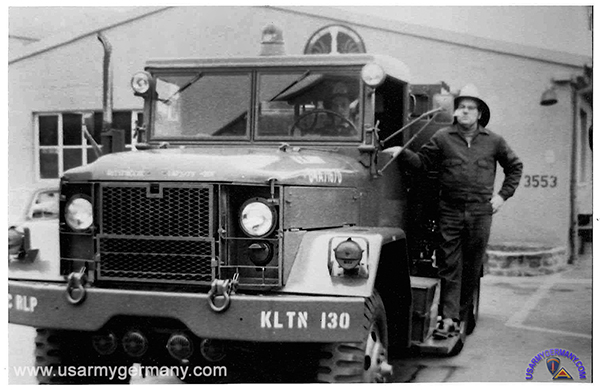 Grünstadt US Army fire station, 1950s (Benno Knorr) |
||||||||||||||||||||||||||||||||||||||||||||||||||||||||||||||||||||||||||||||||||||||||||||||||||||||||||||||||||||||
|
||||||||||||||||||||||||||||||||||||||||||||||||||||||||||||||||||||||||||||||||||||||||||||||||||||||||||||||||||||||
| The US Army fire stations were typically part of the garrison Post Engineers (Fire Prevenion and Protection Section). If you have any information on the organization or operations of the fire stations in the Kaiserslautern Garrison area, 1950-1990s, please contact the webmaster (see email link at top of page.) |
||||||||||||||||||||||||||||||||||||||||||||||||||||||||||||||||||||||||||||||||||||||||||||||||||||||||||||||||||||||
|
||||||||||||||||||||||||||||||||||||||||||||||||||||||||||||||||||||||||||||||||||||||||||||||||||||||||||||||||||||||
| 7778th SIGNAL SERVICE COMPANY / SSU KAISERSLAUTERN | ||||||||||||||||||||||||||||||||||||||||||||||||||||||||||||||||||||||||||||||||||||||||||||||||||||||||||||||||||||||
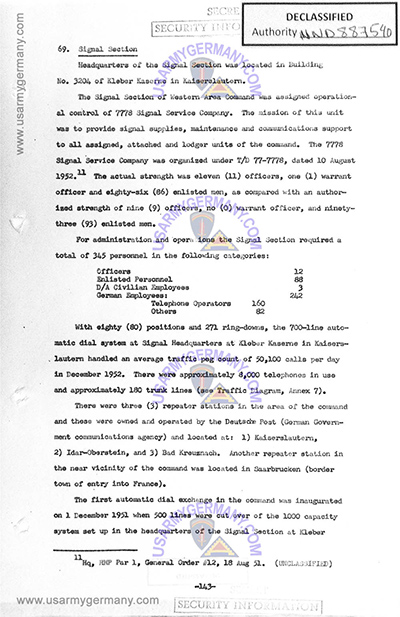 7778th Signal Service Company, 1952 (4 pages) |
||||||||||||||||||||||||||||||||||||||||||||||||||||||||||||||||||||||||||||||||||||||||||||||||||||||||||||||||||||||
| 1952 | ||||||||||||||||||||||||||||||||||||||||||||||||||||||||||||||||||||||||||||||||||||||||||||||||||||||||||||||||||||||
| (Source: WACom Command Report 1952) | ||||||||||||||||||||||||||||||||||||||||||||||||||||||||||||||||||||||||||||||||||||||||||||||||||||||||||||||||||||||
| 1958 | ||||||||||||||||||||||||||||||||||||||||||||||||||||||||||||||||||||||||||||||||||||||||||||||||||||||||||||||||||||||
| (Source: STARS & STRIPES, Feb 13, 1958) | ||||||||||||||||||||||||||||||||||||||||||||||||||||||||||||||||||||||||||||||||||||||||||||||||||||||||||||||||||||||
| WACom's Commo Center Hums KAISERSLAUTERN, Germany (Special) - Western Area Comd runs an around-the-clock outfit here devoted exclusively to getting the word. The WACom communications center here specializes in getting the word just where the Army wants it, and getting it there fast. The center is the hub of the WACom communications system which handles more than 47,000 messages each month. These messages are received, sent out or relayed to other points during the course of an average day's work. There are 26 tributary stations within WACom which receive messages directly from WACom Hq, according to Capt Earl E. Eidecker, the communications officer. "To show how a message is transmitted," he says, "let's assume that our headquarters was to send a message to six subareas. After the message is logged in at the center, a 'poking operator' types the message on a teletype machine which produces a perforated tape and a typewritten copy. Our operators then transmit the tape to the receiving station." The perforated tape is fed through a machine which transmits the message to a similar machine in the station receiving the message, officials explain. The center here also acts as a relay station for other stations. Because it is highly impractical to read all incoming relayed messages, each tape on which the messages are handled is monitored and retained for 24 hours. Then it is destroyed, officials point out. Most messages sent outside the area command are relayed through the Pirmasens relay center, one of the largest in the world. In addition to the teletype system, the center also operates voice-radio nets and a constant wave net which utilizes international Morse Code. Each of these systems can be operated independently of the others. |
||||||||||||||||||||||||||||||||||||||||||||||||||||||||||||||||||||||||||||||||||||||||||||||||||||||||||||||||||||||
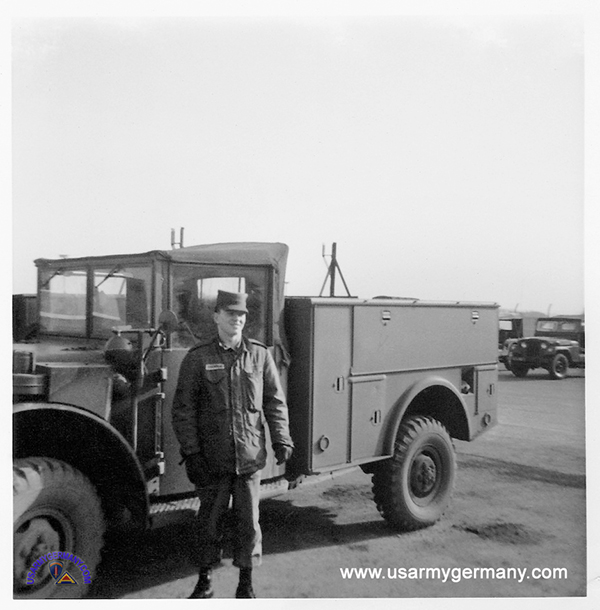 Phillip Cochran in Baumholder, 1964 (Phillip Cochran) |
||||||||||||||||||||||||||||||||||||||||||||||||||||||||||||||||||||||||||||||||||||||||||||||||||||||||||||||||||||||
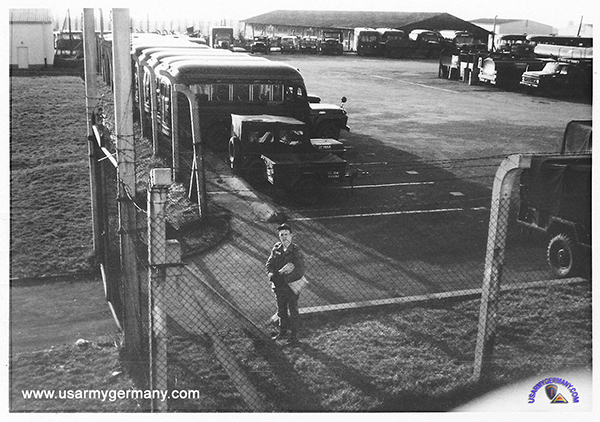 Phillip Cochran at the motor pool in Pirmasens (Phillip Cochran) |
||||||||||||||||||||||||||||||||||||||||||||||||||||||||||||||||||||||||||||||||||||||||||||||||||||||||||||||||||||||
| 1963 | ||||||||||||||||||||||||||||||||||||||||||||||||||||||||||||||||||||||||||||||||||||||||||||||||||||||||||||||||||||||
| (Source: Email from Phillip Cochran) | ||||||||||||||||||||||||||||||||||||||||||||||||||||||||||||||||||||||||||||||||||||||||||||||||||||||||||||||||||||||
The USA Signal Service Unit Detachment 5 headquarters was in Panzer Kaserne, Kaiserslautern.
The signal service units were important for their role with the communications of military bases in Germany. I need to mention that we did not work on phones in dependent housing areas. The German civilian telephone offices (Deutsche Bundespost - DBP) maintained them. The dependent housing was the same in both Baumholder and Pirmasens in regards to phone maintenance although we were required to distribute new phone books through out the dependent housing area. I forgot to mention that in Massweiler one of my friends was with the engineer unit and was stationed there with a sergeant to maintain the generators, lighting and other things. |
||||||||||||||||||||||||||||||||||||||||||||||||||||||||||||||||||||||||||||||||||||||||||||||||||||||||||||||||||||||
| 1967 | ||||||||||||||||||||||||||||||||||||||||||||||||||||||||||||||||||||||||||||||||||||||||||||||||||||||||||||||||||||||
| (Source: STARS & STRIPES, Oct 7, 1967) | ||||||||||||||||||||||||||||||||||||||||||||||||||||||||||||||||||||||||||||||||||||||||||||||||||||||||||||||||||||||
| The Signal Service Unit Kaiserslautern is one of five units in the 4th Signal Group that provide communications support to the area commands within USAREUR, including operating long-distance military telephone exchanges, a teletype terminal and a high-speed data terminal station in the worldwide STARCOM network. The unit is commanded by Maj Richard H. Hightower. It consists of five sub-units (exchanges) that each average about 2,000 lines, 19 operators, 4 supervisors and a chief operator and assistant. The transmission lines include AC dial, voice frequency and VF circuits. |
||||||||||||||||||||||||||||||||||||||||||||||||||||||||||||||||||||||||||||||||||||||||||||||||||||||||||||||||||||||
|
||||||||||||||||||||||||||||||||||||||||||||||||||||||||||||||||||||||||||||||||||||||||||||||||||||||||||||||||||||||
| 427th ARMY BAND | ||||||||||||||||||||||||||||||||||||||||||||||||||||||||||||||||||||||||||||||||||||||||||||||||||||||||||||||||||||||
| 1954 | ||||||||||||||||||||||||||||||||||||||||||||||||||||||||||||||||||||||||||||||||||||||||||||||||||||||||||||||||||||||
| (Source: Email from Robert Busbee, 427th Army Band) | ||||||||||||||||||||||||||||||||||||||||||||||||||||||||||||||||||||||||||||||||||||||||||||||||||||||||||||||||||||||
| I was stationed in Kaiserslautern in 1954 - 1955 with the 427th Army Band. When I arrived in mid-1954, we were located in Kleber Kaserne. In early 1955, we were relocated to Panzer Kaserne. We provided music for most military ceremonies in Kaiserslautern, as well as Idar-Oberstein, Worms, and many other installations in our sector which I cannot remember. We also made a trip to Huy, Belgium (see photos and article below). Since I was just a young draftee, this was just a job, and I could hardly wait to get back home and be a civilian again. But looking back, I realize that this was one of the best times of my life, because I got to go places and see things that I would never have otherwise. As I surf the web now, I cannot find anything about the 427th Army Band, its activities, or its personnel during and after my time. |
||||||||||||||||||||||||||||||||||||||||||||||||||||||||||||||||||||||||||||||||||||||||||||||||||||||||||||||||||||||
|
||||||||||||||||||||||||||||||||||||||||||||||||||||||||||||||||||||||||||||||||||||||||||||||||||||||||||||||||||||||
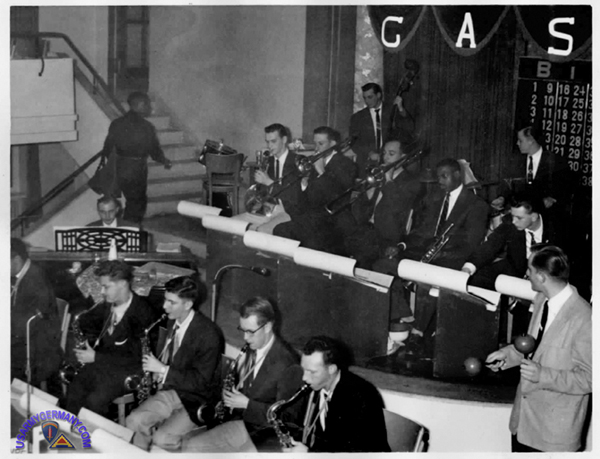 The WacomAires Dance Band playing at a service club (Stu Gibson) |
||||||||||||||||||||||||||||||||||||||||||||||||||||||||||||||||||||||||||||||||||||||||||||||||||||||||||||||||||||||
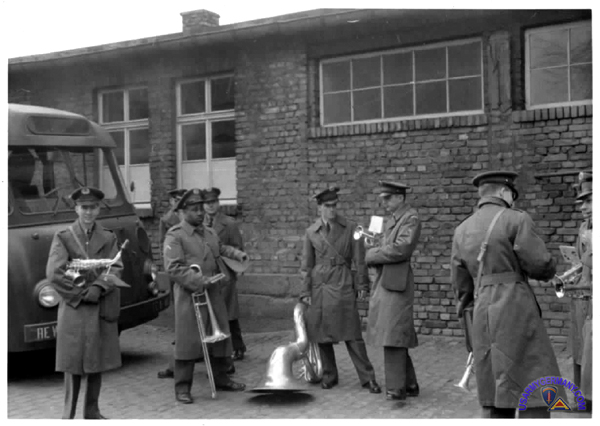 Members of the 427th Army Band waiting for a train (Stu Gibson) |
||||||||||||||||||||||||||||||||||||||||||||||||||||||||||||||||||||||||||||||||||||||||||||||||||||||||||||||||||||||
| (Source: Email from Stu Gibson) | ||||||||||||||||||||||||||||||||||||||||||||||||||||||||||||||||||||||||||||||||||||||||||||||||||||||||||||||||||||||
|
||||||||||||||||||||||||||||||||||||||||||||||||||||||||||||||||||||||||||||||||||||||||||||||||||||||||||||||||||||||
Some very successful people in the band from that time (1955-56). Bass drummer Art Graham became a Metropolitan Opera Soloists (as a tenor, not a drummer) in the 1960's. Al Duffy invented and received the US patent on the chain link bass drum pedal. Dave Stokan, a music prof at the University of Texas. Gene Cherico, bass man for (among others) Stan Getz. Ernie Rider, dentist. Gibson, Pales, Don Smith were all HS instrumental music teachers. Sorry, I do not have info on all. Within the band we developed a Dance band called the WacomAires (for Western Area Command). We played a 15 minute show every week on the Armed Forces Network, with DJ Al Martin as M.C. We also played (in civies) on weekends (for a few $), at the Ramstein Air Force Base Officers Club, and other military clubs in the area. I have attached a couple Dance band pix, I believe taken at a non-com club at Kleber Kaserne, K-town. The Kleber non com club job was playing for "German American Friendship Night". In the middle of a number, a GI entered, saw his girl with some guy, and a brawl broke out. Tables were turning over, chairs flying and our piano man got hit with a flying beer bottle. We left immediately. Our bus trips on the cobble stone roads into the mountains were pretty brutal. Pionital (sp?) cysts were a common ailment. An oncoming truck took off our exterior rear view mirror during a head on pass. Another time, coming from Baumholder, an engine cooling fan flew off and severed our brake line. We had one more "uphill" area. Driver geared down and we coasted to a stop. We were probably on the road 3 or 4 times a week. After about a year of busing, it seemed everyone was worried about being in a wreck. (Remember those rural roads? Very narrow, trees on both sides) On the 4th of July (it was called the "Generals Birthday Party"), we set up ouside of the Generals house and played to the people inside. After we started playing they would close the windows. |
||||||||||||||||||||||||||||||||||||||||||||||||||||||||||||||||||||||||||||||||||||||||||||||||||||||||||||||||||||||
|
||||||||||||||||||||||||||||||||||||||||||||||||||||||||||||||||||||||||||||||||||||||||||||||||||||||||||||||||||||||
| ORDNANCE SERVICE CENTER KAISERSLAUERN | ||||||||||||||||||||||||||||||||||||||||||||||||||||||||||||||||||||||||||||||||||||||||||||||||||||||||||||||||||||||
| 1953 | ||||||||||||||||||||||||||||||||||||||||||||||||||||||||||||||||||||||||||||||||||||||||||||||||||||||||||||||||||||||
| (Source: STARS & STRIPES) | ||||||||||||||||||||||||||||||||||||||||||||||||||||||||||||||||||||||||||||||||||||||||||||||||||||||||||||||||||||||
| WACom Ordnance (Service) Center was established in 1951. Chief of WACom Ord Cen (since its inception) is Col Harold T. Moses. The center supports all units assigned or attached to WACom as well as all lodger units assigned to USAREUR. Since 1951, the center has increased 85 percent in area -- 11 major structures and an ammunition and storage depot have been constructed. A 100-machine allied trades shop has been established -- this is where basic parts are reclaimed or manufactured for the supply field and maintenance sections. The center now employs more than 400 German civilians. |
||||||||||||||||||||||||||||||||||||||||||||||||||||||||||||||||||||||||||||||||||||||||||||||||||||||||||||||||||||||
| (Source: STARS & STRIPES, May 12, 1954) | ||||||||||||||||||||||||||||||||||||||||||||||||||||||||||||||||||||||||||||||||||||||||||||||||||||||||||||||||||||||
| The Ord Field Shop of the Ordnance Service Center at Panzer Kaserne, Kaiserslautern, formed a "contact team" in April to bring its services to all units in the Western Area Command. The contact team consists of two automotive mechanics, one small arms repairman and a supply man. The team is equipped to perform third-echelon repairs of not more than two hours per job. |
||||||||||||||||||||||||||||||||||||||||||||||||||||||||||||||||||||||||||||||||||||||||||||||||||||||||||||||||||||||
| 1959 | ||||||||||||||||||||||||||||||||||||||||||||||||||||||||||||||||||||||||||||||||||||||||||||||||||||||||||||||||||||||
| (Source: STARS & STRIPES, Jan 22, 1959) | ||||||||||||||||||||||||||||||||||||||||||||||||||||||||||||||||||||||||||||||||||||||||||||||||||||||||||||||||||||||
| The WACom Ordnance Service Center at Kaiserslautern is responsible for various tasks such as repairing weapons, rebuilding military vehicles, operating a "country store" and supplying parts to keep the command's 6,000 support vehicles working. CO of the Service Center is COL Ernest R, Gillespie. He has a staff of 10 officers, 28 enlisted men and 432 German civilians. Maintenance Division - rebuilds or makes major repairs on some 300 vehicles a month. Division chief is 1st Lt Emmett Sims. Stock Records Section - located in a recently modernized building (which doubled the storage space), the section has 8,000 steel bins for storage of ordnance parts. "Country Store" - patterned after supermarkets, unit supply personnel can go through the store with a shopping cart to gather various parts required by the unit and then check out in the same manner as a supermarket shopper. Direct Exchange Section - this section stores select fast moving parts such as automobile starters, generators, carburetors and fuel pumps. Unit motor pools use this service to replace spare parts, saving the expense of towing the vehicle to the center and possible loss to the unit while awaiting repairs. |
||||||||||||||||||||||||||||||||||||||||||||||||||||||||||||||||||||||||||||||||||||||||||||||||||||||||||||||||||||||
| 1964 | ||||||||||||||||||||||||||||||||||||||||||||||||||||||||||||||||||||||||||||||||||||||||||||||||||||||||||||||||||||||
| (Source: STARS & STRIPES, April 1, 1964) | ||||||||||||||||||||||||||||||||||||||||||||||||||||||||||||||||||||||||||||||||||||||||||||||||||||||||||||||||||||||
| The Ordnance Service Center at Kaiserslautern provides maintenance and support for more than 20,000 wheeled vehicles and equipment used in the Kaiserslautern area.
CO of the center is Maj Robert E. Welch. Among the activities of the ordnance service center is an assembly line repair facility that rebuilds truck axles instead of replacing axles with new equipment shipped from the States. The rebuild program at the center started in February 1963 and has saved the US government over $1 million in the first year of operation. (More than 2,000 axles have been rebuilt in that first year.) Originally, only 2½-ton truck axles were repaired. Now, the center also processes ¾ - , 5- and 10-ton truck axles. |
||||||||||||||||||||||||||||||||||||||||||||||||||||||||||||||||||||||||||||||||||||||||||||||||||||||||||||||||||||||
| Click here to read more about the successor unit - Kaiserslautern EMC. | ||||||||||||||||||||||||||||||||||||||||||||||||||||||||||||||||||||||||||||||||||||||||||||||||||||||||||||||||||||||
| PUBLICATIONS BRANCH | ||||||||||||||||||||||||||||||||||||||||||||||||||||||||||||||||||||||||||||||||||||||||||||||||||||||||||||||||||||||
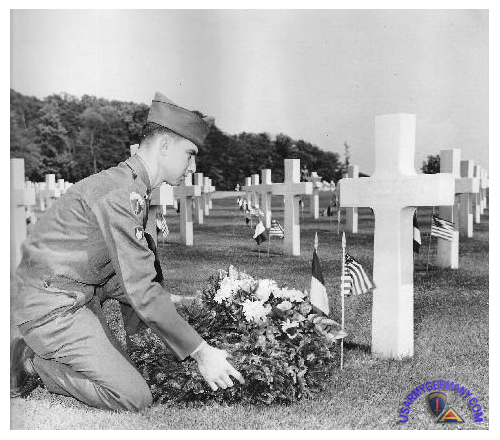 Bill Dean lays down a wreath at the grave of an unknown soldier at the Lorraine American Cemetery in St. Avold, France |
||||||||||||||||||||||||||||||||||||||||||||||||||||||||||||||||||||||||||||||||||||||||||||||||||||||||||||||||||||||
| 1956 | ||||||||||||||||||||||||||||||||||||||||||||||||||||||||||||||||||||||||||||||||||||||||||||||||||||||||||||||||||||||
| (Source: Email from Bill Dean) | ||||||||||||||||||||||||||||||||||||||||||||||||||||||||||||||||||||||||||||||||||||||||||||||||||||||||||||||||||||||
| I was stationed at Headquarters Western Area Command (HQ WACOM) Panzer Kaserne in Kaiserslautern from August 1956 to August 1957. I was an SP4 assigned to the Publications depot. While I was there the Russians invaded Hungary. We were never told anything officially except that personnel rotatating back stateside had to go by troop ship because all of the transport planes were used to bring Hungarian refugees to the U S. Panzer Kaserne was a good duty station. I was stationed in the Personnel Office at Fort Myers, Virginia when I got the orders transferring me to Germany. Left from New York on a troop ship for an eight day voyage to Bremerhaven Germany. The Publications depot was more of a publications distribution center for WACOM. We had an Army captain, 3 enlisted, and 5 German employees. The main publications depot was in Frankfurt. Once a month I would go with a German driver to Frankfurt to pick up the latest distributions. The first time I went to Frankfurt I was quite surprised that many parts of the downtown district was still bombed out ten years after the war. Even in Kaiserslautern there were streets where houses were destroyed from the bombing. One weekend I went to visit a friend of mine who was an Army medic stationed in Idar Oberstein which was part of WACOM. The dress code for Panzer Kaserne was informal. Sport shirt, slacks. That is how I was dressed when I went to see my friend. When I got there I was stopped by an MP who wanted to know why I was not wearing a dress shirt, tie, and jacket. When I told him that the dress code at Panzer Kaserne was very relaxed, he said headquarters tells everyone else what to do, but the rules do not apply to them. He said I should borrow a tie and jacket from my friend. Then we both laughed. The buildings in Panzer Kaserne were beautiful red stone structures. Men and women were stationed there. After the war the area was the old French Zone. The French troops did not take care of the buildings. When the US army took over everything was restored to its original condition. On Memorial day 1957 they put all of us on buses for a trip to the Lorraine American Cemetery in Saint Avold, France to place wreaths on the graves of unidentified soldiers. I have included a picture of me taken by an Army photographer (above). We all had our pictures taken to send back home. Hard to believe that was 58 years ago. It was a very good duty station. |
||||||||||||||||||||||||||||||||||||||||||||||||||||||||||||||||||||||||||||||||||||||||||||||||||||||||||||||||||||||
| BAD KREUZNACH DETACHMENT | ||||||||||||||||||||||||||||||||||||||||||||||||||||||||||||||||||||||||||||||||||||||||||||||||||||||||||||||||||||||
| 1957 | ||||||||||||||||||||||||||||||||||||||||||||||||||||||||||||||||||||||||||||||||||||||||||||||||||||||||||||||||||||||
| (Source: Email from Willard G. Cummings) | ||||||||||||||||||||||||||||||||||||||||||||||||||||||||||||||||||||||||||||||||||||||||||||||||||||||||||||||||||||||
| I was stationed in Bad Kreuznach from 18 January 1957 through July 1958 and lived in Rose Barracks on the second floor (the MP’s were on the third floor) until I married on 17 January 1958. We were designated as the Bad Kreuznach Detachment. Afterwards I moved off-base to live in Bingen with my wife. She was employed by the Signal Corps which was in the Quartermasters building at the sub-area which included housing, laundry, etc., and a motor pool. On arrival I was sent to be the chaplain’s assistant at the Fourteenth Field Hospital but a SNAFU had earlier filled that position by internal transfer and i was re-assigned with a MOS change from 718 to 711 (?) clerk typist and redeployment clerk in Personnel (Section). In March 1957 I encountered Hildegard Pätzold from Bingen who had worked for three years at a switch-board in Mainz-Gonsenheim before being transferred to BK as secretary-translator for the Signal Officer in 1955. Personnel was in a long one-story building across the tracks that led to the motor pool. The quartermaster building that housed Signal was on the other side of the rails. We married on 17 January 1958 and left for Ohio at the end of July, she on the USNS Rose (the ship that had carried me to Bremerhaven 18 months earlier) to the Brooklyn Navy yard, I by charter on a four prop TWA to Fort Dix. I am unable to discern among the fabulous collection of photographs, pictures of the Quartermaster Building and the Personnel Building where we worked. Visits over the years have shown the entire Sub-Area transformed for German commercial development and my in-attention lost sight of how things looked in 1957-1958. Any additional photographs of buildings and approaches to the sub-area would be appreciated. I am enthralled by your work and thank you for the efforts that offer periodic imagined visitations to my treasured past in Bad Kreuznach and greater Germany and Europe. |
||||||||||||||||||||||||||||||||||||||||||||||||||||||||||||||||||||||||||||||||||||||||||||||||||||||||||||||||||||||
|
||||||||||||||||||||||||||||||||||||||||||||||||||||||||||||||||||||||||||||||||||||||||||||||||||||||||||||||||||||||
| Army Posts in Germany, mid 1960s | ||||||||||||||||||||||||||||||||||||||||||||||||||||||||||||||||||||||||||||||||||||||||||||||||||||||||||||||||||||||
| (Source: Army Posts Overseas in "Guide to Army Posts," ARMY TIMES, Stackpole Books, July 1966) | ||||||||||||||||||||||||||||||||||||||||||||||||||||||||||||||||||||||||||||||||||||||||||||||||||||||||||||||||||||||
| GERMANY | ||||||||||||||||||||||||||||||||||||||||||||||||||||||||||||||||||||||||||||||||||||||||||||||||||||||||||||||||||||||
| In 1965, military
posts in Germany were reorganized and ten districts were formed under
the US Army Area Command which is located in Munich. The ten districts, with corresponding headquarters cities, are: |
||||||||||||||||||||||||||||||||||||||||||||||||||||||||||||||||||||||||||||||||||||||||||||||||||||||||||||||||||||||
|
||||||||||||||||||||||||||||||||||||||||||||||||||||||||||||||||||||||||||||||||||||||||||||||||||||||||||||||||||||||
| Some additional details on the districts: | ||||||||||||||||||||||||||||||||||||||||||||||||||||||||||||||||||||||||||||||||||||||||||||||||||||||||||||||||||||||
|
||||||||||||||||||||||||||||||||||||||||||||||||||||||||||||||||||||||||||||||||||||||||||||||||||||||||||||||||||||||
| The following posts are not included in the US Army Area Command organization: | ||||||||||||||||||||||||||||||||||||||||||||||||||||||||||||||||||||||||||||||||||||||||||||||||||||||||||||||||||||||
|
||||||||||||||||||||||||||||||||||||||||||||||||||||||||||||||||||||||||||||||||||||||||||||||||||||||||||||||||||||||
|
 ).
).
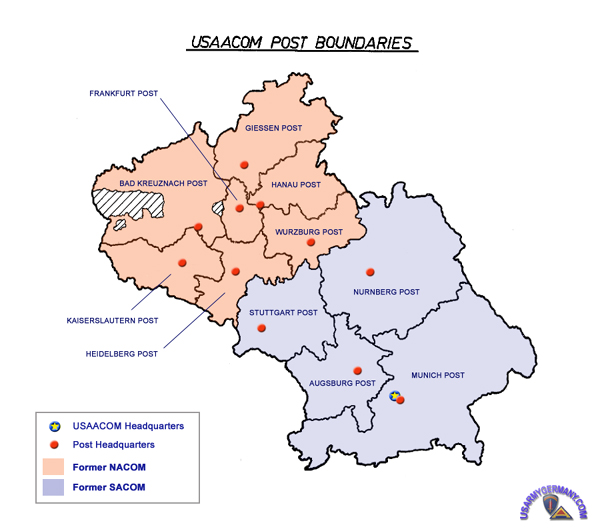
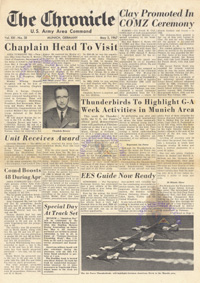
 Sig Svc Unit, Frankfurt, APO 09757 (Unit ID - W1QS-AA-A)
  - Sand BG.jpg)