| If you do
NOT see the Table of Contents frame to the left of this page, then
Click here to open 'USArmyGermany' frameset |
|||||||||||||||||||||||||||||||||||||||||||||||||||||||||||||||||||||||||||||||||||||||
|
37th
Transportation Group |
|||||||||||||||||||||||||||||||||||||||||||||||||||||||||||||||||||||||||||||||||||||||
|
|
|||||||||||||||||||||||||||||||||||||||||||||||||||||||||||||||||||||||||||||||||||||||
|
|||||||||||||||||||||||||||||||||||||||||||||||||||||||||||||||||||||||||||||||||||||||
|
|
|||||||||||||||||||||||||||||||||||||||||||||||||||||||||||||||||||||||||||||||||||||||
| Group History | |||||||||||||||||||||||||||||||||||||||||||||||||||||||||||||||||||||||||||||||||||||||
| (Source: Email from Hermann Piehler, 37th TRANSCOM) | |||||||||||||||||||||||||||||||||||||||||||||||||||||||||||||||||||||||||||||||||||||||
| 37th Transportation Command will be inactivated on July 17, 2007. | |||||||||||||||||||||||||||||||||||||||||||||||||||||||||||||||||||||||||||||||||||||||
37th Transportation Gp/Comd Commanders: |
|||||||||||||||||||||||||||||||||||||||||||||||||||||||||||||||||||||||||||||||||||||||
|
|||||||||||||||||||||||||||||||||||||||||||||||||||||||||||||||||||||||||||||||||||||||
|
|||||||||||||||||||||||||||||||||||||||||||||||||||||||||||||||||||||||||||||||||||||||
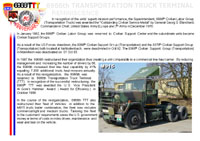
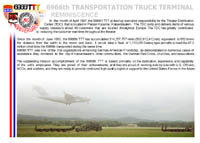
| (Source: PowerPoint slides prepared for presentation as part of the 50th Anniversary ceremonies - 6966th Transportation Truck Terminal, Kaiserslautern) | |||||||||||||||||||||||||||||||||||||||||||||||||||||||||||||||||||||||||||||||||||||||
|
|||||||||||||||||||||||||||||||||||||||||||||||||||||||||||||||||||||||||||||||||||||||
| (Source: National Archives, College Park (Md.), accessed 09-04-2020) | |||||||||||||||||||||||||||||||||||||||||||||||||||||||||||||||||||||||||||||||||||||||
| Administrative History: (Webmaster note: for historical information prior to July 1, 1955, click here) On July 1, 1955, the 37th Transportation Highway Transport Division became the 37th Transportation Motor Transport Command. It was reassigned to the United States Communication Zone-Europe on November 1, 1956, the Headquarters then moved to Samac, France (near Orleans). The 37th Transportation Motor Transport Command, on November 15, 1956, was redesignated as the 37th Transportation Highway Transport Command. On February 1, 1965, it was placed under the U.S. Army Communications Zone Europe's new Transportation Command. The headquarters remained in France until April 1965 when it relocated to Kaiserslautern, Germany as part of the withdrawal of US Forces from France. In October 1965, the 37th Highway Transport Command became the 37th Transportation Group, also known as the 37th Motor Transportation Group. It was part of the U.S. Army Communications Zone Europe's Transportation Command, until it's abolishment on February 5, 1968. Later in February 1968, the Transportation Command was reestablished with the control over the 37th Transportation Group. The 37th was transferred on December 2, 1968 to the new U.S. Army Transportation Command, Europe (Provisional), of which the provisional was dropped on March 3, 1969 and was redesignated as the 4th Transportation Brigade on May 9, 1975 and the 4th Transportation Command on February 16, 1981. During August of 1976 the 37th Transportation Group Headquarters moved to Kleber Kaserne, Kaiserslautern, Germany. The 37th was responsible for the operation of the highway line of communications within Western Europe for the support of U.S. Forces. On December 15, 1989, the 37th Transportation Group became the 37th Transportation Command (TRANSCOM) by assuming the functions of the 4th Transportation Command. The 37th Transportation Command consisted of two line haul transportation battalions: one U.S. Army battalion and one German Civilian Support Center. The 37th TRANSCOM was inactivated on March 29, 2007. |
|||||||||||||||||||||||||||||||||||||||||||||||||||||||||||||||||||||||||||||||||||||||
| 1949 - 1952 | |||||||||||||||||||||||||||||||||||||||||||||||||||||||||||||||||||||||||||||||||||||||
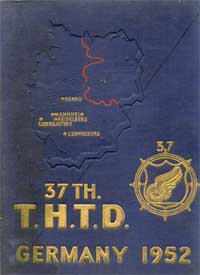
| (Source: 37th Transportation Highway Transport Division, Germany, 1952. Yearbook 1952) | |||||||||||||||||||||||||||||||||||||||||||||||||||||||||||||||||||||||||||||||||||||||
|
|||||||||||||||||||||||||||||||||||||||||||||||||||||||||||||||||||||||||||||||||||||||
|
Initial efforts
of the Division Headquarters were directed towards clarification
of command channels, orientation of newly arrived units, obtaining
permanent billet assignments, and the development of SOPs designed
to assure effective reporting and control procedures. Preliminary
action was taken to generate movement of cargo by highway with emphasis
placed on long-haul convoy movements. The subsequent development
of this organization can probably be best appreciated by citing
a few basic statistics. |
|||||||||||||||||||||||||||||||||||||||||||||||||||||||||||||||||||||||||||||||||||||||
|
|||||||||||||||||||||||||||||||||||||||||||||||||||||||||||||||||||||||||||||||||||||||
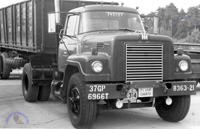
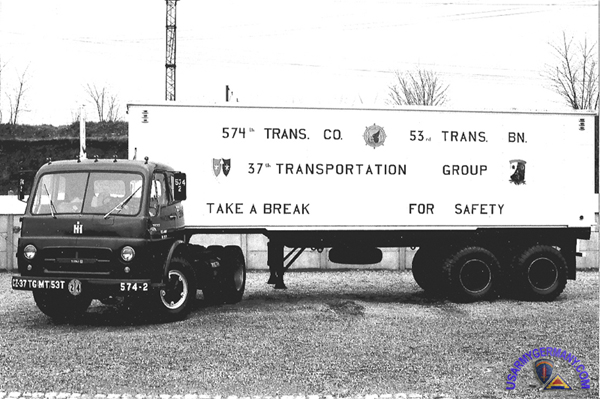 Sugar van operated by the 574th Trans Co in Metz, 1966 (Alain Dailloux) |
|||||||||||||||||||||||||||||||||||||||||||||||||||||||||||||||||||||||||||||||||||||||
| Vehicular equipment of units in the Division by the end of 1952 either had been or was in the process of being replaced by newer types. The Division and Battalion Headquarters Companies and the eleven Transportation Light Truck Companies were completely equipped with new M-type vehicles. Division Headquarters is located at Turley Barracks, in Mannheim. Prior to World War II, the Barracks were known as Kaiser Wilhelm Kaserne. This Kaserne was one of the oldest in Germany, having been erected some sixty years ago to house Horse Artillery units of the German Army. Exterior walls of many of the buildings still retain, as souvenirs of their former occupants, scale-drawings of Allied tanks which were used in the Germans' tank-recognition training. A number of the present buildings, including the mess hall and the chapel, have been reconverted from stables. Another distinction of the chapel is its electric carillon, the only set of bells of this kind in the Command. The carillon was brought with voluntary contributions by the men and officers, who oversubscribed by $762 the $1,800 which was needed. The Kaiser Wilhelm Kaserne was taken over by American forces shortly after VE-Day, and the name was changed soon after that to Turley Barracks. This was done in honor of Samuel J. Turley, A First Sergeant killed in action in France in 1944. When his Company was pinned down by enemy fire near Metz, Sergeant Turley stood erect with a machine gun in his hands and fired at the enemy while his Company withdrew. This gallantry cost him his life, and he was posthumously awarded the Silver Star. His memory is honored and perpetuated by the Turley Barracks installation, which today bears his name, and by the officers and men now stationed there, alert and prepared to meet and counter any military emergency. Additional information on the subordinate units and some photos will be added in the near future. |
|||||||||||||||||||||||||||||||||||||||||||||||||||||||||||||||||||||||||||||||||||||||
|
|
|||||||||||||||||||||||||||||||||||||||||||||||||||||||||||||||||||||||||||||||||||||||
 37th Transportation Gp DUI (approved July 31, 1969) 37th Transportation Gp DUI (approved July 31, 1969) |
|||||||||||||||||||||||||||||||||||||||||||||||||||||||||||||||||||||||||||||||||||||||
| 1949 - 1989 | |||||||||||||||||||||||||||||||||||||||||||||||||||||||||||||||||||||||||||||||||||||||
| (Source: 37th Transportation Command History, 37th TRANSCOM web site, 1997) | |||||||||||||||||||||||||||||||||||||||||||||||||||||||||||||||||||||||||||||||||||||||
| The 37th Transportation Command was organized as a Regular Army unit on February 10, 1936 as Headquarters and Headquarters Detachment, 1st Battalion, 22nd Quartermaster Regiment (Truck Corps). Redesignated as Headquarters and Headquarters Company on April 1, 1942, the unit supported the national mobilizations effort at Camp Edwards, Massachusetts. On Christmas Day 1943, shortly before its deployment for wartime service in the European Theater of Operations, the Headquarters was organized and designated Headquarters and Headquarters Detachment, 37th Quartermaster Battalion (Mobile). The 37th served with distinction throughout the remainder of World War II, earning battle streamers for four major campaigns: Naples-Foggia; Rome-Arno; North Appenines; and the Po Valley. Inactivated upon completion of its wartime service in Southern Europe on November 27, 1945 at Fevorola, Italy, it was again redesignated as Headquarters and Headquarters Detachment, 37th Transportation Corps Battalion on August 1, 1946. |
|||||||||||||||||||||||||||||||||||||||||||||||||||||||||||||||||||||||||||||||||||||||
|
|||||||||||||||||||||||||||||||||||||||||||||||||||||||||||||||||||||||||||||||||||||||
| In October 1965 the Highway Transport Command became the 37th
Transportation Group. During August of 1976 the 37 Transportation Group Headquarters moved to its current location at Kleber Kaserne, Kaiserslautern. On December 15, 1989, the 37th Transportation group became the 37th Transportation Command by assuming the functions of the 4th Transportation Command with the designation of TRANSCOM. The 37th Transportation Command consist of two line haul transportation battalions: one US Army battalion and one German Civilian Support Center. The US Army is the 28th Transportation Battalion with headquarters in Mannheim, Germany. The German Battalion is the 8986th Civilian Support Center located at Pulaski Barracks, Kaiserslautern, Germany. |
|||||||||||||||||||||||||||||||||||||||||||||||||||||||||||||||||||||||||||||||||||||||
|
|
|||||||||||||||||||||||||||||||||||||||||||||||||||||||||||||||||||||||||||||||||||||||
| Germany | |||||||||||||||||||||||||||||||||||||||||||||||||||||||||||||||||||||||||||||||||||||||
| 1954 | |||||||||||||||||||||||||||||||||||||||||||||||||||||||||||||||||||||||||||||||||||||||
| (Source: STARS & STRIPES, Dec 12 1954) | |||||||||||||||||||||||||||||||||||||||||||||||||||||||||||||||||||||||||||||||||||||||
| The 37th Trans Highway Transport Div recently made some changes to its operations by shifting battalions and companies around. The objective was to return some National Guard unit designations back to the States (see also the chapter on Release of RC Units on the 7th Army Page) as well as to place some transportation units in locations for better economic utilization. Hq & Hq Co, 148th Trans Bn and its subordinate unit, the 721st Trans Light Truck Co, both at Ludwigsburg, and the 3583rd Trans Light Truck Co (part of the 53rd Trans Truck Bn) are to be inactivated and returned (less personnel) back to their respective stateside National Guard commands. The 76th Trans Medium Truck Co (24th Trans Truck Bn), Zweibruecken, will be sent to the Com Z, less personnel. The 24th Trans Truck Bn will be relocated to Ludwigsburg. The battalion will be comprised of:  Hq & Hq Co, 24th TTB68th Trans Medium Truck Co
70th Trans Medium Truck Co109th Trans Medium Petroleum Co501st Trans Light Truck Co Hq & Hq Co, 24th TTB68th Trans Medium Truck Co
70th Trans Medium Truck Co109th Trans Medium Petroleum Co501st Trans Light Truck CoThe 53rd Trans Truck Bn will also be reorganized (but remain in Kaiserslautern) and comprise: Hq & Hq Co, 53rd TTB67th Trans Medium Truck Co, Kaiserslautern 83rd Trans Medium Truck Co, Kaiserslautern41st Trans Light Truck Co, Kaiserslautern 254th Trans Light Truck Co, Zweibruecken (formerly under the 24th TTB) 388th Trans Bus Co , Zweibruecken (formerly under the 24th TTB) |
|||||||||||||||||||||||||||||||||||||||||||||||||||||||||||||||||||||||||||||||||||||||
| 1955 | |||||||||||||||||||||||||||||||||||||||||||||||||||||||||||||||||||||||||||||||||||||||
| (Source: STARS & STRIPES, Sep 5, 1955) | |||||||||||||||||||||||||||||||||||||||||||||||||||||||||||||||||||||||||||||||||||||||
| The 37th Transportation Motor Transport Command, commanded by Col Louis Greenfield, is comprised of four battalions located in three different cities in southern Germany. | |||||||||||||||||||||||||||||||||||||||||||||||||||||||||||||||||||||||||||||||||||||||
| ORGANZIATION (September 1955): | |||||||||||||||||||||||||||||||||||||||||||||||||||||||||||||||||||||||||||||||||||||||
|
|||||||||||||||||||||||||||||||||||||||||||||||||||||||||||||||||||||||||||||||||||||||
| The 37th TMTC is tasked with hauling nearly 100,000 tons of supplies every month. With only limited rail and air facilities available for military transportation in Western Europe, the Army has largely turned to the autobahn and back country roads for moving its supplies. A typical day would have 150 vehicles leaving from the command's 28th and 181st Transportation Truck Battalions in Mannheim, another 75 from the 24th Trans Trk Bn in Ludwlgsburg and 75 more from the 53rd Trans Trk Bn in Kaiserslautern. The Operation Section at HQ 37th Comd serves as the hub of the vast system that is operated by the command. Enlisted men in the section man a battery of telephones accepting commitments from the 8th Transportation Group (MC) and passing them on to the appropriate battalion for relay to the transportation companies. Each member of the section is an expert on the facilities at Army depots, road conditions, limitations of vehicles and the many other tasks required for selecting the appropriate battalion to make the haul. A huge map of France and Germany covers the walls of the operations section. On one side of the room is a large chart that shows location and utilization of every task vehicle of the 37th. The most recent improvements and projects in USAREUR transporation activities include the following: Less Than Truckload Line Haul Express Service (LTL) This service was initiated by Brig Gen B. F. Modisett, USAREUR Transportation Officer, five months ago to speed military cargo faster then ever over the highways of Europe. Operational control of the LTL program lies in the hands of the 37th TMTC but has recently been extended into the Communications Zone (France) where other highway units now participate in the program. The program allows military shippers to move their shipments immediately from warehouse to depot to receiver without waiting for the ususal 'truckload' of cargo to accumulate. Trailer Transfer Point (TTP) Under this concept, the 37th operates three TTPs - one at Mannheim, another at Ludwigsburg and a third at Kaiserslautern. The tractors of line haul transportation companies bring in loaded trailers to the TTP. The trailers are unhooked and left there to be later hooked up to new tractors for transportation to the receiver. Thus the tired driver and his tractor both get a chance to rest without holding up the cargo. New Off-shore Discharge Exercise (NODEX) Elements of the 37th participated in a recent NODEX exercise, in which the Communications Zone practices unloading incoming military cargo from the US using a mobile port along the coast of France and the subsequent onward movement of that cargo to Army depots. The 28th Trans Trk Bn and the 41st Trans Trk Co (53rd Trans Bn) were tasked with hauling the incoming cargo to depots inland. The two units hauled more than 14,000,000 pounds over 250,000 miles during nearly a month of operation. They proved that the Transportation Corps can be as effective in delivering supplies from a mobile port as from a fully developed port. |
|||||||||||||||||||||||||||||||||||||||||||||||||||||||||||||||||||||||||||||||||||||||
| France | |||||||||||||||||||||||||||||||||||||||||||||||||||||||||||||||||||||||||||||||||||||||
| 1958 | |||||||||||||||||||||||||||||||||||||||||||||||||||||||||||||||||||||||||||||||||||||||
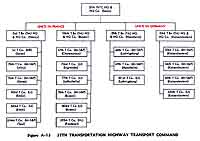
| (Source: The Transportation Movement System in USAREUR - 1958, report prepared by the Stanford Graduate School of Business, Stanford University, for the US Army Transportation Research Command, Fort Eustis, VA, 1958) | |||||||||||||||||||||||||||||||||||||||||||||||||||||||||||||||||||||||||||||||||||||||
|
|||||||||||||||||||||||||||||||||||||||||||||||||||||||||||||||||||||||||||||||||||||||
|
|
|||||||||||||||||||||||||||||||||||||||||||||||||||||||||||||||||||||||||||||||||||||||
| 1959 | |||||||||||||||||||||||||||||||||||||||||||||||||||||||||||||||||||||||||||||||||||||||
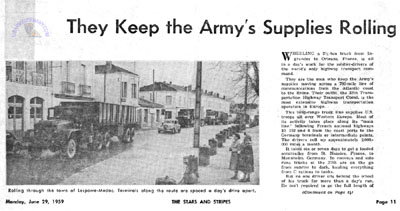
| (Source: STARS & STRIPES, June 29, 1959) | |||||||||||||||||||||||||||||||||||||||||||||||||||||||||||||||||||||||||||||||||||||||
|
|||||||||||||||||||||||||||||||||||||||||||||||||||||||||||||||||||||||||||||||||||||||
| 1964 | |||||||||||||||||||||||||||||||||||||||||||||||||||||||||||||||||||||||||||||||||||||||
| (Source: STARS & STRIPES, Jan 24, 1964) | |||||||||||||||||||||||||||||||||||||||||||||||||||||||||||||||||||||||||||||||||||||||
| The 37th Trans Comd is composed of four Army transportation battalions and one battalion-size civilian labor group:2nd Trans Truck Bn, Toul, France 28th Trans Truck Bn, Poitiers, France 53rd Trans Truck Bn, Kaiserslautern, Germany 106th Trans Truck Bn, Bremerhaven (1), Germany 6966th Civilian Labor Group (Trans Truck), Kaiserslautern, Germany The 106th Trans Bn is responsible for the LOC between the western ports in France (La Rochelle to St. Nazaire) and Ingrandes. The 28th takes it from Ingrandes through Orleans to Vatry (near Chalons). The 2nd Trans Bn covers the last leg of the LOC in France, from Vatry across the German border to Kaiserslautern. The 53rd in Kaiserslautern handles the long haul tasks in Germany. The 53rd Trans Bn has two transportation companies with unique missions: the 595th Trans Co and the 501st Trans Co. The 595th is the only heavy truck company in USAREUR and transports heavy equipment such as tanks, armored personnel carriers, self-propelled artillery. The 501st hauls supplies along the autobahn up to Berlin. (1) According to the USAREUR Station List for Dec 1963, the 106th was located in Bremerhaven and not in western France as indicated by the article. |
|||||||||||||||||||||||||||||||||||||||||||||||||||||||||||||||||||||||||||||||||||||||
| Germany | |||||||||||||||||||||||||||||||||||||||||||||||||||||||||||||||||||||||||||||||||||||||
| 1966 (Relocation from France of COMZEUR) | |||||||||||||||||||||||||||||||||||||||||||||||||||||||||||||||||||||||||||||||||||||||
| Source: FRELOC,
Volume I, Final Report (Phase I). In 1966, USACOMZEUR Transportation Command, APO US Forces 09041, was an 'assigned unit' of HQ, USACOMZEUR. The 37th Transportation Highway Group and the Movement Control Center in Frankfurt were subordinate units of the TRANSCOM. In France during 1966, virtually all movements were handled commercially. The 37th Truck Transportation Command operated primarily in Germany making runs from German ports to COMZ ports in Germany, and from these ports to customers located primarily in Germany. With the shift in workload caused by FRELOC (the master movement plan called for the maximum use of 37th TMTC assets in moving equipment and supplies from France), the 37th TMTC (Truck) was ordered to relocate its truck fleet (to France). The 37th Trans Highway Gp was the line-haul highway operator for Central Europe. It consisted of 18 truck companies and approximately 1,200 tractors, 2,400 trailers and 100 other trucks of various types. In addition to movements during FRELOC, the Group continued its normal mission of line-haul transportation in support of Seventh Army and other USAFE and USAREUR units in Germany. At the outset of FRELOC, the Group was spread out entirely across France and north to Bremerhaven. As FRELOC progressed, units were gradually withdrawn from Western France and into Eastern France to assist in the task. In the final phases, Seventh Army truck units were tasked to assume some of the line-haul mission in support of Seventh Army units, thus releasing more of the 37th Group capability for FRELOC. The 37th Trans Gp was used for approximately 23% of the total FRELOC movement requirement. Statistically, the 37th Group made 24,000 lifts, drove 162,000,000 ton miles, carried 230,000 short tons, maintained a tractor-trailer availability of 89.5% against a norm of 75%, lowered its accident rate 36%, and dropped its ton mile cost from 1.7 to 1.4 cents. |
|||||||||||||||||||||||||||||||||||||||||||||||||||||||||||||||||||||||||||||||||||||||
|
|
|||||||||||||||||||||||||||||||||||||||||||||||||||||||||||||||||||||||||||||||||||||||
| 1972 | |||||||||||||||||||||||||||||||||||||||||||||||||||||||||||||||||||||||||||||||||||||||
| (Source: Email from Clinton Kirkland, HHD 37 Trans Gp, Dec 1972 thru Oct 1974) | |||||||||||||||||||||||||||||||||||||||||||||||||||||||||||||||||||||||||||||||||||||||
|
|||||||||||||||||||||||||||||||||||||||||||||||||||||||||||||||||||||||||||||||||||||||
| 1973 | |||||||||||||||||||||||||||||||||||||||||||||||||||||||||||||||||||||||||||||||||||||||
| (Source: STARS & STRIPES, Feb 22, 1973) | |||||||||||||||||||||||||||||||||||||||||||||||||||||||||||||||||||||||||||||||||||||||
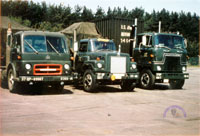
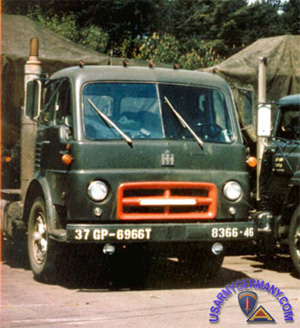
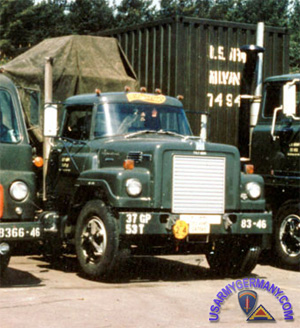
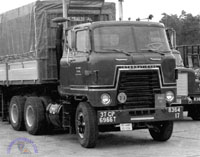
| IHC 2000D Fleetstar | |||||||||||||||||||||||||||||||||||||||||||||||||||||||||||||||||||||||||||||||||||||||
|
|||||||||||||||||||||||||||||||||||||||||||||||||||||||||||||||||||||||||||||||||||||||
| 1974 | |||||||||||||||||||||||||||||||||||||||||||||||||||||||||||||||||||||||||||||||||||||||
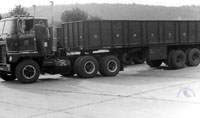
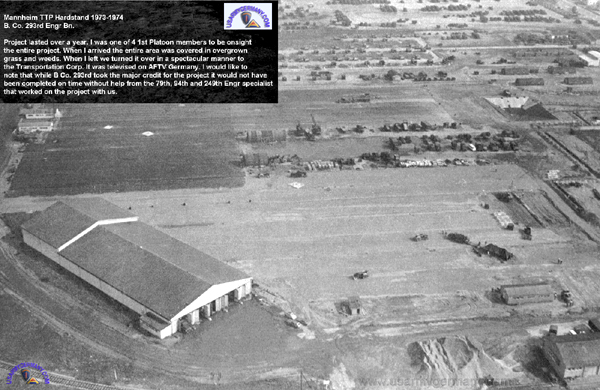 Mannheim Trailer Transfer Point, 1974 |
|||||||||||||||||||||||||||||||||||||||||||||||||||||||||||||||||||||||||||||||||||||||
| 1986 | |||||||||||||||||||||||||||||||||||||||||||||||||||||||||||||||||||||||||||||||||||||||
| (Source: Email from Sheryl Prophett) | |||||||||||||||||||||||||||||||||||||||||||||||||||||||||||||||||||||||||||||||||||||||
| I saw where you asked for input about 37th TG in K-town, ge. I was stationed there from July 1986 to Oct 1989. I was soldier of the year for ’88 at TRANSCOM level. At first I was assigned to COMMO (I was 31K, Combat Signal) for the first year, then moved to S3 for OJT as Training Clerk under 1LT Pam Kadlubek. The 37th Trans Gp was under 4th TRANSCOM, and located in K-Town on Kleber Kaserne. COL Powers was Group Commander. That was when the OD Green fatigues were fazed out. Our unit patch was a gold trident on a brick red background. I can't remember exactly to the Pfennig, but I think the currency ratio was 3 Marks 25 to the dollar, I forget. We had telex and facsimile in the the Commo Shop and a RATT rig close by. I trained in the rig a few times but I was 31K10 Combat Signaler. My first line also trained me on land line installation. Our office had a rotating on call roster to hand carry classified documents prepared by S3 upstairs above the commo shop, to the message center on another Kaserne. I can't remember the name of the kaserne. If there were any mistakes on it we had to take it back to Kleber for corrections then back to message center. Sometimes 3 times. We weren't the ones typing most of them so we had to wait on someone else to do it. We did Crested Eagle and REFORGER, I want to say '88, but again I forget. We set up the TOC in the main conference room, and a group of National Guard came for their annual training. The unit barracks was across the lawn in front of S1 with a wide walk way in the center. The orderly room and the arms room were in the basement of the barracks. We did commanders call in the theater. I'd been there a little over a year when I was told by my 1st line that I would be competing in soldier competition boards in '88 and I was given a 1 1/2 inch thick study guide. So I studied and was grilled by everyone from supervisors and co-workers to friends after work. I went through 9 boards winning all...except the last one! I couldn't believe a person could draw such a complete blank as I did on it, lol, but I did! I won soldier of the month 4 times against others in different sections of Group & that's what got me selected for boards against 28th, 106th and I think the other was 53rd but I can't remember. Then on to 4th Transcom and won soldier of the year for '88. But the last one (#9) I was so burnt out on boards that I drew a complete and total blank! I couldn't remember ANYTHING!! A couple of the judges on the board said I threw it on purpose because they were on some of the other boards and knew for a fact that I knew the answers to the questions. I was so embarrassed! However, I had a good run while it lasted and I won certificates of achievement, 3 AAM's, 2, 3 and 4 day passes, AAFES gift certificates, savings bonds and a couple of trophies that had a semi on it. Unfortunately I also forget the nomenclature of the year truck (?). Thanks for asking me about my old unit. I reminisce about to those days ever so often and remember all the fun I had over there and the friends that became my new family. Webmaster note: The Communications Sec, HHD, 37th Trans Gp, is responsible for operating a secure network between Hqs and the subordinate transportation battalions, movement regions, HQ 4th TRANSCOM, and the 205th Avn Co. It also handles transmission of commitments for the Highway Fleet Management Section and Highway Operations Section (both part of HHD), as well as classified messages on deployment and movements. |
|||||||||||||||||||||||||||||||||||||||||||||||||||||||||||||||||||||||||||||||||||||||
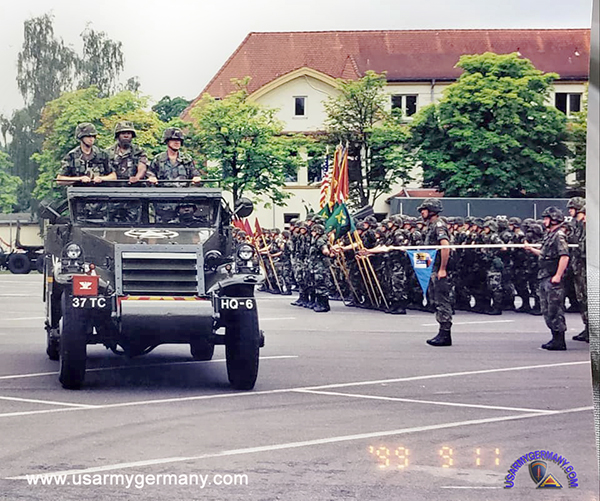 Change of command ceremony at Kleber Kaserne, 1999, 37th TRANSCOM (Everette Coppock) |
|||||||||||||||||||||||||||||||||||||||||||||||||||||||||||||||||||||||||||||||||||||||
 Change of Command ceremony at Kleber Kaserne, 1999, 37th TRANSCOM (Everette Coppock) |
|||||||||||||||||||||||||||||||||||||||||||||||||||||||||||||||||||||||||||||||||||||||
 Change of Command ceremony at Kleber Kaserne, 1999, 37th TRANSCOM (Everette Coppock) |
|||||||||||||||||||||||||||||||||||||||||||||||||||||||||||||||||||||||||||||||||||||||
| 1999 | |||||||||||||||||||||||||||||||||||||||||||||||||||||||||||||||||||||||||||||||||||||||
| (Source: Email from Everette Coppock) | |||||||||||||||||||||||||||||||||||||||||||||||||||||||||||||||||||||||||||||||||||||||
| The 37th TRANSCOM Change of Command ceremony in August 1999, Days of Thunder as the 37th and its subordinate units stand tall. Kleber Casern, Kaiserslautern, Germany. Out bound, COL William E. Wolf, Aug 1997 - Aug 1999. In bound, COL Donald P. Hart, Aug 1999 - Jul 2001. |
|||||||||||||||||||||||||||||||||||||||||||||||||||||||||||||||||||||||||||||||||||||||
|
|||||||||||||||||||||||||||||||||||||||||||||||||||||||||||||||||||||||||||||||||||||||
| UNIT HISTORY - MISC. INFORMATION Source: Unit History, 4th Transportation Command PAO, February 29, 1980. COMZEUR Transportation Command was provisionally formed on February 1, 1965 from the former HQ COMZ, Transportation Division. The 37th Transportation Command, at that time headquartered at SAMEC in France, was subordinate to the new command. Source: WFE Notes. The 82nd Transportation Company, 2nd Transportation Bn, 37th Transportation Highway (Transport) Command, APO 87, was inactivated on September 25, 1962. Source: Email from Bruce E. Richards (personal website) I was in the 37th in the 1960's, and have been trying to track down the companies I was in. I was in the 77th Trans. Co in LaRochelle, Fr. in 1963. In 1964, we moved to Kassel, Germany with the 106th Trans. Bn. which was located in Bremerhaven. I was latter assigned to the 598th Trans. Co in Kassel, also part of the 106th. |
|||||||||||||||||||||||||||||||||||||||||||||||||||||||||||||||||||||||||||||||||||||||
If you have more information on the history or organization of the 37th Transportation Group/Command, please contact me . . |
|||||||||||||||||||||||||||||||||||||||||||||||||||||||||||||||||||||||||||||||||||||||
 |
|||||||||||||||||||||||||||||||||||||||||||||||||||||||||||||||||||||||||||||||||||||||
| Data Processing Unit | |||||||||||||||||||||||||||||||||||||||||||||||||||||||||||||||||||||||||||||||||||||||
| (Source: Email from Bill McClelland) | |||||||||||||||||||||||||||||||||||||||||||||||||||||||||||||||||||||||||||||||||||||||
| This link depicts the 37th Transportation Group logo/emblem as approved in 1969. We were told the English translation is: "Forever Rolling." At the time, I was in charge of the DPU, which was the data processing department, and was located in Pulaski Barracks, Vogelweh. (1968 - '70) I really liked the recognition on the website for the 6966 Civilian Support Center. There was no room for our data processing equipment, so we were housed with the 1966 in Pulaski Barracks. It is a tremendous bit of history, as the men that originally served in the unit escaped the Russians after the war, and many were from Lithuania, Estonia, & Latvia. Many I met were highly educated, spoke several languages; but all took extreme pride in their work. At the time the unit was referred to as the 6966 Civilian Labor Group (CLG). 37th Transportation Group Data Processing Unit What follows is a brief description of early efforts to computerize operational aspects of the U.S. Army line haul transportation in Europe. With the completion of Operation FRELOC and the transfer of the HQ to Kapaun Barracks, Vogelweh, it was determined that computerization of the day-to-day operations of the newly organized 37th might provide a more effective utilization of the tractor trailer fleet. The manual method was rather inefficient. Operations personnel kept track of hundreds of trailers on wallboards surrounding the Operations room. Upon entering the HQ building in Kapaun Barracks, Operations personnel were often heard screaming over the dysfunctional Army phone system while communicating with units all over Germany. Prior to my arrival, a trailer load of IBM equipment arrived at HQ. Little was known about the data processing equipment, and it remained in the storage trailer for a period of time. The humid Germany climate was unkind to the mechanical card handling equipment, so when the equipment was off-loaded the mechanisms were rusted, and the equipment was determined to be inoperable. Fortunately, a 37th staff lieutenant worked for IBM prior to entering the Army. With his efforts and contacts, the equipment was replaced at no cost to the Army, and the DPU began its work. As there wasn't enough space in the HQ building, the DPU was set up in Pulaski Barracks, and was incorrectly referred to by HQ personnel as 'IBM.' When I arrived the unit was in the capable hands of Master Sgt. Jennings and Staff Sgt Parker. 16 enlisted men worked around the clock to provide updated trailer locations by tracking tractor trailer movement throughout Germany and the Benelux countries. Soon thereafter, Sgt. Jennings and I hired a German civilian as the programmer for the DPU. Volker Biehl lived in the US and Canada for a period of time, gaining programming experience with Canadian Kodak. It was a perfect fit, as Volker was familiar with board wiring (early programming), and had an excellent command of the English language. Over time the process was refined by enhancing the reports, and systems were developed to enhance the DPU support of the 37th mission. The keypunch operators would wait to get the updates, and then enter the information on a new set of 80 column punch cards. Once completed, the update cards were given each night to the machine room crew to be mechanically sorted and merged in order to create updated location reports which were then 'hand carried' from Pulaski to Kapaun Barracks for use by Operations personnel. When trailer locations were not reported for 10 days or more, the DPU published a 'Lost Trailer Report' to allow Operations to initiate actions to determine where these trailers were last seen (reported). Understandably these reports generated significant command interest, and were therefore unpopular. Being a good typist was a plus for a data entry person, but being careful to not misspell the unique names for the 100 or so German towns all over Germany was a must! If the town names were misspelled, the areas were not totaled correctly, which drove S-3 personnel NUTS!! As with any new data system, input requirements and report usage required education and re-training of the unit truck masters. As the DPU became more efficient, reports to assist with inventory accountability and vehicle maintenance were created for command use. Once in awhile experienced operators would get wild and crazy and pick up an entire deck of punch cards (~2000 cards) by compressing them between their hands for the purpose of moving them from one machine to another. When things didn't go right, the cards would 'pop out' and fall to the floor. Ingenuity then took over. Since folded, crinkled cards wouldn't meet the tight tolerances of the mechanical equipment, the damaged cards needed to be 're-punched.' Not wanting to take the time to create new cards, the operators used a steam iron to straighten out the cards, with only a re-sorting operation required to resume where they left off. The nearby CLG personnel built a swimming pool behind our Pulaski building. They agreed to allow us the use of the pool, provided we pay for pool paint. With the equipment available today, one operator knowledgeable as to the spelling of the names of the German towns could do everything in a 8 hr work day that we completed with 16 operators working around the clock. Reports would now be transmitted to the various units over modern data lines. About the author: I left the Army in January 1970, and soon established a mountain real estate company in Colorado. My interest/commitment to computer systems continued, and in 1978, we purchased computers to support our real estate work. I consider my 37th experience to be invaluable in our systems approach to the business. I can be reached by emailing bill@cabin-country.com. |
|||||||||||||||||||||||||||||||||||||||||||||||||||||||||||||||||||||||||||||||||||||||
|
|||||||||||||||||||||||||||||||||||||||||||||||||||||||||||||||||||||||||||||||||||||||
| TransCommunicator Articles | |||||||||||||||||||||||||||||||||||||||||||||||||||||||||||||||||||||||||||||||||||||||
| Meeting the 37th Transportation Group, Compiled by PFC Ernest Jones; March 25, 1982 | |||||||||||||||||||||||||||||||||||||||||||||||||||||||||||||||||||||||||||||||||||||||
|
|||||||||||||||||||||||||||||||||||||||||||||||||||||||||||||||||||||||||||||||||||||||
|
|
|||||||||||||||||||||||||||||||||||||||||||||||||||||||||||||||||||||||||||||||||||||||
| Taking a closer look at the 6966th CSC, By Sp4 Toni Christiano; March 25, 1982 | |||||||||||||||||||||||||||||||||||||||||||||||||||||||||||||||||||||||||||||||||||||||
|
|||||||||||||||||||||||||||||||||||||||||||||||||||||||||||||||||||||||||||||||||||||||
|
|
|||||||||||||||||||||||||||||||||||||||||||||||||||||||||||||||||||||||||||||||||||||||
| Civilian Support Center celebrates 30th anniversary, By Sp4 Toni Christiano; July 1983 | |||||||||||||||||||||||||||||||||||||||||||||||||||||||||||||||||||||||||||||||||||||||
|
|||||||||||||||||||||||||||||||||||||||||||||||||||||||||||||||||||||||||||||||||||||||
|
|||||||||||||||||||||||||||||||||||||||||||||||||||||||||||||||||||||||||||||||||||||||
|
|
|||||||||||||||||||||||||||||||||||||||||||||||||||||||||||||||||||||||||||||||||||||||
| Related Links: |
|||||||||||||||||||||||||||||||||||||||||||||||||||||||||||||||||||||||||||||||||||||||




 HQ & HQ Co