| If you do
NOT see the Table of Contents frame to the left of this page, then
Click here to open 'USArmyGermany' frameset |
|||||||||||||||||||||||||||||||||||||||||||||||||||||||||||
|
59th
Air Traffic Control Battalion |
|||||||||||||||||||||||||||||||||||||||||||||||||||||||||||
|
|
|||||||||||||||||||||||||||||||||||||||||||||||||||||||||||
|
|||||||||||||||||||||||||||||||||||||||||||||||||||||||||||
|
|
|||||||||||||||||||||||||||||||||||||||||||||||||||||||||||
| 16th Aviation Operating Detachment | |||||||||||||||||||||||||||||||||||||||||||||||||||||||||||
| 1959 | |||||||||||||||||||||||||||||||||||||||||||||||||||||||||||
| (Source: STARS & STRIPES, Nov 12, 1959) | |||||||||||||||||||||||||||||||||||||||||||||||||||||||||||
|
|||||||||||||||||||||||||||||||||||||||||||||||||||||||||||
| Personnel of the Det staff control towers and bad weather guides (radio, radar) at permanent installations in Illesheim, Kitzingen, Grafenwoehr and Hanau, as well as furnishing tower operators at several other Army airfields in southern Germany. The headquarters section and base team operate out of a building on the northern (civilian side) side of Echterdingen airport. They have no control tower responsibility because that function is provided by German civilian operators who service both commercial as well as Army aircraft. However, the military personnel perform many of the other airfield functions for the Army (southern) side of the airport. These functions include running the Operations Office; dispatching flights (in coordination with the German civilian operators); providing all fuel for Army aircraft; maintaining a crash-rescue team around the clock. (If Stuttgart AAF was primarily a military operation, the Det would also operate the control tower and the GCA.) In a tactical situation (during field exercises), the Detachment moves to a designated location and sets up shop - a complete fifth airfield with navigational aids and control elements. The 16th AOD is highly mobile, keeping everything except for the runway in easy-to-move vans and trailers.Two full-size vans house mobile operations and flight operations center (FOC) facilities. Radar antennas are folded in small trailers. Small, portable aluminum towers can be loaded on the back of standard deuce-and-a-halfs. |
|||||||||||||||||||||||||||||||||||||||||||||||||||||||||||
| (Source: Email from Thomas Senuta, 16th AOD, Echterdingen Army Airfield, 1959-1960) | |||||||||||||||||||||||||||||||||||||||||||||||||||||||||||
| I saw your info
on the 16th AOD. I was an original member with the unit when we were
at Fort Bragg, N.C. The whole detachment left FT. Bragg in Feb. 1959
for Germany. The correct name was 16th Aviation
Operating Detachment (A), "An Eye To The Sky". The unit
may have been formed in 1958, but I joined it in 1959 after Signal
Corps School at Fort Gordon, Georgia. I was in the communications
squad. I have all my paperwork from the unit somewhere in storage but I will do my best from memory so please bear with me. I have photos but they are one of a kind. One is a picture taken by me in 1959 of the sign that stood outside our barracks in Germany, 16th Aviation Operating Detachment (A). The A stood for army. I also have photos of myself and 2 of my buddies in front of the sign and also in front of our trucks. You can see the 7A 16AOD on the bumpers. I also have a letterhead from the unit when we were at Ft. Bragg, N. C. As I told you in my last email, I joined the unit at Ft. Bragg in the last weeks of Jan. 1959. All our equipment was sent to Newport News, Va. to be sent to Germany by ship. An advance team was sent to Echterdingen ahead of us to get set up for our arrival. We were given 2 weeks leave and reported to Mcguire AFB for our trip to Germany. We arrived in Feb. 1959. We were not operational when we arrived as our equipment was still in transit. It was over one month before we received everthing, this included trucks, gear, equipment everything. Our Company Co. was Capt. Kenneth Stanley. He was a qualified army pilot. Our XO was a 1st. Lt. Ramsey also a pilot. We also had 3 other pilots attached to our unit. One was a 1st. Lt. Bigalow (he was killed a short time later in a car crash in Germany) the others were a 1st. Lt. (the name I cannot remember) and a CWO (whose name I cannot remember). They were all pilots. Our 1st Sgt. was a Sgt. Barnett. The 16th was a mobile Air operations unit. We would be sent on maneuvers to set up operations at airfields that had no control tower or GCA (Ground Control Approach). We were a small unit, no more than 40 men. Everything we had was mobile. The control tower was set up on the back of a deuce and a half. We had trailers that had our FOC (Flight Operations Center) and our communications center. Our GCA was on trailers, also all our generators. We also had a crash truck and a tanker truck for fueling aircraft. When I first joined the unit I said what in the hell kind of outfit is this. Of course we had tractors to pull the trailers (FOC and COMM) the other stuff we towed with the duece and a halfs. We had many different MOS's. in the unit. We had radar repairmen, GCA operators, Generator Repairmen, Teletype operators, Wiremen/switchboard operators (my job) truck mechanic, Crash truck crew, Fueling crew, Air operations men, cook, Air traffic Controllers. We were a mixed bag. Our weapons were the M-1 carbine and the Colt 45 sidearm. I think one guy had a grease gun. WE did no operations at the airfield as this was all done by the german civilians. They were in control of the control tower and the GCA. We did control the air operations center at the airfield for all military aircraft. The airfield was split in two with military being on one side and the civilian on the other side. Just like Rhein-Main. All army aircraft were under the control of center, I believe it was in Heidelburg. WE were based at the airfield but did not control it. Later some of our guys were sent to the Army Airfield in Kitzingen. Some were sent someplace else but I cannot remember. I left the unit the latter part of 1960 (transferred) to the 32nd Signal Bn, V Corps, Darmstadt Germany. I spent many days at Darmstadt with the 16th on maneuvers as they had an airfield but no operations there. It seemed strange to be sent back there again but thus time with another unit. I left Germany in Feb. 1961 and was sent to Ft. Benning, Ga., to the 122nd Signal Bn, 2nd Inf. Div. I was discharged on Sept. 4, 1961. I have been back to Germany several times as my wife is from one of the towns near the airfield. My old barracks are gone and the military airfield is just about gone. Oh yes we were attached to 7th Army. In fact 7th army aviation had a training center in the same compound as us. Tom Senuta ADDITIONAL INFORMATION I have included a scan of my travel orders from the XVIII Airborne Corps at Fort Bragg, N.C. (Movement Directive) to the CO 16th AOD, Fort Bragg, N.C. to Germany. At that time our Authorized Strength was 5 officers 1 WO and 53 EM's. At the time of our movement we only had 35 EM and 4 Officers. In reading some of the e/mails on the 16th AOD barracks and the tunnel from Nellingen to Echterdingen I can tell you I have never heard or seen this. Also, for the town of Bernhausen being bombed during WW2 this is not true. My wife is from Bernhausen and when I was there in 1959 there was no clue of bomb damage and the same for Echterdingen. Yes there was damage to Stuttgart as there was some serious bombing of this city. I have talked with some people from Bernhausen in the past and they have no knowledge of the airfield being flooded. My late father-in-law worked at the airfield after the war. I did live in the ex. luftwaffe barracks on the civilian side of the airfield. As I stated in one of my e/mails I was stationed at the civilian side of the field. There was the 16th AOD and the the 7th Army Avn. Training center at this site. I would be most happy to tell you what we had to go thru while we were stationed on the civilian side. On some of the pictures you had of the 16th there was a PFC. Ken in the control tower. I believe this was PFC. James Kendall as he was a ATC with the 16th. I also remember the german canteen in one of the pictures so I will tell you a few stories from this also. If you look at the H-34 which was parked outside the 16th AOD motor pool (Photo #2) you will see the new hanger that was built, you can also see the civilian canteen the low flat building. The next building was the 7th Army Avn. Training Center. Beyond the 7th Army Training Center was the 16th AOD Barracks. The whole complex was steam heated and in the middle of the building was a furnace room that was using coal at the time, the german national in charge of the furnace room was a Herr Fischer who lived in Bernhausen. In the 16th barracks there were two floors. The top floor was the orderly room, the CO's office. The 1st Sgt. shared the orderly room with the Company clerk. Down the hall were 2 NCO rooms and the day room which overlooked the autobahn. Also on the top floor was the latrine, 2 shower stalls all tiled with tile floor. Also on the top floor were our living quarters. There was one big room and in the rear was another room. Some of us had double bunks I did not as I slept in the main room. Our living quarters overlooked the autobahn. One morning we woke up and found a whole band of gypsies camped out in the parking lot. On the lower floor was the commo room, the supply room, the arms room, the mail room, parts room. Each section had their own little room such as GCA, FOC, ATC etc. Our mechanic had a stall to work on the trucks, jeeps and whatever else broke down. It was pretty tight quarters. Strange as it may seem we only had one tractor to pull 2 trls, the FOC van and the operations van. If we were on a alert we would haul out one van and then come back for the other one. I always thought this was strange. The driver of this rig was PFC. Bill McClure from Texas. All the other Equipment could be hauled with 2 and 1/2 ton trucks so we could haul the GCA unit along with the generators. The whole motor pool was ours except for a few jeeps and 3/4 ton trucks from the 7th Army Training Center. |
|||||||||||||||||||||||||||||||||||||||||||||||||||||||||||
|
|||||||||||||||||||||||||||||||||||||||||||||||||||||||||||
| The 29th TAAM was a big outfit as they took up most of the military side of the airfield. There was not much on the military side. We had the mess hall, a small EM club, a small PX (just the basics -- smokes, magazines, candy). A small barber shop and a snack bar (a beauty of a blonde worked there and her name was Eva). Also the BOQ quarters were on the military side. At the PX we could only get 4 cartons of cigerettes a month as we had a ration book. Gas, coffee, and booze needed a ration book. If we did not want to eat at the mess hall we could eat at the German canteen on the civilian side. The food was good once you got used to ordering. On payday we had a choice of how we wanted to get paid. We could take D-marks or $'s. At that time it was 4.25 D-marks for a dollar. Most guys split it up. Of course at that time beer was 40 pfennings per bottle. On payday we would go to Robinson Barracks in Stuttgart to the BIG PX. Every week we would have a run to Kelley Barracks VII Corps to the PX, or for a movie, or for church services. Once in a great while they would show a movie at one of the hangers at the airfield. We had no MP's at the airfield only SP's. We had to pull guard duty and most of the time we pulled it at the 16th AOD motor pool. We had no KP as it was all German nationals. All this took place 47 years ago. I have been back many times and the airfield now is like JFK, the place is huge. All the military buildings on the civilian side are gone. Not much left on the military side also. A few 7th Army planes parked there. In the old days it was loaded with L-19 birddogs, L-20 Otters, L-23's, H-34's, H-19's, H-13's. As I remember more I will e/mail it to you. I really enjoyed my time with the 16th.They were a great bunch of guys. Before I got reassigned they had guys coming in at all times. I remember the original guys that came from Fort Bragg, N.C. to Echterdingen Army Airfield. I wonder if any one remembers the Filderstuben Gasthaus in Echterdingen or the Gasthaus Lamm in Bernhausen or the Gasthaus Krone in Bernhausen. I would love to hear from some of you guys. |
|||||||||||||||||||||||||||||||||||||||||||||||||||||||||||
|
|||||||||||||||||||||||||||||||||||||||||||||||||||||||||||
|
|||||||||||||||||||||||||||||||||||||||||||||||||||||||||||
| Brig Gen Checks
Army Aviation
Scope and Needs STUTTGART (Sentinel) Brig Gen Clifton Von Kann, newly appointed Director of Army Aviation, DA, is currently on a one-week visit of Seventh Army aviation units. Accompanied by Col Russell E. Whetstone, Seventh Army Aviation Officer, Gen Von Kann is getting a first-hand look at Seventh Army aviation operations in the field from Corps, Division and Armored Cavalry Regiment commanders. "Seventh Army has the biggest aviation concentration of any Army unit, therefore, it is of particular interest to us," commented the General. |
|||||||||||||||||||||||||||||||||||||||||||||||||||||||||||
|
|||||||||||||||||||||||||||||||||||||||||||||||||||||||||||
| The following day (Wednesday, September 30) he visited with Lt Gen Francis W. Farrell, CG of Seventh Army. He also made a tour of the 16th Aviation Operational Detachment, commanded by Capt Kenneth C. Stanley, where he viewed the unit's equipment. "I am interested in seeing that the principal effort of Army aviation goes into serving the combat units. Unless we place the main emphasis into helping the line units perform their mission better, we have no excuse for existance." declared Gen Von Kann. Other highlights of his itinerary are visits to the 3d Armd Div in field training at Grafenwoehr, 4th Armd Div, 24th Inf Div, 3d Inf Div. V and VII Corps. |
|||||||||||||||||||||||||||||||||||||||||||||||||||||||||||
| 1961 - 1962 | |||||||||||||||||||||||||||||||||||||||||||||||||||||||||||
| (Source: 59th ATC Battalion Unit History, HQ 59th ATC Bn) | |||||||||||||||||||||||||||||||||||||||||||||||||||||||||||
| The 59th ATC
Battalion had it's beginning at Echterdingen Army Air Field as the 16th Air Operation Det in October 1961. The mission of the 16th AOD was to provide airfield operations support. On 17 September 1962, the 16th AOD was redesignated as the 14th AATRI Company. |
|||||||||||||||||||||||||||||||||||||||||||||||||||||||||||
| 1962 | |||||||||||||||||||||||||||||||||||||||||||||||||||||||||||
| (Source: Email from Richard Haerer) | |||||||||||||||||||||||||||||||||||||||||||||||||||||||||||
| I enjoyed your writeup on the 16th AOD and subsequent units. I arrived at the civilian side of Stuttgart airport in September 1962. Early on we were told in formation that jobs in control towers were few and far between. As an alternative, we could volunteer to work flight dispatch across the runway for 7 or 9 months. So I volunteered. Shortly thereafter we moved to Nellingen, and we would commute by 3/4-ton pickup or jeep to work at base ops. Usually we drove through Echterdingen, but occasionally in the afternoon, after work, we would drive through Bernhausen to "look at the sights". That route included a tunnel under the runway if I remember correctly. I remember the Charles DeGaulle visit. During my time at base ops, three of us were tasked to go to Hanau for a month to support the visit of President Kennedy to Berlin and to visit the troops in Germany. That meant we were at Hanau for most of the month of June 1963. I worked dispatch the day Kennedy came to Hanau. It was a very long day. It was an enjoyable TDY and the whole time in Germany was very good and educational. As soon as I got there I had signed up for German class through the University of Maryland European Division and managed to complete German One and German Two. That is the equivalent of a first year in German, and since I had plenty of free time, I studied a lot and learned a lot. Later I worked as a civilian for the USG in Frankfurt from 1978 to 1982, and on one of my business trips I had to visit 2nd Support Command in Nellingen, I believe that when I went to the snack bar I found the same lady cashiering who had been there when I was in the Army 16 years earlier. To my recollection, the main gate (at Nellingen Kaserne) was toward the east end of the Kaserne, and at first I think I was billeted somewhere midway in the long row(s) of buildings, but in the latter part of my stay I was billeted very near the back gate. I am thankful for the others who have contributed to the story of the 16th AOD. And so is my son, an Operation Iraqi Freedom veteran who has been interested in learning more about his Dad's time in the Army. He found the Army in Europe stuff, too, including the 16th AOD stuff. I don't know whether the 16th AOD was USAREUR or not. I think the 16th AOD became something else shortly after I got there. I do remember that the 14th Air Traffic Company was under 7th Army Special Troops at one time. I remember Col. Shephard as the 7th Army Aviation Commander. One Sunday I rode with him in the L-19 (O1A) as he visited a few airfields. At one point in our flight he nodded downward and said "That's where we used to land our L-5s during the war." (That would be a reference to WWII.) I don't know how many people were in the 16th AOD or in the 14th Air Traffic Company. I believe we had maybe two or three captains. At one time, the commander was Lt. Col. Bolhofner (sp?). (Seems like there should be an 'e' in there somewhere.) Air traffic controllers from the 14th Air Traffic Company did man the towers at various airfields, on a temporary basis. After the TDY at Hanau (Fliegerhorst Kaserne) in June 1963, I got my chance to operate a control tower at Darmstadt Army Airfield for a 1-month assignment. Our company commander, Capt. Peachey, used an L-20 (U6A) I believe to ferry two other controllers and me each to our respective airfields for the month assignment. I went to Darmstadt and I'm not sure where the others went. I do know that when Capt. Peachey came to pick me up at the end of the assignment, the plane was packed to the gills with all of us and our foot lockers. To our concern about the load, he said "It's all right. I don't have much fuel." (as in fuel weight) In 1978-1982 I was a management auditor with the United States General Accounting Office (GAO) in Frankfurt. Nowadays, the GAO is known as the Government Accountability Office. USG means United States Government. The assignment with GAO in Frankfurt was great. We lived and had our offices in a cluster of apartment buildings named Carl Schurz Siedlung, which was also referred to as Hi-Cog Housing (for High Commissioner of Germany). It became the Consulate housing area when Bonn, not Frankfurt, was made the capital of West Germany. Thank you for your work. |
|||||||||||||||||||||||||||||||||||||||||||||||||||||||||||
 |
|||||||||||||||||||||||||||||||||||||||||||||||||||||||||||
|
|
|||||||||||||||||||||||||||||||||||||||||||||||||||||||||||
| 14th Aviation Company (ATC) | |||||||||||||||||||||||||||||||||||||||||||||||||||||||||||
| 1962 - 1978 | |||||||||||||||||||||||||||||||||||||||||||||||||||||||||||
| (Source: 59th ATC Battalion Unit History, HQ 59th ATC Bn) | |||||||||||||||||||||||||||||||||||||||||||||||||||||||||||
| On 17 September
1962, the 16th AOD was redesignated as the 14th
AATRI Company (Army Air Traffic Regulation & Identification)
and moved to Nellingen Kaserne, east of Stuttgart. Its new mission was to provide tactical terminal and enroute air traffic control support to USAREUR aviation, along with air traffic flight following from three locations in the Air Defense Identification Zone (ADIZ). In October 1965, the 14th was again redesignated, this time as the 14th Aviation Company (ATC). The mission remained the same. On 15 December 1966, the 14th Avn Co (ATC) was reassigned to the 15th Aviation Group and moved to its present home at Dolan Barracks, near Schwäbisch Hall, FRG. Its mission remained basically the same except it gave up the airfield operation for Echterdingen and picked up the responsibility for base operations and the control tower at Dolan Barracks. In 1975, the 14th Avn Co was redesignated as the 14th Aviation Unit (ATC) and assigned to the 5th Signal Command. Since USAREUR had just turned over the air traffic control mission to the Army Communications Command, the mission of the 14th Aviation Unit (ATC) was changed drastically. Its new mission was to provide Army ATC services, navigational aids, air warning and other assistance to in-flight aircraft, and to provide maintenance support for all non-tactical ATC peculiar equipment. The ATC service included 19 air traffic control towers, 5 approach controls, 10 ground control approach radars, 21 advisory services and the Army Flight Operations Detachment (AFOD). Subsequently, the 14th assumed responsibility for operating the Army portion of the Air Defense Identification Zone (ADIZ) from the mountain top sites at Wasserkuppe and Döbraberg. On 1 October 1978, the 14th Avn Unit (ATC) was deactivated. |
|||||||||||||||||||||||||||||||||||||||||||||||||||||||||||
|
|
|||||||||||||||||||||||||||||||||||||||||||||||||||||||||||
| (Source: Email from J., 16th AOD/14th AATRIC/14th ATC ) | |||||||||||||||||||||||||||||||||||||||||||||||||||||||||||
I have just looked at the Army Aviation-Overview. You have added a lot since I last looked! I thought a lot of "double clutching" in Army Aviation was going on when I was there 1962-64, but what came after!! How in the world can you keep track of all that?? My hat is off to you!!! Just keeping track of the 16th AOD/14th AATRIC/14th ATC/59th Bn./58th Bn.!!!
Ansbach was just a deserted AAF as I remember it when we were there once. A few Mohawks came screaming in, in bad weather. What it apparently became!!!
Kitzingen, I controlled there quite a bit. It was the busiest AAF in Germany at the time. There quite a few times alone and with the Company. Was there for Cuban Missile Crisis with the Company.
Monteith Barracks, Fürth. There several times. My first Tower and GCA duty there. My FOC Platoon went there to control when German Controllers went on strike. One funny moment of many there. We had to clear GCA Freq. before starting up. We jammed the Nike (Webmaster: probably a HAWK site) site radar for half a day. They just couldn't figure out the source of the jamming!! They could have thrown a rock from their mound and hit our Candy Stick!!
Graf, well Graf is Graf. I have been trying to look up stuff for an old friend that was with the 9th CID there, but not much online about it. He was in one time trial of first enlistment guys with 2 years of college, plus above certain "smarts". His was the only class, few made it in the field. He only because he was assigned to Graf and had to sink or swim. You have a good picture of Graf AAF. They were just so fussy about cameras in the Tower there because of the missile site.
Schwäbisch Hall, there several times. Alone, with GCA, and with Company. The Company deployed there several times in mid 1962. All had to be back "under canvas" after spending all of that money on the IFR FOC Van?? Of course us in Cam. pup tents, day and night Infantry games. All per new CO Capt. (Later Maj.) Virgil O'Deill Jr. Old Infantry Capt. and Col. Franks (Special Troops Commander) just thought it was great. One of those funny moments there. Our CO, Col. Franks, and Maj. Bearden (60th Avn.) came up the Tower to get a good look. After my CO explained our deployment to Col. Franks, he turned to Maj. Bearden and said "and where are you Maj. Bearden". The Maj. snapped to attention and said "Right here sir". Franks said "you dumb son-of-bitch!! I mean where are you deployed!!". And little ol' me trying to control traffic and keep a straight face!
I came up with using our headset mic as throat mic during "gas attacks" for radio commo. there when they were all in a dither on what to do. Wonder that damn outfit didn't court-martial me for that?? I have really looked online to find anything on Col. Franks, but guess not there? I have looked on the Lt. Col. Buchanan that replaced him in Fall of '62, but nothing on him either?? Really nothing on 7th Army Special Troops? Must have came and went? At the time it had 16th/14th, VII Corp. LRRP, missile units, special artillery units, and others in it?? Ludwigsburg AAF (Pattonville), was a deserted field when we took it over in mid 1963 when 7th Army got into a fight on landing rights with Stuttgart Int'l. I was replaced after 3-4 weeks, 2 days before it was over. I never heard another word about it or that whole deal. Apparently it continued to be a very busy place?
I can't believe what the unit evolved into. Per your posted letter from Thomas Senuta, 16th AOD, Echterdingen Army Airfield, 1959-1960 it was pretty much shipped to Germany as a unit in need of a mission, or at least being allowed to do what it was shipped there to do!! Wasn't a whole lot more while I was in the unit except for Towers, GCA, and on maneuvers!! However, it had the highest priority for Air Traffic Controllers in Germany and you couldn't get out of it!!
There was a big demand for Air Traffic Controllers with big expansion in Army Aviation. They sent a bunch of E-5 and above through Keesler from other MOS's that had no ATC/Aviation experience instead of promoting from within Controller/Aviation ranks. They built a big Cadre of NCO's that knew little about ATC/Aviation. I was in first group below E-5 at Keesler. Was 5 of us, before I left in 6 months there were Army guys overflowing. Heck of a mess and most didn't make it through the school. I scored 3rd highest ever for school on end of course FAA tests. I had 4 or 5 different assignment on the ship going over. I suppose that is how I ended up in the 16th AOD? I was assigned for a week or so to the 7th Army Aviation Training Center before being assigned to the 16th. The MOS was frozen at E-5 all the time I was in the service. If E-4's couldn't be promoted there wasn't much incentive to stay in the service. That was the real controller ranks. Curious study!! It all was quite an adventure for an 18 year old farmboy!!
|
|||||||||||||||||||||||||||||||||||||||||||||||||||||||||||
|
|||||||||||||||||||||||||||||||||||||||||||||||||||||||||||
| (Source: Email from J., 16th AOD/14th AATRIC/14th ATC ) | |||||||||||||||||||||||||||||||||||||||||||||||||||||||||||
| Stuttgart International Airport, 1962 How I first met Maj. Kerns, our CO: I had only been there a couple of days, bunked across the room with wall of lockers between. Only PFC Co. Clerk, PFC from Beacons and myself were in barracks that night. The clerk had a tape recorder turned up loud enough to be able to hear it in the Orderly Room across the hall. The guy from Beacons bunking beside the recorder turned it off several times; they had words; I couldn't see because of the wall lockers. The last time the Clerk came and stood in the opening between the wall lockers and said "go ahead if you have the balls". Then I heard a "bonk" as the recorder hit the cement below the window. I had to testify before Maj. Kerns, with both of us trying to keep straight faces! The shark tooth looking thing at right top of picture #4 (16th AOD - Stuttgart Int'l Airport section) was (newly constructed in 1959?) the hangar at Stuttgart Int'l. The tall building next to the hangar was 7th Army Aviation Training Center on the ground floor with barracks above. It had Link Trainers, classrooms, Day Room, Offices and etc. on the ground floor. They say Stuttgart Int'l opened here in 1938? I would have guessed these building to be older than that. I have looked very hard online and I have found no other pictures or writings on these buildings. I think they were probably torn down all the way to the shark tooth hangar (still there) sometime in late 1960's? I believe this is where the (Luftwaffe) Night Fighter Pilot School during the war was at. I know they were here in 1945 as there was a cement bunker in the attic above the Orderly Room. Story always was that there was a tunnel from Nellingen Airfield to ground level inside our building to ferry fighter aircraft to here during WWII without being seen. Many claimed to have seen it before it was closed off and cemented over, but you know how that is!! Maybe Tom Senuta remembers it? It was also always a wonder that Bernhausen (behind the Stuttgart AAF on other side) hated Americans and the town of Echterdingen on our side seemed to like us. I was told that during the war the Germans flooded the airfield between missions. When our bombers came over the hill all they saw was the town and the lake, so they bombed the town (Bernhausen). It seems from pictures I have found online that Echterdingen was bombed as much as Bernhausen. I think Bernhausen just was stronger with the Nazi Party. The Forced Labor Camp that made the Stuttgart papers and online recently was on that side. They recently found a mass burial site on Stuttgart AAF. |
|||||||||||||||||||||||||||||||||||||||||||||||||||||||||||
|
|||||||||||||||||||||||||||||||||||||||||||||||||||||||||||
| ADDITIONAL INFORMATION: | |||||||||||||||||||||||||||||||||||||||||||||||||||||||||||
|
|||||||||||||||||||||||||||||||||||||||||||||||||||||||||||
| The hangars/row of large maintenance buildings top of picture -- 16th/14th had the last one to right (not new building). Our Motor Pool parking was in front of it. Our FOC Section room was in the backroom of the row of office space on the rightside of that hangar. It shows it quite plan on the other picture. FOC Platoon when first moved to Nellingen for billet was on the other end of this row of barracks. We drove to Stuttgart Int'l where the rest of the Company and our equipment remained for quite a while. We stayed at that first lower barracks for quite a while after the Company moved here. | |||||||||||||||||||||||||||||||||||||||||||||||||||||||||||
|
|||||||||||||||||||||||||||||||||||||||||||||||||||||||||||
| (Source: Private Email) | |||||||||||||||||||||||||||||||||||||||||||||||||||||||||||
| 16th Aviation
Battalion The battalion was first organized at Echterdingen, Germany, on August 26, 1963, with a Headquarters and Headquarters Co, the 14th Air Traffic Control Co, the 122d Aviation Co, the 60th Aviation Co, and the 11th Transportation Det. At that time the battalion was commanded by Major William R. Swift. (See 16th Avn Bn Page.) I know it is only a blip in your whole write up, but the above doesn't sound right?? My knowledge is probably too old to be of interest. I was assigned to the 16th AOD on the civilian side of Stuttgart International Airport in Jan 1962. It was commanded by Maj. Kerns. I believe the forming of the 16 AOD on Oct., 1961 at Echterdingen. It was new when I got there with few people in the unit. I know that Staff Sgt. Ed Gast and some others were playing with the VFR van at Ft. Benning long before it was shipped to Germany. However, I have been e-mailing with a career Army guy that was in the unit before me and left after. He also remembers our Major being in direct command under Special Troops Commander. The 60th Aviation was stationed on the military side and commanded by Maj. Bearden. The 7th Army Aviation Training HQ. was also on the civilian side. The 29th (TAAM Co), I think, was also on the military side? As one guy mentioned there was a large motor pool on the civilian side by unit??? that I also walked guard on a few times as our vehicles were parked in the same area. There may have been a loose command 16th, 60th, and 7th Army Aviation Training Center? I think just because they were all under 7th Army Special Troops? When I won Soldier of the Month of 7th Army Special Troops in mid 1962 there was a board at the Airfield before the board at Patch. My FOC Platoon moved to Nellingen late Summer or Early Fall of 1962. I think the whole Company was there by late Fall of 1962? The renaming of 16th AOD to 14th ATC or Army Air Traffic Control and Identification Company happened at least for us in late 1962. A big fight over the name, AATRIC rings a bell, but I have a picture of our Motor Pool and Company area at Nellingen that has 14th ATC on it?? A Maj. O'Dell (sp?) replaced Maj. Kerns as Commander of the 16th/14th I think in Fall of 1962. As far as I remember the 16th/14th was under direct command (without anyone between our Major and the commander of 7th Army Special Troops at Patch) from the time I got there until I left in 1964. It was under Command of Col. Franks from the time I got there until he was replaced by a Lt. Col.?? Just don't remember his name?? I never heard of the 16th Avn. Bn? Or of Major William R. Swift. Of course I was just a peon Air Traffic Controller! I controlled Towers around Germany, but I don't remember seeing a Mojave H-37 except when the Army got into a fight with Stuttgart Int'l in mid 1963. Tower/GCA section of the 14th took over the abandoned A/F at Ludwigsburg. It became a very busy place! I was the controller in a portable tower on a back of a deuce-and-a-half there for about a month. I was relieved by another man from the Company 2 days before it was over. It was 12hrs / 7days for a month, but it was interesting. Can anybody shed some more light on this subject? |
|||||||||||||||||||||||||||||||||||||||||||||||||||||||||||
| 1967 | |||||||||||||||||||||||||||||||||||||||||||||||||||||||||||
| (Source: STARS & STRIPES, July 1, 1967) | |||||||||||||||||||||||||||||||||||||||||||||||||||||||||||
| Army Flight Operations Facility The Army Flight Operations Facility (AFOF) is located at Heidelberg and provides round-the-clock flight clearance and flight following for all Army flights throughout Europe. The AFOF operates a vast communications network - the AFOF in Heidelberg is connected through direct lines to all major Army airfields, the Army ADIZ Flight Control Centers, the Frankfurt and Munich Traffic Control Centers, the Ramstein Atlantic Air Rescue Center, and the USAFE Frankfurt Flight Following Service. Formed on July 1 1957, AFOF is the only Army facility of its kind in Europe. CO is Lt Col Robin M. Barrett, Jr. The unit is comprised of 66 personnel - eight officers, fourteen EM's and forty-four civilians. They are responsible for clearing flight plans, checking estimated departures and arrivals, providing weather (supported in that task by a detachment the 7th Weather Sq USAFE), locating suitable landing strips for aircraft in trouble, and coordinating search and rescue efforts in case of downed aircraft. AFOF expanded its area of reponsibility in 1957 to include France, England, Denmark, the Benelux countries as well as Austria and Zwitzerland. Most cross-country flight plans, including those of Army aircraft, are forwarded to AFOF for processing and flight following. The information is forwarded by AFOF to each intermediate station and to the final destination. Of special concern are flights within the ADIZ - these are closely followed on a 15 minute schedule. (If a plane or helicopter is overdue by 15 minutes or more at a reporting point or destination, S&R procedures are intiated.) |
|||||||||||||||||||||||||||||||||||||||||||||||||||||||||||
| 1968 | |||||||||||||||||||||||||||||||||||||||||||||||||||||||||||
| (Source: STARS & STRIPES, Jan 4, 1968) | |||||||||||||||||||||||||||||||||||||||||||||||||||||||||||
| The 14th Aviation Co operates a radio network covering all of 7th Army's operational areas that provides Army pilots with the only Army Flight Following Service (FFS) outside of Vietnam. Flight following essentially is a service in which the en route progress and/or flight termination of an aircraft is determined by use of aircraft position reporting procedures. By maintaining continual air-to-ground contact, an aircraft's position can be determined quickly in the case of an emergency. A pilot using FFS checks in periodically at certain checkpoints with one of 14th Avn Co's stations. If he fails to report in on time and cannot be contacted within 30 minutes, rescue teams can narrow their search patterns to the missing aircraft's flight path between the coordinates of the pilot's last report and the missed checkpoint. Before FFS was implemented in USAREUR and 7th Army, pilots did not regularly talk to anyone during their flights. They submitted a flight plan at an Army flight operations facility (AFOF) which relayed the information to the destination airfield and that was about it. The AFOF network is now being enhanced with an FFS system that will cover most of western and southern Germany by this spring. More than half of the system has been installed and is functional. Each FFS center has a 70-mile radius coverage area. These centers are linked to each other through radio as well as independent land lines. The focal points of the system will be five Flight Operations Centers (FOC) and three Flight Coordination Centers (FCC). (Only marked difference between FOC and FCC is that the FOC can handle more traffic.) The FCC's are the grandparents of the current system. They were established in 1964 to prevent accidental overflights across Germany's eastern borders. They still flight follow Army aircraft in the Air Defense Identification Zone (ADIZ) along the Iron Curtain. FOC's: Frankfurt, ..... FCC's: Wasserkuppe, Doebraberg, Regensburg |
|||||||||||||||||||||||||||||||||||||||||||||||||||||||||||
| (Source: STARS & STRIPES, May 31, 1969) | |||||||||||||||||||||||||||||||||||||||||||||||||||||||||||
|
|||||||||||||||||||||||||||||||||||||||||||||||||||||||||||
| The van is about 24 feet long and eight feet wide. It is equipped with UHF, VHF and FM radios for air-ground (air traffic control) communications and an HF radio for inter-site communications. Inside the van, one wall is taken up with a plotting board - a map of Germany and its border areas covered with plexiglass. Grease pencils are used to show Carolina's zone of control and the location of the five other FOC's in Germany. The special air-conditioned van has been built at the Pirmasens Army Depot. When an aircraft moves into Carolina's zone of control, one of the four air traffic controllers on duty within the van makes radio contact with the pilot and follows him with "position checks" every 20 to 30 minutes until he leaves the zone. If a pilot misses a position check, a blanket call for the aircraft goes out on all monitored radio frequencies after five minutes. If there is no response from the pilot, Carolina alerts the aircraft's destination point. At the estimated time of arrival of the aircraft at its destination point, a telephone search of all airports, landing fields or airstrips along the planned route is initiated. If the blanket call and telephone search are not successful, and the aircraft is 30 minutes overdue, search and rescue operations are initiated. |
|||||||||||||||||||||||||||||||||||||||||||||||||||||||||||
| (Source: Email from Russ Warren, FCC Regensburg, 1967-69) | |||||||||||||||||||||||||||||||||||||||||||||||||||||||||||
| I was stationed with the 3rd FCC, 14th AVN in Regensburg from late 1967 to early 1969. Our FCC was initially set up at an airfield near Straubing that was quite a distance from our barracks at Pioneer Kaserne in Regensburg. I scouted & found a better location on a hill overlooking the river & city just outside Regensburg. We relocated the FCC there probably in early 1968. Our Regensburg 3rd FCC site was really primitive. There was one old garage like building, an outhouse, a few old concrete slabs, and a really nice view. We set-up our 2½-ton truck mounted tower & teletype trailer on the old slabs. Power was supplied 24/365 by 10KW air-cooled mogas generators. We also kept a deuce-and-a-half as a tanker with small (300Gal?) mogas & diesel tanks. It was a real pain to keep the generators gassed up & running. A day without generator problems was unusual. I seem to remember we had about six of them + one larger diesel that never worked. The FCC was manned 24hrs and on weekdays one of us would man the radio & phone from about 4pm to 8am. Weekends were also just one man and I can't remember whether it was a 12 or 24HR shift. Food was strictly K-Rats or if you were really lucky someone might bring you something from the Club, PX, or town. Usually the food was provided to "buy" mogas for a POV & included a few "Flippies". On really good shifts my girlfriend would bring food & spend some time with me. |
|||||||||||||||||||||||||||||||||||||||||||||||||||||||||||
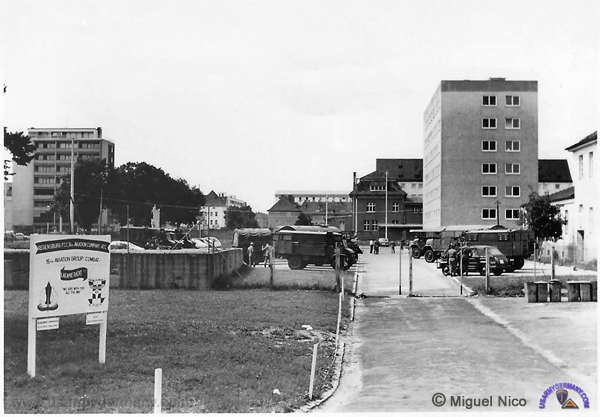 Laramie Radio (Regensburg FCC) sign on left, Pioneer Kaserne, Regensburg, 1970s (Miguel Nico) |
|||||||||||||||||||||||||||||||||||||||||||||||||||||||||||
| The 3rd FCC 14th AVN was barracked at Pioneer Kaserne. Those that were married had apartments across the street. Our barracks were on the ground floor & had a street entrance. Our wing was shared with a couple of MP's, two Medics, & a couple of Post guys. Everyone had private rooms equipped with refrigerators & hotplates. We (3rd FCC guys) did not have mess priviliges and all got paid double seperate rations so we only cooked in our rooms, ate at the PX or Club, went to town, or had K-rats. If you kept your room reasonably clean, didn't do drugs, or get stupid there were no rules. Overnite guests, parties, alcohol, & poker were the norm everynight. Some of the names I can remember from there are Sgt. McNair, Mike Nixon, Jim? Bugalski, ? Swarm, & ? Tinker (from Florida). I'm hoping I can find my old vintage photos, etc. from my Army days. We had our little tower which only had radios & a direct phone line to AFOF. I don't think the phone went anywhere else. As far as the teletype trailer, we had 1 operator with the correct clearance & I don't think we used it except for training exercises up at Hohenfels. Our Company HQ was at Schwaebish Hall but we had very little contact with them. Actually I'm not sure of our exact unit designation at this moment but will find the applicable documents soon. The 1972 story of the entire unit being drunk on a Saturday morning really does fit exactly. My only question would be why were they together on a Saturday because we usually put in 6-7 hours on weekdays and except for the one guy on duty, had weekends off. I remembered one more of our guys names"Pedro Vega" who I think was assigned to the 14th & Regensberg at the same time as me. We may have also been at Keesler AFB for ATC training together. I will give you more soon. FYI I also worked at the Pioneer Kaserne club. In fact it was there I watched the Apollo moon landing on TV. Keep up the good work. |
|||||||||||||||||||||||||||||||||||||||||||||||||||||||||||
| 1972 | |||||||||||||||||||||||||||||||||||||||||||||||||||||||||||
| (Source: Email from Clarence (Bud) Leist) | |||||||||||||||||||||||||||||||||||||||||||||||||||||||||||
| I enjoyed your article on USAREUR Aviation Units. Brought back allot of good memories. I have some additional information on the 14th ATC in Regensburg, at least from 1972-1974. The “control room” as it were, used for en-route flight following was on the top floor of a multi-use building in the Pioneer Kaserne in Regensburg. Our mess and barracks were shared with a Hawk Missile Battery. We had a 26D van on the ground for passing flight plans etc. Most of the flight plans we passed via land line so we really didn’t use radios that much. I remember at some point someone telling me the facility was on a hill outside of town. Probably the Winserer Höhe you refer to. We received radar support from Batman Radar. I don’t remember or perhaps never knew where they were located suffice to say I did get to chat with them one morning when an UH-1 inadvertently crossed the border and the proverbial “S” hit the fan. They declared a “brass monkey” and I spent the remainder of the day doing reports. I understand the unit was shut down shortly after Col. Ice came down from Schwabisch Hall and found the entire group from Bayreuth and Regensburg drunk and passed out one sunny Saturday morning. I was the controller on duty and avoided the wrath. I think your dates may be off on the name change but I could be wrong. I think it had already been renamed the 14th ATC prior to 1975 and changed to 5th Signal. When I arrived in September 1972 we had the 7th Army patch. We began wearing the 5th Signal with the globe and lightening bolt in mid 1974. In addition there was a slogan and sign going around Dolan barracks in 1974. 14th ATC (Air Traveling Circus). At any rate should you care I have pictures from the Regensburg years. I was also in Hohenfels for three years and still return to visit the German couple I met 32 years ago. We were there in October and spent two weeks with them. They come here every two years to visit. From a military standpoint I was just a Spec 4 and for good or bad I focused more energy on travel, meeting Germans, beer fest and women. I don't remember what they called Bayreuth (Webmaster Note: Gordon Radio). If I remember correctly we were the furthest south and covered north to Bayreuth. Our check points were Camp May, Camp Roth (Roetz?) and a swimming pool among other things. Their commander was a party animal. He threw up on Col. Ice's shoes, in his car after the infamous "company party" and subsequent close down. I think Laramie Radio (Regensburg) went off the air shortly after that. I seem to remember Dan Query saying he spent his last 6 months in Schwabisch Hall. I was a gluten for punishment and spent 22 years finishing up a Senior Crew Chief/FS/FI with the Colorado National Guard High Altitude Training facility in Eagle Colorado. I taught crew chiefs night vision goggles, air crew coordination, rescue etc etc. |
|||||||||||||||||||||||||||||||||||||||||||||||||||||||||||
| 1973 | |||||||||||||||||||||||||||||||||||||||||||||||||||||||||||
| (Source: Email from Randall Roush | |||||||||||||||||||||||||||||||||||||||||||||||||||||||||||
Laramie Radio 1973-1974 |
|||||||||||||||||||||||||||||||||||||||||||||||||||||||||||
| (Source: Email from Ed Green) | |||||||||||||||||||||||||||||||||||||||||||||||||||||||||||
I was with the 14th when it became the 59th ATC.
Headquarterd at Schwabisch Hall, it consisted of two companies. The 187th covered the northern part of the country (V Corps). The 189th was in the south (VII Corps). I think that the 187th had headquartes at Hanau Fliegerhorst.
I was with the 189th 1st platoon, detached to support the 1st IDF at Goeppingen (Cooke Barracks). We operated a small tower in garrison, and deployed with an AN/TSQ-70A mobile tower in support of larger unit activities. 2nd platoon, which I think was at Schwab Hall, ran a mobile GCA through an AN/TSQ-71.
When we deployed (for example, for REFORGER) the Company went to an unimproved airstrip and set up a tower, GCA unit and flight operations center for a Division-level airfield. We also developed tactics for operating small, short-term landing zones for smaller units.
Additional Comments Now that you mention it, the other company may well have been the 240th. I may be confusing the 187th with a 58th Bn unit out of Fort Bragg, where I was also stationed.
Yes, there was HHD. Can't remember whether there was more than the two platoons.
|
|||||||||||||||||||||||||||||||||||||||||||||||||||||||||||
|
|||||||||||||||||||||||||||||||||||||||||||||||||||||||||||
|
|
|||||||||||||||||||||||||||||||||||||||||||||||||||||||||||
| 59th ATC Battalion History | |||||||||||||||||||||||||||||||||||||||||||||||||||||||||||
| 1978 - 1987 | |||||||||||||||||||||||||||||||||||||||||||||||||||||||||||
 59th Air Traffic
Control Bn DUI
59th Air Traffic
Control Bn DUI |
|||||||||||||||||||||||||||||||||||||||||||||||||||||||||||
|
On
1 October 1978, the 14th Avn Unit (ATC) was deactivated and the
59th Air Traffic Control Battalion
was formed to correctly reflect the scope of its wartime mission.
While the fixed station requirements remained basically the same,
the battalion's 3 companies and Army Flight Operations Detachment
accepted their dual mission by extensive training with their supported
units, setting the standards for combat support air traffic control.
The battalion continues to strive to establish new and innovative tactical ATC doctrine and concepts that could doctrinally pave the way for both Army and Air Force tactical ATC usage. |
|||||||||||||||||||||||||||||||||||||||||||||||||||||||||||
| If you have more information on the history or organization of the 59th ATC Battalion, please contact me. | |||||||||||||||||||||||||||||||||||||||||||||||||||||||||||
|
|||||||||||||||||||||||||||||||||||||||||||||||||||||||||||
|
|
|||||||||||||||||||||||||||||||||||||||||||||||||||||||||||
| (Source: 59th
ATC Bn public affairs) 59th Air Traffic Control Battalion Mission The 59th Air Traffic Control Battalion is comprised of a total of 777 assigned personnel, has personnel and equipment in 34 locations, and is spread over 50,000 square miles of Germany and Italy. The Battalion is responsible for providing all peacetime and transition to war tactical air traffic control support to two US Corps (Fifth and Seventh), two Armies (CENTAG and SETAF), and to the entire European Communications Zone (COMMZ) that stretches from the North Sea to Turkey. To this end, the Battalion provides operations, administration, and logistical support to a mission that doctrinally requires an ATC Group, and two ATC Battalions. During peacetime, the 59th Air Traffic Control Battalion provides staff administration, operational and logistical planning, and personnel for the support of both fixed base and tactical air traffic control operations to the entire U.S. Army, Europe, Theater. The Battalion is organized as a Modified Table of Organization that is authorized 393 personnel, augmented by a Table of Distribution Allowances (TDA) that is authorized 359 personnel. In garrison, the Battalion is responsible for two flight following facilities that monitor aircraft movements in the essential and critical Air Defense Identification Zone, terminal services at twelve fully instrumented and certified airfields, six visual flight rule tower facilities, and communications/electronics maintenance support at 16 advisory airfields. In addition to the operation of the above facilities, the assigned tactical mission responsibility is to provide tactical terminal and enroute air traffic control navigational aids, air warning, and other assistance to inflight aircraft for the Fifth and Seventh US Corps and the USAREUR Communications Zone (COMMZ) area of operation. The 59th ATC Bn supervises and manages the operation of the Army Flight Operations Detachment (TDA AFOD) which is responsible for the coordination of flight planning information with host nation flight activities and for the coordination of search and rescue and other flight service support for U.S. Army aircraft in USAREUR. During wartime, the 59th ATC Bn reverts to its doctrinal support mission of providing air traffic support to one Corps, but that is not until arrival of the doctrinal ATC elements addressed above. |
|||||||||||||||||||||||||||||||||||||||||||||||||||||||||||
|
|||||||||||||||||||||||||||||||||||||||||||||||||||||||||||
|
|
|||||||||||||||||||||||||||||||||||||||||||||||||||||||||||
| 3rd Battalion (ATC), 58th Aviation | |||||||||||||||||||||||||||||||||||||||||||||||||||||||||||
| 1987 | |||||||||||||||||||||||||||||||||||||||||||||||||||||||||||
| (Source: Letter from the Adjutant, Hqs, 3d ATC Bn, 58th Avn, APO 09025-3109, June 27, 1989) | |||||||||||||||||||||||||||||||||||||||||||||||||||||||||||
| On 16 July 1987,
the 59th Air Traffic Control Battalion was, headquartered in Schwäbisch
Hall, was redesignated as the 3rd ATC Battalion, 58th Aviation Regiment. The Battalion's subordinate companies - the 187th ATC Co (FWD), Wiesbaden; the 189th ATC Co (FWD), Schwäbisch Hall; and the 240th ATC Co (COMMZ), Mannheim, were redesignated as "A", "B" and "E" Companies, respectively. The Army Flight Operations Detachment (AFOD), Heidelberg, retained its name. |
|||||||||||||||||||||||||||||||||||||||||||||||||||||||||||
|
PEACETIME
MISSION of 3d ATC Bn, 58th Avn Regt.
The battalion has the following mission during peacetime: |
|||||||||||||||||||||||||||||||||||||||||||||||||||||||||||
|
|||||||||||||||||||||||||||||||||||||||||||||||||||||||||||
|
WARTIME
MISSION of 3d ATC Bn, 58th Avn Regt.
The battalion has the following mission during wartime: |
|||||||||||||||||||||||||||||||||||||||||||||||||||||||||||
|
|||||||||||||||||||||||||||||||||||||||||||||||||||||||||||
|
ORGANIZATION
of 3d ATC Bn, 58th Avn Regt.
|
|||||||||||||||||||||||||||||||||||||||||||||||||||||||||||
|
|||||||||||||||||||||||||||||||||||||||||||||||||||||||||||
| FIXED FACILITIES operated by 3d ATC Bn, 58th Avn Regt. | |||||||||||||||||||||||||||||||||||||||||||||||||||||||||||
|
|||||||||||||||||||||||||||||||||||||||||||||||||||||||||||
| (Source: Email from Kent V. Hufford, CO, 59th ATC Bn/3rd Bn, 58th ATC) | |||||||||||||||||||||||||||||||||||||||||||||||||||||||||||
| I was the first S2/S3 of the 59th ATC BN; the last BN CDR of the 59th ATC BN; and, the first BN CDR of the 3-58th ATC BN. Attached is a photo of the U-21 aircraft belonging to the 3-58 ATC BN at Schwäbisch Hall, FRG. The main purpose of the aircraft was to conduct flight checks of navigation aids and controller proficiency. At the time, the BN also had 5 UH-1H helicopters. The control tower is the tower for Schwäbisch Hall Army Airfield. Now, the long story on 18049, the U-21: |
|||||||||||||||||||||||||||||||||||||||||||||||||||||||||||
|
|||||||||||||||||||||||||||||||||||||||||||||||||||||||||||
| We got the U-21 from the Saudi Arabia US support group (they got C-12s)
around 1979. FULL of SAND. We kept it boat anchor green until mid 1986. As mentioned before, the purpose of the aircraft was to do flight inspection of navigation aids and controller rating. A boat anchor green airplane is hard to see (fine in war), so the stateside ATC C-12s were painted white with the red stripe. So, we asked DA DCSLOG, Joe Cribbins (Mr. Army Aviation) for approval to have it painted white with a red stripe for visibility. DA approved, but required it to be painted in CARC paint (1). You could not paint it in Germany, so we flew it to England and had it painted there. Also, during the mid 1980's we were having terrorist and strike issues in Europe. The Battalion had controllers in Italy, and nav aids in Turkey that we had to visit. So, instead of saying US ARMY on the side, it said UNITED STATES OF AMERICA..... Just like the president's plane! Kinda neat when you land at FULDA. MANY times when the airplane landed somewhere, some self-important senior aviator would challenge the crew, or me as to why it was painted the color it was. We had extra copies of the DCSLOG authorization letter from Mr. Cribbins to hand out. Once they saw that Joe approved it, they said, sorry to bother you. The plane stayed in Europe until after the end of the cold war. 049 then went to the PENN National Guard, and was repainted boat anchor green. Notice in the photo, that the paint on the plane is great, but the paint on the control tower is coming off. The post civil engineers controlled when to paint the tower... Kent. (1) CARC = chemical agent resistant coating paint. CARC is a polyurethane paint that provides superior durability, extends service life for military vehicles and equipment, provides surfaces with superior resistance to chemical warfare agent penetration, and greatly simplifies decontamination. |
|||||||||||||||||||||||||||||||||||||||||||||||||||||||||||
| 1985 | |||||||||||||||||||||||||||||||||||||||||||||||||||||||||||
| (Source: Email from Michael W. Kress)) | |||||||||||||||||||||||||||||||||||||||||||||||||||||||||||
| Under the "FIXED FACILITIES operated by 3d ATC Bn, 58th Avn Regt." (above) you don't have listed Grafenwoehr AAF, even though right above it you have Grafenwohr labeled as the location for Second Platoon E Company. (Webmaster note: I have now added Grafenwoehr AAF to the list.) At Grafenworhr we had a TWR/GCA and Approach Control (which was also at Heidelberg) and a Flight Following facility. The Flight Following Facility was Grafenwoehr Radio. I was with the 240th ATC Co (and later the 3rd ATC Battalion) from 1985 to 1992 at both Coleman AAF as a Shift Supervisor and then Grafenwoehr as the Approach Control/TWR Chief. 2nd Platoon, 240th ATC Company (COMMZ) The number of personnel assigned to Second Platoon would be a guess but I would say close to 80. You have to remember back then the Company Commander was a Major, Executive Officer was a Captain and Platoon Leaders where Captains or senior First Lieutenants who had UCMJ authority, something you won’t find in today’s Company structure. Platoon Sergeants where Master Sergeants and Site Chiefs where Sergeants First Class. As far as actual facilities when I was assigned to the 240th ATC Co (COMMZ) in January of 1985 the platoons where broken up as such:
(1) The actual airfield skirts the Feucht city limits but is NOT part of Feucht. (2) Pirmasens actually ran an advisory service from Base Ops and we would return once a year and open the Tower for the NATO fly in sponsored by the 22nd AVN. I believe they finally closed around 1989. ADDITIONAL INFORMATION I arrived in Germany in January of 1985 fresh out of ATC School. After going thru the in-processing center at Frankfurt I had orders to the 240th ATC Company with assignment to Bad Toelz. When I arrived at the Company Headquarters I had already been off on a long weekend with my Family (My father was born and raised outside of Heidelberg, went to the States when he was 19). The 1SG saw my orders to Bad Toelz and said “there is no way I am assigning a private who speaks German to a VFR, day only, no weekend facility, I will never see you again” That was 1SG Grinde, hell of a First Sergeant. He gave me a choice between Coleman or Feucht, since Coleman was closer to family I took Coleman. We were so short of people that the ATC facilities ran at min manning for four years, and we still had tactical equipment to deploy and maintain, hence the “Dual-Mission” designation that only Germany has. If you worked the day shift 0600-1400 you were expected to be in the motor pool by 1500 for PMCS until around 1800. If you were on swing shift 1400-2200 then you were expected in the motor pool by 0900 until 1300 . I was promoted to SGT exactly 3 years to the day of entering active service. In 1988 I was offered the Tower Chief/Approach Control Chief job at Grafenwoehr, since I was just married (My wife is from Mannheim) I accepted and took an Inter-Theater Transfer and Consecutive Overseas tour, which equates to a brand new assignment instead of just an extension. After getting certified at Graf and taking over, like I said before, they closed Feucht, HOWEVER they only PC’sd the people the equipment came back to the Platoon HQ’s. Which meant that both the Tower and GCA had to maintain two sets of tactical equipment but no increase in manning. 2nd Platoon, E Co deployed for Desert Shield/Desert Storm in support of JTF Bravo, attached to 3rd Brigade 3rd infantry Division out of Wiesbaden and where later joined by 1st Platoon and then relieved by their respective platoons for Operation Provide Comfort. Further deployments included REFORGER in Antwerp, Brussels, Rotterdam, Amsterdam and Bremerhaven not the actual exercise but the deployment and redeployment of stateside assets. Remember we were COMMZ so we handled the before and after requirements, 187th and 189th got to play the war. Also remember that during the 240th era BOTH platoon’s where manned as present day Company’s. There where Motor Pool sections, HQ’s sections and Maintenance sections. We had additional duties along with tactical equipment and military training that had to be accomplished. Normal day while I was assigned to Germany was 0600 – 2200, 5 days a week. Even with that I would never give up the time I spent in Germany. I loved it. |
|||||||||||||||||||||||||||||||||||||||||||||||||||||||||||
| 1988 | |||||||||||||||||||||||||||||||||||||||||||||||||||||||||||
| (Source: Information supplied by Eric T. Deem, 1st Pltn, A Company, 3/58th Avn Regt, 1988-1993) | |||||||||||||||||||||||||||||||||||||||||||||||||||||||||||
I arrived in the FRG in January of 1988 and was assigned to 1st Plt, A Co., 3/58th Avn, Regt. at Wiesbaden AB. From there, I was detached to Maurice Rose AHP (MRAHP), Bonames/Frankfurt am Main, FRG. When I arrived in Jan 88, the only unit besides mine was the 62 Avn Co. "Royal Coachman". A little bit later, we ended up with most of 5/158th Avn. We wore the USAREUR patch, and if you were "lucky" to have been sent to Desert Storm, you wore the USAREUR patch as your combat patch too! (Our BN at that time fell under direct USAREUR Aviation; after the drawdown, 3/58th was assigned to 12th AVN BDE - So after the drawdown 1993? 3/58th Avn wore the "Griffin" patch.) There was a V.F.R. Tower there. The mission for that airfield was to provide aviation support to the V Corps V.I.P. over at the nearby Abrams Complex/Casino Helipad (aka the I.G. Farben Building), and to the 5/158th Avn (old 60th Avn Co. "Royal Coachman"). Their tactical callsign was "BOSS". Maurice Rose Tower had control of the following: The rule for Casino pad was that only TWO people were authorized to use that helipad: The V Corps Commander, and the USAREUR Commander. Anyone else had to land at Maurice Rose, and then transport by VIP sedan/V.W. Bus. In addition to the VFR Tower services, we also provided Flight Following Services for the "Northern Training Area" north of Frankfurt in the Taunus Mountains. I don't have the EXACT location of this Flight Training Area...but, I do know that occasionally, other AVN Units in V Corps would use it. Regardless of who used it, we provided Flight Following Services. Down in the Operations Office, they had a wire-strike hazards map, along with a "crash grid" map that we also had in the tower. I worked there as a SGT(E-5) ATC Tower Supervisor from Jan 1988 until February of 1993. (I was held over an additional year because of Desert Storm). |
|||||||||||||||||||||||||||||||||||||||||||||||||||||||||||
|
|||||||||||||||||||||||||||||||||||||||||||||||||||||||||||
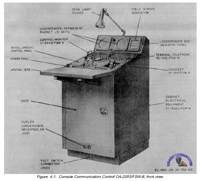
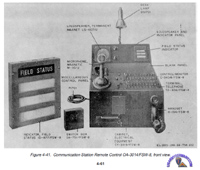
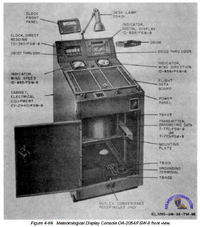
Wow, great pics. Whatever ATC Tower facility this was (webmaster note: this is the tower at Schwäbisch Hall), they were lucky - they had an Air Force Weather Observer in their cab! Find attached, a copy of Army Aviation Digest from August, 1972. Although the article on page 2 is interesting, you'll find information on the equipment. And now...the Equipment: |
|||||||||||||||||||||||||||||||||||||||||||||||||||||||||||
|
|||||||||||||||||||||||||||||||||||||||||||||||||||||||||||
NOTES: 1) On the OA-2055, that giant microphone was removed and replaced with a nice lightweight hand microphone. A further improvement, was plug jacks to allow use of the "Plantronics" lightweight headsets (very nice). A further improvement on that, was a cord with plug, to allow use of the microphone in the M-24 protective mask (that's what we controllers were issued, better visibility) 2) On the OA-2054 Console, that damn electronic barometer NEVER worked - anywhere! You obtained the field barometer from your local, friendly, Air Force Weather guy... 3) Ditto on the clock, in Germany, you could never get that "50hZ" motor for it, ergo, if you did turn it on it would be very inaccurate! (210/50hZ AC is the standard in Germany). 4) In the lower activity facilities (as opposed to the high activity, like Wiesbaden) such as Maurice Rose AHP, you would have only ONE OA-2055 console; Local and Ground Control were combined into one operating position. |
|||||||||||||||||||||||||||||||||||||||||||||||||||||||||||
|
|||||||||||||||||||||||||||||||||||||||||||||||||||||||||||
| Army Flight Operations Detachment | |||||||||||||||||||||||||||||||||||||||||||||||||||||||||||
| 1957 - present | |||||||||||||||||||||||||||||||||||||||||||||||||||||||||||
 AFOD emblem AFOD emblem |
|||||||||||||||||||||||||||||||||||||||||||||||||||||||||||
| (Source: ECHO, April 1984) | |||||||||||||||||||||||||||||||||||||||||||||||||||||||||||
| ADAC of the airways by Richard Saunders A patient lies atop an operating room table in Northern Germany. Struggling against the odds, medical technicians have strapped his body with a network of life support systems -- but machines and medical technology alone won't save him. The vital transplant organ he needs to survive has just been removed from the victim of a fatal traffic accident 100 miles south, but if it's going to save his life it's got to arrive at the hospital within an hour -- and the clock is running. Simple arithmetic convinces the doctors that even a speeding ambulance isn't going to bridge the 100-mile gap in time. Air transport is the only answer. Immediately a call is made to one of 5th Signal Command's least-known units, the Army Flight Operations Detachment. Before three minutes have passed, they've got a Medevac chopper in the air. Fifty minutes later, the copter lands on the hospital's helipad, transplant organ on board -- a life has been saved. |
|||||||||||||||||||||||||||||||||||||||||||||||||||||||||||
|
|||||||||||||||||||||||||||||||||||||||||||||||||||||||||||
Often referred to as the "ADAC of the airways" AFOD assists aviators in much the same way as automobile clubs support motorists on the road. AFOD serves pilots by advising them which flight paths to follow, alerting them to special problems they might encounter during a flight and getting them help when something goes wrong. |
|||||||||||||||||||||||||||||||||||||||||||||||||||||||||||
| 1971 | |||||||||||||||||||||||||||||||||||||||||||||||||||||||||||
| (Source: STARS & STRIPES, Jan 3, 1971) | |||||||||||||||||||||||||||||||||||||||||||||||||||||||||||
| The Army Flight Operations Detachment, stationed at the Army Airfield in Heidelberg, comes under the US Army Communications Command, Europe. The det operates round-the-clock to aid the Army pilot in successfully completing his mission - inluding assisting in charting his flight plan or initiating search and rescue operations if his aircraft does not arrive at its destination. AFOD CO is Maj James Harris. AFOD supports over 1,100 aircraft, 1,300 aviators and 170 airfields in USAREUR. AFOD's mission is to coordinate Army air traffic with that of the Air Force, NATO allies and European civil authorities. In addition, the organization offers pilots a variety of services ranging from a 24-hour-a-day weather service to the only centralized "Notice to Airmen" (NOTAM) file in Germany. (In the past year, AFOD has assisted with the preparation of over 100,000 flight plans and processed over 400,000 phone calls for assistance.) During search and rescue operations in Europe, AFOD serves as USAREUR's coordinator with USAFE search and rescue authorities at Ramstein AB. This mission takes priority over all others during an S&R operation. Recently, installation of a network of phone lines from AFOD to airfields throughout Germany has been completed. This allows pilot's direct access to the organization. |
|||||||||||||||||||||||||||||||||||||||||||||||||||||||||||
| (Source: ECHO, May 1986) | |||||||||||||||||||||||||||||||||||||||||||||||||||||||||||
| Border Patrol by Lee Royal "I feel like I'm the eyes and ears for what's happening in the East," says Sgt. Charles Martin, flight operation NCO at the Carlisle Radio Center. That's how Martin describes his role at one of two remote radio sites located near the East German and Czechoslovakian borders. The facilities are provided by the 59th Air Traffic Control Battalion's Army Flight Operations Detachment (AFOD) to assist aviators with flights into the German Air Defense Identification Zone CADIZ) - a zone of approximately 15 nautical miles which exists on the west side of the political borders. The radio facilities, Carlisle (Webmaster: Wasserkuppe) and Rester (Webmaster: Döbraberg?), monitor all aircraft movements and assist in identifying aircraft flying in the ADIZ, says CW04 David Geiger, AFOD's flight operations officer. The radio facilities cover a distance approximately 250 miles long in the southern part of Germany, explains Geiger, and the British military monitors the northern half of the border. The AFOD is open 24 hours, seven days a week, to provide services such as flight plan support, flight following, search and rescue coordination, "notice to airmen" briefings, technical advice and assistance, weather support, coordination with other military and civilian traffic facilities and ADIZ coordination. Recently, with the addition of a radio transmitter and receiver in the southern tip of the border, communications has improved between the aircraft and soldiers at the radio facilities, says Geiger. Before, if an aircraft flew the southern part of the border, communication signals couldn't reach it and the radio site soldiers could not contact and track the aircraft properly. The Carlisle Radio Center is open from 7 a.m. to 5:30 p.m. during the winter months and in the summer from 6 a.m. to 9 p.m., seven days a week, says SSgt. Donald Reeds. Carlisle's facility chief. Reeds says that being assigned to a remote site near the Eastern border makes the camaraderie between the soldiers strong. "We are 21 miles from Fulda, which is the largest town. Everything else is small," says Reeds. "There are very few soldiers (stationed at the site), so we do a lot of things together. We even come up to the site on our free time," he adds. Soldiers at the site are provided the luxuries of home such as movies. a VCR, books and morale support equipment such as skis. They aren't totally out of touch with their unit, however. Soldiers from headquarters visits the site several times a month to keep the soldiers up to date on what's happening in the battalion, policy changes, etc. "We also drive to Fulda about three times a week;" says Reeds. "We don't have facilities like a regular kaserne, so sometimes it takes longer to do different activities." It also can get difficult in the winter. "I was fighting five foot snow drifts on Christmas day (going to and from the site)," says Martin. Martin adds he thoroughly enjoys his work even though he's isolated and realizes the importance of his mission in monitoring aircraft. He feels that he's taking an active part in keeping Western Europe free. |
|||||||||||||||||||||||||||||||||||||||||||||||||||||||||||
| (Source: US ARMY BORDER OPERATIONS IN GERMANY, 1945-1983, by William E. Stacy) | |||||||||||||||||||||||||||||||||||||||||||||||||||||||||||
| The Flight Coordination Center (FCC) at Fulda was just part of an extensive network Seventh Army had implemented to monitor Army aircraft in the Federal Republic, especially aircraft performing observation and surveillance missions in the ADIZ. In the latter part of the 1960s, the 14th Air Traffic Control Company, a subordinate unit of the 15th Aviation Group, operated FCCs at Fulda (Wasserkuppe?), Bayreuth (Döbraberg?), and Regensburg (Winserer Höhe?) that monitored, flights within the ADIZ, and three other FCCs west of the ADIZ to monitor Army aircraft operating within the southern half of the Federal Republic. | |||||||||||||||||||||||||||||||||||||||||||||||||||||||||||
| (Source: SIGNAL, April 1965) | |||||||||||||||||||||||||||||||||||||||||||||||||||||||||||
| A radar surveillance and control fence became operational along the East-West German border on October 29, 1964, Electronic News reported recently. The electronic warning system is intended to prevent accidental overflights into Communist territory by Allied aircraft. The code name of the system is Project Wind Drift. The new facilities, with three Ground Control Intercept radar stations (Webmaster: Wasserkuppe, Döbraberg and Regensburg) will provide continuous radar surveillance, positive aircraft control and an immediate retrieval capability. The operational plan was developed by USAFE, in cooperation with the Ground Electronics Equipment Installation Agency. Who can provide more details? |
|||||||||||||||||||||||||||||||||||||||||||||||||||||||||||
|
|||||||||||||||||||||||||||||||||||||||||||||||||||||||||||
| CARLISLE RADIO (Wasserkuppe) | |||||||||||||||||||||||||||||||||||||||||||||||||||||||||||
| (Source: Email from Craig Wilson) | |||||||||||||||||||||||||||||||||||||||||||||||||||||||||||
I was stationed on the Wasserkuppe at Carlisle Radio from OCT 87 til AUG 89 at which time I went to Heidlberg (AFOD) until I returned stateside. I was a 93H (ATC Tower Controller) and we were a 7-man detachment stationed on the summit of the Wasserkuppe. This was a German Air Force kaserne at the time.
Some of the younger unmarried soldiers lived on the kaserne with the German airmen. The NCOs and married personnel either lived in military housing in Fulda with the 11th ACR or lived near the 'Kuppe in Poppenhausen or Gersfeld. I remember being able to see the East German border towers from my room on the kaserne. It was so cold during the winters that you could store frozen foods on your window sill from OCT to MAY. The snow plows sometimes did not clear the main road down the mountain until noon. We had an E6 NCOIC, an E5 asst NCOIC and there were four others E4 and below. There were always one or two personnel rotating in/out each year. I remember SSG Desmond M. Wilson, SGT Earl O Rodgers, SGT Joseph Winkelmann, SPC Richard Kurek, SPC Michael Thompson, SPC John Hepfer, PFC Roderick Chandler, SPC Kenneth A. Brabham, SPC Tommy Jones Jr, and Terry (forgot your last name). We used to volunteer to go to the field with other units from 3/58th. I remember going to Graf and Hohenfels with platoons from Mannheim and Stuttgart. We knew they guys at the other remote site, Rester Center. We used to take ski trips and play softball with the rest of our unit at AFOD in Heidlberg. We got to know the German airmen really well and we spent many after hours in the Unteroffizierkamaradshaft (sp? we called it the UKV). They served breakfast (shinkenbrot and coffee), lunch (excellent cheeseburgers and pommes) and dinner (they had a jaeger schnitzel with krokettens that was to die for). The chef had been to culinary school in France and was serving his obligatory service time of 2 years. And we consumed many excellent German beers. We made trips to the Kreuzberg monastery to get that dark german beer that the monks made. We all did a lot of skiing there on the Wasserkuppe and it is still a popular destination. I believe that Carlisle and Rester Center went of off the air in 1992. I had friends still working at AFOD in 1992 and I think that is what they had told me.
The greatest 2 years of my life.
I have some aerial photos of the Wasserkuppe if you would like them. |
|||||||||||||||||||||||||||||||||||||||||||||||||||||||||||
|
|||||||||||||||||||||||||||||||||||||||||||||||||||||||||||
| RESTER CENTER (Döbraberg) | |||||||||||||||||||||||||||||||||||||||||||||||||||||||||||
|
|||||||||||||||||||||||||||||||||||||||||||||||||||||||||||
| (Source: USAG Heidelberg Public Affairs Office) | |||||||||||||||||||||||||||||||||||||||||||||||||||||||||||
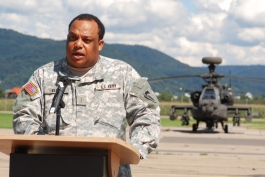
50 Years of Army Aviation in HeidelbergChief Warrant Officer 5 Noel C. Seale, commander of the Army Flight Operations Detachment, speaks at the detachment's 50th anniversary celebration Aug. 23. Photo by Dave Melancon Heidelberg, Germany - The Army's only aviation detachment here does not own any aircraft or man any flight control towers, but the 50-year-old organization is responsible for almost every Army aircraft taking to the air over Europe. |
|||||||||||||||||||||||||||||||||||||||||||||||||||||||||||
|
|||||||||||||||||||||||||||||||||||||||||||||||||||||||||||
| If there is an emergency, the detachment will serve as the central point for information coming in from the field and for disbursing information to higher headquarters, Davis said. The detachment is the central point of contact for U.S. search-and-rescue missions, he said. If a U.S. aircraft is overdue at its planned destination, the AFOD starts the tracking process. "We are the information facilitators," Davis said. "We gather and push out to agencies that need it. We are the hub where all the information is going to come to." The detachment provides pilot and flight tracking services for all Europe-based Army aircraft, some Air Force flights and civilian flying clubs that use Army airfields, Davis said. It is the central flight information point for eight Army airfields and four helipads in USAREUR. It keeps track of about 70 Army rotary (helicopter) and fixed-wing aircraft, but that number can total about 160 with the addition of the currently deployed 12th Combat Aviation Brigade's birds. On a typical day, the detachment supports about 140 flights with peaks hitting up to about 200, Davis said. The detachment is always manned and conducts its operations around the clock every day of the year. Although it handles mostly Army air traffic, the detachment also processes flight plans from other U.S. services. They also receive and process flight plans from military aircraft originating in the states traveling to or through Europe. The detachment compiles NOTAMS - notices to Airmen, flight information concerning routes or landing sites - uploading them into a Web-based database that pilots flying in the USEUCOM area of operations can view, Davis said. The flight administration and data processing sections track aircraft missions from start to finish. The detachment traces is beginnings to the end of World War II when the 5th Aviation Operating Detachment was stood up and charged with the responsibility for Army airfields in Germany. The 5th AOD's operations included manning and running of control towers, air traffic control, and the operation and maintenance of the navigational facilities. In 1957, the Army Flight Operations Facility was activated at the Heidelberg Army Airfield as part of the Signal Service Battalion, Europe. Its mission was to provide centralized flight services to all U.S. Army aircraft operating in Europe. Over the years, the detachment underwent several re-designations, name changes and upgrades in its communications technology since its founding. At the height of its operations, the detachment was comprised of five warrant or commissioned officers, 24 enlisted Soldiers, and 42 local national civilian employees. Its current personnel roster carries three warrant officers, five Soldiers and 21 civilian employees. "We are the quiet guys behind the scenes," said Chief Warrant Officer 5 Noel C. Seale, the detachment's commanding officer. "A pilot needs to fly, and if we are not here, he has no way to get his flight plan into the system. Anytime you see an (U.S. Army) aircraft flying here, we had a hand in that." The AFOD team serves as the liaison between Army aviation and Germany's air traffic control system, he explained. The AFOD's civilian employees are able to track all aircraft flying in Germany's airspace and let the host nation's air traffic system know about the U.S. flights. "The job has changed a lot in USAREUR because we used to have a lot of airplanes here. When you look at all the units coming and going, we are still here," Seale said. "The one constant is that we have not changed: We have the same mission that we had in the '50s. "If we continue to have aviation in Europe for another 50 years, then we will be celebrating our 100th anniversary." (Dave Melancon is a member of the USAG Heidelberg Public Affairs Office) |
|||||||||||||||||||||||||||||||||||||||||||||||||||||||||||
|
|||||||||||||||||||||||||||||||||||||||||||||||||||||||||||
|
|
|||||||||||||||||||||||||||||||||||||||||||||||||||||||||||
| Related Links: Army Flight Operations Detachment - official web site |
|||||||||||||||||||||||||||||||||||||||||||||||||||||||||||
 .
.
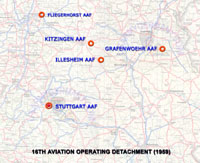
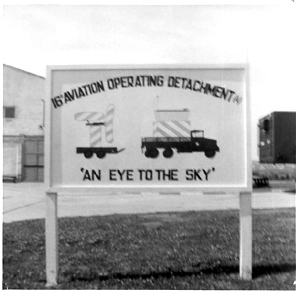
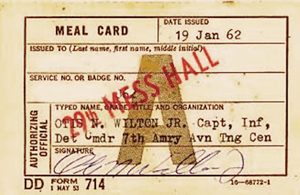
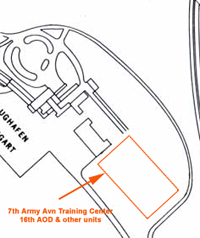
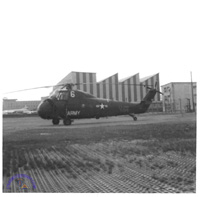
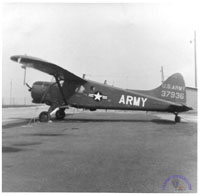
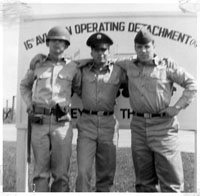
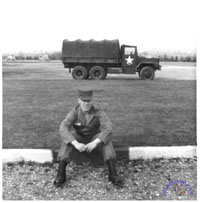
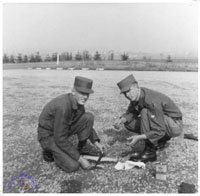
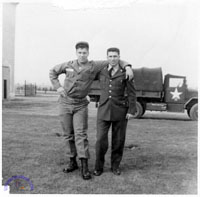
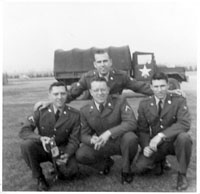
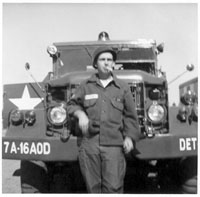
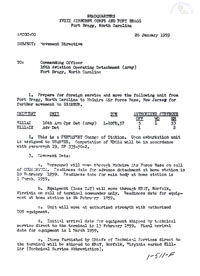
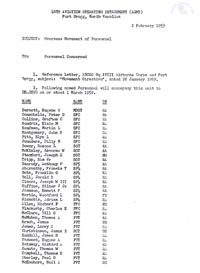
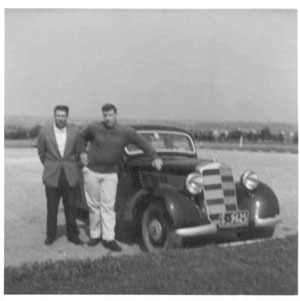
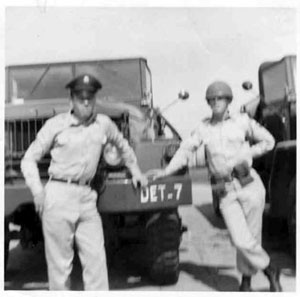
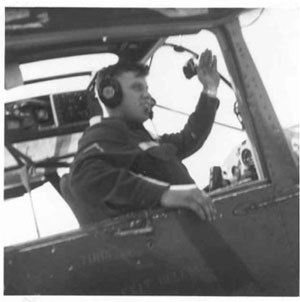
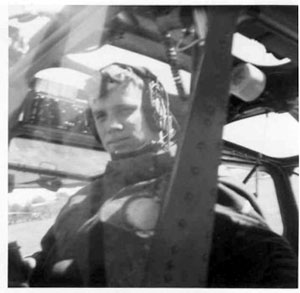
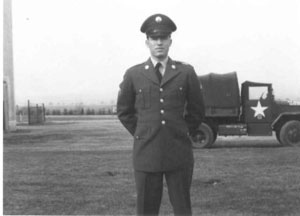
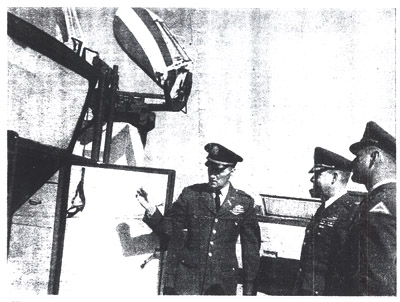
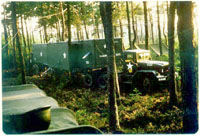
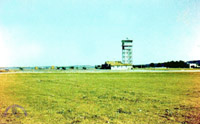
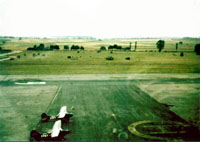
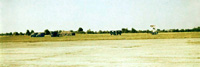
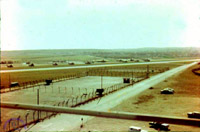
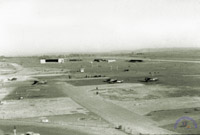
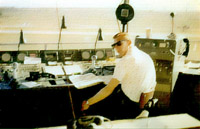
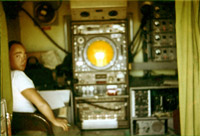
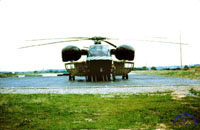
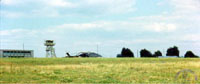
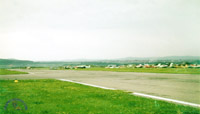
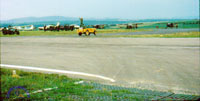
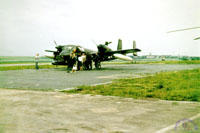
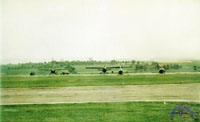
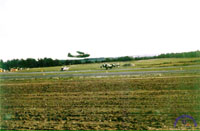
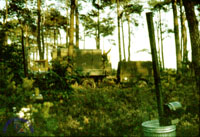
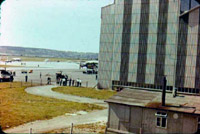
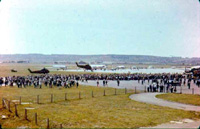
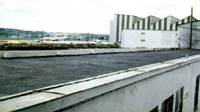
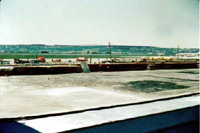
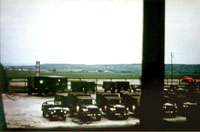
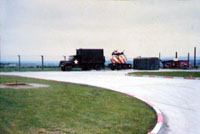
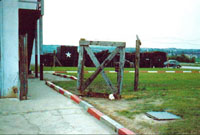
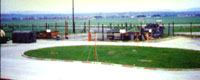
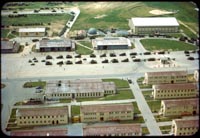
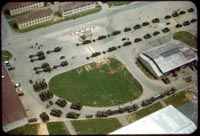
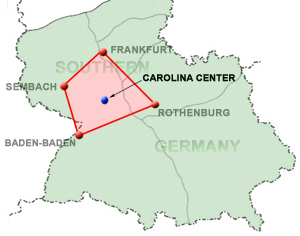
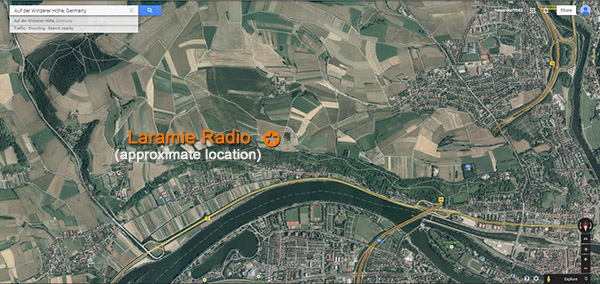
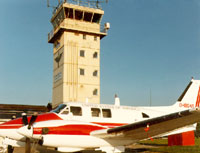

 Drake Barracks Helipad