| If you do
NOT see the Table of Contents frame to the left of this page, then
Click here to open 'USArmyGermany' frameset |
||||||||||||||||||||||||||||||||||||||||||||||||||||||||||||||||||||||||||||||||||||
|
Army
Aviation in the European Theater |
||||||||||||||||||||||||||||||||||||||||||||||||||||||||||||||||||||||||||||||||||||
|
|
||||||||||||||||||||||||||||||||||||||||||||||||||||||||||||||||||||||||||||||||||||
|
||||||||||||||||||||||||||||||||||||||||||||||||||||||||||||||||||||||||||||||||||||
|
|
||||||||||||||||||||||||||||||||||||||||||||||||||||||||||||||||||||||||||||||||||||
| The Early Years | ||||||||||||||||||||||||||||||||||||||||||||||||||||||||||||||||||||||||||||||||||||
|
||||||||||||||||||||||||||||||||||||||||||||||||||||||||||||||||||||||||||||||||||||
 |
||||||||||||||||||||||||||||||||||||||||||||||||||||||||||||||||||||||||||||||||||||
|
|
||||||||||||||||||||||||||||||||||||||||||||||||||||||||||||||||||||||||||||||||||||
| 1953 - 1963 | ||||||||||||||||||||||||||||||||||||||||||||||||||||||||||||||||||||||||||||||||||||
| (Source: STARS & STRIPES, July 31, 1964) | ||||||||||||||||||||||||||||||||||||||||||||||||||||||||||||||||||||||||||||||||||||
 |
||||||||||||||||||||||||||||||||||||||||||||||||||||||||||||||||||||||||||||||||||||
| (Source: The United States Army in Europe 1953 - 1963, by D.J. Hickman, HQ USAREUR 1964) | ||||||||||||||||||||||||||||||||||||||||||||||||||||||||||||||||||||||||||||||||||||
| The Increasing
Significance of Army Aviation Chapter 9, pp. 144 - 147 Another major tactical concept that greatly increased USAREUR's combat capability was the emphasis on aerial mobility. Aviation, of course, had been an integral part of the Army since the War Department approved organic aircraft for the field artillery on 6 June 1942. Throughout the latter part of World War II, light aircraft had effectively detected artillery targets that were hidden to ground observers; and after the war, when the United States began to rebuild its forces in Europe, light aircraft were assigned to each artillery battalion. Initially, aviation was envisioned only as a means of target acquisition, but this restrictive viewpoint was short lived. More than 20,000 casualties were evacuated by Army helicopters from the frontlines in Korea. By the time the five U.S. divisions1) in Europe were increased to full strength in 1952, Army planners already envisaged the use of aircraft in varying battlefield roles. A new TOE, under which Seventh Army reorganized in February 1953, assigned several fixed-wing and rotary aircraft to each division. This development created an immediate shortage of helicopter pilots. Therefore, in November 1953 USAREUR delegated to Seventh Army the responsibility for instrument flight training and testing of all Army aviators in the European theater. Thus, an organized and fast-growing aviation program was under way in Europe. 1) 1st Infantry Division (Würzburg) already in theater (since 1945) as an occupation unit. The other four divisions - 4th Infantry Division (Frankfurt), 28th Infantry Division (Augsburg), 43rd Infantry Divisions (Göppingen) and 2nd Armored Division (Bad Kreuznach) - arrived as part of the Troop Augmentation program in 1951. On 11 March 1954, Seventh Army headquarters organized an aviation section to supervise specialized and flight aspects of aviation administration, training, and operations. Within a year, aviation elements of Seventh Army were an important, though small, segment of combat support forces, and command emphasis was being placed on their readiness. At first there was a limited training program at Seventh Army level; later each major Seventh Army subordinate command inaugurated a unit pilot-standardization program. The serious shortage of aviators continued, however, and on 1 July 1955, at USAREUR direction, the Seventh Army Aviation Training Center was established to augment the Department of the Army replacement program by supplying locally trained aviators. By the end of 1955 the output of this center had solved the problem of aviator shortages. During the mid-1950's, as Army planners anticipated the pentomic reorganization, more emphasis was placed on aviation, and USAREUR developed and tested tactical doctrine and methods for employing more aircraft in combat. In 1956, Army aircraft within USAREUR increased to approximately 50 per division, and field exercises simulated aviation play with special emphasis on the use of organic aircraft in intelligence reporting, long-range patrols, helicopter river crossings, and guerrilla attacks. In July 1956, Seventh Army began night-flight training. By the beginning of 1957, USAREUR had a complete series of both fixed-wing and rotary aircraft: the H-19 CHICKASAW helicopter for training and light transport; the L-19 BIRD DOG plane for observation, surveillance and medical evacuation; the H-13 SIOUX helicopter for reconnaissance and medical evacuation; the H-34 CHOCTAW helicopter troop lift and resupply; the L-20 BEAVER plane for liaison, communications, troop lift, and resupply; and the U-1A OTTER for tactical transport. In August of that year, Seventh Army demonstrated in a joint aviation-medical exercise that large numbers of troops and casualties could be moved rapidly under battle conditions; and on 21 January 1958, an entire battle group was lifted in CHOCTAWs and OTTERs from Heilbronn to Baumholder in only six hours. In February 1958, the 11th Airborne Division first used the OTTER for jump training. On 2 April 1958, the 8th Infantry Division conducted the first successful firing from a SIOUX helicopter that mounted two .30 caliber machineguns; as a result, the division was directed to develop tactical doctrine for the employment of armed helicopters. In late 1959, after numerous tests and exercises, this division organized the first armed helicopter unit to perform long-range reconnaissance and to deliver and retrieve patrols deep behind enemy lines. In the spring of 1960 the unit was put to a successful test during Exercise WINTER SHIELD. Thereafter, USAREUR included armed helicopter operations in its war plans. In 1962, training in armed-helicopter operations became a routine part of infantry, armored, and armored cavalry training schedules. The 14th Armored Cavalry Regiment had meanwhile tested and evaluated the operation of a professional aerial reconnaissance and security troop. Final reports concluded that this type of unit could execute combat surveillance, reconnaissance, security, light delay, and peacetime surveillance operations effectively. These and other tests generated an increased emphasis on integrating light aircraft into ground combat training, and as the potential of combat aviation was revealed, new and improved aircraft were developed. In 1961, the UH-1B IROQUOIS helicopter and the OV-1 MOHAWK plane - the first light craft to be powered by gas-turbine engines - arrived in Europe. The IROQUOIS was a much improved utility craft capable of performing many missions, the MOHAWK was a 2-engine plane that could take off or land within very short distances. Several other improved models began to arrive also: the O-1 BIRD DOG for airborne artillery adjustments and fire surveillance; the CV-2A CARIBOU, a fixed-wing medium transport replacing the OTTER; the CH-37 MOJAVE helicopter for medium range transport operations; and the U-8F plane for improved command and staff transport. Technological advances in aviation and avionics, made as a result of practical experience acquired in South Vietnam, permitted USAREUR to achieve a new dimension of mobility and flexibility. In 1963, each ROAD division was given an aviation battalion and an air cavalry troop. The aviation battalion included a headquarters and headquarters detachment for command and control, an air mobile company for combat lift, and a general support company for utility and surveillance. The air cavalry troop was the first fighting aviation unit in the Army. All of its craft were armed. The light observation helicopters carried the 7.62-mm machinegun, the aero scout platoon was armed with antitank guided missiles, and the aero weapons section used 2.75-inch aerial rockets. The combination of aerial scout, infantry, and fire-support elements permitted this unit to fulfill the traditional role of the cavalry with vastly increased speed, flexibility, and combat power. In addition, each brigade headquarters had one aviation platoon; the division artillery commander was provided with one organic aviation company; each corps had one organic tactical aviation battalion, one air mobile battalion, one air cavalry troop, one artillery aviation battery, and numerous small aviation sections; and at Seventh Army level there was one aviation group, consisting of 12 flying companies, one tactical aviation battalion, one air mobile battalion, and several air ambulance companies and detachments. In addition to the aircraft assigned these units, by 1963 large numbers of aircraft were assigned to small separate section and platoon elements organic to non-divisional units at both corps and army level. Moreover, USAREUR had several small elements of section and platoon size, such as the flight detachment assigned to USAREUR Special Troops in support of the Commander in Chief. In 1963, SETAF had an aviation company, and two light helicopter companies and a light transport company were assigned to COMZ. Altogether, USAREUR operated more than 2,300 aircraft, most of which were helicopters. Obviously, this large number of aircraft required large maintenance and support efforts at all levels. Aviation maintenance elements were organic to the ROAD organization. A field maintenance company was assigned to each division, and direct support companies usually provided non-divisional maintenance. Airfield and support functions, however, were more complicated. In mid-1962, in anticipation of the ROAD conversion, USAREUR began expanding its aviation support organization with the idea of providing a widely dispersed system of airfields and support facilities. By 1963, there were 69 Army airfields in operation throughout the command; practically all were equipped for night operations, 47 were linked by direct communications, and 22 were all-weather fields. In addition, there were 26 established heliports. |
||||||||||||||||||||||||||||||||||||||||||||||||||||||||||||||||||||||||||||||||||||
|
||||||||||||||||||||||||||||||||||||||||||||||||||||||||||||||||||||||||||||||||||||
|
||||||||||||||||||||||||||||||||||||||||||||||||||||||||||||||||||||||||||||||||||||
|
|
||||||||||||||||||||||||||||||||||||||||||||||||||||||||||||||||||||||||||||||||||||
| 1952 | ||||||||||||||||||||||||||||||||||||||||||||||||||||||||||||||||||||||||||||||||||||
| (Source: STARS & STRIPES, Sept 14, 1952) | ||||||||||||||||||||||||||||||||||||||||||||||||||||||||||||||||||||||||||||||||||||
 US Army light aircraft parked on civilian side of Echterdingen Airfield, 1952 (Click on image to view hi-res photo - click on aircraft designations to view WIKIPEDIA Pages) |
||||||||||||||||||||||||||||||||||||||||||||||||||||||||||||||||||||||||||||||||||||
Aircraft in service in USAREUR in 1952 include helicopters and light fixed-wing planes. The helicopters are serving in Berlin. The fixed-wing aircraft (L5, L17 and L19's) are scattered through USAREUR infantry and armored divisions, engineer and artillery battalions, the US Constabulary and separate special units. (The Army does not call its planes "light" anymore but the aviation sections in infantry and armored divisions are still called "light aviation sections." Also, Army pilots have been commonly called "liaison pilots" but that is now being discouraged by the Army. The "L" on the Army pilot's badge has been removed.) Aircraft maintenance -- aircraft are given intermediate maintenance checks every 30 (flying) hours; major maintenance is performed every 120 hours. The 93rd Ordnance Light Aviation Maintenance (OLAM) Company at Echterdingen performs repair and maintenance on aircraft when the required repairs exceed the capabilities of an air section's own repairmen. USAFE's air depot at Erding (near Munich) serves as the supply point for Army aircraft. |
||||||||||||||||||||||||||||||||||||||||||||||||||||||||||||||||||||||||||||||||||||
|
|
||||||||||||||||||||||||||||||||||||||||||||||||||||||||||||||||||||||||||||||||||||
|
||||||||||||||||||||||||||||||||||||||||||||||||||||||||||||||||||||||||||||||||||||
| (Source: STARS & STRIPES, Nov 2 and Nov 23, 1952) | ||||||||||||||||||||||||||||||||||||||||||||||||||||||||||||||||||||||||||||||||||||
| The Bell H-13E helicopters are currently being distributed to 7th Army tactical units. A first group of these helicopters, which have been proven as very useful on the battlefields of Korea, arrived in Europe in September - they have been reassembled and then turned over to the command's combat divisions. The 6th Infantry Regiment in Berlin has also received several of these helicopters. (The 6th received their first helicopters - Hiller H-23's - in December 1950. As of Nov 1952, they have two H-13E's and one H-23A. The helicopters are stationed at Tempelhof airfield.) Eventually, about sixty H-13's will be in operation in divisions, combat engineer units and the 7th Army Flight Detachment (Echterdingen). The "eggbeater" or "flying jeep," as the small helicopter is also known, can carry a passenger next to the pilot or two litter patients strapped to platforms outside of the cabin. Very versatile, the helicopter can be used for a variety of missions such as laying communications wire, patrol and reconnaissance, supply, emergency evacuation, courier service and passenger transportation. H-13E model -- powered by a 213-hp motor; cruising speed 75 mph; range of about 150 miles, can stay in the air for a couple of hours. Each helicopter is shipped by boat from the factory in Fort Worth, TX. to Bremerhaven (broken down and stored in two large crates). The crates are then transported by rail to Erding Air Depot near Munich which serves as the depot-level support base for Army aircraft in theater. At the air depot, the helicopters are uncrated and reassembled by airmen of the 85th Erection & Storage Squadron, a USAFE unit. It takes a 25-man crew 83 man hours to assemble one helicopter. Pilots from the 7th Army Aircraft Trans Co flight test each assembled aircraft before releasing it for delivery to an issuing or using unit. US Forces, Austria has also received H-13 helicopters - there are five in the USFA Air Section. |
||||||||||||||||||||||||||||||||||||||||||||||||||||||||||||||||||||||||||||||||||||
|
||||||||||||||||||||||||||||||||||||||||||||||||||||||||||||||||||||||||||||||||||||
| Air Sections
of Field Artillery Battalion 103rd FA Battalion, 43rd Infantry Division |
||||||||||||||||||||||||||||||||||||||||||||||||||||||||||||||||||||||||||||||||||||
|
||||||||||||||||||||||||||||||||||||||||||||||||||||||||||||||||||||||||||||||||||||
|
|
||||||||||||||||||||||||||||||||||||||||||||||||||||||||||||||||||||||||||||||||||||
| 1956 | ||||||||||||||||||||||||||||||||||||||||||||||||||||||||||||||||||||||||||||||||||||
| (Source: Army Aviation Magazine, Dec 15 1956) | ||||||||||||||||||||||||||||||||||||||||||||||||||||||||||||||||||||||||||||||||||||
|
Some
notes from the issue: NOTE:
Hoppstädten AAF, located in the valley of the Nahe River, was
also known as "Happy Valley"... (anybody know the
"story" behind that?) |
||||||||||||||||||||||||||||||||||||||||||||||||||||||||||||||||||||||||||||||||||||
|
||||||||||||||||||||||||||||||||||||||||||||||||||||||||||||||||||||||||||||||||||||
|
|
||||||||||||||||||||||||||||||||||||||||||||||||||||||||||||||||||||||||||||||||||||
| 1957 | ||||||||||||||||||||||||||||||||||||||||||||||||||||||||||||||||||||||||||||||||||||
| (Source: STARS & STRIPES, Dec 10, 1957) | ||||||||||||||||||||||||||||||||||||||||||||||||||||||||||||||||||||||||||||||||||||
| As US Army field forces reorganize under the Pentomic concept, Army aviation capabilities in the field are undergoing a significant buildup. Currently, the US Army, as a whole, has 4,900 officer and warrant officer pilots and 9,000 enlisted men who maintain and fly some 4,500 aircraft. Present plans call for a 50 percent increase in personnel and aircraft by 1960. The ongoing USAREUR aviation buildup typifies the Army's increased focus on aerial mobility.
USAREUR's complement of aircraft today includes: H-13, H-19 and H-34 helicopters; L-19, L-20, U-1 and L-23 fixed-wing aircraft. The Army's largest aircraft, the H-37 MOJAVE, will be added to that group soon. Col Warren R. Williams is the current USAREUR Aviation Officer. To keep USAREUR aircraft in action, USAREUR depends primarily on three organizations:   the Supply & Maintenance Depot at Sandhofen the 7th Army Aviation Training Center at Echterdingen the Army Flight Operating Facility at Heidelberg the Supply & Maintenance Depot at Sandhofen the 7th Army Aviation Training Center at Echterdingen the Army Flight Operating Facility at Heidelberg 7703 US Army TC Aircraft Depot (more) The depot is commanded by Lt Col George L. Lovett. It supports 194 organizations and has an inventory of parts and engines totaling 10 million. Service is also provided to SETAF; Communications Zone; Military Assistance Advisory Groups (West Germany, France, Greece, Turkey and Ethopia); Canadian 1st Brigade. 7th Army Aviation Training Center The training center is commanded by Lt Col Theodore F. Schirmacher. The center was established in July 1955 and provides three main courses: - Instrument qualification and requalification for pilots - Instruction of pilots who will serve as instructors in units - Mechanical, supply and airfield operations training for NCOsArmy Flight Operating Facility (more) AFOF, located at the Heidelberg Army airfield, was established on July 1, 1957. It is operated by personnel of the 5th Army Aviation Operating Detachment (5th AAOD). AFOF monitors Army aviation flights in Germany - an average of 365 flights a day in good weather, about 165 flights a day in wintertime. Before AFOF was opened, each individual airfield monitored their own aircraft. From the AFOF communications center, clearance officers and traffic monitors have direct communications to 43 Army airfields and dial phone connection to 15 others in West Germany. The 5th AAOD is also responsible for providing traffic control teams for many major Army airfields in West Germany. One officer and 66 EM's are on tower duty. Detachment commander is Maj A. C. Wutzke. |
||||||||||||||||||||||||||||||||||||||||||||||||||||||||||||||||||||||||||||||||||||
| 1958 | ||||||||||||||||||||||||||||||||||||||||||||||||||||||||||||||||||||||||||||||||||||
| (Source: Army Aviation in Seventh Army, Army Aviation Digest, March 1958) | ||||||||||||||||||||||||||||||||||||||||||||||||||||||||||||||||||||||||||||||||||||
| Indicative of
the expansion of Army Aviation in 7th Army are the increases in Army
Aviation personnel and equipment over a two-year period. Personnel
have been made available to meet recently increased authorizations
as well as the initial deficits which existed two years ago. Assignments
of aircraft has not kept pace with the 50 percent increase in authorizations
due to our old friend "lead time"; nevertheless, over 700 pilots,
1,600 mechanics and 500 aircraft were in Seventh Army as of 1 July
1957. The Seventh Army Aviation Training Center was established to meet the requirements of combat readiness. Although the number of hours flown (in Seventh Army) in 1956 was approximately 20 percent greater than in 1955, the aircraft accident rate decreased from 46 to 36 for each 10,000 hours flown. The presence of light cargo helicopter companies and the fixed wing tactical transport companies provides a means of considerable airlift by organic Army aircraft for small tactical units and critical supplies. Division commanders are able to utilize one or more aviation companies, in addition to their own increased division aviation, for tactical training and the development of techniques to increase mobility. All field exercises stress the potential of Army Aviation in increasing the battle capacity of Seventh Army. Similar expansion of organic aviation has taken place in other elements of US Army Europe. The USAREUR Army Aviation Depot has expanded facilities and personnel to support the increased numbers of aircraft assigned to the command. |
||||||||||||||||||||||||||||||||||||||||||||||||||||||||||||||||||||||||||||||||||||
|
|
||||||||||||||||||||||||||||||||||||||||||||||||||||||||||||||||||||||||||||||||||||
| (Source: Seventh Army Annual Historical Report FY 1958; STATION LIST, 17 April 1957) | ||||||||||||||||||||||||||||||||||||||||||||||||||||||||||||||||||||||||||||||||||||
| Army Aviation Units in Germany - 1958 | ||||||||||||||||||||||||||||||||||||||||||||||||||||||||||||||||||||||||||||||||||||
|
||||||||||||||||||||||||||||||||||||||||||||||||||||||||||||||||||||||||||||||||||||
| Webmaster Note: At the same time, aviation companies were in the process of being organized one for each of the divisions stationed in Germany as well as one for each of the armored cavalry regiments. | ||||||||||||||||||||||||||||||||||||||||||||||||||||||||||||||||||||||||||||||||||||
A STARS & STRIPES article from Oct 15, 1958 states that there are eight (8) aviation companies spread throughout USAREUR (Germany, France and Italy). A look at the STATION LIST for the period shows the following AVIATION companies: 2nd Avn Co (Fixed Wing, Tactical Transportation)**, Orleans, France3rd Avn Co (Fixed Wing, Tactical Transportation), Illesheim, Germany 3rd Avn Co, Kitzingen, Germany8th Avn Co, Bad Kreuznach, Germany24th Avn Co, Augsburg, Germany (replaced the 11th Avn Co listed above as part of GYROSCOPE) 110th Avn Co (Surveillance), Vicenza, Italy 503rd Avn Co, Hanau, Germany504th Avn Co, Fürth, Germany 2nd Avn Co (Fixed Wing, Tactical Transportation)**, Orleans, France3rd Avn Co (Fixed Wing, Tactical Transportation), Illesheim, Germany 3rd Avn Co, Kitzingen, Germany8th Avn Co, Bad Kreuznach, Germany24th Avn Co, Augsburg, Germany (replaced the 11th Avn Co listed above as part of GYROSCOPE) 110th Avn Co (Surveillance), Vicenza, Italy 503rd Avn Co, Hanau, Germany504th Avn Co, Fürth, Germany ** The STATION LIST has the 2nd listed as a detachment which is incorrect. |
||||||||||||||||||||||||||||||||||||||||||||||||||||||||||||||||||||||||||||||||||||
| 1959 | ||||||||||||||||||||||||||||||||||||||||||||||||||||||||||||||||||||||||||||||||||||
 7th Army Aviation Conference Report, 1959 |
||||||||||||||||||||||||||||||||||||||||||||||||||||||||||||||||||||||||||||||||||||
| A copy of the report is archived at the US Army Heritage and Education Center, Carlisle Barracks, PA. Several of the topics covered during the conference are presented here in digital form. They include:  MAINTENANCE PROBLEM AREAS MAINTENANCE AND SUPPLY IN SEVENTH ARMY OPERATIONAL ACTIVITIES AIRCRAFT ELECTRONIC CONFIGURATION RETROFIT PROGRAM MAINTENANCE PROBLEM AREAS MAINTENANCE AND SUPPLY IN SEVENTH ARMY OPERATIONAL ACTIVITIES AIRCRAFT ELECTRONIC CONFIGURATION RETROFIT PROGRAM To view the pages, click on tone of the above links or on the above image. |
||||||||||||||||||||||||||||||||||||||||||||||||||||||||||||||||||||||||||||||||||||
| Army Aviation TO&E (Late 1950s/Early 1960s) | ||||||||||||||||||||||||||||||||||||||||||||||||||||||||||||||||||||||||||||||||||||
| (Source: FM 1-5 Army Aviation Organizations and Employment, May 1959) | ||||||||||||||||||||||||||||||||||||||||||||||||||||||||||||||||||||||||||||||||||||
Army Aviation Units |
||||||||||||||||||||||||||||||||||||||||||||||||||||||||||||||||||||||||||||||||||||
| Army Aircraft Maintenance Units (1950s-60s) | ||||||||||||||||||||||||||||||||||||||||||||||||||||||||||||||||||||||||||||||||||||
| 1950 | ||||||||||||||||||||||||||||||||||||||||||||||||||||||||||||||||||||||||||||||||||||
| (Source: STARS & STRIPES, June 25, 1950) | ||||||||||||||||||||||||||||||||||||||||||||||||||||||||||||||||||||||||||||||||||||
| The 93rd Ordnance Light Aircraft Maintenance Company has recently arrived in theater and is currently setting up shop at Echterdingen. The unit is the only one of its type stationed in Europe and reports directly to the EUCOM Ordnance Officer. The unit is still in the process of setting up shops, offices and equipment in two hangars at the Echterdingen Army Air Field, but has already begun to provide field maintenance and supply support for all light Army planes in the EC, which include L-5, L-17 and L-19 fixed-wing aircraft. (Webmaster note: this support was previously provided by Air Force units.) Capt William P. Craddock is CO of the company, which came to Germany from the U.S. as a complete unit and also acts as a liaison organization between the Army and Air Force. Present strength of the unit is four officers, a warrant officer and 71 enlisted men. The four officers are all rated pilots and many of the EM are highly trained, veteran aircraft mechanics who previously served in all branches of the Armed Services. Craddock pointed out that the main difference between the 93d and the average organization maintenance setup lies in the more specialized tools and equipment available. In addition to unit headquarters, the unit is comprised of a maintenance platoon, which makes up the largest group and is staffed by qualified aircraft mechanics; and a service and supply platoon that is responsible for the operation of various supporting facilities such as machine; sheet-metal; rope-and-fabric; and aircraft-woodwork shops. |
||||||||||||||||||||||||||||||||||||||||||||||||||||||||||||||||||||||||||||||||||||
| 1952 | ||||||||||||||||||||||||||||||||||||||||||||||||||||||||||||||||||||||||||||||||||||
| (Source: STARS & STRIPES, Oct 1, 1952) | ||||||||||||||||||||||||||||||||||||||||||||||||||||||||||||||||||||||||||||||||||||
| On Oct 1 1952, the responsibility for maintenance and supply of all US Army fixed-wing and rotary aircraft in Europe is being transferred from the Ordnance Corps to the Transportation Corps. This shift in responsibility is part of an Army-wide effort. There are currently three Ordnance Light Aircraft Maintenance companies in Germany and France: 35th OLAM Co, Illesheim, Germany 45th OLAM Co, Metz, France 93rd OLAM Co, Echterdingen, GermanyThese units are scheduled to be redesignated as Transportation Corps units (Trans Army Acft Maint). The Dec 15 1952 USAREUR Station List shows the 45th as already redesignated (45th TAAM Co), but the 35th and 93rd are still listed as Ord Lt Acft Maint companies. |
||||||||||||||||||||||||||||||||||||||||||||||||||||||||||||||||||||||||||||||||||||
| 1953 | ||||||||||||||||||||||||||||||||||||||||||||||||||||||||||||||||||||||||||||||||||||
| (Source: STARS & STRIPES, Dec 2, 1953) | ||||||||||||||||||||||||||||||||||||||||||||||||||||||||||||||||||||||||||||||||||||
| There are currently two Transportation Army Aviation Maintenance (TAAM) companies attached to 7th Army - 35th TAAM Co, Hoppstädten (CO is 1st Lt William O. Marle) 93rd TAAM Co, Echterdingen (CO is 1st Lt Richard H. Nelson) These units provide field maintenance and supply support for 7th Army's rotary and fixed wing aircraft. TAAM units are comprised of headquarters, maintenance, service and technical supply sections. Headquarters section - provides normal housekeeping duties. Maintenace section - provides field maintenance. Service section - operates the various repair shops. Technical Supply setion - responsible for requesting, receiving, storing and issuing spare parts and related material pertaining to Army aircraft. In addition, there are four flight officers assigned to each of the TAAM units; they are responsible for test flying repaired aircraft and other duties. During WWII and the immediate post-war period, maintenance responsibility for Army aircraft belonged to the Army Air Corps. In 1949, that mission was assigned to the Ordnance Corps. The units were designated as Ordnance Light Aircraft Maintenance (OLAM). In August 1952, the mission was transferred to the Transportation Corps and the OLAM units became TAAM units. |
||||||||||||||||||||||||||||||||||||||||||||||||||||||||||||||||||||||||||||||||||||
| Depot | ||||||||||||||||||||||||||||||||||||||||||||||||||||||||||||||||||||||||||||||||||||
| 153rd
TC Co (Depot) |
||||||||||||||||||||||||||||||||||||||||||||||||||||||||||||||||||||||||||||||||||||
| Heavy Maintenance & Supply | ||||||||||||||||||||||||||||||||||||||||||||||||||||||||||||||||||||||||||||||||||||
| 245th
TC Co (Army Acft Hv M-S) |
||||||||||||||||||||||||||||||||||||||||||||||||||||||||||||||||||||||||||||||||||||
| Army Aircraft Maintenance | ||||||||||||||||||||||||||||||||||||||||||||||||||||||||||||||||||||||||||||||||||||
| 29th
TC Co (AAM) |
||||||||||||||||||||||||||||||||||||||||||||||||||||||||||||||||||||||||||||||||||||
| 30th
TC Co (AAM) |
||||||||||||||||||||||||||||||||||||||||||||||||||||||||||||||||||||||||||||||||||||
| 35th TC Co (AAM) |
||||||||||||||||||||||||||||||||||||||||||||||||||||||||||||||||||||||||||||||||||||
| 42nd
TC Co (AAM) |
||||||||||||||||||||||||||||||||||||||||||||||||||||||||||||||||||||||||||||||||||||
| 45th TC Co (AAM) |
||||||||||||||||||||||||||||||||||||||||||||||||||||||||||||||||||||||||||||||||||||
| 48th
TC Co (AAM) |
||||||||||||||||||||||||||||||||||||||||||||||||||||||||||||||||||||||||||||||||||||
| 93rd TC Co (AAM) |
||||||||||||||||||||||||||||||||||||||||||||||||||||||||||||||||||||||||||||||||||||
| 246th
TC Co (AAM) |
||||||||||||||||||||||||||||||||||||||||||||||||||||||||||||||||||||||||||||||||||||
| 247th TC Co (AAM) |
||||||||||||||||||||||||||||||||||||||||||||||||||||||||||||||||||||||||||||||||||||
| Division Aircraft Maintenance | ||||||||||||||||||||||||||||||||||||||||||||||||||||||||||||||||||||||||||||||||||||
| 3rd TC Det (AAM) -- 3rd Inf Div |
||||||||||||||||||||||||||||||||||||||||||||||||||||||||||||||||||||||||||||||||||||
| 8th TC Det (AAM) -- 8th Inf Div |
||||||||||||||||||||||||||||||||||||||||||||||||||||||||||||||||||||||||||||||||||||
| 24th TC Det (AAM) -- 24th Inf Div |
||||||||||||||||||||||||||||||||||||||||||||||||||||||||||||||||||||||||||||||||||||
| 53rd TC Det (AAM) -- 3rd Armd Div |
||||||||||||||||||||||||||||||||||||||||||||||||||||||||||||||||||||||||||||||||||||
| 54th
TC Det (AAM) -- 4th Armd Div |
||||||||||||||||||||||||||||||||||||||||||||||||||||||||||||||||||||||||||||||||||||
|
|
||||||||||||||||||||||||||||||||||||||||||||||||||||||||||||||||||||||||||||||||||||
|
||||||||||||||||||||||||||||||||||||||||||||||||||||||||||||||||||||||||||||||||||||
|
|
||||||||||||||||||||||||||||||||||||||||||||||||||||||||||||||||||||||||||||||||||||
| 45th TC Company (AAM) | ||||||||||||||||||||||||||||||||||||||||||||||||||||||||||||||||||||||||||||||||||||
| I moved the emails and comments regarding the 45th Trans Co (Acft Maint) to the Coleman AAF Page, Army Aviation section. | ||||||||||||||||||||||||||||||||||||||||||||||||||||||||||||||||||||||||||||||||||||
| L-17 NAVION | ||||||||||||||||||||||||||||||||||||||||||||||||||||||||||||||||||||||||||||||||||||
 An L-17 Navion at a 7th Army airstrip, early 1970s |
||||||||||||||||||||||||||||||||||||||||||||||||||||||||||||||||||||||||||||||||||||
| 1949 | ||||||||||||||||||||||||||||||||||||||||||||||||||||||||||||||||||||||||||||||||||||
| (Source: WIESBADEN POST, March 26, 1949) | ||||||||||||||||||||||||||||||||||||||||||||||||||||||||||||||||||||||||||||||||||||
| Speedy, new L-17 "Navions" will shortly join forces with the time-proven L-5 Liaison planes in the EC (European Command), it was announced by EUCOM Headquarters recently. The low-winged, single-engined, all metal L-17s have arrived in the theater and are now being assembled at the Erding AF Depot. From Erding they will be flown to Army fields to which they have been assigned. The planes will be used for courier, communications and transportation duty by the ground forces. Among the fields scheduled to receive some of the liaison planes is Kerns Field, Hq, 1st Constab Brigade airbase in Biebrich. Delivery date of the streamlined planes has been tentatively set for next month. The 2,500 pound aircraft have retractable landing gear, variable-pitch props and 185 HP engines. Crusing speed is set at 125 miles per hour with a range of 500 miles. A school for orientation of pilots with the "hot" planes is being contemplated. |
||||||||||||||||||||||||||||||||||||||||||||||||||||||||||||||||||||||||||||||||||||
| L-19 / O-1 BIRD DOG | ||||||||||||||||||||||||||||||||||||||||||||||||||||||||||||||||||||||||||||||||||||
 14th Armd Cav O-1 Bird Dog on display at a Bitburg AB airshow |
||||||||||||||||||||||||||||||||||||||||||||||||||||||||||||||||||||||||||||||||||||
| L-20 / U-6A BEAVER | ||||||||||||||||||||||||||||||||||||||||||||||||||||||||||||||||||||||||||||||||||||
 U-6A of an unidentified USAREUR aviation company |
||||||||||||||||||||||||||||||||||||||||||||||||||||||||||||||||||||||||||||||||||||
|
||||||||||||||||||||||||||||||||||||||||||||||||||||||||||||||||||||||||||||||||||||
 U-6A of an unidentified USAREUR aviation company |
||||||||||||||||||||||||||||||||||||||||||||||||||||||||||||||||||||||||||||||||||||
| H-19 CHICAKASAW | ||||||||||||||||||||||||||||||||||||||||||||||||||||||||||||||||||||||||||||||||||||
 An Army H-19 medevac helicopter at the USAFE Hospital in Wiesbaden |
||||||||||||||||||||||||||||||||||||||||||||||||||||||||||||||||||||||||||||||||||||
| H-34 / CH-34 CHOCTAW | ||||||||||||||||||||||||||||||||||||||||||||||||||||||||||||||||||||||||||||||||||||
 A CH-34 of the 504th Avn Bn at Heilbronn (Carl Borberg) |
||||||||||||||||||||||||||||||||||||||||||||||||||||||||||||||||||||||||||||||||||||
| (Source: Email from Robert Quillen) | ||||||||||||||||||||||||||||||||||||||||||||||||||||||||||||||||||||||||||||||||||||
| I notice that you did not have an entry on the CH-34 and H-19, can’t help you with the H-19, but can fill you in on the CH-34. The model H-34A (CH-34A) (CH-34C) helicopter manufactured by Sikorsky Aircraft Division, United Aircraft Corporation (Sikorsky model number S-58) was designed for Transportation of Cargo (internal and external) and personnel (including Aero-Medical evacuation). Configuration is single 9 cylinder radial engine R1820-84 (rated at 1525 HP), four-bladed main rotor, four-bladed anti-torque tail rotor and conventional fixed landing gear (main wheels and tail wheel). The two models (CH-34A and CH-34C) are identical except for the installation of an Automatic Stabilization Equipment (ASE) and 18 troop seats (CH-34A 12 troop seats). Reference : US Army Manual TM 1-1H-34A-1 , June 1956 and TM 55-1520-202-10 , Jan. 1964. (I have copies of both manuals on hand.) |
||||||||||||||||||||||||||||||||||||||||||||||||||||||||||||||||||||||||||||||||||||
| Army Aviation TO&E (mid-1960s) | ||||||||||||||||||||||||||||||||||||||||||||||||||||||||||||||||||||||||||||||||||||
| (Source: Branches of the Army, ROTCM 145-70, Oct 1963) | ||||||||||||||||||||||||||||||||||||||||||||||||||||||||||||||||||||||||||||||||||||
| Transportation
Aviation Units The Transportation Corps (TC) provides a number of aviation units which can be attached or assigned to the field army, corps, or division. The quantity and "mix" of these units may vary, depending on the mission and size of the supported force, climate, weather, terrain, and other factors. Transportation aviation units are either transport units or maintenance and supply units. Transportation Transport Aircraft Battalion -- 8th and 54th TC Battalions. The Headquarters and Headquarters Company, Transportation Transport Aircraft Battalion, provides a headquarters for command, control, staff planning, and administrative supervision of assigned or attached aircraft companies and maintenance units. Normally assigned to a field army, the battalion is capable of commanding up to seven aircraft companies. Transportation Light Helicopter Company -- 11th, 18th, 26th, 36th, 59th, 91st and 110th TC Companies (Lt Hcptr). To expedite combat operations by providing direct tactical and logistical air transport support to combat units, this company is attached or assigned to a Transportation Transport Aircraft Battalion in the field army. Utilizing CH-34 (Choctaw) helicopters, the company can provide day or night air transport of troops and cargo; aeromedical evacuation; transport of specialist teams and critical items, supplies, and parts; air traffic control; and liaison with tactical units. Transportation Medium Helicopter Company -- the 4th TC Co (arrived in Europe in 1959) and 90th TC Co (arr. 1961), equipped with the H-37 "Mojave." This company also provides tactical and logistical air transport to expedite combat operations in a theater of operations. It is attached or assigned to a Transportation Transport Aircraft Battalion. Using CH 37 (Mohave) or CH-47A (Chinook) helicopters, it provides the same type of service as the Light Helicopter Company, but its lift capabilities are greater. Transportation Transport Airplane Company -- see 2nd and 3rd Avn Co (Army). This company's mission is to provide logistical airlift for movement of supplies and personnel in a theater of operations and, as directed, to provide tactical airlift of combat units and air resupply of units engaged in combat operations. This company is normally attached or assigned to a Transportation Transport Aircraft Battalion. Operating CV-2B (Caribou) airplanes the company provides the same services as the light or medium helicopter company, but with a greater lift and range capability. (Webmaster Note: In Europe, the Fixed-Wing Light Transport Company was equipped with the U-1 Otter.) Transportation Aircraft Maintenance and Supply Battalion -- 41st and 205th TC Bn (Army Acft Maint). The Headquarters and Headquarters Detachment, Transportation Aircraft Maintenance and Supply Battalion, provides command, control, staff planning, and administrative supervision of assigned or attached transportation aircraft support maintenance companies and transportation aircraft base maintenance companies. The battalion is capable of commanding up to seven transportation aircraft maintenance and supply companies. |
||||||||||||||||||||||||||||||||||||||||||||||||||||||||||||||||||||||||||||||||||||
|
||||||||||||||||||||||||||||||||||||||||||||||||||||||||||||||||||||||||||||||||||||
|
|
||||||||||||||||||||||||||||||||||||||||||||||||||||||||||||||||||||||||||||||||||||
| (Source: Email from Lars Ekström, Sweden) | ||||||||||||||||||||||||||||||||||||||||||||||||||||||||||||||||||||||||||||||||||||
| My late father photographed these helicopters at the According to him they were they flying from Can anyone identify the unit and perhaps give some additional information regarding this flight. |
||||||||||||||||||||||||||||||||||||||||||||||||||||||||||||||||||||||||||||||||||||
|
||||||||||||||||||||||||||||||||||||||||||||||||||||||||||||||||||||||||||||||||||||
|
||||||||||||||||||||||||||||||||||||||||||||||||||||||||||||||||||||||||||||||||||||
| (Source: Fundamentals of Army Aviation II, US Army Transportation School, ST 55-183, April 1961) | ||||||||||||||||||||||||||||||||||||||||||||||||||||||||||||||||||||||||||||||||||||
| HHD, TC Transport Aircraft Bn, TOE 55-56D | ||||||||||||||||||||||||||||||||||||||||||||||||||||||||||||||||||||||||||||||||||||
| The organization
of the type field army includes four battalions of transport aircraft
consisting of 20 aircraft companies -- 4 airplane, 4 medium helicopter,
and 12 light helicopter. The transportation transport aircraft battalion
is composed of a headquarters and headquarters detachment and two
to seven aircraft companies -- usually three light helicopter, one
medium helicopter, and one light airplane. The headquarters and headquarters
detachment provides command, control, staff planning, and administrative
supervision. It is assigned to a field army, and it is 50 per cent
mobile when it uses all its organic vehicles and aircraft. a. Capabilities. This detachment can plan and supervise the employment of attached or assigned air transport companies and supervise the logistical functions of assigned or attached maintenance units. |
||||||||||||||||||||||||||||||||||||||||||||||||||||||||||||||||||||||||||||||||||||
|
||||||||||||||||||||||||||||||||||||||||||||||||||||||||||||||||||||||||||||||||||||
| (1)
Battalion headquarters -- includes the battalion commander,
executive officer, staff officers and assistants, liaison officers,
and the battalion sergeant major. These personnel provide the supervision
for the normal staff functions found in a battalion headquarters.
Provisions for liaison with supported units are minimum and may be
augmented by personnel provided by the sections described in the following
subparagraphs. Command vehicular and aerial transportation, communications,
and other mission equipment for the battalion commander and staff
are found in the appropriate sections of the headquarters detachment.
(2) Detachment
headquarters -- is staffed by the detachment commander, supply
sergeant, cook, clerk, and mechanics. One utility airplane and three
observation helicopters are provided for command transportation to
higher headquarters and subordinate and supported units, and for reconnaissance
and courier missions. (3) Administrative
and personnel section -- includes the personnel officer, personnel
sergeant, and personnel specialists and clerks for the S1 section.
The name of the administrative and personnel section indicates its
functions. There are no aircraft in this section or in any of the
following sections. (4) Operations
and intelligence section -- is composed of the assistant S3, the
operations sergeant, the intelligence sergeant, and enough personnel
to operate the S2 and S3 sections of the battalion headquarters. It
is responsible for planning and coordinating the employment of subordinate
units. The successful accomplishment of air transport missions requires
that liaison officers from battalion headquarters go to the supported
units for detailed planning and staff assistance. The liaison officers
must clearly coordinate the requirements of the supported units with
the capabilities of the air transport units. (5) Communications
section -- is manned by the communications chief and all wire,
radio, and message center personnel of headquarters detachment. The
section has two 3/4-ton trucks, one mounting the battalion radio for
communications with higher and subordinate units and one for transporting
the battalion wire equipment. A 1/4-ton truck is also provided for
the battalion communications officer. The communications section operates
in close proximity to the operations and intelligence section. (6) Medical section
-- is made up of enlisted medical aid men and has an ambulance to
provide medical support to the battalion. Aid men are normally attached
to the subordinate units. The battalion is authorized an aviation
medical officer.(7) Maintenance
and supply section -- includes the supervisors, technical inspectors,
and clerks for the S4 section. In this section are the specialists
to assist the S4 in the supervision of supply and maintenance functions
in subordinate units. c. Employment. The transportation transport aircraft battalion headquarters functions as the tactical and control headquarters for the employment of attached or assigned transportation air transport companies. The battalion may be employed in direct support of or attached to corps or division units. It may be employed by individual companies or by a combination of its assigned or attached elements. The battalion headquarters is usually established near the base airfield of one of its subordinate elements, preferably the light airplane company. Normally, the battalion headquarters is not deployed forward of a supported division command post. d. Aircraft. Aircraft to meet normal command flight requirements of the battalion headquarters are organic to the detachment headquarters. One utility airplane transports the battalion commander, staff, and staff specialists as required. Three observation helicopters provide a rotary-wing flight capability to areas inaccessible by fixedwing aircraft. |
||||||||||||||||||||||||||||||||||||||||||||||||||||||||||||||||||||||||||||||||||||
|
||||||||||||||||||||||||||||||||||||||||||||||||||||||||||||||||||||||||||||||||||||
|
|
||||||||||||||||||||||||||||||||||||||||||||||||||||||||||||||||||||||||||||||||||||
| (Source: Fundamentals of Army Aviation II, US Army Transportation School, ST 55-183, April 1961) | ||||||||||||||||||||||||||||||||||||||||||||||||||||||||||||||||||||||||||||||||||||
| TC Light Helicopter Co, TOE 55-57D | ||||||||||||||||||||||||||||||||||||||||||||||||||||||||||||||||||||||||||||||||||||
| The transportation
light helicopter company expedites combat operations by providing
direct tactical and administrative air transport to combat units.
It is assigned to a field army and is attached to the transportation
transport aircraft battalion; normally, three companies are allocated
to a battalion. A light helicopter company uses either of the two
light transport helicopters -- the H-21 or the H-34. (Webmaster
Note: in Europe, Lt Hel Co were equipped with the H-34.) a. Capabilities. The transportation light helicopter company provides aeromedical evacuation, day or night transport for troops and cargo, and air movement of specialist teams, critical items, critical supplies, and parts. Its maximum-effort capability, under ideal conditions of weather, temperature, and altitude, and within an operating radius of 50 miles, depends upon which light transport helicopter is used. An H-34 company can lift approximately 280 troops, 34 short tons of cargo, or 160 litter patients. An H-21 company can lift approximately 280 troops, 28.8 short tons of cargo, or 240 litter patients. In sustained effort, these capabilities are reduced by 25 per cent, or the lift capability can be adjusted by an aircraft availability factor which is dependent on the duration of the operation. |
||||||||||||||||||||||||||||||||||||||||||||||||||||||||||||||||||||||||||||||||||||
|
||||||||||||||||||||||||||||||||||||||||||||||||||||||||||||||||||||||||||||||||||||
| (3)
Helicopter platoon -- consists of a platoon headquarters and
two helicopter sections. The platoon normally operates from the company
base heliport; however, it may operate by sections to meet mission
requirements. Platoon headquarters is staffed by the platoon commander,
assistant platoon commander, platoon sergeant, and a light truck driver.
The helicopter platoon is equipped with a 1/4-ton truck which has
an FM radio; with this, the platoon commander can communicate in the
company's command radio net or with the platoon's aircraft. The officers
in the helicopter sections pilot the aircraft. Each helicopter section
has one officer, eight warrant officers, and five aircraft crew chiefs
and is equipped with five light transport helicopters. You can see
in the organizational chart that there are two helicopter platoons
in a company; each platoon has two helicopter sections, making four
helicopter sections in a company. (4) Service platoon
-- consists of a platoon headquarters, a maintenance section, and
an airfield service section. It is designed to provide aviation supplies,
organizational aircraft maintenance, and base heliport service for
the company. The service platoon headquarters supervises the aircraft
maintenance performed by the company, and it stocks aircraft parts
and supplies. The maintenance section has a maintenance supervisor
and 32 helicopter mechanics. The crew chiefs assigned to the helicopter
sections (par. (3)) supervise and assist the personnel of the maintenance
section. The airfield service section provides crash and rescue service,
refueling service, parking and mooring service, and general assistance
to all helicopters using the base. c. Employment. The light helicopter company normally operates under the control of the battalion commander. It is employed with other companies of the battalion, or it may be attached to a corps. When employed as corps troops, the company may be placed in direct support of subordinate corps units for specific missions. This unit is not attached below division level. The company can lift one infantry company, including all tactical personnel, weapons, and prescribed loads. It is usually employed by section or platoon rather than by individual aircraft. |
||||||||||||||||||||||||||||||||||||||||||||||||||||||||||||||||||||||||||||||||||||
|
||||||||||||||||||||||||||||||||||||||||||||||||||||||||||||||||||||||||||||||||||||
|
||||||||||||||||||||||||||||||||||||||||||||||||||||||||||||||||||||||||||||||||||||
|
|
||||||||||||||||||||||||||||||||||||||||||||||||||||||||||||||||||||||||||||||||||||
| (Source: Fundamentals of Army Aviation II, US Army Transportation School, ST 55-183, April 1961) | ||||||||||||||||||||||||||||||||||||||||||||||||||||||||||||||||||||||||||||||||||||
| TC Medium Helicopter Co, TOE 55-58T | ||||||||||||||||||||||||||||||||||||||||||||||||||||||||||||||||||||||||||||||||||||
| The mission of
the transportation medium helicopter company is to provide air transport
to expedite combat operations by providing tactical and administrative
air transport in the combat zone. The medium helicopter company is
assigned to a field army and attached to the transportation transport
aircraft battalion, usually one company to a battalion and four to
a field army. a. Capabilities. A medium helicopter company provides the same types of service as the light helicopter company, but its lift capabilities are greater. Using H-37 helicopters, it can lift 384 troops, 80 short tons of cargo, or 384 litters as a maximum effort under ideal conditions. For sustained effort, these capabilities are reduced or adjusted by an aircraft availability factor which depends on the duration of the operation. |
||||||||||||||||||||||||||||||||||||||||||||||||||||||||||||||||||||||||||||||||||||
|
||||||||||||||||||||||||||||||||||||||||||||||||||||||||||||||||||||||||||||||||||||
| (3)
The communications section takes care of the company's communications.
Except for the company commander's FM radio, contact with the other
elements of the company is by wire. In the communications section
are a communications chief, radio mechanics and operators, switchboard
operators, and field wiremen.(4) Tactical
transport platoons. Each of the two tactical transport platoons
consists of a platoon headquarters and two tactical transport sections.
The platoon commander, platoon sergeant, crew chief, and a light truck
driver make up platoon headquarters. It is equipped with a 1/4-ton
vehicle with vehicular mounted radio, which permits the platoon commander
to communicate in the company command radio net or with aircraft organic
to the platoon. It is also authorized an observation helicopter. Each
of the four tactical transport sections has four medium cargo helicopters,
H-37's, which provide the tactical and administrative air transport
capability of this company. (5) Service platoon.
The service platoon has a platoon headquarters and four maintenance
sections. It is designed to provide organizational aircraft maintenance
and supply service for the company. In the service platoon headquarters
are the platoon commander, platoon sergeant, aircraft technical inspectors,
supply personnel, and aircraft component repairmen. The service platoon
supervises and inspects the organizational maintenance of aircraft
and stocks aircraft parts and supplies. Officers from the transport
platoons are designated by the company commander as assistant maintenance
officer and aircraft supply officer; they perform these additional
duties under the supervision of the service platoon commander. Each
of the four maintenance sections contains a maintenance supervisor
and enough rotary-wing mechanics to perform organizational maintenance
on the H-37's of one tactical transport section. The flight engineers
assigned to individual helicopters in the tactical transport sections
supervise and assist the personnel of the maintenance section in performing
such maintenance. c. Employment. The transportation medium helicopter company normally operates under the control of a battalion commander. It may be employed with other companies of the battalion or it may be attached to a corps and employed as corps troops. When employed as corps troops the company may be further attached to or placed in direct support of subordinate corps units. One platoon with its two sections of four aircraft each can lift an infantry company, including all tactical personnel, weapons, and prescribed loads. The medium helicopter company is usually employed by platoons or sections rather than by individual aircraft and crews. Echelons of maintenance beyond the capability of the company are performed by the transportation aircraft maintenance units supporting the battalion. Supply of aircraft, parts, components, and expendables and the evacuation of nonflyable aircraft are the responsibility of the supporting units. |
||||||||||||||||||||||||||||||||||||||||||||||||||||||||||||||||||||||||||||||||||||
| NOTE: Image of 4th Trans Co (MH) pocket patch submitted by Dave Guilliams. | ||||||||||||||||||||||||||||||||||||||||||||||||||||||||||||||||||||||||||||||||||||
|
||||||||||||||||||||||||||||||||||||||||||||||||||||||||||||||||||||||||||||||||||||
|
||||||||||||||||||||||||||||||||||||||||||||||||||||||||||||||||||||||||||||||||||||
|
|
||||||||||||||||||||||||||||||||||||||||||||||||||||||||||||||||||||||||||||||||||||
| (Source: Fundamentals of Army Aviation II, US Army Transportation School, ST 55-183, April 1961) | ||||||||||||||||||||||||||||||||||||||||||||||||||||||||||||||||||||||||||||||||||||
| Aviation Fixed-Wing Lt Trans Co, TOE 1-107T | ||||||||||||||||||||||||||||||||||||||||||||||||||||||||||||||||||||||||||||||||||||
| The mission of
an aviation fixed-wing light transport company is to expedite combat
operations by providing tactical and administrative air transport
in the combat zone. The unit is commonly referred to as a light airplane
company, but you should know the longer term, since that is its title
on the TOE. This text uses both terms. The company is assigned to
a field army and is usually attached to a transportation transport
aircraft battalion. a. Capabilities. The light airplane company can transport troops and supplies, within a 100-mile radius, under day, night, or limited-visibility conditions. It provides tactical aerial mobility and aerial supply of combat forces in the combat zone. It establishes local air traffic control and terminal facilities at loading and unloading areas. Aeromedical evacuation falls within its capabilities, as does movement of specialist teams, critical items, and critical supplies and parts. Using the U-1A, this company can lift 160 troops, 20 short tons of cargo, or 76 litter patients. |
||||||||||||||||||||||||||||||||||||||||||||||||||||||||||||||||||||||||||||||||||||
|
||||||||||||||||||||||||||||||||||||||||||||||||||||||||||||||||||||||||||||||||||||
| (3)
Communications section. The communications section has the
repairmen to maintain the company's electronic equipment and the operators
for the company radio mounted on the 3/4-ton truck. (4) Transport
platoons. Each of the two transport platoons has a platoon headquarters
and two transport sections. The platoons normally operate from the
company base airfield. Their flight missions are assigned by the operations
platoon. A transport platoon headquarters has a platoon commander
and assistant, a platoon sergeant, and a light truck driver. It is
equipped with a 1/4-ton truck and trailer mounting a radio for communication
in the company command net and with aircraft organic to the platoon.
The platoon commander and assistant are required to pilot one of the
aircraft assigned to a transport section within the platoon. Each
of the four transport sections consists of one lieutenant, six warrant
officers, and four crew chiefs; each has four U- 1A aircraft. These
sections provide the tactical and administrative air transport capability
of the company. (5) Service platoon.
The service platoon is made up of a platoon headquarters, a maintenance
section, and an airfield service section. It provides aviation supplies,
organizational aircraft maintenance, and base airfield service to
the company. c. Employment. The company is usually assigned or attached to a transportation transport aircraft battalion and operates under the control of the battalion commander. Normally, the company is employed to provide backup transport of troops and supplies for units being lifted to the assault by the helicopter companies of the transport battalion. It is usually employed as a unit, but flights may be attached to support subordinate units of the battalion. Also the company may be attached for operational control to a corps and employed as corps troops. |
||||||||||||||||||||||||||||||||||||||||||||||||||||||||||||||||||||||||||||||||||||
|
||||||||||||||||||||||||||||||||||||||||||||||||||||||||||||||||||||||||||||||||||||
|
|
||||||||||||||||||||||||||||||||||||||||||||||||||||||||||||||||||||||||||||||||||||
| The 1960s | ||||||||||||||||||||||||||||||||||||||||||||||||||||||||||||||||||||||||||||||||||||
| Early 1960s | ||||||||||||||||||||||||||||||||||||||||||||||||||||||||||||||||||||||||||||||||||||
| (Source: FM 100-10 (Part I), Staff Officer's Field Manual: Organizational, Technical, and Logistical Data - Part I Unclassified Data, October 1961) | ||||||||||||||||||||||||||||||||||||||||||||||||||||||||||||||||||||||||||||||||||||
| Army Aircraft Characteristics | ||||||||||||||||||||||||||||||||||||||||||||||||||||||||||||||||||||||||||||||||||||
|
||||||||||||||||||||||||||||||||||||||||||||||||||||||||||||||||||||||||||||||||||||
| (Source: FM 1-5, Army Aviation Organizations and Employment, May 1959) | ||||||||||||||||||||||||||||||||||||||||||||||||||||||||||||||||||||||||||||||||||||
|
||||||||||||||||||||||||||||||||||||||||||||||||||||||||||||||||||||||||||||||||||||
| Armored Division Aviation Companies in Germany, 1957-60:502nd Aviation Company, 2nd Armored Division, (Bad Kreuznach) (Act. July 1, 1957 - Dep. Germany 1957) 503rd Aviation Company, 3rd Armored Division, Hanau (Act. Oct 1, 1957 - Inact. Sept 1, 1963)504th Aviation Company, 4th Armored Division, Fürth (Act. April 1, 1957 CONUS - Arr. in Germany 1957 - Inact. Sept 10, 1963) |
||||||||||||||||||||||||||||||||||||||||||||||||||||||||||||||||||||||||||||||||||||
|
||||||||||||||||||||||||||||||||||||||||||||||||||||||||||||||||||||||||||||||||||||
Infantry Division Aviation Companies in Germany, 1957-60:3rd Aviation Company, 3rd Infantry Division, Kitzingen (Act. Jul 1, 1957 CONUS - Arr. in Germany 1958 - Inact. Jul 15, 1963) 8th Aviation Company, 8th Infantry Division, Bad Kreuznach (Act. Aug 1, 1957 - Inact. Apr 1, 1963)11th Aviation Company, 11th Airborne Division, Augsburg (Act. Mar 1, 1957 - Inact. Jul 1, 1958)  24th Avn Co, 24th Inf Div 24th Aviation Company, 24th Infantry Division, Augsburg (Act. Jul 1, 1958 - Inact. Feb 1, 1963) 24th Avn Co, 24th Inf Div 24th Aviation Company, 24th Infantry Division, Augsburg (Act. Jul 1, 1958 - Inact. Feb 1, 1963) |
||||||||||||||||||||||||||||||||||||||||||||||||||||||||||||||||||||||||||||||||||||
| (Source: FM 1-5, Army Aviation Organizations and Employment, May 1959) | ||||||||||||||||||||||||||||||||||||||||||||||||||||||||||||||||||||||||||||||||||||
|
||||||||||||||||||||||||||||||||||||||||||||||||||||||||||||||||||||||||||||||||||||
|
||||||||||||||||||||||||||||||||||||||||||||||||||||||||||||||||||||||||||||||||||||
| d. Employment. (1) Principles of employment. The operations section normally operates in the vicinity of the company headquarters and is the focal point for flight operations of the company. The section accepts and processes mission requests from the division aviation section and subordinate units which require aviation support. The status of aircraft within the various elements of the company must be made continuously available to the section to permit coordination with mission requirements. The section operates a teletypewriter to the corps FOC to facilitate flight planning and to obtain weather and other flight information. (2) Factors affecting employment. Since the operations section is comprised of a minimum number of personnel, the section, when necessary, will be augmented with personnel from other company elements to maintain 24-hour operations. Augmentation may also be necessary to facilitate operations from satellite airstrips. e. Security. The operations section is secured within the base airfield perimeter. f. Special Operations. See FM 1-100. Communications and Aircraft Control Section a. Mission. The communications and aircraft control section establishes, operates, and maintains the communications nets of the aviation company, including wire, radio, and teletype (figs. 1 and 2). Personnel and equipment for the operation of the control tower at the base airfield are located within this section. b. Organization. The communications and aircraft control section consists of 1 airfield control officer, 1 communications chief, 2 radio telephone/teletype team chiefs, 4 radio telephone/teletype operators, 1 senior air controller, 1 air controller, 2 senior radio mechanics, 2 radio mechanics, 2 intermediate-speed radio operators, 1 switchboard operator, and 1 light truck driver. c. Duties of Personnel. (1) Airfield control officer. The airfield control officer is the communications officer of the company. He supervises the establishment and operation of the company communications system and coordinates with the assistant operations officer in the establishment of the control tower. He is responsible for the proper training of the individuals within his section. (2) Communications chief. The communications chief assists the airfield control officer in the performance of his duties and supervises the enlisted men of the section. (3) Radio telephone/teletype team (2). There are two radio telephone/teletype teams in the section. Each consists of a team chief and two radio telephone/teletype operators. These teams operate the two AN/GRC-46 radio. teletypewriter sets in the company. Each team has a ¾-ton truck, driven and maintained by one operator from each team. (4) Radio mechanics.(4) Radio mechanics' duties include -- (a) Inspecting, testing, and repairing radio sets and other signal equipment assigned to the company, including aircraft radios. (b) Maintaining the authorized level of repair parts for signal maintenance and informing the communications chief of the status of signal maintenance and the supply of authorized spare parts. (c) Maintaining records of maintenance and modifications performed on each item of signal equipment in the company. (5) Senior air controller. The senior air controller, assisted by the air controller, operates the base airfield control tower under the supervision of the assistant operations officer. (6) Intermediate-speed radio operators (2). The intermediate-speed radio operators; under the supervision of the communications chief, operate the AN/GRC-19 radio set assigned to the section. One is also a light truck driver. (7) Light truck driver. The light truck driver drives and maintains the 1/g-ton truck assigned to the section and operates the AN/VRQ-2/3 radio set. d. Employment. (1) Principles of employment. The communications and aircraft control section will operate adjacent to the company headquarters and the operations section at the division base airfield. The section will install and operate the control tower for the base airfield. Also, it will install and maintain wire on the base airfield and to flight elements which are retained under company control but operate from satellite airstrips located in close proximity to the base airfield. (2) Factors affecting employment. The section is not designed to install wire or wire substitute communications to flight elements of the company, particularly the direct support platoon, attached or in direct support of various elements of the division. Maximum use must be made of existing communications facilities to establish communication with these elements. e. Security. The section is included in the perimeter defense of the base airfield. f. Special Operations. See FM 1-100. |
||||||||||||||||||||||||||||||||||||||||||||||||||||||||||||||||||||||||||||||||||||
| Army Ground Control Approach | ||||||||||||||||||||||||||||||||||||||||||||||||||||||||||||||||||||||||||||||||||||
|
||||||||||||||||||||||||||||||||||||||||||||||||||||||||||||||||||||||||||||||||||||
|
||||||||||||||||||||||||||||||||||||||||||||||||||||||||||||||||||||||||||||||||||||
| (Source: ARMY AVIATION DIGEST, Oct 1957) | ||||||||||||||||||||||||||||||||||||||||||||||||||||||||||||||||||||||||||||||||||||
| The Landing Control Set AN/MPN-18 is a self-contained, mobile radar set used for providing instrumented approach at certain Army airfields. (Webmaster note: I believe the TPN-18 illustrated above was the tactical version of the MPN-18 model and was the standard GCA set employed at USAREUR army airfields in the 60s and 70s.) To accomplish the task of providing azimuth and elevation information to aviators landing aircraft during periods of low ceilings and reduced visbility, the TPN-18 incorporates three major systems -- search, precision and communications. The function of the search system is to locate aircraft within a 30-mile radius of the equipment. Constant surveillance of the area is maintained so that approaching aircraft can be located, identified, and vectored into position for the final approach. The function of the precision system is to track aircraft down the optimum glide path during the final approach. The precision system scans the final approach in both the vertical and horizontal planes, providing both course and glide-path information to the aviator. The communication system performs the vital function of enabling the operator to relay to the aviator the information presented on the search and precision scopes. The operator can select any one of several HF, VHF or UHF channels. Several extra features are included in the GCA set: A moving-target indication (MT) system functions with either or both the search and precision units to cancel signals derived from stationary targets, thereby reducing ground clutter. Clutter caused by rain, sleet or snow is reduced electronically. A VHF direction finding set incorporated into the search system permits rapid identification of aircraft by projecting onto the search scope an electronic strobe, which identifies the target that is in radio contact with the search controller. One of the outstanding advantages of GCA is its capability to adapt procedures to meet any situation. An aircraft within the range of the search scope can be vectored to the field, flown in a rectangular pattern, guided around obstructions, or held over a point without the use of other navaids; it can begin final approach at five to ten miles, and even make a controlled approach to a nearby airfield that has no GCA unit. The aviator needs only the basic flight instruments and one radio receiver to utilize this system. CORRECTION (Source: Email from John Hairell) I'd like to clear up some incorrect information on US Army GCA radars that you have on this page (see above): The radar with the red/white strips identified in the photos as a "TPN-18" is actually an FPN-40. The FPN-40 was a fixed-base radar, which is one of the reasons it was painted in the red/white "candy stripe" paint scheme. The radar was mounted on the airfield and was not intended to move. On the other hand the TPN-18 GCA radar was designed for tactical usage. It was somewhat similar looking to the FPN-40 but came mounted on a trailer which was towed behind a truck. The radar could be used on the trailer, or it could be dismounted and set up on legs just like the FPN-40 in the photos. The TPN-18 could also become a fixed airfield radar if needed, but it wasn't designed for that. TPN-18s were painted dark green. There are detail differences beween the TPN-18 and the FPN-40 which make them easy to differentiate once you see them. |
||||||||||||||||||||||||||||||||||||||||||||||||||||||||||||||||||||||||||||||||||||
 TPN-18 in Korea (John Hairell) |
||||||||||||||||||||||||||||||||||||||||||||||||||||||||||||||||||||||||||||||||||||
| Both the FPN-40 and the TPN-18 were designed and built by ITT Gilfillan. The radar indicators (scopes) of both were interchangeable, which has lead to some confusion with controllers as to which radar they used. The TPN-18 was an outgrowth of the earlier TPN-8, which looked exactly the same externally. The TPN-8 had earlier vacuum tube technology and the TPN-18 had more solid-state electronics. The landing control set MPN-18 referenced in your article is not the same thing as the TPN-18 and the TPN-18 was not the tactical version of an MPN-18. The TPN-18 was actually part of a larger system called the "TSQ-71A". That included the radar, a tactical shelter, an IFF system (TPX-44) and generators. The entire system was developed for tactical usage, and could be carried on truck trailers or aircraft. The US Army also had a tactical air traffic control tower system (TSQ-70A). There was also a TSQ-72A system which basically combined the functions of the TSQ-70A and TSQ-71A. I was an Army air traffic controller in the US and Korea from 1977 to 1981. I don't know the specifics of US Army GCA employment in Europe/Germany but if it was like the other places I've been it would have been a mix of FPN-40s/TPN-18s. Typically the FPN-40s would have been used at larger airfields. The TPN-18s would have been used by tactical ATC teams on field exercises and at smaller airfields, or could have been used on larger airfields if an FPN-40 was out of commission or not available. At that time US Army ATC units had both a fixed-base and tactical mission so they used a mix of radars. Often TPN-18s were kept in storage until they were needed. You didn't want to use it as a prime radar at a large airfield and then have to stop radar service at the airfield for every tactical exercise. I've enclosed a photo of a TPN-18 in use as a fixed-base radar in Korea. You can see how it differs structurally from an FPN-40. Both the FPN-40 and TPN-8/18 date from late 1950s technology and were in use until quite recently. Hope this information is of help. |
||||||||||||||||||||||||||||||||||||||||||||||||||||||||||||||||||||||||||||||||||||
| (Source: STARS & STRIPES, Nov 14, 1962) | ||||||||||||||||||||||||||||||||||||||||||||||||||||||||||||||||||||||||||||||||||||
| USAREUR GCA radar operations began in 1959 and the total number has more than doubled each year. USAREUR has 10 GCA radars operating at Army airfields in Germany, France, and Italy. Webmaster note: probable Army airfields equipped with a GCA radar set in this time period:
|
||||||||||||||||||||||||||||||||||||||||||||||||||||||||||||||||||||||||||||||||||||
| CH-34 CHOCTAW - Unique Unit Nose Bands | ||||||||||||||||||||||||||||||||||||||||||||||||||||||||||||||||||||||||||||||||||||
| I am very interested in corresponding with anyone who has additional information pertaining to the color bands applied to the H-34 units. Need some help with good color pics of the nose stripes. Any help -- info and/or pics -- is GREATLY appreciated! Please contact me  |
||||||||||||||||||||||||||||||||||||||||||||||||||||||||||||||||||||||||||||||||||||
|
||||||||||||||||||||||||||||||||||||||||||||||||||||||||||||||||||||||||||||||||||||
| (Source: STARS & STRIPES, March 2, 1963) | ||||||||||||||||||||||||||||||||||||||||||||||||||||||||||||||||||||||||||||||||||||
| The 110th Trans Co, 8th Trans Bn, is the first light helicopter company of the 7th Aviation Group to be transferred to a division under the new ROAD concept. The 110th became part of the 24th Inf Div where it will serve as part of the nucleus of a new aviation battalion that is organic to the ROAD division. Other helicopter companies are expected to be transferred to other divisions in Germany at a later date (see timeline graph below). CG of the 24th Inf Div is Maj Gen H. F. Taylor. CO of the 7th Army Support Command is COL J. W. Hemingway; CO of the 7th Avn Gp is Henry H. McKee; CO of the 8th Trans Bn is Lt Col Orman E. Hicks; and CO of the 110th Trans Co is Maj William E. Black. |
||||||||||||||||||||||||||||||||||||||||||||||||||||||||||||||||||||||||||||||||||||
|
||||||||||||||||||||||||||||||||||||||||||||||||||||||||||||||||||||||||||||||||||||
| U-1A OTTER | ||||||||||||||||||||||||||||||||||||||||||||||||||||||||||||||||||||||||||||||||||||
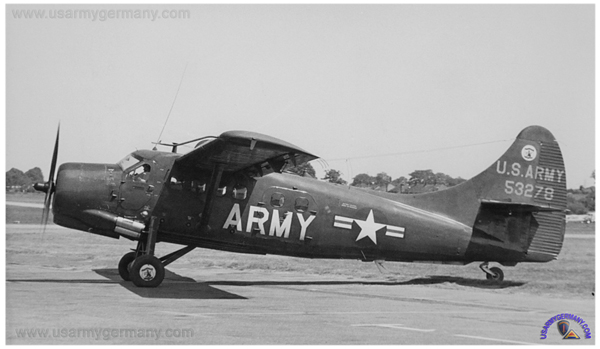 De Havilland U-1A OTTER (53278) of 2nd Aviation Company (FWTT) |
||||||||||||||||||||||||||||||||||||||||||||||||||||||||||||||||||||||||||||||||||||
| (Source: STARS & STRIPES, April 23, 1958 ) | ||||||||||||||||||||||||||||||||||||||||||||||||||||||||||||||||||||||||||||||||||||
| Otters Giving Lift Home from Field Thousands of 7th Army combat soldiers are taking the easy way home from field training. Instead of a ride in a 2½-ton truck, they are transported in the Army's largest operating one-engine plane, the U1A OTTER. Thirty Otters were used to transport 835 paratroopers of the 504th Inf, 11th Abn Div to their horme station in Augsburg after two weeks of strenuous field living at Hohenfels. Eighth Trans Gp officials, who handled the movement, said it was the largest fixed-wing airlift accomplished by Army aviation. The missions are a matter of planning and timing — flying the Otter is simple," said Lt Richard R. Murphy, 2d Army Aviation Co. an Otter copilot. "It takes us one hour and 45 minutes to make the 200-mile round trip between Augsburg and Hohenfels." A convoy of 2½-ton trucks would take from six to seven hours to travel the same distance under normal convoy conditions, according to the 7th Army transportation section traffic office. For the past two months men of the 2d and 3d Army Aviation Cos, 8th Trans Gp, who are responsible for maintaining the 7th Army's 42 Otters, have lifted more than 3,000 troops from training areas to their home stations. These lifts not only speed up required troop movements but also give the aviators important training. Combat Cargo During combat the aviation companies would carry troops, weapons, supplies, gasoline or "anything that can fit between the Otter's two doors," according to Maj George E. Bean, 2d Army Aviation Co CO. "We're a transportation link between the Army rear area and the frontline area." In combat the Otter would never get to the frontline. Helicopters would be used from the fixed-wing landing strips to the front. "As a slower craft the Otter can out maneuver faster planes and stay at lower altitudes where jets cannot operate, according to Maj Francis W. Holden, command liaison officer of the 8th Trans Gp. The Otter is the first fixed-wing Army aircraft to be classified as a troop carrier. Capable of carrying a pilot and 10 fully equipped combat soldiers, the plane also can haul 2,000 pounds of cargo or be converted into a six-patient hospital ship. Its cruising speed is 113 mph. Otters are being used each week to haul between 20,000 and 30,000 pounds of supplies from Rhine-Main Air Base to 7th Army units in Germany. |
||||||||||||||||||||||||||||||||||||||||||||||||||||||||||||||||||||||||||||||||||||
| H-37A / H-37B MOJAVE | ||||||||||||||||||||||||||||||||||||||||||||||||||||||||||||||||||||||||||||||||||||
 CH-37B of 90th Aviation Company on the flight line at Illesheim Army Airfield, 1966 |
||||||||||||||||||||||||||||||||||||||||||||||||||||||||||||||||||||||||||||||||||||
| The H-37 MOJAVE was the Army version of the Sikorsky S-56 helicopter. The S-56 was the world's largest production helicopter at the time. It was designed to carry 36 combat soldiers, evacuate 24 litter patients or carry up to 10,000 pounds of cargo. The H-37 had a single five-bladed main rotor and a metal four-bladed tail rotor. The H-37 was powered by two Pratt & Whitney R-2800-54 2100 hp piston engines and had a speed of 131 mph (114 knots). Production of the S-56 ended in May 1960, but Sikorsky was engaged until the end of 1962 in converting all but four of the Army's H-37A's to H-37B standard (Conversion of H-37A's to H-37B's began in 1961). Improvements in this version included the installation of Lear auto-stabilisation equipment and the ability to load and unload while the helicopter was hovering. The H-37 was redesignated as CH-37 in 1962. The career of the H-37 was cut short in the 1960s with the advent of the more efficient and economical gas turbine engines which became the standard helicopter powerplant for the US Army (used on the newer CH-54 TRHE and CH-47 CHINOOK). Two Army aviation units were equipped with the H-37 in the 1960s: 4th Transportation Company (Medium Helicopter) (later redesignated as 4th Aviation Company)90th Transportation Company (Medium Helicopter) (later redesignated as 90th Aviation Company) The 4th Trans Co, already equipped with the H-37A helicopter, deployed to Germany in 1959. The 4th was the US Army's first operational Mojave unit. |
||||||||||||||||||||||||||||||||||||||||||||||||||||||||||||||||||||||||||||||||||||
 |
||||||||||||||||||||||||||||||||||||||||||||||||||||||||||||||||||||||||||||||||||||
| (Source: Artillery Trends, May 1960) | ||||||||||||||||||||||||||||||||||||||||||||||||||||||||||||||||||||||||||||||||||||
| The mission of the transportation company (medium helicopter) is to provide air transport to expedite tactical operations and logisitical support within a combat zone. The medium helicopter transportation company has a company headquarters, an operations platoon, a service platoon, a communications section, two helicopter platoons and a field maintenance detachment that is available to the company for third echelon support. The H-37 company has two reconniassance helicopters (H-13) and sixteen H-37 medium cargo helicopters that furnish the necessary flying support. A typical H-37 crew includes a pilot, co-pilot, flight engineer, and crew chief. The maximum lift capability of the H-37 helicopter company is 368 fully equipped troops (based on 240 pounds per individual); 50.1 cargo tons; or 384 litter patients. This is assuming that all 16 helicopters are used and the operation is restricted to a 50-mile radiums at elevations between sea level and 5,000 feet. (The load capability decreases with an increase of elevation and temperature.) |
||||||||||||||||||||||||||||||||||||||||||||||||||||||||||||||||||||||||||||||||||||
|
||||||||||||||||||||||||||||||||||||||||||||||||||||||||||||||||||||||||||||||||||||
| UH-1 HUEY | ||||||||||||||||||||||||||||||||||||||||||||||||||||||||||||||||||||||||||||||||||||
| (Source: STARS & STRIPES, online, April 28, 2011) | ||||||||||||||||||||||||||||||||||||||||||||||||||||||||||||||||||||||||||||||||||||
| USAREUR retires Vietnam-era 'Huey' helicopter By Dan Blottenberger, S&S |
||||||||||||||||||||||||||||||||||||||||||||||||||||||||||||||||||||||||||||||||||||
|
||||||||||||||||||||||||||||||||||||||||||||||||||||||||||||||||||||||||||||||||||||
| follow link to view photos and read the article from the Stars & Stripes archives | ||||||||||||||||||||||||||||||||||||||||||||||||||||||||||||||||||||||||||||||||||||
| Divisional Aviation Assets | ||||||||||||||||||||||||||||||||||||||||||||||||||||||||||||||||||||||||||||||||||||
| (Source: MANEUVER AND FIREPOWER, THE EVOLUTION OF DIVISIONS AND SEPARATE BRIGADES, by John B. Wilson, Army Lineage Series, 1998)
|
||||||||||||||||||||||||||||||||||||||||||||||||||||||||||||||||||||||||||||||||||||
Elimination of Aviation Battalions |
||||||||||||||||||||||||||||||||||||||||||||||||||||||||||||||||||||||||||||||||||||
| (Source: AVIATION, compiled by Wayne M. Dzwonchyk, Army Lineage Series, 1986) | ||||||||||||||||||||||||||||||||||||||||||||||||||||||||||||||||||||||||||||||||||||
| 3rd Aviation Battalion, 3rd Infantry Division (1) Company A inactivated 15 Jan 1967 in Germany Battalion (less Co A) inactivated 5 June 1967 in Germany 8th Aviation Battalion, 8th Infantry Division Battalion inactivated 5 June 1967 in Germany 24th Aviation Battalion, 24th Infantry Division Battalion inactivated 5 June 1967 in Germany 503rd Aviation Battalion, 3rd Armored Division Company A inactivated 15 Jan 1967 in Germany Battalion (less Co A) inactivated 5 June 1967 in Germany 504th Aviation Battalion, 4th Armored Division Company A inactivated 15 Jan 1967 in Germany Battalion (less Co A) inactivated 5 June 1967 in Germany |
||||||||||||||||||||||||||||||||||||||||||||||||||||||||||||||||||||||||||||||||||||
| (1) In early 1967, the battalion was redesignated Detachment "C" of the 3d S&T Battalion with the mission of airfield operations and providing aerial transportation for the Commanding General, his staff, and other missions directed by the Commanding General. The detachment was later designated Company "C" 3d S&T Battalion. |
||||||||||||||||||||||||||||||||||||||||||||||||||||||||||||||||||||||||||||||||||||
| Army Air Traffic Operations (Doctrine) | ||||||||||||||||||||||||||||||||||||||||||||||||||||||||||||||||||||||||||||||||||||
| 1960 | ||||||||||||||||||||||||||||||||||||||||||||||||||||||||||||||||||||||||||||||||||||
| (Source: FM 1-60, Army Aviation Air Traffic Operations, Tactical (HQDA, August 1960)) | ||||||||||||||||||||||||||||||||||||||||||||||||||||||||||||||||||||||||||||||||||||
| Command and
Staff Responsibilities and Unit Functions General a. The theater commander
(a unified commander) establishes policies and procedures for regulation
of air traffic within the theater (area) of operations. The field
army commander is responsible for the regulation of Army air traffic
over his area of responsibility. The field army commander's responsibility
is exercised within the authority, policies and procedures prescribed
by the theater commander or agreed to by the Service component commanders
or by the Service element commanders concerned. The field army commander
is responsible also for coordination of the use of the air space over
his area of responsibility by all Services to the extent authorized
or directed by the theater commander or agreed to by the Service component
commanders or by the Service element commanders concerned. Regulation
of the air traffic of the other Services is the responsibility of
each Service concerned. Coordination of the use of the air space over
the Communications Zone is the responsibility of the commander so
designated by the theater commander. The commanders of the logistic
commands located within the Communications Zone are responsible for
the regulation of Army air traffic within their geographical areas
of responsibility. b. The Army air
traffic regulation and identification system in the combat zone is
organized to parallel the command structure of the field army. c. The Army air
traffic regulation and identification system is established to coordinate
and expedite the safe and orderly flow of Army air traffic under all
flight conditions, facilitate air defense operations, and provide
inflight assistance to Army aircraft. |
||||||||||||||||||||||||||||||||||||||||||||||||||||||||||||||||||||||||||||||||||||
|
||||||||||||||||||||||||||||||||||||||||||||||||||||||||||||||||||||||||||||||||||||
| Unit Functions
a. FOC's (FCC's)
and airfield control towers are the basic elements of the Army air
traffic regulation and navigation system. An FOC colocated with each
primary AADCP provides regulation, separation, inflight assistance
for aircraft, and coordination of Army aviation with Army air defense
operations on a continuous basis. It will also provide an altitude,
time, and distance flight plan method for positioning Army aircraft
in space. There are four types of air traffic regulation utilized
by the Army in the combat zone:Forward Area RegulationRoute RegulationPoint-to-Point RegulationAirfield (Control
Zone) Controlb. A base airfield
with its allied navigational aids will provide the basic navigational
system (Fig. 1) to facilitate the regulation of Army air traffic.
This will be a beacon-to-beacon system with nonsimultaneous surveillance
and ground control approach (GCA) radar available at the field army,
corps, division, and other major airfields. Under instrument flight
rules (IFR), Army aircraft will navigate with the aid of the nondirectional
beacons and radar vectoring. |
||||||||||||||||||||||||||||||||||||||||||||||||||||||||||||||||||||||||||||||||||||
| The Army Air
Traffic Regulation and Identification System General a. The Army air
traffic regulation and identification system is established to (1) Coordinate and
expedite the safe and orderly flow of Army air traffic. (2) Facilitate Army
air defense operations. (3) Provide air
warning and inflight assistance to aircraft using the system. (4) Coordinate Army
air traffic with the other Services. |
||||||||||||||||||||||||||||||||||||||||||||||||||||||||||||||||||||||||||||||||||||
|
||||||||||||||||||||||||||||||||||||||||||||||||||||||||||||||||||||||||||||||||||||
|
|
||||||||||||||||||||||||||||||||||||||||||||||||||||||||||||||||||||||||||||||||||||
| Primary Army Airfields, Field Army - early 1960s (list is incomplete) | ||||||||||||||||||||||||||||||||||||||||||||||||||||||||||||||||||||||||||||||||||||
|
||||||||||||||||||||||||||||||||||||||||||||||||||||||||||||||||||||||||||||||||||||
|
|
||||||||||||||||||||||||||||||||||||||||||||||||||||||||||||||||||||||||||||||||||||
| 1961 | ||||||||||||||||||||||||||||||||||||||||||||||||||||||||||||||||||||||||||||||||||||
| (Source: Army Aviation Magazine, March 1961) | ||||||||||||||||||||||||||||||||||||||||||||||||||||||||||||||||||||||||||||||||||||
| "CRISS-CROSS"
CRAZY QUILT" Three Flight Operations Centers unravel the crowded airspace over USAREUR's Exercise Wintershield II Planning and controlling traffic in the air space above the modern battlefield presents perplexing and unprecedented problems. Jets swoop through the air corridor at speeds of 500 mph. Drone surveillance craft slice through the skies on reconnaissance. Missiles need plenty of elbow room when they blast toward their target. Helicopters and fixed wing planes move troops and equipment through battlefield air space. Aerial supply craft head for pinpoint parachute drops, and cargoes of wounded dash through the air to the hands of medics. Criss-cross, crazy-quilt, a hundred different speeds, a score of altitudes and countless specific needs -- that was the ever-changing sky picture presented to three US Army Flight Operation Centers during Winter Shield II. |
||||||||||||||||||||||||||||||||||||||||||||||||||||||||||||||||||||||||||||||||||||
|
||||||||||||||||||||||||||||||||||||||||||||||||||||||||||||||||||||||||||||||||||||
|
As planes approached their landing site FOC control was passed to
Approach Control Towers (ACT) for terminal direction. Markedly
different from familiar tower control adjacent to an air strip, each
ACT radio directed landings and take-offs for many different landing
sites within its sector. When a Winter Shield II aviator took
off in clear weather, he often was airborne before receiving central
clearance, getting routing information from his FOC while in the air.
Assured of clear approach lanes by ACT, aviators either landed visually, homed in on radio beacons, or received guidance from Ground Control Approach (GCA) radar. Each plane was so accurately plotted by FOC staffs that the Air Defense Command Post used FOC data to clarify its air defense radar blips. As traffic techniques undergo refinement FOC's, ACTs and GCAs will be as mobile as the Flight Operations Center at Grafenwoehr. In its final form the entire operation will be able to move with the battle. The air traffic control network of Winter Shield Il is ready now for the increased air loads of the future. "We'll run out of physical air space before we exhaust our traffic handling capability," stated Capt. Garland B. King, Grafenwoehr FOC chief. "Our present system is not final by any means, but it has met every challenge so far. In just two days after our crews finished their course of instruction they handled a flight emergency perfectly." Future planning has the control network primed for the highest performance aircraft yet to come. "With our Air Force support coming more and more in the form of jets and with the advent of missiles and atomics we must clear key routes on a split second schedule. To do this we must know the location of every aircraft in our area at all times. We did this in Winter Shield II," declared Lt. Col. Jerome B. Feldt, Commander, Seventh Army Aviation Company (Provisional). |
||||||||||||||||||||||||||||||||||||||||||||||||||||||||||||||||||||||||||||||||||||
|
|
||||||||||||||||||||||||||||||||||||||||||||||||||||||||||||||||||||||||||||||||||||
| (Source: STARS & STRIPES, May 7, 1963) | ||||||||||||||||||||||||||||||||||||||||||||||||||||||||||||||||||||||||||||||||||||
| Coleman Controllers Kept Busy SANDHOFEN, Germany (Special) -- Located on the outskirts of Mannheim, Germany, in the Rhine River valley of central Europe is one of the busiest Army airfields in USAREUR. Army aircraft from Germany, France, Italy and military advisory assistance groups in Greece, Turkey, Iran, Pakistan, India, Ethiopia and the Congo wing their way to Coleman Army airfield, home of the Army Aviation Maintenance Center for depot-level repair. Controlling the large volume of air traffic that operates in and around the airfield daily is a small group of men that make up the Air Traffic Control Section. This group handles upwards to 150 aircraft in a single day. Each plane or helicopter landing or taking off from the airfield must be handled separately. In addition, aircraft passing through the airfield control zone must be cleared to avoid the possibility of collision with other planes or helicopters operating in the area. As many as 500 of the 3,500 aircraft handled each month are guided by radar. During bad weather or when smog envelopes the airfield, aircraft are landed by the ground controlled approach (GCA) system. An experienced GCA radar operator can guide an aircraft onto the runway during the worst weather conditions from as far as 50 miles away from the airfield. Coleman Airfield GCA placed third in Europe for the number of landings during 1962, and during Feb. and March 1963 received the USAREUR plaque for more GCA landings than any other Army airfield in Europe. |
||||||||||||||||||||||||||||||||||||||||||||||||||||||||||||||||||||||||||||||||||||
| (Source: Army Aviation Magazine, March 1961) | ||||||||||||||||||||||||||||||||||||||||||||||||||||||||||||||||||||||||||||||||||||
|
Some
notes from the issue: |
||||||||||||||||||||||||||||||||||||||||||||||||||||||||||||||||||||||||||||||||||||
|
|
||||||||||||||||||||||||||||||||||||||||||||||||||||||||||||||||||||||||||||||||||||
| 1961-62 | ||||||||||||||||||||||||||||||||||||||||||||||||||||||||||||||||||||||||||||||||||||
| (Source: Chapter 8, A History of Army Aviation -- 1950-1962, by Richarf P. Weinert, Jr., Office of the Command Historian, TRADOC, 1991) | ||||||||||||||||||||||||||||||||||||||||||||||||||||||||||||||||||||||||||||||||||||
| Deployments
to Europe By January 1962, more than 40,000 active Army troops had been sent to Europe as part of the Berlin buildup. Included in these deployments were three Army aviation units: 90th Trans Co (Med
Hel) from Fort Knox45th Med Co (Air
Amb) from Fort Bragg15th Med Det (Hel
Amb) from Fort OrdAfter lengthy high level discussion, the decision was made to preposition equipment in Europe for two additional divisions and ten non-divisional units rather than deploying the units. Full authorizations of H-34 and L-20 aircraft were prepositioned in USAREUR for the 4th Infantry Division and the 2nd Armored Division. At the same time, efforts were made to modernize the equipment of the forces permanently stationed in Europe. Despite the serious shortages of aircraft in CONUS, quantities of UH-1 helicopters and AO-1 airplanes were sent to Europe during this period. |
||||||||||||||||||||||||||||||||||||||||||||||||||||||||||||||||||||||||||||||||||||
|
|
||||||||||||||||||||||||||||||||||||||||||||||||||||||||||||||||||||||||||||||||||||
| Army Aviation in the Field Army - mid 1960s (Doctrine) | ||||||||||||||||||||||||||||||||||||||||||||||||||||||||||||||||||||||||||||||||||||
| mid-1960s | ||||||||||||||||||||||||||||||||||||||||||||||||||||||||||||||||||||||||||||||||||||
| (Source: Common Subjects & Reference Data for Army Aviation in the Field Army, US Army Aviation School, Fort Rucker, AL, Jan 1967) | ||||||||||||||||||||||||||||||||||||||||||||||||||||||||||||||||||||||||||||||||||||
| The chart below recaps the Army aviation units that are organic to the type field army, according to doctrine of the day. The type field army is based on three identical corps, each containing four divisions including one infantry, two mechanized and on armored. As already explained on other pages of this website, USAREUR/7th Army, in peacetime, comprised two corps - V Corps with one mechanized and one armored division; and VII Corps with two mechanized and one armored division. |
||||||||||||||||||||||||||||||||||||||||||||||||||||||||||||||||||||||||||||||||||||
|
||||||||||||||||||||||||||||||||||||||||||||||||||||||||||||||||||||||||||||||||||||
|
||||||||||||||||||||||||||||||||||||||||||||||||||||||||||||||||||||||||||||||||||||
| Army Aviation Units in USAREUR (Germany) - 1965 | ||||||||||||||||||||||||||||||||||||||||||||||||||||||||||||||||||||||||||||||||||||
| (Source: USAREUR Station list, December 31, 1965) | ||||||||||||||||||||||||||||||||||||||||||||||||||||||||||||||||||||||||||||||||||||
 Comprehensive list of Army Aviation units (incl. maintenance) stationed in Germany in late 1965 |
||||||||||||||||||||||||||||||||||||||||||||||||||||||||||||||||||||||||||||||||||||
|
||||||||||||||||||||||||||||||||||||||||||||||||||||||||||||||||||||||||||||||||||||
| 1966 | ||||||||||||||||||||||||||||||||||||||||||||||||||||||||||||||||||||||||||||||||||||
| Aviation Requirements for the Combat Structure of the Army (ARCSA) | ||||||||||||||||||||||||||||||||||||||||||||||||||||||||||||||||||||||||||||||||||||
| (Source: Annual Historical Summary, HQ USAREUR & Seventh Army, 1 Jan - 31 Dec 1966, HQ USAREUR 1967) | ||||||||||||||||||||||||||||||||||||||||||||||||||||||||||||||||||||||||||||||||||||
| Chapter 4,
Training and Operations Aviation The ARCSA (Aviation Requirements for the Combat Structure of the Army) study recommended concentrating OV-1 aircraft in corps surveillance companies to provide intelligence collection support for the brigades, divisions, and corps. It also emphasized that there was no requirement for an extensive air line of communications (ALOC) in Europe and that the mechanized infantry and armored divisions did not need organic light airmobile companies. Accordingly, the study recommended eliminating the organic airmobile companies, consisting of 25 UH-1D helicopters, and establishing one airmobile company at the corps level. Similarily, the divisional aviation general support companies -- authorized 10 OH-6, 6 UH-1B, and 4 OV-1 aircraft -- would disappear, with part of their assets going to the division support command supply and transportation battalion, and part to the corps. The divisional air cavalry troop would remain unchanged, with 9 OH-6 and 17 UH-1B aircraft, but the headquarters battery of the divisional artillery would lose 1 of its current 10 OH-6 and gain 2 UH-1B for a new total of 11 aircraft. The division headquarters and headquarters company -- currently authorized no aircraft -- would receive 4 OH-6's and 2 UH-1D's, while each of the infantry brigade headquarters and headquarters companies would have 4 instead of 6 OH-6's. In August (1966) the Department of the Army authorized USAREUR to reorganize its aviation elements under the new G-series TOE's with its currently available aircraft. USAREUR then had 5 each of divisional aviation battalions, light airmobile companies, air cavalry troops, and general support companies. The 16th Aviation Battalion, assigned to Seventh Army, included the 14th Air Traffic Control Company, the 60th Aviation Company, Army and the 122nd Aviation Company, Aerial Surveillance. The 18th Aviation Battalion, assigned to Seventh Army Support Command, was composed of two medium helicopter companies, the 4th and 90th Aviation Companies. Finally, there were two corps aviation companies and one aviation company in each of the three armored cavalry regiments. In the FY 1967-68 force structure each USAREUR division would retain one aviation support detachment and one air cavalry troop. In addition, USAREUR would have 1 aviation group, 2 aviation battalions, 2 army and 2 corps aviation companies, 3 light airmobile companies (not assigned to divisions), 1 heavy and 2 medium helicopter companies, 2 aerial surveillance companies, 1 air ambulance medical company and 2 helicopter ambulance medical detachments, 3 air cavalry troops for the armored cavalry regiments, and 3 aviation detachments for USASETAF, Berlin Brigade, and AWSCOM headquarters. Under the HEADCON implementation plan USAREUR activated the Aviation Group (Provisional) and transferred to it the units formerly subordinate to the 16th Aviation Battalion plus Seventh Army's helicopter training facility, the 3725th Flight Detachment, the 3737th Flight Operations Facility, and the 3740th Flight Information Detachment. Simultaneously, USAREUR reassigned the 4th Aviation Company from the 18th to the 16th Aviation Battalion, reassigned the 16th Battalion to VII Corps, and assigned the corps' 67th Aviation Company to the Battalion. On the same date, USAREUR assigned the 18th Aviation Battalion, including the 90th Aviation Company, to V Corps, and reassigned the corps' 66th Aviation Company to the 18th Aviation Battalion. The subsequent phases of the reorganization program called for the implementation of the force structure prescribed by the Department of the Army, except for the disposition of aerial surveillance assets. Instead of assigning one aerial surveillance company to each corps, USAREUR doubled the aircraft strength of the 122nd Aviation Company and assigned it to the Aviation Group (Prov) with the mission of supporting both corps. |
||||||||||||||||||||||||||||||||||||||||||||||||||||||||||||||||||||||||||||||||||||
|
|
||||||||||||||||||||||||||||||||||||||||||||||||||||||||||||||||||||||||||||||||||||
| (Source: STARS & STRIPES, Dec 15, 1966) | ||||||||||||||||||||||||||||||||||||||||||||||||||||||||||||||||||||||||||||||||||||
| Aviation Requirements for the Combat Structure of the Army Hq USAREUR announced on Dec 14 1966, that it would reorganize its aviation units to comply with the recommendations made by the ARCSA Study. (Actions related to the reorganization were initiated on Dec 1 and will be completed by 1967.) The reorganization includes the following primary changes 1.) Activation of an Aviation Group at Schwäbisch Hall. 2.) Assignment of an Aviation Battalion to each of the two corps under 7th Army. 3.) Reorganization of the aviation units assigned to USAREUR Communications Zone. The USAREUR Aviation Group will be headquartered at Schwäbisch Hall but most of its assets will be located elsewhere. The 16th Avn Bn and the 18th Avn Bn will be reassigned to VII and V Corps respectively. The Aviation Battalions newly assigned to corps will consist of one medium helicopter companyone airmobile companyone corps aviation company
USAREUR will lose no aircraft, but the aircraft will be redistributed, with aircraft concentrated at higher echelons. The primary purpose of the reorganization is to insure that the aviation resources meet the requirements of units in the corps and field army areas and to reinforce divisions and other units having organic aviation. A few units will be relocated: the USAREUR Aviation Safety and Standardization Det (formerly the 7th Army Aviation Training Center) will be moved from Schleissheim Army Airfield to Gablingen AAF near Augsburg. The 24th Inf Div's Aircraft Maintenance Company will be moved from Gablingen (to Schleissheim). The five division aviation battalions will be inactivated: 3rd Avn Bn at Harvey Barracks, Kitzingen 8th Avn Bn at Finthen AAF (near Mainz) 24th Avn Bn at Gablingen AAF, Augsburg 503rd Avn Bn at Fliegerhorst Kaserne, Hanau 504th Avn Bn
at Montheih Barracks, Fürth |
||||||||||||||||||||||||||||||||||||||||||||||||||||||||||||||||||||||||||||||||||||
|
||||||||||||||||||||||||||||||||||||||||||||||||||||||||||||||||||||||||||||||||||||
|
||||||||||||||||||||||||||||||||||||||||||||||||||||||||||||||||||||||||||||||||||||
|
|
||||||||||||||||||||||||||||||||||||||||||||||||||||||||||||||||||||||||||||||||||||
| Division Aviation Companies | ||||||||||||||||||||||||||||||||||||||||||||||||||||||||||||||||||||||||||||||||||||
|
||||||||||||||||||||||||||||||||||||||||||||||||||||||||||||||||||||||||||||||||||||
|
||||||||||||||||||||||||||||||||||||||||||||||||||||||||||||||||||||||||||||||||||||
|
||||||||||||||||||||||||||||||||||||||||||||||||||||||||||||||||||||||||||||||||||||
|
||||||||||||||||||||||||||||||||||||||||||||||||||||||||||||||||||||||||||||||||||||
|
|
||||||||||||||||||||||||||||||||||||||||||||||||||||||||||||||||||||||||||||||||||||
| Border Aerial Surveillance | ||||||||||||||||||||||||||||||||||||||||||||||||||||||||||||||||||||||||||||||||||||
| 1960s | ||||||||||||||||||||||||||||||||||||||||||||||||||||||||||||||||||||||||||||||||||||
| (Source: US ARMY BORDER OPERATIONS IN GERMANY, 1945-1983, by William E. Stacy) | ||||||||||||||||||||||||||||||||||||||||||||||||||||||||||||||||||||||||||||||||||||
| Chapter 5,
Training and Operations Aerial Surveillance Along the Border Although there had been aerial surveillance along the eastern borders in the early days of the occupation, there was a large scale upgrade of both the command's reconnaissance aircraft and surveillance equipment during the 1960s. USAREUR had received its first three operational AN/APS-85 Side-Looking Airborne Radar (SLAR) systems in the latter part of 1959 for use by V Corps, VII Corps, and US Army Southern European Task Force (USASETAF). One system had been previously tested by the US Army Surveillance Unit, Europe, and stationed at Lenggries in the Federal Republic. The equipment produced photographic records of radar pictures of the ground and had a maximum range of 40 miles on either side of the aircraft. The SLAR was installed on the L-23, and by 1962 on the specialized RL-23D (one reference said it was on the RU-8D also). Initially, USAREUR was not overly impressed with the new system and rated it marginally effective: "The device showed little promise of producing information of value that could not be produced by other means." The initial skepticism about SLAR's usefulness gave way as the system was upgraded in subsequent years. Actually, there were several significant improvements in USAREUR's aerial surveillance capabilities during this period. The new OV-1 Mohawk all-weather, long-range surveillance aircraft arrived within the command on 12 September 1961, when 12 were assigned to the Seventh Army. In 1962 three types of serial surveillance configurations on Mohawk aircraft were being tested in the command: the OV-lA model, which was equipped with the KS-61 photographic, system; the OV-1B model, which was equipped with the new AN/APS-94 SLAR; and the OV-1C model, which was equipped with an AN/UAS-4 infrared sensor. The test results of the three configurations were successful with those of the SLAR-configured OV-1B indicating that the new AN/APS-94 SLAR was a great improvement over the previous radars (both the AN/APS-85 and the subsequent system, AN/APS-86). The command had initially wanted to mount all three surveillance systems in one aircraft, thus reducing the number of aircraft required, as well as requirements for maintenance and technical personnel, while increasing the operational flexibility of the multipurpose aircraft. However, by 1965 it had settled on two aircraft configurations that merged two of the surveillance systems: the OV-1B model was equipped with the AN/APS-94 SLAR and the KS-61 camera system; and the OV-1C was equipped with the AN/UAS-4 infrared sensor and the KS-61 camera system. There had been problems with the OV-1 Mohawk aircraft during the 1962 test period which indicated that several modifications were needed in the airframe and the engine. This became so serious during 1964 that the aircraft had only a 46 percent availability rate -- not all of which could be blamed on the aircraft -- which severely limited its performance of the aerial surveillance missions. In order to improve the performance of the OV-1 Mohawk, the Department of the Army in 1965 directed modifications for all Mohawks employed in aerial surveillance missions. For the OV-1B, modifications included installing new, more powerful, engines and increasing the wingspan to provide greater lift. Both the OV-1B and OV-1C types received improved navigational systems, to include the Marconi Self-Contained Navigational Doppler System -- a commercially produced item of equipment that simplified navigational functions and reduced the possibility of errors. USAREUR began returning the Mohawks to the United States in early 1966, with some of the refitted Mohawks returning in mid-1966 and the modernization program being completed in 1967. In 1967 the SLAR capability was further upgraded with the fielding of data link equipment, which made possible the transmission of SLAR imagery from the aircraft while in flight to a ground receiver. The system consisted of airborne video encoders and transceivers that transmitted the radar images directly to a ground station that was mounted on a 3/4-ton truck and included a Ground Sensor Terminal, AN/TKQ-2, which was a transceiver, video decoder, and recorder-processor-viewer. The latter piece of equipment converted the video image to a hard-copy printout in three seconds after receipt and projected the hard copy onto a viewing screen for virtually instantaneous viewing by the imagery interpreter. The advantages of such a system over making the aircraft return to its base, having the films processed, and only then submitting them for analysis, were significant. The first set was issued to the 122d Aviation Company, which immediately began using it in exercises and as part of its border surveillance operations. USAREUR received two additional data link equipment sets in early 1969, keeping one for the 122d Aviation Company and issuing the other to the 14th ACR headquarters in August. The 14th ACR began using it with its operational border surveillance missions on a trial basis, and the results were so satisfying that it went into normal operational status in September 1969. Information derived from the imagery enabled the 14th ACR to locate convoy or rail movement, determine the direction of movement, and probable convoy speed, as well as indicating the degree of activity at the East German Eisenach Training Area. Two imagery interpreters were attached to the 14th ACR, which permitted the plotting of moving target indicators and correlation of current order of battle information to the SLAR sightings. Although the SLAR had a coverage of approximately 50 kilometers into East Germany, it was unusual during this early period for it to provide significant peacetime surveillance information. During 1969, for example, only one SLAR mission in the V Corps area recorded significant activity in East Germany, and it turned out to be non-military traffic in conjunction with an East German holiday. Its potential during wartime operations, however, was considered to be significant since natural terrain masking would make any ground-based observation limited. Only aerial observation could overcome terrain masking, and SLAR promised to be a great aid in this area. There was a great deal of discussion about what would be the optimal level to distribute these new aerial surveillance assets -- armored cavalry regiments, divisions, corps, or theater level. Originally, it had been thought there would be enough Mohawks to issue four to each armored cavalry regiment and division, as well as provide some for the corps and theater support units, but by the end of 1962 only 30 of the 62 authorized Mohawks had arrived in the theater. By 1963 USAREUR headquarters was recommending that the Mohawks be concentrated at the corps level, especially the OV-1A which would help solve the corps' surveillance and drone capability deficiency; and, after reviewing the final results of the OV-1B test report, reiterated once again that they should be assigned at the corps level -- citing the range and speed of the aircraft as a major reason for justifying its deployment at that level. However, pending activation of corps surveillance companies programmed for FY 1966, the logical unit for assignment of the aircraft -- which were to be withdrawn from the divisions and armored cavalry regiments -- would be the corps aviation companies. The picture became somewhat muddled during 1963 and 1964, but there were strong indications that the majority of the Mohawks were being employed by the divisions and armored cavalry regiments. The picture clarified when the 122d Aviation Company (Aerial Surveillance) was activated on 10 May 1965 and assigned to Seventh Army. The table of organization and equipment authorized the company 18 Mohawk aircraft (9 OV-1Bs and 9 OV-1Cs). According to the 1965 USAREUR history, the command also activated two corps artillery aviation batteries, assigned them to V and VII Corps Artillery, and authorized each of them 6 Mohawks (3 OV-1Bs and 3 OV-1Cs). Actually, Battery D, 25th Artillery -- assigned to VII Corps -- had been activated on 25 June 1964 and Battery F, 26th Artillery -- assigned to V Corps -- had been activated on 25 September 1964, but apparently they were not transferred to the two corps until May 1965. USAREUR organized these units by redistributing available personnel and equipment assets; however, due to an aircraft shortage, the units had less than 50 percent of their authorized Mohawks. The divisions retained at least part of their Mohawks, but the armored cavalry regiments had to give theirs to the three new units. At the beginning of 1966, Mohawks were being flown by Aerial Surveillance and Target Acquisition (ASTA) Platoons attached to each division in USAREUR and to the Corps Artillery of V and VII Corps, as well as by the 122d Aviation Company. On 31 January 1966 Seventh Army suspended all SLAR surveillance missions along the border in order to begin implementation of the "Aviation Requirements for the Combat Structure of the-Army" (ARCSA) - I Study requirement that USAREUR SLAR aircraft be reorganized into two surveillance companies. Although the study had called for two aviation companies, each consisting of eight OV-1B Mohawk aircraft that would provide SLAR and conventional photography support to each corps, the existing number of qualified personnel and the shortage of aircraft and equipment would not permit the formation of two units. Instead, USAREUR resources would be used to equip the 122d Aviation Company, located at Fliegerhorst Kaserne in Hanau, which would support both corps. On 24 August 1966 the 122d Aviation Company resumed border surveillance operations under the new Seventh Army Intelligence Operations Directive 1-66, which delineated its responsibilities to the two corps and its overall responsibility to provide support to USAREUR headquarters. By June 1967 the Mohawk consolidation portion of the ARCSA-I Study had been completed, with 16 of the command's Mohawks pooled in the 122d Aviation Company. The aviation batteries in the two corps artillery (D of the 25th and F of the 26th) were inactivated on 5 June 1967. References in subsequent histories refer to OV-1s other than those of the 122d Aviation Company -- the most likely place being the divisions -- but it is unlikely they had a border mission. In addition to problems with establishing the most functional configuration of surveillance equipment on the aircraft and at what organizational level to deploy the Mohawks, there were serious concerns about controlling the aerial surveillance missions along the border and with protecting the aircraft from Warsaw Pact aircraft responding to these missions. The first grounding of operational SLAR aircraft occurred on 5 February 1962, when USAFE's 86th Air Division curtailed ground radar control pending review of the requirements and control procedures for SLAR flights along the border. A meeting with USAFE personnel on 12 March led to an agreement to resume ground control of SLAR flights, but under the more stringent controls of 86th Air Division's Operations Order (OPORD) 191-62 (SLAR), 13 August 1962, which set forth procedures for US Air Force ground radar control of SLAR flights. The Seventh Army commander authorized resumption of SLAR flights along the border on 25 August, but only after personnel operating SLAR systems -- pilots, radar operators, imagery interpreters, and USAFE ground controllers -- had qualified on a proficiency check course established at Grafenwoehr and Hohenfels training areas. Qualified personnel resumed flights on the border in the VII Corps area on 11 September 1962 and in the V Corps area on 26 October, with all remaining personnel being checked-out by the end of 1962. These efforts at increasing control were followed up on 22 March 1963 when Seventh Army published a letter of instruction (LOI) that standardized SLAR processing and imagery procedures; required that orientation and training be increased for personnel flying border missions (e.g., one-sixth of the flights would be flown over known parts of West Germany not on the border); established new border flight routes -- generally to the rear of existing routes -- that would lessen the possibility of border overflights; developed traffic and density patterns based on tests; and established uniform SLAR reporting procedures. These new procedures, although useful in solving the border overflight problem, did not completely resolve another serious problem. Many times in the past, Warsaw Pact aircraft had responded to SLAR flights along the border by shadowing the flight on their side of the border. When, on 18 August 1963, a SLAR aircraft flying a mission between Kassel and Fulda drifted toward the border, a Warsaw Pact aircraft flew over the border to a depth of about eight miles and made two passes at the SLAR aircraft, coming within a half mile at its closest point. This was the first incident involving an actual border overflight in response to a SLAR mission. All SLAR operations along the border were suspended for three weeks in March 1964 in response to the second incident during the preceding period in which a US Air Force aircraft was shot down -- after inadvertently crossing the interzonal boundary. The result of this grounding was tighter control of resumed SLAR flights in a revised LOI. Control problems were highlighted again in 1965 when a SLAR flight from the 4th Armored Division was inadvertently vectored by US Air Force ground control across the Austrian border near Passau on 8 November. Because of the sensitive political nature of the incident, the pilot was suspended from flight status, SLAR missions in this area were restricted to visual daylight flight conditions only and one SLAR checkpoint was moved further from the Austrian border. Subsequent investigation of the incident revealed this was not an isolated event, and that there had been seven unreported incidents during the prior eight months due to faulty ground control. As a consequence, on 31 January 1966 USAREUR again suspended all SLAR missions in the border area until positive control over the flights could be assured. The basic cause was found to be the incorrect plotting of one of the USAFE radar antenna sites, which resulted in a 2-degree compass heading error and a displacement of the flight path checkpoints. To provide the required assurance, USAFE recalibrated all of its ground control radars along the border and USAREUR moved its flight paths further from the border. Although this resulted in some loss in depth of penetration of the intelligence gathering capability of the SLAR, USAREUR thought the increased positive measures to insure aircraft did not inadvertently cress international boundaries were more important than the additional intelligence information that might have been gathered from flying closer to the border. With the greatly improved ground radar control and realignment of the flight routes, it was hoped that border violations would be virtually impossible, and the command resumed SLAB flights on 17 August 1966 (the 122d Aviation Company did not resume its flights until 22 August). As a final precaution, USAREUR directed that upon detecting any conflict between navigational aids and the vectoring instructions of ground radar control operations, pilots were to abort their missions immediately. On 2 November 1966, however, the flights were suspended again when it was discovered that a Polish radio station was interfering with the frequency of the Schweinfurt non-directional radio beacon. Federal Republic aviation safety authorities changed the frequency for the beacon, and SLAR flights were resumed on 10 January 1967. It would seem that it would have been impossible to still inadvertently fly over the border, but it happened again on 23 February 1967 when a Mohawk violated the interzonal boundary while on a maintenance test flight under visual flight rules (VFR) to check the reliability of its SLAR equipment. The pilot had been flying what he thought was a routine maintenance check, well outside of the Air Defense Identification Zone (ADIZ) that had been established along the border to preclude this type of incident. However, when he flew over some clouds, he became disoriented and was blown across the border by strong winds. The 86th Air Division's ground controllers picked him up on radar as he strayed into the ADIZ and tried to recall him, but he was operating on a local Army radio frequency rather than a border frequency. Unfortunately, the ground controllers did not notify the US Army Flight Coordination Center at Fulda, which would have tried to recall him on all Army frequencies. The 86th Air Division's ground radar control installations again picked up the flight as it was returning to the Federal Republic side of the boundary and scrambled USAFE fighters to intercept the violator, thus demonstrating that at least the border defense system worked, if not the ground radar control procedures. It is interesting to note that this down period due to the border overflight incidents coincided with the consolidation of SLAR assets into the 122d Aviation Company, and that other histories alleged the extensive suspension of SLAR flights during this period was due to the reorganization. Probably both the reorganization and the ground control problems caused this lengthy curtailment rather than one or the other. As a result of this incident, a complete review of all local flying regulations was conducted to insure they were in concert with USAREUR regulations. The practice of filing local flight plans by radio was prohibited -- even if it was only for a short flight -- and henceforth written flight plans and weather briefings would be required before all flights. In addition, joint procedures were developed with the 86th Air Division to insure that future recall actions would be broadcast on all available Army radio frequencies. These changes were institutionalized in USAREUR Regulation 95-1 on 25 October 1967. The 86th Air Division also instituted procedures for processing the flight plans for "LARD CAN" patrols (nickname for SLAR flights) that insured everyone understood their mission and mode of operations. The Flight Coordination Center (FCC) at Fulda was just part of an extensive network Seventh Army had implemented to monitor Army aircraft in the Federal Republic, especially aircraft performing observation and surveillance missions in the ADIZ. In the latter part of the 1960s, the 14th Air Traffic Control Company, a subordinate unit of the 15th Aviation Group, operated FCCs at Fulda, Bayreuth, and Regensburg that monitored, flights within the ADIZ, and three other FCCs west of the ADIZ to monitor Army aircraft operating within the southern half of the Federal Republic. After North Korean forces shot down a US EC-121 reconnaissance aircraft over the Sea of Japan in 1969, the Joint Chiefs of Staff and USEUCOM examined the security of surveillance aircraft in Europe. USAFE did not have any specific plans for protecting reconnaissance missions and, in fact, because of the nature and frequency of the SLAR flights, did not consider it desirable or feasible to provide fighter escorts for them. It reasoned that flights of armed fighters near political borders could disturb sensitive political relationships with host and other friendly countries, that there would be an increased possibility of border violations by the high-performance aircraft, and that fighter escorts could not provide full protection since they could not defend against surface-to-air missiles or an overwhelming fighter force. USAFE thought its current procedures of immediately scrambling fighters in the event of hostile interference was adequate. USAREUR decided to upgrade the early-warning capability of its surveillance aircraft and, late in 1969, requested AN/APR-25 and -26 radar homing and warning systems for the OV-1B aircraft. The requested electronic warfare equipment was capable of detecting and identifying radar signals from both ground-based and airborne emitters and warning the pilot of the type of threat, thus alerting him to take appropriate defensive action. The equipment began arriving in January 1970 and by July all of the aircraft in the 122d Aviation Company committed to the SLAR surveillance mission had warning devices installed, with the entire USAREUR OV-1 fleet similarly equipped by the end of August. Still another defensive improvement was USCINCEUR OPLAN 4320 - Protection and Support of US Reconnaissance Operations (S), published 30 December 1970, the primary benefit to USAREUR being that it rationalized the procedures under which it could expeditiously request assistance from NATO air defense control agencies if one of its surveillance aircraft was attacked or in trouble. Go to 1970s for continuation of SLAR missions |
||||||||||||||||||||||||||||||||||||||||||||||||||||||||||||||||||||||||||||||||||||
| OV-1 Mohawk | ||||||||||||||||||||||||||||||||||||||||||||||||||||||||||||||||||||||||||||||||||||
| 1960s | ||||||||||||||||||||||||||||||||||||||||||||||||||||||||||||||||||||||||||||||||||||
| (Source: US ARMY BORDER OPERATIONS IN GERMANY, 1945-1983, by William E. Stacy) | ||||||||||||||||||||||||||||||||||||||||||||||||||||||||||||||||||||||||||||||||||||
|
||||||||||||||||||||||||||||||||||||||||||||||||||||||||||||||||||||||||||||||||||||
| By 1963 USAREUR headquarters was recommending that the Mohawks be concentrated at the corps level, especially the OV-1A which would help solve the corps' surveillance and drone capability deficiency. However, pending activation of corps surveillance companies programmed for FY 1966, the logical unit for assignment of the aircraft -- which were to be withdrawn from the divisions and armored cavalry regiments -- would be the corps aviation companies. By 1963 USAREUR headquarters was recommending that the Mohawks be concentrated at the corps level, especially the OV-1A which would help solve the corps' surveillance and drone capability deficiency. However, pending activation of corps surveillance companies programmed for FY 1966, the logical unit for assignment of the aircraft -- which were to be withdrawn from the divisions and armored cavalry regiments -- would be the corps aviation companies. During 1963 and 1964, it appears that the majority of the Mohawks were still being employed by the divisions and armored cavalry regiments (in ASTA Platoons of the organic aviation companies). The picture was somehwat clarified when the 122d Aviation Company (Aerial Surveillance) was activated on 10 May 1965 and assigned to Seventh Army. The table of organization and equipment authorized the company 18 Mohawk aircraft (9 OV-1Bs and 9 OV-1Cs). According to the 1965 USAREUR history, the command also activated two corps artillery aviation batteries, assigned them to V and VII Corps Artillery, and authorized each of them 6 Mohawks (3 OV-1Bs and 3 OV-1Cs). Actually, Battery D, 25th Artillery -- assigned to VII Corps -- had been activated on 25 June 1964 and Battery F, 26th Artillery -- assigned to V Corps -- had been activated on 25 September 1964, but apparently they were not transferred to the two corps until May 1965. USAREUR organized these units by redistributing available personnel and equipment assets; however, due to an aircraft shortage, the units had less than 50 percent of their authorized Mohawks. The divisions retained at least part of their Mohawks, but the armored cavalry regiments had to give theirs to the three new units. At the beginning of 1966, Mohawks were being flown by Aerial Surveillance and Target Acquisition (ASTA) Platoons attached to each division in USAREUR and to the Corps Artillery of V and VII Corps, as well as by the 122d Aviation Company. The "Aviation Requirements for the Combat Structure of the-Army" (ARCSA) - I Study required that USAREUR SLAR aircraft be reorganized into two surveillance companies, each consisting of eight OV-1B Mohawk aircraft that would provide SLAR and conventional photography support to each corps. However, the existing number of qualified personnel and the shortage of aircraft and equipment would not permit the formation of two units. Instead, USAREUR resources would be used to equip the 122d Aviation Company, located at Fliegerhorst Kaserne in Hanau, which would support both corps. On 24 August 1966 the 122d Aviation Company resumed border surveillance operations under the new Seventh Army Intelligence Operations Directive 1-66, which delineated its responsibilities to the two corps and its overall responsibility to provide support to USAREUR headquarters. By June 1967 the Mohawk consolidation portion of the ARCSA-I Study had been completed, with 16 of the command's Mohawks pooled in the 122d Aviation Company. The aviation batteries in the two corps artillery (D of the 25th and F of the 26th) were inactivated on 5 June 1967. References in subsequent histories refer to OV-1s other than those of the 122d Aviation Company -- the most likely place being the divisions -- but it is unlikely they had a border mission. |
||||||||||||||||||||||||||||||||||||||||||||||||||||||||||||||||||||||||||||||||||||
| (Source: STARS & STRIPES, Sept 18, 1964) | ||||||||||||||||||||||||||||||||||||||||||||||||||||||||||||||||||||||||||||||||||||
| Sembach Crew Aids Army Pilots
In Border Runs BAMBERG, Germany (S&S) A group of airmen with headquarters at Sembach Air Base, Germany, are providing aerial navigational assistance to Army pilots flying missions along the border here. Headed by Capt Charles N. Colt, 30, of Owensboro, Ky., Det 0005, 601st Tactical Control Sq, has been here since April 20, furnishing radar and communications assistance for Army aircraft flying within the Air Defense Communications Zone (ADCZ) (sic) (Webmaster note: shouldn't this be ADIZ - Air Defense Identification Zone?). Orderly room for the detachment is in the Bamberg Subpost headquarters and operational site is at the Army airfield. Operations sergeant for the 30-man detachment is SSgt L. B. Cordell Jr., and site chief is SSgt Ronald B. Childress. If an Army aircraft strays toward the border, Cole's radar operators picks it up and the pilot is notified of the direction he is flying. "In addition, we provide radio and radar control for Air Force aircraft furnishing air support and reconnaissance missions for the 8th lnf Div located at Bad Kreuznach," said Cole who is a graduate of Western State College at Bowling Green, Ky. When the 8th Div conducts training exercises in the area and needs air support, planes are dispatched from Bitburg, Hahn or Spangdahlem Air Bases. Cole's men pick up the aircraft on their sets and give radar control until the mission is completed. Using huge radar, radio and teletype vans, Cole's unit can move its entire communications and radar network from Bamberg to any place it is called upon to fill a gap in a communications network, |
||||||||||||||||||||||||||||||||||||||||||||||||||||||||||||||||||||||||||||||||||||
|
||||||||||||||||||||||||||||||||||||||||||||||||||||||||||||||||||||||||||||||||||||
|
|
||||||||||||||||||||||||||||||||||||||||||||||||||||||||||||||||||||||||||||||||||||
| Special Projects | ||||||||||||||||||||||||||||||||||||||||||||||||||||||||||||||||||||||||||||||||||||
 |
||||||||||||||||||||||||||||||||||||||||||||||||||||||||||||||||||||||||||||||||||||
| Barry Stein, author, is well known for his books on US Army cloth (patches) and distinctive (crests) unit insignia such as the "U.S. Army Patches, Flashes and Ovals: An Illustrated Encyclopedia of Cloth Unit Insignia." Barry is currently doing research on US Army Aviation patches used in Germany from the 1950s to present. (If we can get enough material, maybe we can convince him to expand that to all Army Aviation units in Europe - France, Italy, BENELUX and UK.) He is looking for high quality color scans of original (not reproductions, please) unit patches - authorized or not - of flying as well as support units. If you have any details - historical, organization, mission, etc. - of the respective aviation unit, that would also be much appreciated as he would like to add some details on each unit. You can send them to me (webmaster) or, if you contact me, I will provide Barry's email address. |
||||||||||||||||||||||||||||||||||||||||||||||||||||||||||||||||||||||||||||||||||||
|
||||||||||||||||||||||||||||||||||||||||||||||||||||||||||||||||||||||||||||||||||||
| Related Links: 73rd Military Intelligence Company - site dedicated to the 73rd MI Co in Germany. Check out the Photo Albums! (Broken LINK) C Company, 6th Bn, 159th Avn (203rd Avn Co) - Paul Scott's very nice web site featuring Co C, 6/159th Avn (prior to Nov 1987 designated as 203rd Avn Co) based at Dolan Barracks, Schwäbisch Hall. (Broken LINK) |
||||||||||||||||||||||||||||||||||||||||||||||||||||||||||||||||||||||||||||||||||||
 Army Aviation Digest Archive |
||||||||||||||||||||||||||||||||||||||||||||||||||||||||||||||||||||||||||||||||||||
|
||||||||||||||||||||||||||||||||||||||||||||||||||||||||||||||||||||||||||||||||||||
|
||||||||||||||||||||||||||||||||||||||||||||||||||||||||||||||||||||||||||||||||||||


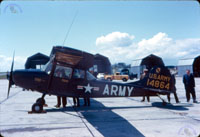
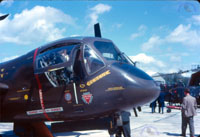
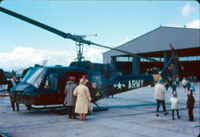
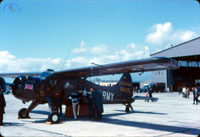





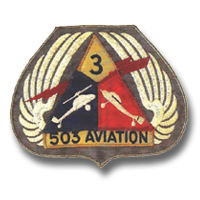
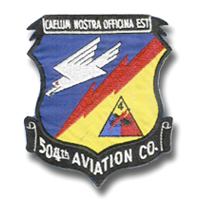
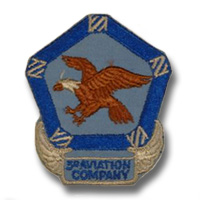


 - the web site for former members of the 4th Transportation Company (Medium Helicopter); 506th Transportation Company (Light Helicopter); 4th Aviation Company; and 152nd Cargo Helicopter Field Maintenance Detachment. The site includes a good unit history of the 4th Trans/Avn Co and some great pictures of the MOJAVE (H-37) medium helicopter as well as Fliegerhorst Kaserne, Hanau, in the late 1950s.


